
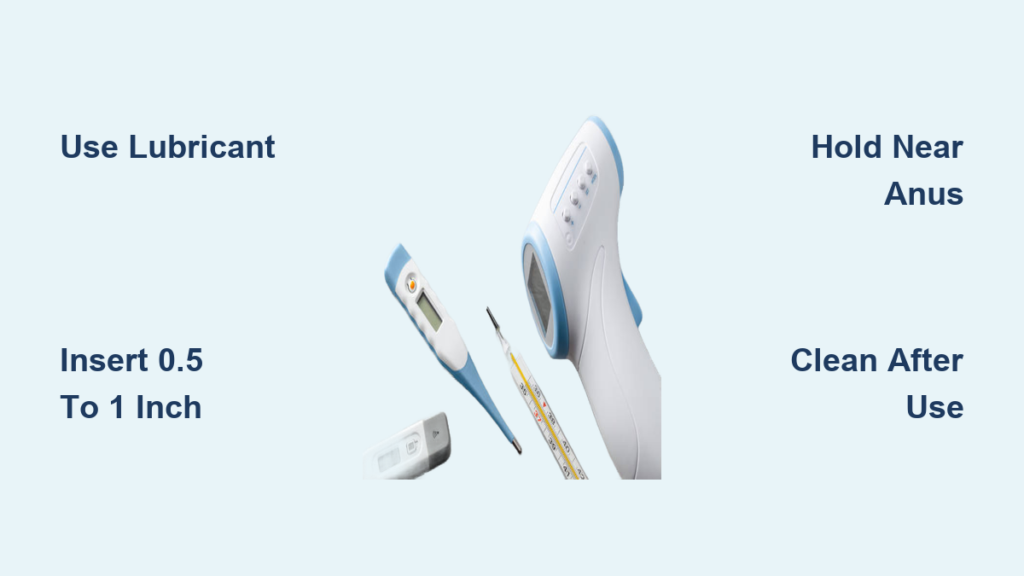
Checking your baby’s temperature is crucial when they’re unwell, especially in the first few months of life. For infants under 3 months, a rectal thermometer provides the most accurate reading, which is why pediatricians strongly recommend it. A fever—defined as a rectal temperature of 38°C (100.4°F) or higher—can signal a serious infection in newborns and requires immediate medical attention. Knowing how to use a rectal thermometer correctly ensures you get reliable results while keeping your baby safe and comfortable.
This step-by-step guide covers everything you need to know: choosing the right thermometer, proper lubrication and positioning, correct insertion depth, accurate reading, and thorough cleaning. You’ll also learn common mistakes to avoid and how rectal readings compare to other methods like armpit or ear thermometers. With clear instructions and safety tips, you can confidently monitor your baby’s health at home.
Choose the Right Digital Thermometer for Rectal Use
Use a Dedicated Digital Thermometer with Flexible Tip
Always use a digital thermometer labeled for rectal use. These are safer than mercury models and provide fast, precise readings. Look for one with a flexible, rounded tip and a large digital display that shows results in seconds. Many models beep when the temperature stabilizes, helping you avoid early removal.
Keep a separate thermometer just for rectal use. Even after cleaning, using the same device orally can transfer harmful bacteria. Label it clearly as “rectal only” to prevent accidental misuse.
Prepare Supplies and Calm Your Baby Before Starting
Gather Lubricant, Tissues, and a Safe Surface
Before beginning, collect:
• A clean digital thermometer
• Petroleum jelly or water-based lubricant
• Soft tissues or wipes
• A flat, padded surface like a changing table or your lap
Apply a small amount of lubricant to the tip of the thermometer. This reduces friction and makes insertion smoother and more comfortable for your baby.
Pick a Quiet Time When Baby Is Calm
Choose a moment when your baby is relaxed or drowsy, such as after feeding or during a routine diaper change. Avoid trying to take a temperature when your baby is crying or moving a lot. A calm environment helps minimize resistance and ensures a safer, more accurate reading.
Position Your Baby Securely for Safe Access

Lay Baby on Back with Legs Gently Raised
The diaper-change position offers the best control:
• Lay your baby on their back
• Hold their ankles or feet and gently lift their legs toward their chest
• Support their thighs with one hand
This position gives you clear access while keeping your baby stable and secure.
Try Face-Down Across Your Lap (Alternative Method)
If your baby resists lying on their back:
• Place them face down across your lap
• Use one hand to gently spread the buttocks
• Use the other to steady their hips
This method works well for fussy or squirmy infants and still allows safe, controlled access.
Insert the Thermometer Gently and Safely
Spread Buttocks and Insert Only 0.5 to 1 Inch
With one hand, gently separate your baby’s buttocks to expose the anus. With the other:
• Slowly insert the lubricated tip
• Go in only 0.5 to 1 inch (1.25 to 2.5 cm)
• Stop immediately if you feel resistance
Never force the thermometer. Forcing can cause injury. If insertion is difficult, remove it, soothe your baby, and try again later.
Hold Close to the Anus, Not the Handle
Once inserted, hold the thermometer with two fingers near the anal opening, not at the base of the handle. This prevents accidental over-insertion and keeps the device steady during measurement.
Wait the Full Time for an Accurate Reading
Keep Thermometer in Place for 60 Seconds
Leave the thermometer inside for:
• About 60 seconds, or
• Until the digital beep sounds
Hold your baby gently but firmly to prevent sudden movement. Talking softly or humming can help keep them calm during this short time.
Listen for Beep or Use a Timer
Many digital thermometers emit a series of beeps when the reading is complete. If yours doesn’t beep, use a phone or clock to time exactly one minute. Removing the thermometer too soon can result in an inaccurate, lower reading.
Remove, Read, and Respond to the Temperature
Pull Out Slowly and Check the Display
After the beep or timer ends:
• Gently remove the thermometer
• Wipe the tip with a tissue
• Read the temperature on the screen
Record the number and time, especially if tracking a fever over several hours.
Know When to Call the Doctor Immediately
A rectal temperature of 38°C (100.4°F) or higher in a baby under 3 months is a medical emergency. Contact your pediatrician right away, even if your baby seems fine. For older infants, seek advice based on symptoms, fever duration, and behavior.
Clean and Store the Thermometer Properly After Use

Wash with Cool, Soapy Water and Dry Thoroughly
After each use:
• Rinse under cool or lukewarm water
• Wash with mild soap and a soft cloth
• Rinse well and dry with a clean towel
Never use hot water or submerge the electronic end, as this can damage the thermometer.
Store in a Labeled Case to Prevent Cross-Use
Keep your rectal thermometer in a dedicated case marked “rectal only.” This prevents confusion and ensures hygiene.
Critical Rule: Never use a rectal thermometer in the mouth. Bacteria from the rectum can remain even after cleaning and cause infections if used orally.
Avoid These Common Rectal Thermometer Mistakes
Never Use the Same Thermometer for Mouth and Rectum
Even if cleaned, a rectal thermometer should never be used orally. The risk of bacterial contamination is too high. If you have only one thermometer, label it clearly and reserve it exclusively for rectal use.
Don’t Insert Too Deeply
Going deeper than 1 inch (2.5 cm) increases the risk of injury. The rectum is delicate—shallow insertion is all that’s needed for an accurate core temperature.
Always Lubricate—Never Skip This Step
Using a dry thermometer can cause discomfort or minor tissue damage. Always apply lubricant before every use, even if the tip feels smooth.
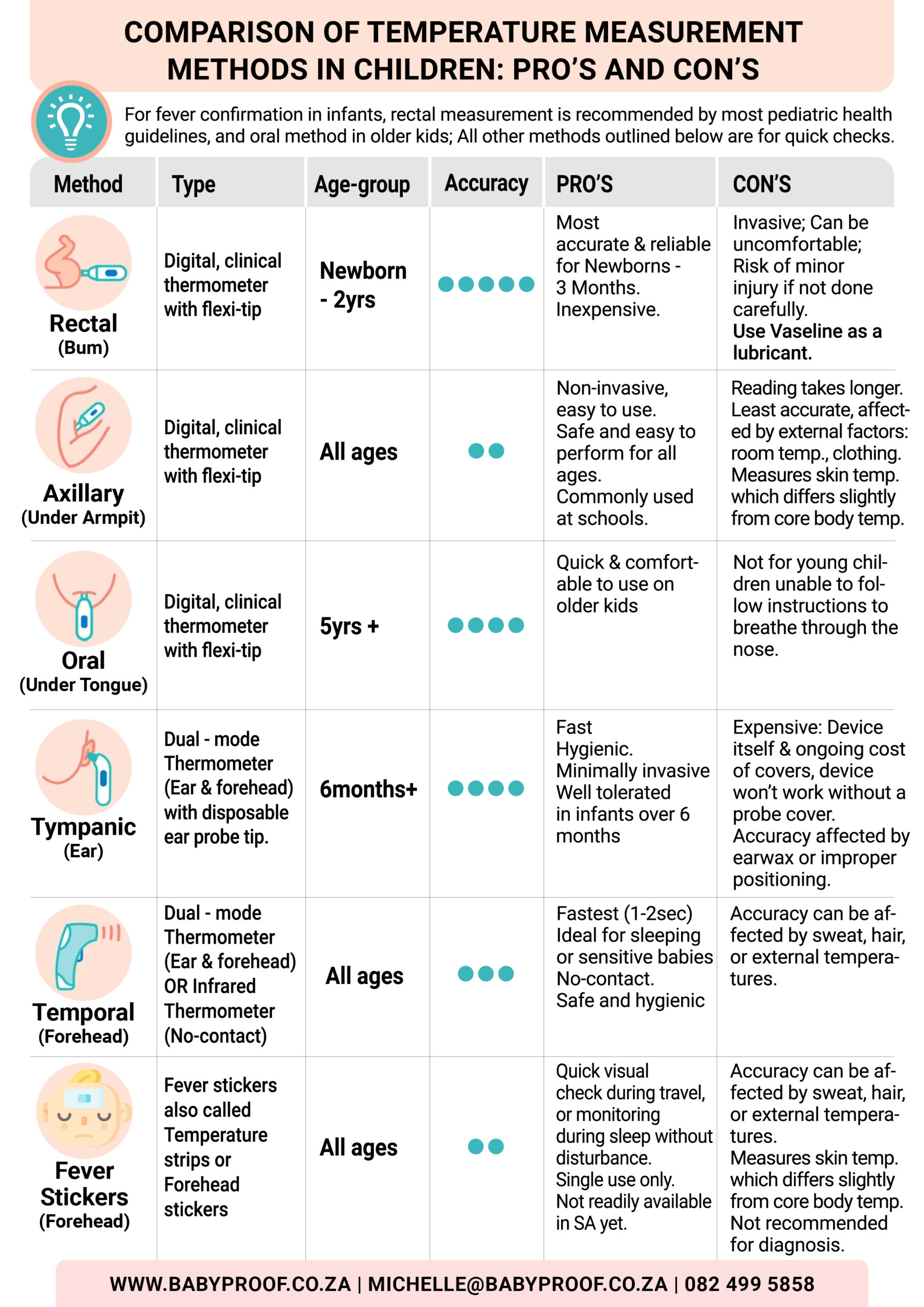
Compare Other Methods: Why Rectal Is Most Accurate
Armpit Readings Are Less Reliable for Young Babies
Axillary (underarm) temperatures are easier but typically 0.5°F to 1°F lower than oral readings. They’re not accurate enough for babies under 3 months, when precision is critical.
Ear Thermometers Aren’t Suitable for Newborns
Tympanic (ear) thermometers:
• Are not accurate in babies under 3 months
• Can give false readings due to earwax or incorrect angle
• Require disposable probe covers
Use only on older infants, and never rely on them instead of rectal readings for newborns.
Follow Age-Based Guidelines for Best Results
0 to 3 Months: Use Rectal Method Only
For newborns, rectal temperature is the only reliable method. Small changes in body temperature can indicate serious illness, so accuracy is essential. Pediatricians insist on rectal readings during this stage.
3 Months to 3 Years: More Options Available
After 3 months, you may use:
• Rectal (still most accurate)
• Armpit (for screening)
• Ear (if used correctly)
But if your child is sick, confirm with a rectal reading for the most trustworthy result.
Troubleshoot Common Challenges Quickly
Baby Won’t Stay Still? Try These Tips
Take the temperature during a diaper change or while your baby is drowsy. Ask a partner to help hold your baby gently. Swaddling one leg can reduce kicking and improve control.
No Beep or Reading? Check These Fixes
Verify:
• Battery life
• Proper insertion depth
• Clean probe (dirt or dried lubricant can interfere)
Replace batteries if needed and retry with fresh lubrication.
Reading Seems Too Low? Double-Check Technique
Ensure the thermometer was inserted far enough and held for the full minute. An armpit reading might have been mistaken for rectal—always confirm the method used.
Frequently Asked Questions About Using a Rectal Thermometer for Baby
Is it safe to use a rectal thermometer on a newborn?
Yes, when done correctly. Use a digital thermometer, lubricate the tip, insert only 0.5 to 1 inch, and hold it close to the anus. Never force it. When performed gently and carefully, rectal temperature taking is safe and the most accurate method for babies under 3 months.
How deep should I insert the thermometer?
Insert the lubricated tip 0.5 to 1 inch (1.25 to 2.5 cm) into the rectum. This is deep enough to get an accurate core temperature without risking injury. Stop immediately if you feel resistance.
Can I use the same thermometer for rectal and oral readings?
No. Never use a rectal thermometer in the mouth, even after cleaning. Harmful bacteria from the rectum can remain on the device and cause infection. Keep a separate, labeled thermometer for rectal use only.
What should I do if my baby has a fever?
For any baby under 3 months with a rectal temperature of 38°C (100.4°F) or higher, call your pediatrician immediately. Do not wait, even if your baby seems well. Fever in newborns can indicate a serious infection requiring prompt treatment.
Why is rectal temperature more accurate than armpit or ear?
Rectal readings measure core body temperature directly and are not affected by external factors like room temperature, sweating, or earwax. Armpit readings are less reliable, and ear thermometers are inaccurate in young infants due to small ear canals.
How often should I clean the thermometer?
Clean the thermometer after every use with cool, soapy water. Rinse thoroughly and dry before storing. Regular cleaning prevents bacterial buildup and ensures hygiene for future use.
Key Takeaways for Safely Using a Rectal Thermometer on Your Baby
Using a rectal thermometer on your baby may feel intimidating at first, but it becomes routine with practice. The most important factors are gentle handling, correct depth (0.5 to 1 inch), proper lubrication, and strict hygiene. Always use a digital thermometer labeled for rectal use, keep it clean, and never use it orally.
For babies under 3 months, rectal temperature is the gold standard. A reading of 38°C (100.4°F) or higher requires immediate medical attention. By following these steps, you’ll get accurate results and peace of mind when your baby is unwell. Keep your thermometer ready, labeled, and stored safely—your quick action could make all the difference.





