Waking a sleeping newborn for feedings can feel unnatural, but it’s often necessary in the early weeks. Most babies need to eat every 2 to 3 hours—about 8 to 12 times a day—to support healthy weight gain, hydration, and milk supply development. Since crying is a late sign of hunger, many newborns won’t wake on their own when they need to eat. This means parents must gently rouse them, especially if the baby has lost weight, has jaundice, or is premature. Frequent feeding helps prevent dehydration and supports strong growth.
This guide provides proven, pediatrician-backed strategies to wake baby up to feed safely and effectively. You’ll learn how to use physical stimulation, adjust the environment, and modify feeding techniques to keep your baby alert. We’ll also cover when it’s safe to stop waking your baby, how to track feeding success, and ways to cope with the emotional toll. While this phase is exhausting, it’s temporary—and the effort pays off in your baby’s long-term health.
When to Wake Your Baby for Feeding
Newborn Feeding Frequency and Timing
Newborns need to feed every 2 to 3 hours, totaling 8–12 feedings in 24 hours. This frequent schedule ensures they get enough calories, maintain blood sugar, and stay hydrated. In the first 1–2 weeks, babies typically lose 7–10% of their birth weight and must regain it before feeding routines can relax. Until then, wake your baby if they’ve slept more than 3–4 hours—even overnight.
Early hunger cues include stirring, lip smacking, rooting, or bringing hands to the mouth. If your baby isn’t showing these signs, don’t wait for crying. Proactively waking them helps prevent excessive weight loss and supports milk supply for breastfeeding parents.
High-Risk Situations Requiring Strict Schedules
Some babies need even more frequent feeding due to medical concerns. Premature infants, babies with jaundice, or those who lost over 10% of their birth weight may be too lethargic to wake on their own. In these cases, pediatricians often recommend waking the baby every 3 hours around the clock until feeding improves and weight gain stabilizes.
If your baby was monitored after birth or diagnosed with neonatal jaundice, follow your doctor’s instructions closely. These babies are at higher risk for dehydration and poor intake, making consistent feeding essential in the early weeks.
Signs You Can Stop Waking Your Baby
Once your baby regains their birth weight and shows steady growth, you may no longer need to wake them. Key signs include:
• Consistent weight gain on their growth curve
• 6–8 wet diapers per day
• Regular bowel movements
• Alertness during awake periods
• Feeding well without assistance
Many babies begin waking on their own by 4–5 weeks. By 7–8 weeks, some sleep 5–6 hours at night. Always consult your pediatrician before dropping night feeds or extending intervals beyond 4 hours.
Effective Ways to Wake a Sleepy Newborn
Physical Stimulation Techniques
Gentle but firm stimulation can help rouse a deeply sleeping baby. Start with light touch and increase intensity only as needed. Safe and effective methods include:
• Tickle the feet or back of hands – Triggers reflexive movement that promotes alertness
• Blow softly on the face – A light puff of air can cause blinking or grimacing
• Use a cool damp cloth – Wipe the forehead, hands, or feet with a cool (not cold) washcloth
• Change the diaper mid-feed – The sensory shift helps reset alertness
Never shake or jolt your baby. Use repetitive, rhythmic stimulation instead.
Adjusting the Environment for Alertness
Small changes to the feeding space can make a big difference:
• Turn on the lights – Brightness signals daytime and disrupts deep sleep. Use soft room lighting, not harsh overheads
• Remove layers – Strip the baby down to just a diaper. The slight temperature change keeps them alert
• Feed in a lively area – Try the living room instead of a dark, quiet bedroom to reduce drowsiness
Avoid feeding in overly quiet or dim spaces if your baby tends to fall asleep instantly.
Sensory and Tactile Wake-Up Tricks
Engage your baby’s senses to keep them awake during feeding:
• Rub armpits or spine – These areas are sensitive to light massage
• Talk or sing softly – Your voice is familiar and stimulating. Call their name or make gentle sounds
• Move limbs gently – Wiggle fingers, stretch arms, or rotate wrists to activate the nervous system
Lactation consultants often advise parents to “get mean”—meaning be persistent with stimulation. This doesn’t mean being harsh, but refusing to let the baby drift off during feeding. It’s a temporary phase, but consistency helps.
Feeding Strategies for Lethargic Babies

Keeping Baby Awake During Feeds
Even if your baby latches, they may fall asleep within minutes. Use these tactics to extend feeding time:
• Switch sides mid-feed – When sucking slows, burp and switch breasts. The change in position and new milk flow can re-engage them
• Compress the breast – Gently squeeze to increase milk flow and encourage continued sucking
• Pause for a diaper change – Change the baby halfway through, then resume feeding
For bottle-fed babies, tilt the bottle down when they start to doze, then resume when they stir.
Combination Feeding for Better Nutrition
Some sleepy babies wake more easily for a bottle than the breast. A combination approach can ensure adequate intake:
• Breastfeed first, then offer expressed milk via bottle
• Use a Haakaa to collect milk from the unused breast while baby feeds on the other side
• After baby unlatches, feed the collected milk in a bottle after a diaper change
This method supports milk supply while ensuring the baby gets enough volume—even if they can’t finish a full feeding at once.
Alternative Feeding Methods (If Needed)
In extreme cases—such as with very premature or medically fragile infants—healthcare providers may recommend syringe or cup feeding. These methods allow precise control over intake when a baby can’t coordinate sucking, swallowing, and breathing. Always use under medical supervision.
Adjusting Feeding Schedules as Baby Grows
Safely Extending Feeding Intervals
Once your baby reaches birth weight and shows steady growth, you may extend feeding times:
• From 3 to 4 hours – Many parents transition to 4-hour stretches with pediatrician approval
• Up to 5 hours during the day – If weight gain and diaper output are good, some providers allow longer gaps
• Nighttime sleep – By 6–8 weeks, some babies sleep 5–6 hours. As long as growth continues, this is healthy
Never extend beyond 5 hours during the day without medical clearance, especially in the first month.
Tracking Feeding Frequency and Output
Aim for at least 8 feedings in 24 hours. Some babies eat fewer times but take larger volumes—this is okay if they’re growing well. Focus on output and growth, not just frequency.
If your baby only gets 6–7 feeds due to long, inefficient feedings (e.g., over an hour each), talk to a lactation consultant. Slow feeding can reduce total intake and delay progress.
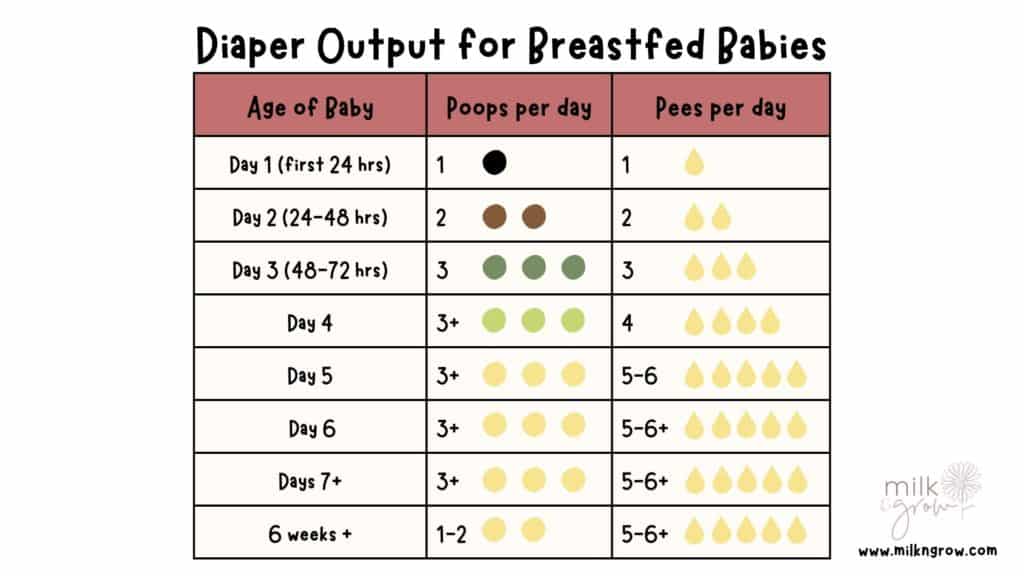
Monitoring Growth and Diaper Output
Weight gain is the best indicator of adequate feeding. Other key signs include:
• 6–8 wet diapers per day (after day 5)
• At least 3–4 dirty diapers daily (especially in first weeks)
• Contentment between feeds
• Alertness when awake
If any of these are lacking, consult your pediatrician. Poor output may signal inadequate intake, even if the baby seems satisfied.
Understanding Normal Sleep and Night Feeding Patterns
When Babies Start Waking on Their Own
Most babies begin waking independently between 4–5 weeks. Some start as early as 3 weeks, while others need help until 8 weeks or longer—especially if jaundice or weight loss was an issue. Milestones include:
• 3 weeks: Occasional self-waking, but alarms still needed
• 4–5 weeks: More frequent self-initiated feeds
• 6–8 weeks: Longer nighttime sleep (4–6 hours) becomes common
• 8 weeks: Many parents stop scheduled waking entirely
Every baby develops at their own pace. Trust your instincts and your pediatrician’s guidance.
Cluster Feeding and Natural Sleep Cycles
It’s normal for babies to cluster feed in the evening and then sleep longer at night. This pattern supports longer stretches without compromising intake. As long as your baby is feeding well during the day and gaining weight, extended nighttime sleep is a positive sign—not a cause for concern.
Avoid waking a baby who is sleeping well at night if they’re meeting all health markers. Letting them sleep supports better rest for both baby and parent.
When to Worry About Long Sleep Stretches
Extended sleep is only a concern if accompanied by:
• Poor weight gain
• Fewer than 6 wet diapers per day
• Lethargy or difficulty waking
• Signs of dehydration (sunken fontanelle, dry mouth)
If your baby sleeps 5 hours but wakes alert and feeds vigorously, there’s likely no issue. When in doubt, check with your doctor.
Coping with the Emotional Toll of Frequent Waking
Managing Parental Exhaustion and Stress
Waking a baby every 3 hours is physically and emotionally draining. Parents often feel like “zombies,” isolated, and anxious about whether they’re doing enough. It’s normal to feel frustrated, especially when the baby fights feeding or falls asleep instantly.
Remember: this phase is temporary. Most babies outgrow the need for scheduled waking by 6–8 weeks. You’re not alone—many parents have walked this path and come out the other side.
Reassurance from Parents Who’ve Been There
Parents who’ve been through this share these insights:
• “It felt endless, but it only lasted 4 weeks.”
• “I thought I was failing, but my baby was gaining weight all along.”
• “Once he started waking on his own, everything got easier.”
Lean on your support system. Ask for help with chores, meals, or nighttime shifts if possible. Even small breaks can restore your energy.
When to Seek Professional Help
Reach out to your pediatrician or a lactation consultant if:
• Your baby isn’t gaining weight
• You’re unsure how much they’re eating
• Feedings take over an hour with little output
• You’re feeling overwhelmed or depressed
You don’t have to figure it all out alone. Professional guidance can ease anxiety and improve outcomes.
Key Takeaways for Waking Baby to Feed
Waking your baby to feed is a short-term investment in their long-term health. Use gentle but firm stimulation, adjust the environment, and modify feeding strategies to keep your baby alert. Monitor weight gain, diaper output, and alertness to know when it’s safe to stop waking them. Most babies begin waking on their own by 4–8 weeks.
Stay consistent, trust the process, and remember that this phase will pass. Prioritize your own well-being and seek support when needed. With time, your baby will develop natural feeding rhythms—and you’ll both enjoy more restful nights.
Frequently Asked Questions About Waking Baby to Feed
How often should I wake my newborn to feed?
Wake your baby every 2 to 3 hours during the day and every 3 to 4 hours at night until they regain their birth weight. Most newborns need 8–12 feedings in 24 hours. Once they’re gaining weight consistently and producing 6–8 wet diapers daily, you may be able to extend intervals with your pediatrician’s approval.
What if my baby won’t wake up to eat?
Try gentle but firm stimulation: tickle their feet, blow softly on their face, or use a cool damp cloth on their hands or forehead. Change their diaper mid-feed or strip them down to just a diaper. If your baby remains lethargic or difficult to wake, contact your pediatrician immediately.
Is it safe to let my newborn sleep longer than 4 hours?
Not in the first few weeks—unless your baby has regained birth weight and is feeding well. Most doctors advise against letting newborns sleep longer than 4 hours until they’re gaining weight consistently. After 6–8 weeks, some babies naturally sleep 5–6 hours, which is healthy if they’re meeting growth and output milestones.
Why is my baby so sleepy during feedings?
Newborns often fall asleep while feeding due to fatigue, jaundice, or prematurity. Frequent feedings help build energy, but some babies need extra stimulation to stay awake. Try switching sides, compressing the breast, or changing the diaper mid-feed to reset alertness.
How do I know if my baby is getting enough milk?
Key signs include consistent weight gain, 6–8 wet diapers per day, regular bowel movements, contentment between feeds, and alertness when awake. If you’re concerned about intake, track output and consult your pediatrician or lactation consultant.
When can I stop waking my baby for night feedings?
You can usually stop waking your baby once they’ve regained their birth weight, are gaining steadily, and produce enough wet and dirty diapers. Many parents stop by 6–8 weeks, but always confirm with your pediatrician—especially if your baby had jaundice or feeding issues.