A bump to the head can be terrifying when it happens to a baby. You might not see any obvious injury, but inside, even a minor jolt can affect your infant’s developing brain. Knowing how to check baby for concussion is critical—especially because babies can’t tell you how they feel. Unlike older children, infants may not show immediate signs, and symptoms can take hours or even days to appear.
As a parent or caregiver, you’re the best judge of what’s normal for your baby. A slight change in feeding, sleep, or behavior could be the first clue. This guide walks you through the key signs of concussion in babies, what to watch for in the first 48 hours, and when to seek emergency care. You’ll learn how to monitor your baby effectively, distinguish concussion symptoms from other conditions like infection, and act quickly when danger signs appear.
Recognize Behavioral and Physical Signs of Concussion in Babies
Since babies can’t verbalize pain or dizziness, you must rely on observable changes. A concussion occurs after a fall, drop, or blow to the head that disrupts brain function—even without visible injury or skull fracture. Because an infant’s brain is still developing, even mild trauma can lead to complications like internal bleeding.
Watch closely for subtle shifts in your baby’s usual patterns. Any significant head injury in a newborn or infant should be medically evaluated, even if symptoms aren’t immediately obvious.
Watch for Changes in Behavior and Mood
Babies with a concussion often act differently than normal. Key behavioral signs include:
• Increased irritability or fussiness – Your baby may cry more than usual and be hard to soothe, even with feeding or cuddling
• Persistent, unsoothable crying – Crying that doesn’t stop with comfort measures after a head injury is a red flag
• Loss of interest in feeding – Refusing bottles or breastfeeding, or taking significantly less than normal
• Unusual drowsiness or lethargy – Sleeping more than usual or being difficult to wake for feeds
• Changes in alertness or responsiveness – Not making eye contact, not tracking your face, or seeming “out of it”
Pro Tip: Trust your instincts. If your baby “just doesn’t seem right,” take it seriously—even if you can’t explain why.
Identify Immediate Danger Signs in Infants

Some symptoms point to serious brain injury and require emergency medical care. These signs are not subtle and demand immediate action.
Check for a Bulging Soft Spot
The fontanelle, or soft spot on your baby’s head, should be flat or slightly sunken when upright and calm. If it appears bulging or tense, this may indicate increased pressure in the brain—a medical emergency.
Look for Seizures or Abnormal Movements
Any jerking, twitching, stiffness in limbs, or uncontrolled movements after a head injury could signal a seizure. Even a brief episode requires immediate evaluation.
Monitor for Inability to Wake Up
If your baby is difficult to rouse or won’t wake up when it’s time to feed, this is a critical warning. Try calling their name, gently stroking their cheek, or tickling their foot. If there’s no response, call 911.
Watch for Repeated or Forceful Vomiting
One episode of vomiting after a fall might not be serious. But repeated or projectile vomiting—especially within hours of the injury—can signal brain swelling or concussion.
Expert Note: For newborns, three danger signs stand out: loss of consciousness, seizures, and repeated vomiting. Any one of these requires emergency care.
Know When to Go to the ER After a Head Injury
Not every bump needs an ER visit—but knowing the difference could save your baby’s life. Use this checklist to decide.
Emergency Red Flags (Call 911 Immediately)
• Loss of consciousness, even briefly
• Seizures or convulsions
• Bulging fontanelle
• Inability to be awakened
• Repeated vomiting
• Unequal pupil size – one eye larger than the other
• Weakness or limpness in arms or legs
• Abnormal eye movements or fixed staring
• Difficulty breathing or irregular breathing
Visual Cue: Shine a small flashlight into your baby’s eyes in a dim room. Both pupils should shrink equally. If one doesn’t react, seek help immediately.
Urgent—but Not Emergency—Warning Signs
These symptoms require a prompt doctor’s visit, but may not need 911:
• Mild drowsiness that improves
• One episode of vomiting
• Brief crying after the fall (resolves quickly)
• Temporary loss of balance (in toddlers)
• Mild fussiness that responds to comfort
If these signs improve within a few hours and your baby returns to normal, the risk is lower—but continue monitoring for 48 hours.
Monitor Your Baby for 48 Hours After Injury
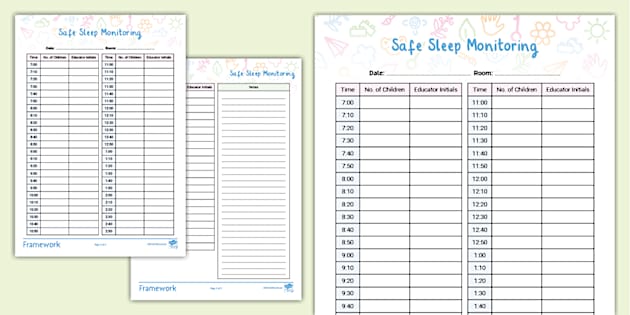
The first two days after a head injury are the most critical. Many concussion symptoms appear hours or even a day later.
Follow the 48-Hour Observation Protocol
Set a schedule to check your baby every 2–3 hours, even overnight. Use this checklist:
| Time | What to Check |
|---|---|
| Every 2–3 hours | Is your baby alert when awake? Can they focus on your face? |
| Before and after feeds | Are they feeding normally? Any refusal or spitting up? |
| During sleep | Can you wake them easily? Do they respond when called? |
| Throughout the day | Any new vomiting, crying, or stiffness? |
Key Fact: If your baby remains alert, feeds well, and behaves normally for 48 hours, the chance of a serious brain injury is very low.
Document Any Changes
Keep a simple log:
• Time of injury: e.g., 7:00 PM
• Symptoms observed: e.g., “fussy at 8:30 PM, slept deeply at 10:00 PM”
• Feeding notes: e.g., “took 6 oz at 9:00 PM, vomited at 10:30 PM”
• Sleep patterns: e.g., “woke crying at 2:00 AM, hard to soothe”
This record helps doctors assess whether symptoms are worsening.
Distinguish Concussion from Infection or Other Illnesses
Head injury symptoms can mimic other conditions—especially infections. This can make diagnosis tricky.
Fever Is Not a Concussion Symptom
If your baby develops a fever (like 101.8°F) after a head injury, it’s likely not caused by the concussion. Fever usually signals an infection, such as a cold, ear infection, or virus.
However, if your baby has both a head injury and a fever, they may be dealing with two problems at once—a concussion and an infection. This combination requires urgent medical evaluation.
Night Waking: Injury or Illness?
Waking up crying could be due to:
• Head pain from concussion
• Ear pain from infection
• Teething discomfort
• Stomach upset
But if the crying is new, intense, and unsoothable after a head injury, treat it as a possible concussion sign until proven otherwise.
Pro Tip: If your baby has a fever and unusual sleepiness or vomiting after a head injury, go to the ER. Don’t wait.
Understand What Happens During Medical Evaluation

If you’re concerned, don’t hesitate to seek medical care. Doctors use a combination of observation, history, and sometimes imaging to assess for concussion.
What the Doctor Will Ask
Be ready to answer:
• How did the injury happen? (e.g., fell off couch, dropped)
• Did your baby lose consciousness?
• What symptoms have you noticed?
• Has feeding or sleep changed?
• Is there vomiting or seizures?
Physical and Neurological Checks
The doctor will likely:
• Check pupil response to light
• Test alertness and responsiveness
• Observe movements and coordination
• Feel the fontanelle for bulging
• Listen to breathing and heart rate
When a CT Scan Is Needed
A CT scan of the brain may be ordered if:
• There’s a high-risk mechanism (e.g., fall from height)
• Symptoms are worsening
• There’s loss of consciousness or seizures
• The baby is under 6 months old
CT scans use radiation, so they’re only used when necessary. The decision is based on clinical judgment and risk.
Support Your Baby’s Recovery at Home
If your baby is diagnosed with a mild concussion and sent home, recovery is usually quick—but care is still essential.
Create a Calm Environment
• Reduce noise and bright lights—babies with concussion may be sensitive to stimulation
• Limit screen time (for older infants and toddlers)
• Keep routines gentle—avoid overstimulation
Encourage Rest, But Continue Monitoring
Let your baby sleep, but wake them every 3–4 hours the first night to check:
• Can they be awakened?
• Do they recognize you?
• Are they breathing normally?
Note: It’s safe to let a concussed baby sleep—just ensure you can wake them and they respond normally.
Resume Feeding Gradually
If your baby refused feeds initially but is now willing, offer small, frequent meals. Watch for vomiting after feeding.
Prevent Future Head Injuries at Home
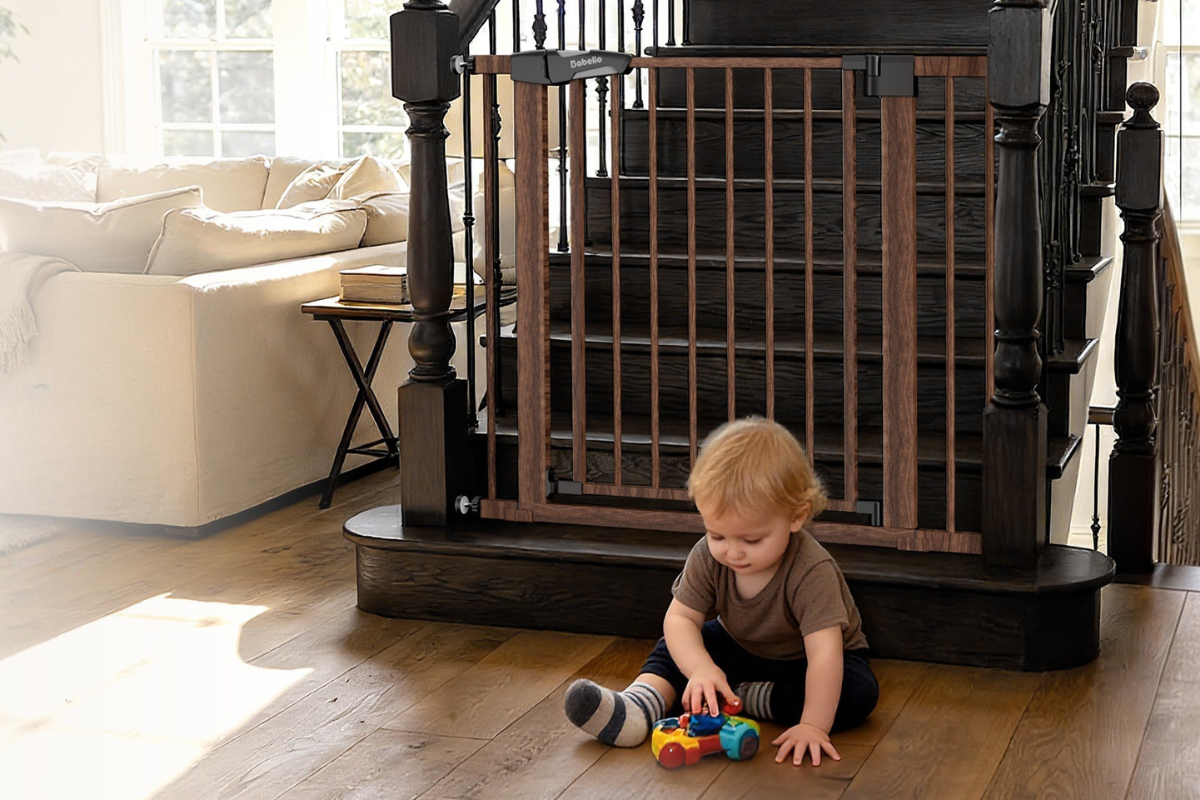
Most infant concussions happen at home—on floors, changing tables, or while learning to roll or crawl.
Safety Tips to Reduce Risk
• Never leave your baby unattended on a bed, couch, or changing table
• Use safety straps on high chairs and strollers
• Install baby gates at stairs
• Use soft flooring in play areas
• Supervise closely during tummy time and rolling
Reality Check: Babies fall. Most are harmless. But because their brains are so vulnerable, any fall from a height greater than their own body length should be taken seriously.
Frequently Asked Questions About Checking Baby for Concussion
Can a baby get a concussion from a small fall?
Yes. Even a short fall can cause a concussion, especially in newborns and infants. The risk depends on the force of impact and the baby’s age. Any fall from a height greater than the baby’s body length should be taken seriously.
What should I do if my baby hits their head but seems fine?
Monitor closely for 48 hours. Check for changes in behavior, feeding, sleep, or alertness. If your baby remains alert, feeds well, and behaves normally, the risk is low—but seek medical advice if you’re concerned.
How long after a head injury do concussion symptoms appear in babies?
Symptoms can appear immediately—or they may take hours or even days to show. That’s why continuous monitoring for 48 hours is essential, even if your baby seems fine at first.
Is it safe to let a baby sleep after hitting their head?
Yes, but monitor closely. Let them sleep, but wake them every 3–4 hours the first night to check responsiveness, breathing, and alertness. If they’re hard to wake or unresponsive, seek emergency care.
Does a fever after a head injury mean my baby has a concussion?
No. Fever is not a concussion symptom. It usually indicates an infection. However, if your baby has both a head injury and a fever, they may have two separate issues and need urgent evaluation.
When should I take my baby to the ER after a head injury?
Go to the ER immediately if your baby shows any of these: loss of consciousness, seizures, bulging soft spot, repeated vomiting, inability to wake, or unequal pupils. When in doubt, seek medical help.
Key Takeaways for How to Check Baby for Concussion
• Babies can’t tell you they’re hurt—so you must watch for behavioral changes, feeding issues, and unusual sleepiness
• Monitor for 48 hours—symptoms often appear hours or days later
• Fever after a head injury likely means infection, not concussion—but both could be present
• Trust your instincts. If your baby “just doesn’t seem right,” get medical help
• Call 911 for danger signs like seizures, bulging soft spot, or inability to wake
If your baby has had a head injury, stay calm but vigilant. Most bumps are harmless, but when symptoms suggest a concussion, early action prevents complications. Keep this guide handy, monitor closely, and never hesitate to seek medical care.