

If your baby spits up after nearly every feeding, you’re not alone—up to 70% of infants experience some form of reflux in their first few months. Most are “happy spitters,” gaining weight well and showing no discomfort. But when spitting up turns into frequent vomiting, irritability, poor weight gain, or breathing issues, it may signal something more serious: gastroesophageal reflux disease (GERD). The good news? Reflux in babies is usually temporary and manageable with simple changes at home. This guide breaks down how to treat reflux in babies effectively, from feeding adjustments and positioning to when medications or specialist care might be needed.
Understanding the difference between normal reflux (GER) and problematic GERD is key. While GER resolves on its own by 12–14 months in most babies, GERD requires closer attention and intervention. With evidence-based strategies and clear red flags to watch for, you can support your baby’s comfort and development with confidence.
Identify Reflux Type: GER vs GERD
Before starting treatment, it’s crucial to determine whether your baby has simple gastroesophageal reflux (GER) or the more serious gastroesophageal reflux disease (GERD). This distinction guides all treatment decisions.
Spot the Difference: GER vs GERD
GER is common and harmless. Babies with GER spit up occasionally, seem content, and gain weight normally. They may arch their back slightly or hiccup after feeds but aren’t distressed. In contrast, GERD causes persistent symptoms that interfere with feeding, sleep, and growth. Key signs of GERD include:
- Frequent forceful vomiting
- Poor weight gain or failure to thrive
- Arching the back during or after feeds
- Refusing to eat or crying during feeding
- Chronic coughing or wheezing
- Blood in vomit or stool
Silent reflux—when stomach contents rise into the esophagus without spitting up—can be harder to detect. Babies may cough, gag, sound hoarse, or show unusual irritability despite no visible spit-up.
When Reflux Isn’t Normal
Reflux typically starts at 2–3 weeks and peaks around 4–5 months. If symptoms begin in the first week of life or appear after 6 months, this is unusual and warrants medical evaluation. Similarly, reflux lasting beyond 18 months is rare and may indicate an underlying condition.
Use this quick checklist to assess severity:
– Is your baby gaining weight appropriately?
– Do they seem comfortable after feeds?
– Are symptoms improving by 6 months?
If you answered “no” to any of these, consult your pediatrician.
Adjust Feeding Habits to Reduce Reflux
Feeding modifications are the first-line treatment for infant reflux. These non-invasive strategies often reduce symptoms significantly without medication.
Feed Smaller, More Frequent Meals
Overfeeding increases pressure on the lower esophageal sphincter (LES), causing milk to back up. Instead of large feeds every few hours, offer smaller amounts more often. For example:
- Reduce volume per feed by 20–30%
- Increase feeding frequency to every 2–3 hours
- Pace bottle feeds using slow-flow nipples
This helps prevent the stomach from becoming too full, reducing the chance of spit-up.
Keep Baby Upright During Feeding
Gravity plays a vital role in keeping stomach contents down. Always feed your baby in an upright position—never lying flat. Hold them at a 45-degree angle or more during breastfeeding or bottle-feeding.
For bottle-fed babies, ensure the nipple is fully filled with milk to minimize air intake, which contributes to gas and reflux.
Burp Often and Effectively
Gas buildup can push milk upward. Burp your baby:
– Midway through each feeding
– At the end of every ounce (30 mL) for bottle-fed infants
– After finishing the feed
Try different burping positions if one isn’t working. Some parents find success laying the baby across their lap near the knees, gently bouncing while rubbing the back.
Avoid vigorous bouncing or jostling after feeding, as this can trigger spit-up.
Keep Baby Upright After Feeding

What you do after feeding matters just as much as how you feed. Proper positioning helps digestion and minimizes reflux episodes.
Hold Baby Upright for 30 Minutes
After every feed, keep your baby in an upright position—sitting on your lap, in a baby carrier, or supported in your arms—for at least 30 minutes. This allows gravity to keep milk in the stomach while digestion begins.
One source suggests 10–15 minutes, but 30 minutes is widely recommended for babies with noticeable reflux.
Avoid Lying Flat or Tummy Time Immediately After Feeds
Don’t lay your baby flat right after eating. Wait at least 30 minutes before placing them in a crib, bassinet, or playpen. Similarly, delay tummy time until digestion has started.
Never put your baby to sleep on their side or stomach—this increases SIDS risk. Always place them on their back, even with reflux.
Try Left-Side Holding (Parent-Reported Tip)
Some parents report that holding their baby on the left side after feeding helps reduce reflux. While not clinically proven, this position may aid digestion due to stomach anatomy.
Thicken Feeds Only With Medical Guidance
Thickening milk or formula can help reduce reflux by making it harder for contents to flow back up the esophagus.
Add Rice Cereal to Formula or Breast Milk
With your pediatrician’s approval, mix 1–2 teaspoons of infant rice cereal per ounce of formula or expressed breast milk. This makes the feed heavier and less likely to reflux.
Important: Only thicken feeds under medical guidance. Too thick a mixture can cause choking or constipation.
Modify Bottle Nipple for Thicker Feeds
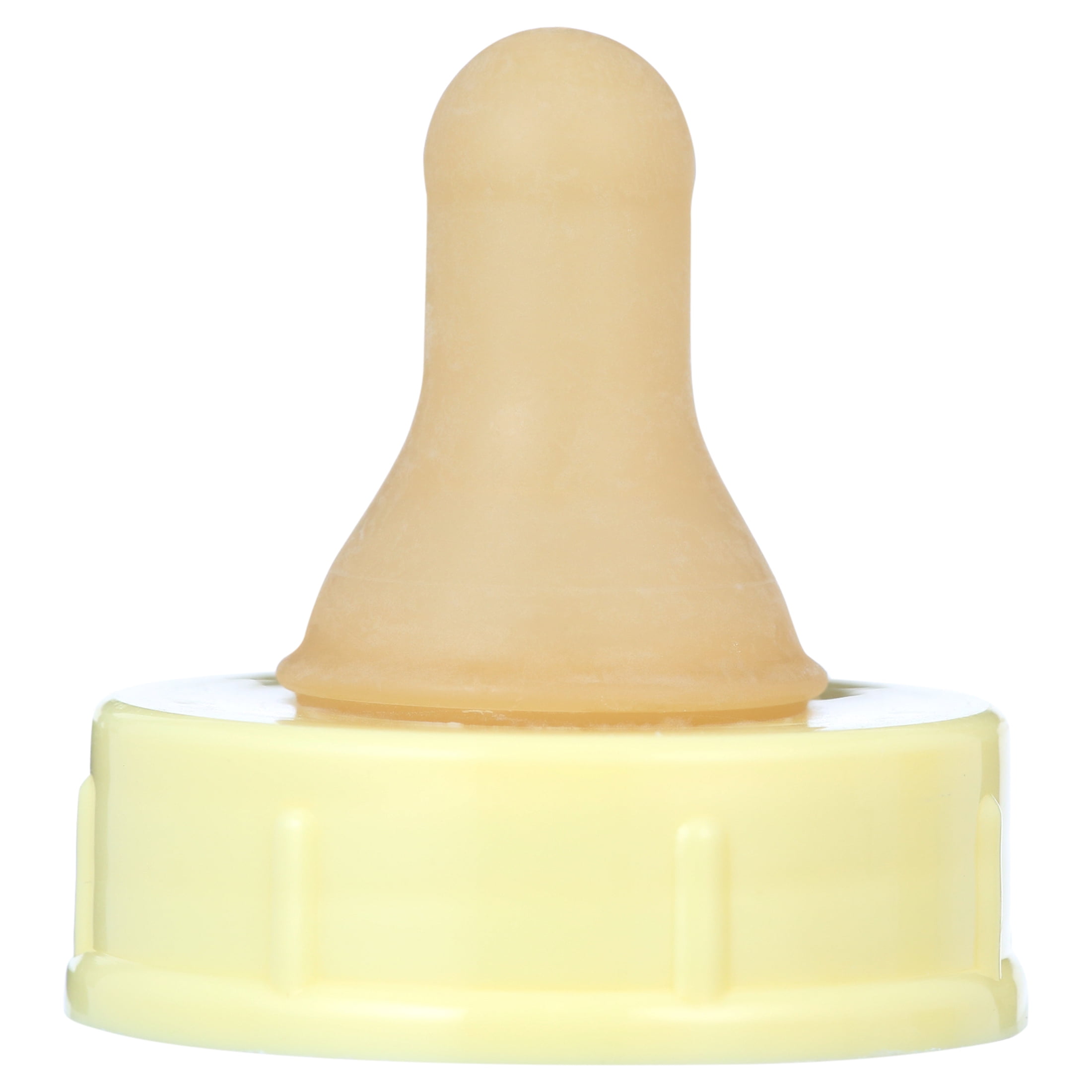
If using thickened feeds, you may need to switch to a cross-cut or “Y-cut” nipple. These allow thicker liquids to flow more easily, preventing baby from swallowing excess air.
Never cut a hole in a standard nipple yourself—use commercially available specialty nipples designed for thickened feeds.
Consider Specialized Formulas
For formula-fed babies with persistent GERD, doctors may recommend:
– Anti-reflux (AR) formulas containing thickening agents like carob bean gum
– Hydrolyzed or amino acid-based formulas for suspected cow’s milk protein intolerance
Breastfed babies generally don’t require formula changes, but mothers may be advised to eliminate dairy or other allergens if allergy is suspected—though studies show maternal diet changes don’t consistently improve reflux.
When to Use Reflux Medication for Babies
Most babies don’t need medication for reflux. But if symptoms persist despite feeding and positioning changes, and your baby shows signs of discomfort or poor growth, medication may be considered.
Only Use Medication Under Medical Supervision
Never give your baby over-the-counter or prescription reflux medicine without a doctor’s direction. Many acid-blocking drugs are safe for infants, but they’re not appropriate for simple GER.
Medications are typically reserved for babies with:
– Confirmed GERD
– Poor weight gain
– Feeding difficulties
– Esophageal irritation
Common Reflux Medications for Babies
H2 Blockers reduce stomach acid production:
– Famotidine (Pepcid AC)
– Cimetidine (Tagamet HB)
Often used for several weeks to see if symptoms improve.
Proton Pump Inhibitors (PPIs) provide stronger acid suppression:
– Omeprazole magnesium (Prilosec)
Used when H2 blockers aren’t effective.
These medications may help relieve pain from esophageal inflammation but don’t stop reflux itself.
Medications to Improve Stomach Emptying
In rare cases, doctors may prescribe prokinetic agents that speed gastric emptying, reducing the time food sits in the stomach. These are used cautiously due to potential side effects.
Surgery for Reflux: Rare but Possible
Surgery is extremely rare for infant reflux but may be an option in severe, life-threatening cases.
Nissen Fundoplication: Last Resort Option
This procedure, called a Nissen fundoplication, strengthens the lower esophageal sphincter by wrapping the top part of the stomach around the lower esophagus.
It’s only considered when:
– Baby isn’t gaining weight despite all other treatments
– Reflux causes severe breathing problems or aspiration
– There are recurrent lung infections due to aspiration
– Quality of life is severely impacted
Most procedures are done laparoscopically (minimally invasive), and many children go home within a few days.
Risks and Considerations
While effective, surgery carries risks such as:
– Difficulty vomiting
– Increased gas and bloating
– Need for future procedures
It’s typically reserved for babies with neurological impairments or complex medical conditions.
Prevent Reflux Complications Early
Left untreated, GERD can lead to serious health issues. Early recognition and management help prevent long-term problems.
Monitor Weight Gain Closely
Poor weight gain or failure to thrive is a major red flag. Track your baby’s growth at well-child visits. If weight drops off the growth curve, further evaluation is needed.
Babies who associate feeding with pain may begin refusing feeds, worsening nutritional deficits.
Watch for Respiratory Issues
Chronic coughing, wheezing, or choking during feeds can indicate aspiration—when stomach contents enter the airway. This increases the risk of pneumonia and chronic lung disease.
Silent aspiration is especially dangerous because there are no obvious signs.
Avoid Esophageal Damage
Persistent acid exposure can inflame or damage the esophagus (esophagitis), leading to pain, bleeding, and feeding aversion. This is why untreated GERD requires medical attention.
When to Seek Emergency Care for Reflux

Most reflux is benign, but certain symptoms demand urgent medical evaluation.
Seek Emergency Help for These Signs
Go to the ER immediately if your baby has:
– Green or yellow vomit (indicates bile; possible intestinal blockage like malrotation)
– Projectile vomiting (especially in newborns—could signal pyloric stenosis)
– Blood in vomit or stool
– Swollen, rigid, or tender abdomen
– Signs of dehydration: dry mouth, sunken soft spot (fontanelle), fewer than 6 wet diapers/day
– High fever, lethargy, or chills
These could signal a surgical emergency or serious infection.
Call Your Pediatrician Promptly If
Contact your doctor if:
– Symptoms persist beyond lifestyle changes
– Reflux starts after 6 months of age
– Baby is over 1 year and still spitting up frequently
– There’s poor weight gain or feeding refusal
– You’re concerned about your baby’s comfort or development
Early intervention prevents complications.
Support Your Baby and Yourself Through Reflux
Reflux isn’t just hard on babies—it takes a toll on parents too.
Ease Parental Anxiety
It’s normal to feel overwhelmed when your baby cries constantly or won’t eat. Remember: reflux is common, usually temporary, and rarely serious. You’re not doing anything wrong.
Talk to your pediatrician, join a parent support group, or connect with other caregivers who’ve been through it.
Support Breastfeeding Mothers
Mothers may feel guilty or inadequate if their baby struggles with feeding. Reassure them that reflux isn’t caused by breastfeeding and that continuing to nurse is beneficial.
If supplementation is needed, it doesn’t mean breastfeeding has failed.
Use Practical Comfort Tips
- Keep burp cloths and extra clothes handy
- Dress baby in easy-to-change outfits
- Use a baby carrier to keep baby upright during post-feed settling
- Maintain a calm feeding environment to reduce stress
Key Takeaways for Treating Baby Reflux
Most babies outgrow reflux naturally as their digestive system matures. The vast majority of infants with GER stop spitting up by 12–14 months. Even those with GERD usually respond well to treatment and go on to thrive.
Simple strategies—upright feeding, smaller meals, and proper burping—are effective for most babies. Medications and surgery are rarely needed.
If your baby is gaining weight, seems content, and symptoms are improving, you’re on the right track. Always follow your pediatrician’s advice and seek help if you’re concerned—early action ensures the best outcome.
Frequently Asked Questions About Reflux in Babies
What is the difference between reflux and GERD in babies?
Reflux (GER) is common and harmless—babies spit up but grow well and aren’t distressed. GERD is more serious, causing feeding problems, poor weight gain, and discomfort. It doesn’t improve with lifestyle changes and may need medical treatment.
How long does reflux last in babies?
Most babies start spitting up at 2–3 weeks, peak at 4–5 months, and improve by 6 months. By 9–12 months, most stop spitting up. Nearly all outgrow it by 14 months. Reflux lasting beyond 18 months is unusual and needs evaluation.
Can I thicken my baby’s formula to reduce reflux?
Yes, but only under medical supervision. Adding rice cereal to formula or breast milk can help, but too thick a mixture can cause choking or constipation. Your doctor may also recommend anti-reflux formulas.
Does breastfeeding cause reflux?
No, breastfeeding does not cause reflux. In fact, breast milk is easier to digest than formula and may reduce reflux. Mothers don’t need to change their diet unless an allergy is suspected, and even then, evidence of benefit is limited.
Should I prop my baby up to sleep with reflux?
No. Never raise the head of the crib or place your baby on an incline to sleep. This increases the risk of rolling and SIDS. Always place your baby on their back in a flat, safe sleep environment—even with reflux.
When should I worry about my baby’s reflux?
Worry if your baby isn’t gaining weight, has blood in vomit or stool, projectile vomiting, green or yellow vomit, or signs of dehydration. These require immediate medical attention. Also call your doctor if symptoms persist beyond 6 months or don’t improve with feeding changes.





