
Sunburn in babies is more than just red skin—it’s a sign of serious UV damage. With delicate, underdeveloped skin and little natural protection, infants can burn in minutes, even on cloudy days. If your baby has pink or red skin, feels warm, or seems unusually fussy after sun exposure, quick action is essential. Left untreated, baby sunburn can lead to dehydration, infection, or heat illness. The good news? Most mild cases respond well to gentle, at-home care. This guide covers immediate first aid, safe topical treatments, when to call the doctor, and how to prevent future burns—all based on pediatric guidelines and real parent experiences.
You’ll learn how to cool the skin safely, which products to use (and which to avoid), and what to watch for in newborns. Whether it’s a slight pinkness or a more serious burn, this step-by-step plan helps you respond with confidence and protect your baby’s sensitive skin.
Remove Baby From Sun Immediately
The moment you notice redness or discomfort, get your baby out of the sun. Move indoors or into deep shade—under a tree, umbrella, or stroller canopy. Even brief exposure during peak hours (10 a.m. to 4 p.m.) can cause lasting damage. UV rays penetrate clouds, so don’t wait for visible burns to act. Continued exposure worsens inflammation and increases the risk of heat stress, especially in infants who can’t regulate body temperature well.
What to Do Right Away
• Move baby to a cool, shaded area or indoors
• Remove any tight or hot clothing
• Keep the environment calm and quiet to reduce fussiness
• Begin cooling the skin within the first 10 minutes for best results
Avoid using fans directly on the baby—while air circulation helps, strong airflow can dry out sensitive skin. Instead, maintain a room temperature of 68–72°F (20–22°C) for comfort.
Cool the Skin With Safe Methods
Lowering skin temperature reduces pain and prevents further damage. Use gentle, baby-safe cooling techniques—never ice or cold water, which can shock delicate skin.
Apply Cool Compresses Correctly
• Soak a soft, clean cloth in cool (not cold) water
• Wring out excess water and gently place it on red or warm areas
• Reapply every 10–15 minutes for the first few hours
• Focus on the face, shoulders, and back—common burn zones
Replace the cloth if it warms up to maintain effectiveness. Use fresh cloths each time to avoid introducing bacteria to damaged skin.
Give a Soothing Cool Bath
• Fill the tub with lukewarm to cool water (no soap)
• Bathe for 10–15 minutes to draw heat from the skin
• Gently pat dry—never rub
• Apply moisturizer immediately after while skin is still damp
Avoid long baths, which can dry the skin. For newborns under 6 months, skip the bath and stick to compresses unless advised otherwise by a doctor.
Hydrate to Prevent Dehydration
Sunburn pulls fluids to the skin’s surface, increasing the risk of dehydration—especially dangerous in babies.
Increase Fluid Intake Immediately
• Offer extra breast milk or formula every 1–2 hours
• For babies over 6 months, offer small sips of water between feeds
• Monitor wet diapers—fewer than 6 per day is a warning sign
Dehydration signs include dry mouth, no tears when crying, sunken soft spot (fontanelle), and lethargy. If you notice any of these, seek medical help right away.
Apply Safe Topical Treatments
Once the skin is cooled, use gentle, non-irritating products to soothe and support healing.
Use 100% Pure Aloe Vera Gel
• Choose fragrance-free, alcohol-free aloe vera
• Apply a thin layer 2–3 times daily
• Store the gel in the fridge for extra cooling relief
Aloe reduces inflammation and helps repair damaged skin. If using fresh aloe from a plant, wash it thoroughly and ensure no pesticides were used.
Moisturize With Pediatrician-Approved Creams
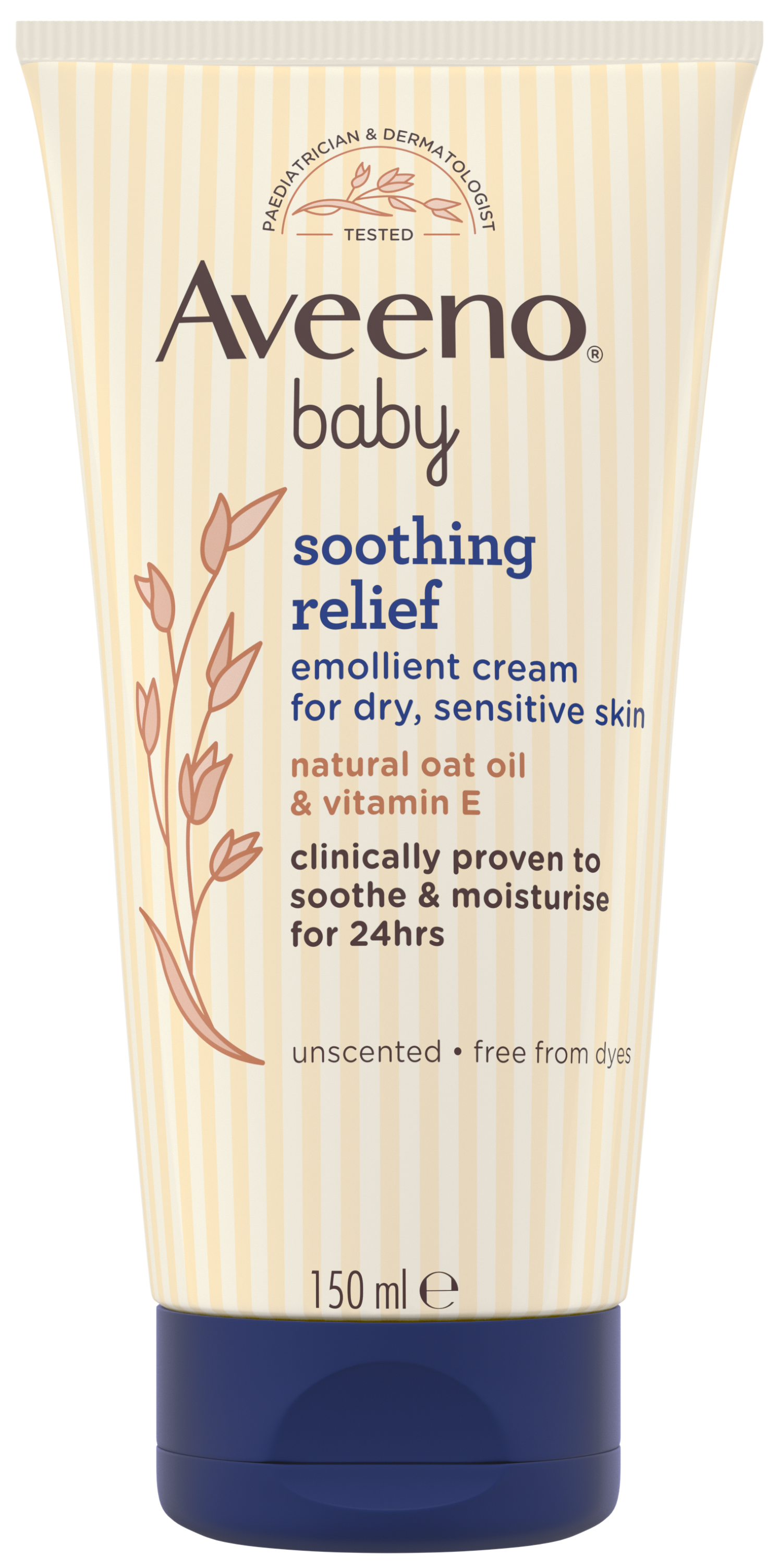
• Try Aveeno Baby Soothing Relief Cream—contains colloidal oatmeal to calm irritation
• Apply every 3–4 hours or as needed
• Use only fragrance-free, hypoallergenic formulas
Avoid products with parabens, phthalates, or artificial colors. These can irritate compromised skin.
Try Coconut Oil—With Caution
• Only use on mild burns and after a patch test
• Apply a small amount to the inner arm and wait 24 hours
• If no reaction, apply a thin layer to affected areas
Never use coconut oil on newborns under 6 months without pediatrician approval.
Avoid Dangerous Products

Many common remedies can do more harm than good on baby skin.
Never Use Adult Sunburn Lotions
Adult products often contain benzocaine, lidocaine, or high alcohol levels—ingredients that can be absorbed through baby skin and cause toxicity. These are too harsh and may trigger allergic reactions or systemic issues.
Skip Petroleum Jelly and Ointments
Petroleum-based products like Vaseline trap heat and prevent the skin from breathing, slowing healing. They can also clog pores and worsen inflammation.
Don’t Use Hydrocortisone Without a Doctor’s Advice
Over-the-counter hydrocortisone may seem helpful, but it can thin baby skin or cause hormonal side effects if misused. Only use if prescribed by a pediatrician.
Avoid Essential Oils and Fragranced Lotions
Lavender, tea tree, and other essential oils can irritate or cause phototoxic reactions. Fragranced products increase the risk of allergic reactions on damaged skin.
When to Call the Pediatrician
Some sunburns require professional care—especially in young infants.
Seek Help for Babies Under 6 Months
Any sunburn in a baby under 6 months needs immediate medical evaluation. Their skin and immune systems are too immature to handle UV damage safely. Even mild redness should be checked.
Watch for Emergency Signs
Go to the ER or call your doctor if your baby has:
• Fever above 100.4°F (38°C)
• Large or widespread blisters
• Signs of dehydration (dry mouth, no tears, sunken soft spot)
• Lethargy or difficulty waking
• Nausea, vomiting, or chills
These could indicate heat illness, infection, or severe sunburn.
Call If Symptoms Don’t Improve
If redness spreads, pain increases, or there’s pus, swelling, or warmth around the burn, your baby may have a skin infection. If there’s no improvement within 24–48 hours, contact your pediatrician.
Soothe With Safe Home Remedies
Natural doesn’t always mean safe—but some home treatments are effective and low-risk.
Try an Oatmeal Bath
• Add colloidal oatmeal (like Aveeno Baby) to lukewarm water
• Soak for 10–15 minutes to calm itching and inflammation
• Gently pat dry and moisturize after
Oatmeal forms a protective barrier and reduces irritation—ideal for sensitive skin.
Use Cool Compresses Frequently
Reapply every hour during the first day. This helps reduce heat, swelling, and discomfort. Keep the compress cloth clean to avoid infection.
Keep Baby Hydrated Through Feeding
Increase breastfeeding or bottle-feeding frequency. Extra fluids support healing and prevent complications. Offer feeds every 1–2 hours in the first 24 hours if needed.
Special Care for Newborns Under 6 Months
Newborns have the most vulnerable skin—treatment must be extra cautious.
Stick to Cool Compresses Only
For babies under 6 months, avoid all creams, lotions, and oils unless approved by a doctor. Their skin absorbs chemicals more easily, increasing the risk of toxicity. Cool compresses and shade are the safest treatments.
Never Expose Newborns to Direct Sun
Babies under 6 months should never be in direct sunlight. Use stroller canopies, UV covers, and shaded areas at all times. Their skin lacks UV protection and they can’t regulate body temperature.
Consult a Pediatrician Immediately
Even mild sunburn in a newborn requires a doctor’s visit. Report the exposure, symptoms, and any treatments used. Follow up within 24 hours to ensure proper healing.
Monitor for Complications
Check temperature every few hours. Track wet diapers and feeding patterns. Any change—increased fussiness, poor feeding, or fever—needs prompt medical attention.
Support Healing and Prevent Reburn
Proper aftercare speeds recovery and protects healing skin.
Days 1–2: Focus on Cooling and Hydration
Continue cool compresses, moisturizing, and extra fluids. Keep the baby in a cool, calm environment. Avoid all sun exposure.
Days 3–7: Manage Peeling Skin
As the burn heals, skin may peel. Do not pick or pull—this can cause scarring or infection. Keep moisturizing and keep nails trimmed to prevent scratching.
Long-Term Skin Protection
Once healed, protect the area from sun for several weeks. Use UPF clothing, wide-brimmed hats, and shade. Even healed sunburned skin is more sensitive to UV damage.
Comfort Measures
Dress your baby in soft, breathable clothes. Use gentle, fragrance-free laundry detergent. Offer extra cuddles—physical comfort helps reduce stress from discomfort.
Prevent Future Sunburns

The best treatment is prevention—especially for babies.
Avoid Peak Sun Hours
Keep babies indoors or in deep shade between 10 a.m. and 4 p.m., when UV rays are strongest. Schedule walks or playtime for early morning or late afternoon.
Use Protective Clothing
Dress your baby in:
• Wide-brimmed sun hat
• Long-sleeve, lightweight shirts
• Loose cotton pants
• UPF-rated sunwear for extended outdoor time
Tightly woven fabrics offer better protection than loose knits.
Seek and Create Shade
Use stroller canopies, pop-up shade tents, or umbrellas. Even in the backyard, set up a shaded play area. Remember: shade reduces but doesn’t eliminate UV exposure.
Never Rely on Sunscreen for Babies Under 6 Months
The American Academy of Pediatrics advises against sunscreen use on infants under 6 months unless minimal shade and clothing aren’t available. In those cases, apply a small amount of mineral sunscreen (zinc oxide or titanium dioxide) to exposed areas like face and back of hands—only after consulting your doctor.
Key Takeaways for Treating Baby Sunburn
Act fast when you see signs of sunburn—cool the skin, hydrate, and avoid harmful products. Use only baby-safe treatments like pure aloe vera, fragrance-free moisturizers, or colloidal oatmeal baths. Never use adult sunburn lotions, petroleum jelly, or essential oils. For babies under 6 months, any sunburn requires a doctor’s visit—their skin is too sensitive for home treatment alone.
Prevention is your best defense. Keep babies out of direct sun, dress them in protective clothing, and avoid peak UV hours. When in doubt, trust your instincts and call your pediatrician. Your baby’s skin is precious—protect it with care.
Frequently Asked Questions About Baby Sunburn
Can I use aloe vera on my baby’s sunburn?
Yes, but only 100% pure aloe vera gel with no added fragrances, alcohol, or dyes. Apply a thin layer 2–3 times daily. For extra cooling, store it in the refrigerator before use. Avoid using aloe on open blisters.
How long does baby sunburn take to heal?
Mild sunburn usually improves within 3–5 days. Peeling may occur on days 3–7. If there’s no improvement within 24–48 hours, or if symptoms worsen, contact your pediatrician.
Is it safe to use coconut oil on baby sunburn?
Only for mild burns and after a patch test. Apply a small amount to the inner arm and wait 24 hours. If no reaction, use a thin layer. Not recommended for newborns under 6 months without doctor approval.
Can babies get sunburned through a car window?
Yes. While glass blocks UVB rays, it doesn’t fully block UVA rays, which can still cause skin damage. Always use window shades in the car and dress your baby in protective clothing during rides.
What does a severe baby sunburn look like?
Severe sunburn includes deep red or purplish skin, large blisters, swelling, fever, lethargy, or signs of dehydration. If your baby has any of these, seek medical help immediately.
How can I prevent sunburn when strolling with my baby?
Use a stroller with a UV-protective canopy, dress your baby in lightweight long sleeves and a wide-brimmed hat, and avoid outings between 10 a.m. and 4 p.m. Add a mesh stroller cover for extra shade.





