
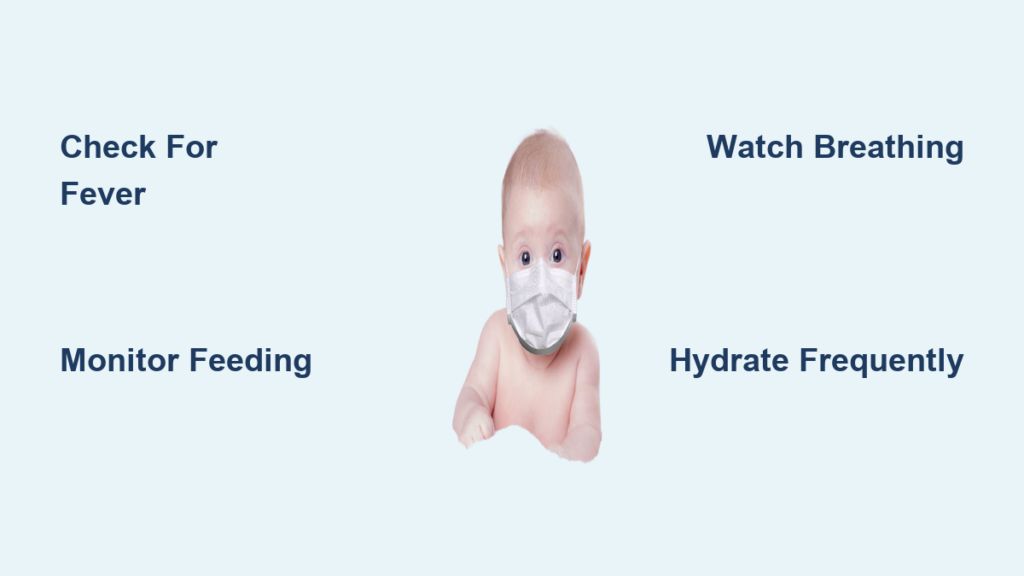
If your baby has tested positive for COVID-19 or is showing signs like fever, irritability, or poor feeding, you’re not alone—and you’re not powerless. While most babies experience mild symptoms, infants—especially those under 6 months—are at higher risk for complications because their immune systems are still developing. The good news is that with careful monitoring, proper hydration, and timely medical guidance, the vast majority of babies recover fully within one to two weeks. Since babies this young can’t yet be vaccinated, their safety depends on your quick action and informed care.
This guide will help you recognize early signs of COVID in babies, provide safe at-home treatment, know when to seek emergency help, and protect your infant from severe illness. You’ll also learn how to prevent future infections through vaccination for older infants and “cocooning” strategies for newborns. Every step you take—from checking for wet diapers to calling your pediatrician at the first sign of fever—can make a meaningful difference in your baby’s recovery.
Spot the Early Signs of COVID in Infants
Babies often show subtle or atypical symptoms of illness, making it harder to detect infection early. Unlike older children, they may not cough or sneeze much, and some may not show any symptoms at all.
What to Look for in Babies Under 1 Year
• Fever (rectal temperature of 100.4°F or higher)
• Poor feeding or refusal to nurse or take a bottle
• Increased fussiness or irritability
• Lethargy or decreased movement and responsiveness
• Runny nose or congestion
• Cough
• Vomiting or diarrhea
Some babies may only have a fever and seem less interested in eating—no cough, no runny nose. Others may be completely asymptomatic but still spread the virus to vulnerable family members.
When to Contact Your Pediatrician Immediately
Even mild symptoms warrant a call to your baby’s doctor. Since flu, RSV, and COVID share similar signs, only testing can confirm the cause. Call your pediatrician if:
• Your baby is under 3 months and has a fever
• Feeding volume drops by more than half
• No wet diaper for 6 or more hours
• Breathing appears faster or labored
Early medical advice helps rule out serious conditions and guides safe care at home.
Confirm the Diagnosis with Proper Testing
Accurate diagnosis ensures your baby gets the right care and prevents unnecessary exposure to others.
How to Use At-Home Rapid Tests Safely
At-home antigen tests are approved for infants. To collect a nasal sample:
1. Lay your baby on their back.
2. Gently insert the swab no more than ½ inch into one nostril.
3. Rotate the swab 3–5 times.
4. Repeat in the other nostril.
Follow the test instructions exactly. If positive, notify your pediatrician—even if symptoms are mild.
When a PCR Test Is Needed
PCR tests are more accurate, especially in babies with low viral loads. Your doctor may recommend one if:
• Symptoms continue despite a negative rapid test
• Your baby was exposed and needs confirmation before visiting high-risk relatives
Testing early protects siblings, caregivers, and grandparents.
Provide Safe and Effective At-Home Care

Most babies with mild COVID recover at home with supportive care focused on comfort, hydration, and symptom relief.
Keep Your Baby Hydrated to Prevent Dehydration
Dehydration is a serious risk in infants. Offer frequent feeds:
• Breastfed babies: Nurse every 2–3 hours
• Formula-fed babies: Stick to regular feeding schedule
• Babies over 6 months: Offer small sips of water between feeds (if approved by your pediatrician)
Watch for signs of dehydration:
• Fewer than 6 wet diapers in 24 hours
• Dry mouth
• No tears when crying
• Sunken soft spot (fontanelle)
Manage Fever Based on Age
For babies under 3 months, do not give acetaminophen or ibuprofen without speaking to your doctor. Instead:
• Dress your baby lightly
• Keep the room cool
• Offer frequent breast milk or formula
• Use a lukewarm sponge bath only if directed by your pediatrician
For babies 3 months and older, your doctor may approve acetaminophen (Tylenol) at the correct dose based on weight.
Clear Nasal Congestion to Help Feeding
Use saline drops and a bulb syringe:
1. Place 1–2 drops of saline in each nostril.
2. Wait 30 seconds.
3. Gently suction mucus with the bulb syringe.
Do this before feeding and bedtime. Avoid overuse to prevent nasal irritation.
Support Rest and Reduce Stress
• Keep your baby in a quiet, dimly lit space
• Hold or cuddle them often—comfort reduces stress
• Avoid loud noises or screen time
Limit visitors and ask household members to wear masks to reduce spread.
Recognize Emergency Warning Signs

Some symptoms require immediate medical attention. Don’t wait—call 911 or go to the ER if your baby:
Shows Signs of Breathing Difficulty
• Fast breathing: More than 60 breaths per minute
• Retractions: Skin pulls in around the ribs or neck with each breath
• Grunting, flaring nostrils, or noisy breathing
• Bluish lips or face (a medical emergency)
These indicate your baby is struggling to get enough oxygen.
Has Altered Mental Status
• Unusually drowsy or hard to wake
• Not responding to touch or voice
• Staring blankly or unresponsive
Infants should be alert when awake. Lethargy can signal worsening illness.
Experiences Persistent or Worsening Symptoms
• Fever lasting more than 5 days
• Worsening cough or congestion
• Refusing all feeds for 8+ hours
These could indicate secondary infections like pneumonia or bronchiolitis.
Understand Risk Factors for Severe Illness
While most babies have mild cases, some are more vulnerable.
Who Is at Higher Risk?
• Babies under 6 months (immature immune system)
• Premature infants (born before 37 weeks)
• Babies with chronic lung disease
• Those with congenital heart conditions
• Infants with weakened immune systems
Even healthy babies can develop severe illness, especially if exposed to unvaccinated household members.
Watch for Croup and Other Complications
COVID can trigger croup, especially in babies and toddlers. Symptoms include:
• Barking cough
• Hoarse voice
• High-pitched sound when breathing in (stridor)
For mild cases, try cool air—open the freezer door or step outside briefly. If stridor occurs at rest, go to the ER.
Long-term issues like long COVID are rare but possible. Lingering fatigue, poor feeding, or sleep issues should be reported to your pediatrician.
Monitor Recovery and Track Progress
Most babies improve within 7–14 days, but recovery continues after symptoms fade.
Keep a Simple Symptom Log
| Day | Fever? | Feeding | Breathing | Behavior |
|---|---|---|---|---|
| 1 | Yes | 80% | Normal | Fussy |
| 2 | No | 90% | Normal | Calmer |
This helps you and your doctor assess healing.
Watch for Long COVID Symptoms
Though uncommon, some babies develop:
• Ongoing fatigue
• Poor weight gain
• Irritability or sleep issues
• Recurrent cough or congestion
If symptoms last beyond 4 weeks, discuss them with your pediatrician.
Resume Normal Activities Safely
Wait until:
• No fever for 24 hours (without medication)
• Baby is feeding well
• Energy levels return to normal
Check daycare policies—many require 5–7 symptom-free days before return.
Prevent Future Infections Through Protection

Since babies under 6 months can’t be vaccinated, protection depends on their environment.
Vaccinate Everyone Around the Baby
• Parents, siblings, caregivers, and grandparents should stay up to date on COVID vaccines
• Pregnant women who get vaccinated pass protective antibodies to their babies
• Breastfeeding mothers who are vaccinated may pass antibodies through breast milk
This strategy is called “cocooning”—surrounding the baby with immune protection.
Practice Daily Prevention Habits
• Wash hands before touching the baby
• Avoid crowded indoor spaces during surges
• Wear masks in high-risk settings (hospitals, public transit)
• Disinfect surfaces like doorknobs, changing tables, and toys
Teach older siblings to cover coughs and wash hands after school.
Vaccinate Eligible Infants to Reduce Risk
Once your baby turns 6 months, vaccination becomes a key protective step.
Start the Vaccine Series on Schedule
• mRNA vaccines (Pfizer, Moderna) are approved for babies 6 months and older
• Requires 2–3 doses, depending on brand and age
• Full protection develops about 2 weeks after the final dose
Talk to your pediatrician about which vaccine is best.
Know the Safety and Side Effects
• Myocarditis is extremely rare in infants and far more likely after actual COVID infection
• Most side effects are mild: sore arm, low-grade fever, fussiness
• Side effects usually resolve within 24 hours
The benefits—preventing hospitalization, MIS-C, and long-term complications—far outweigh the risks.
Stay Current with Boosters
Updated boosters are recommended annually, especially as new variants emerge. Your pediatrician will guide timing based on your baby’s health and exposure risk.
Frequently Asked Questions About Treating COVID in Babies
Can a baby get seriously ill from COVID-19?
Yes, while most babies have mild cases, infants under 6 months and those with underlying conditions are at higher risk for severe illness, including hospitalization. Early care and monitoring are essential.
How do I treat my baby’s fever from COVID?
For babies under 3 months, call your pediatrician before giving any medication. For older babies, acetaminophen may be used at the correct dose. Keep your baby lightly dressed and offer frequent fluids.
When should I take my baby to the ER for COVID?
Go to the ER if your baby has trouble breathing, bluish lips, is hard to wake, or shows signs of dehydration. These are medical emergencies.
Can I continue breastfeeding if I or my baby has COVID?
Yes. Breastfeeding provides protective antibodies. Wear a mask and wash your hands before feeding. If you’re sick, consider pumping and having someone else feed the baby.
How long does COVID last in babies?
Most babies recover within 7–14 days. Some may have lingering symptoms like fatigue or poor feeding. If symptoms last more than 4 weeks, talk to your pediatrician.
Can babies get long COVID?
Yes, though it’s rare. Long COVID in babies may include fatigue, sleep issues, or feeding problems. Report any persistent symptoms to your doctor.
Key Takeaways for Treating COVID in Babies
Most babies recover from COVID with rest, hydration, and close monitoring. Focus on recognizing early symptoms like fever and poor feeding, and contact your pediatrician right away—even for mild signs. Keep your baby hydrated, manage fever safely based on age, and watch for emergency symptoms like trouble breathing or lethargy.
Since babies under 6 months can’t be vaccinated, protect them by ensuring everyone around them is up to date on their shots. Once your baby turns 6 months, start the vaccine series on time. With the right care and prevention steps, your baby can recover safely and continue healthy development.





