
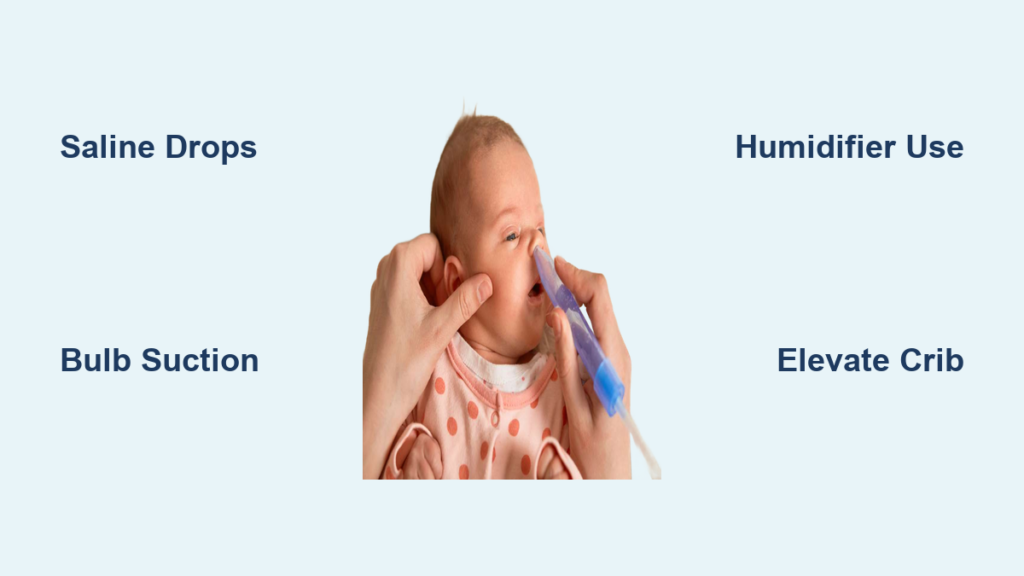
A stuffy nose can make your baby fussy, sleepless, and reluctant to feed. Unlike adults, babies can’t blow their noses or breathe easily through their mouths, so even mild congestion can feel overwhelming. When your little one is struggling to breathe due to a cold, knowing how to decongest a baby safely becomes a top priority. The good news? Most infant colds resolve in 7 to 10 days without medication. But during that time, you can use simple, effective, and doctor-recommended methods to clear nasal blockages and help your baby feel more comfortable. This guide walks you through safe, proven techniques—from saline drops to proper suctioning—and explains what to avoid, so you can support your baby’s recovery with confidence.
Knowing how to decongest a baby doesn’t mean reaching for medicine. It means using gentle, non-invasive tools like saline drops, a bulb syringe, and a cool-mist humidifier. You’ll also learn how hydration, proper sleep positioning, and fever management play key roles. Most importantly, you’ll discover when it’s time to call the doctor. With these practical steps, you can help your baby breathe easier, eat better, and rest more—naturally and safely.
Loosen Mucus with Saline Nasal Drops
Apply Saline Before Feeding or Sleep
Saline nasal drops are a safe, effective way to loosen thick mucus and make breathing easier for your baby. These over-the-counter drops contain only salt and water, making them gentle enough for newborns. Use them before feeding or bedtime to help your baby take in more milk and sleep more soundly.
To use saline drops correctly:
• Lay your baby on their back with their head slightly tilted back.
• Gently place 1–2 drops into each nostril.
• Wait 30 seconds to let the solution soften the mucus.
• Follow with suction using a bulb syringe.
You can use saline drops as often as needed. Avoid medicated sprays unless prescribed by your pediatrician.
Pro Tip: Warm the saline bottle in your hands before use—cold drops can be startling for babies.
Clear Mucus with a Bulb Syringe
Suction One Nostril at a Time
After applying saline, suctioning is the most effective way to remove mucus your baby can’t clear on their own. A bulb syringe helps open nasal passages quickly, especially before meals or sleep.
Follow these steps for safe suction:
1. Squeeze the bulb to remove air before inserting.
2. Insert the tip gently about ¼ to ½ inch into one nostril.
3. Aim toward the back and side of the nose, not straight up.
4. Release the bulb slowly to draw out mucus.
5. Remove and empty the syringe over a tissue.
6. Repeat on the other side.
Suction each nostril as needed, but avoid overuse—this can irritate the nasal lining. Clean the syringe with warm, soapy water after every use.
Warning: Never insert the syringe deeply or force it in. Stop if you see bleeding or increased redness.
Improve Breathing with a Cool-Mist Humidifier
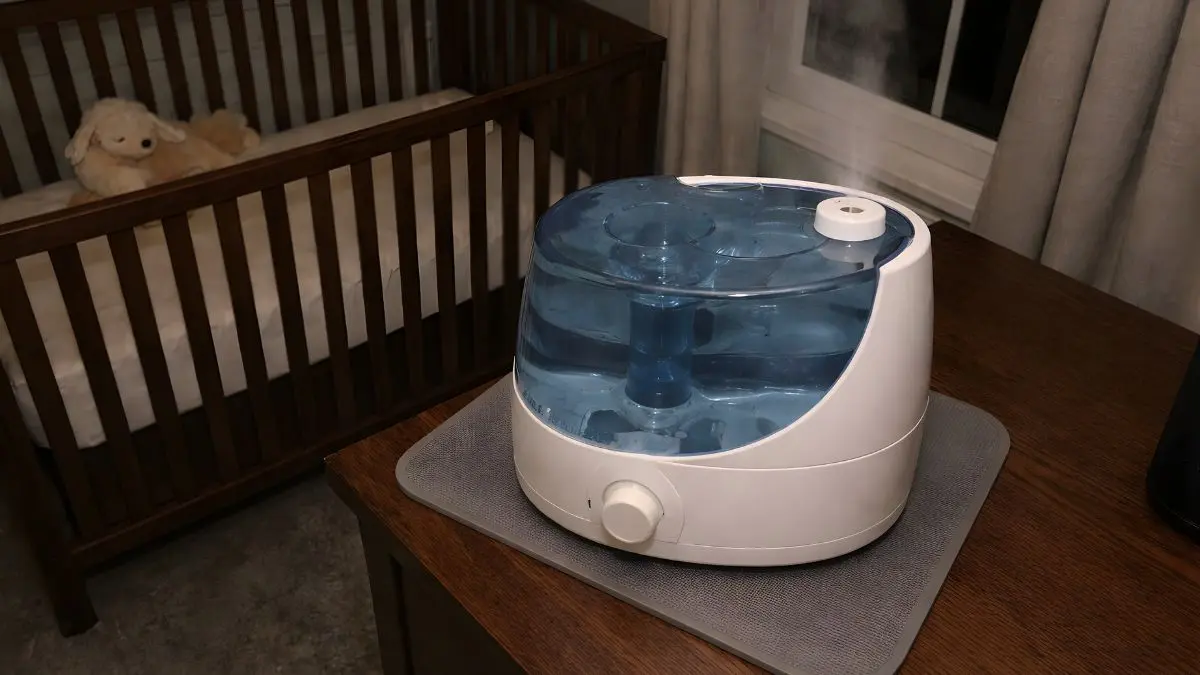
Add Moisture to Your Baby’s Room
Dry air thickens mucus and worsens congestion. A cool-mist humidifier adds moisture to the air, helping your baby breathe more easily—especially at night.
Place the humidifier near the crib (but out of reach) and run it during naps and overnight. Cool mist is safer than warm mist, which can cause burns if spilled.
To keep it safe and effective:
• Change the water daily.
• Clean the unit every 1–2 days with white vinegar or as directed.
• Use distilled water to reduce mineral buildup.
You may notice your baby breathing better within hours of consistent use.
Keep Your Baby Hydrated to Thin Mucus
Offer Breast Milk or Formula Frequently
Hydration helps thin mucus and prevents dehydration—especially important if your baby has a fever or is breathing through their mouth.
For babies under 6 months:
• Stick to breast milk or formula. These provide all the fluids your baby needs.
• Offer feeds more often, even if only small amounts.
For babies 6 months and older:
• Add small sips of water between milk feeds.
Never give water to babies under 6 months—it can lead to water intoxication and disrupt nutrient balance.
Watch for signs of dehydration:
• Fewer than 6 wet diapers in 24 hours
• Dry mouth or lips
• No tears when crying
• Sunken soft spot (fontanelle)
If you notice any of these, contact your doctor immediately.
Elevate the Crib to Help Drainage

Promote Easier Breathing During Sleep
Lying flat can trap mucus in your baby’s nasal passages, making nighttime congestion worse. A slight elevation helps mucus drain and improves airflow.
To elevate safely:
• Place a firm towel or small pillow under the crib mattress.
• Raise the head by 1–2 inches (2.5–5 cm).
• Never place pillows, blankets, or positioners inside the crib.
This small change can reduce coughing at night and help your baby—and you—get more rest.
Important: Always follow safe sleep guidelines. Your baby should sleep on their back on a firm, flat surface.
Avoid Over-the-Counter Cold Medicines
Why Cough and Cold Drugs Are Dangerous for Babies
Cough and cold medicines are not safe for infants and young children. The FDA and pediatric experts strongly warn against using these products in children under 6 years old.
Risks include:
• Rapid heart rate or breathing problems
• Drowsiness, seizures, or life-threatening reactions
• No real benefit—these drugs don’t treat the virus or shorten illness
Even products labeled “infant” or “natural” can be harmful. Stick to safe, non-drug methods like suctioning, saline drops, and hydration.
Never give aspirin to babies or young children recovering from flu-like symptoms or chickenpox—it’s linked to Reye’s syndrome, a rare but serious condition.
Manage Fever Without Overmedicating
Use Fever Reducers Only When Necessary
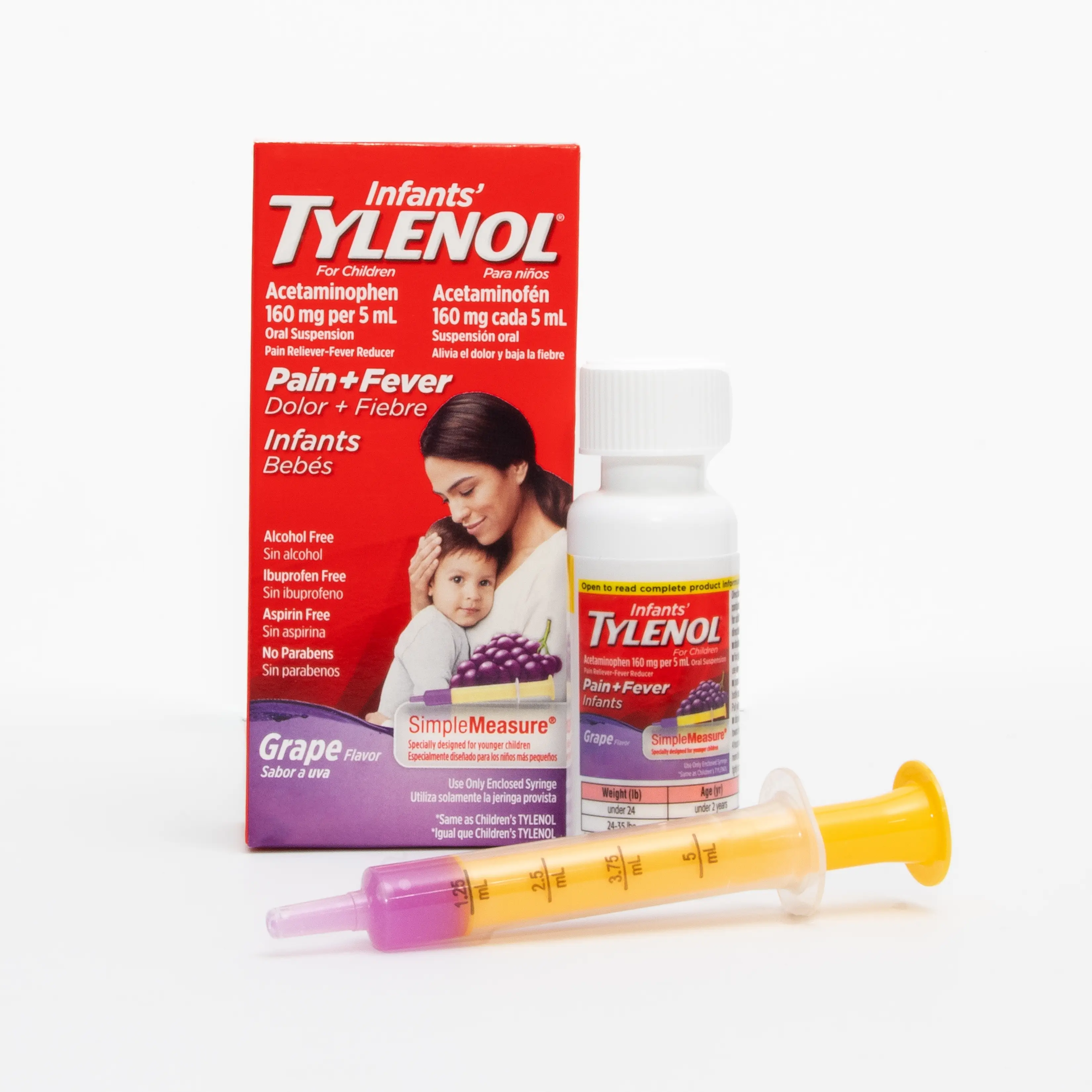
Fever is a sign your baby’s body is fighting the cold virus. A low-grade fever doesn’t always need treatment. But if your baby seems uncomfortable, you can use a fever reducer.
Safe options:
• Acetaminophen (Tylenol): Can be used in babies 2 months and older. Always consult a doctor for infants under 3 months.
• Ibuprofen (Motrin, Advil): Safe for babies 6 months and older. Avoid if your baby is vomiting or dehydrated.
Dosing tips:
• Use the weight-based chart on the label.
• Always use the provided dropper—never a kitchen spoon.
• Call your pediatrician if unsure about the dose.
Use these medicines only as long as needed to relieve discomfort.
Recognize When to Call the Doctor
Watch for Signs of Serious Illness
Most colds are mild, but babies—especially newborns—can get sicker quickly. Contact your pediatrician if your baby has:
• Fever of 100.4°F (38°C) or higher in a baby under 3 months
• Fast breathing, flaring nostrils, or grunting
• Refusing feeds or fewer than 6 wet diapers a day
• Cough lasting more than 2 weeks
• Tugging at ears or showing signs of ear pain
• Symptoms that worsen after 5–7 days
Your doctor may check for bacterial infections like ear infections or pneumonia and rule out other conditions with tests if needed.
Reduce Future Colds with Smart Prevention
Lower Your Baby’s Risk of Congestion
While babies typically get 6–8 colds a year, you can reduce their frequency with simple habits.
Protect your baby by:
• Washing hands before handling your baby
• Avoiding crowded places during cold and flu season
• Keeping baby away from sick people and secondhand smoke
• Breastfeeding, which passes antibodies to your baby
• Cleaning pacifiers and toys regularly
• Using a humidifier in dry winter months
Each cold helps build your baby’s immune system. With time, they’ll get sick less often.
Frequently Asked Questions About Decongesting a Baby
Can I use a nasal aspirator instead of a bulb syringe?
Yes. Nasal aspirators (like NoseFrida) can be more effective than bulb syringes. They use gentle suction from your mouth (with a filter) to remove mucus. Always clean the device after each use and avoid forceful suction.
How often can I suction my baby’s nose?
Limit suctioning to 3–4 times per day. Overuse can irritate the nasal lining and cause swelling, making congestion worse.
Is it normal for my baby to sound congested all the time?
Some babies are naturally “noisy” breathers due to narrow nasal passages. But if congestion affects feeding, sleep, or breathing, take action. Persistent congestion may need medical evaluation.
Can teething cause congestion?
Teething may lead to increased saliva and mild nasal discharge, but it doesn’t cause true congestion or fever. If your baby has a fever, cough, or thick mucus, it’s likely a cold or infection.
What’s the best position for a congested baby to sleep?
Lay your baby on their back with the crib head elevated slightly. This position supports safe sleep and helps mucus drain. Never use pillows or sleep positioners in the crib.
Do steamy bathrooms help with baby congestion?
Yes. Sitting in a steamy bathroom for 10–15 minutes can loosen mucus. Run a hot shower and sit with your baby in the closed bathroom. Don’t place your baby in the hot water—this is a burn risk.
Key Takeaways for Decongesting a Baby Safely
Knowing how to decongest a baby starts with safe, simple methods: saline drops, gentle suctioning, hydration, and a cool-mist humidifier. Elevating the crib slightly and managing fever wisely also help. Most importantly, avoid over-the-counter cold medicines—they’re not safe for infants.
Stick to non-drug remedies, monitor for warning signs, and call your pediatrician if symptoms worsen or your baby is under 3 months with a fever. With consistent care, your baby will breathe easier and recover faster. Always trust your instincts—if something feels off, seek medical advice.





