
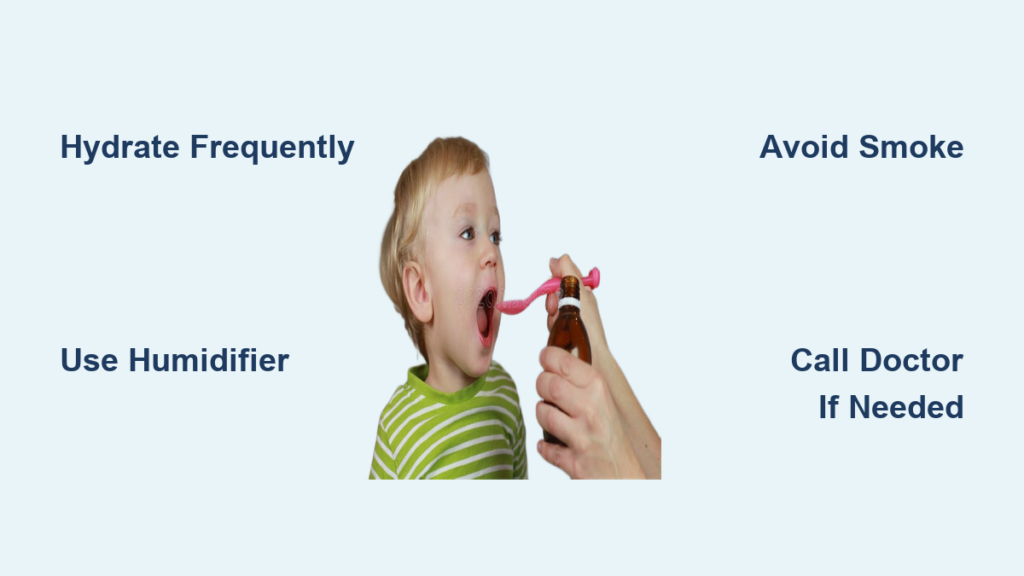
A baby’s cough can be alarming, but most of the time it’s a normal response to a cold or mild respiratory infection. Coughing helps clear mucus and irritants from your infant’s airway, protecting their lungs. For babies under 12 months—especially those under 6 months—any cough should be taken seriously. While many coughs last 2 to 3 weeks and resolve on their own, knowing how to respond safely at home and when to seek help is essential.
You must never give over-the-counter cough medicines to infants, and symptoms like trouble breathing or bluish lips require immediate medical attention. The safest and most effective ways to help your baby include keeping them hydrated, using a cool-mist humidifier, avoiding smoke, and applying doctor-approved techniques like postural drainage and percussion. This guide provides step-by-step, pediatrician-backed strategies to soothe your baby’s cough and recognize when it’s time to call the doctor.
Recognize Emergency Signs in Infants
Call 911 for Life-Threatening Symptoms
If your baby shows any of these signs, call emergency services immediately:
• Struggling to breathe with every breath or unable to cry
• Stopped breathing or lost consciousness
• Bluish lips or face when not coughing
• You believe your baby is in a medical emergency
These symptoms may indicate severe conditions like pneumonia, bronchiolitis, or a blocked airway. Do not wait—seek help right away.
Seek Urgent Medical Care for These Warning Signs
Contact your doctor or go to urgent care if your baby:
• Has mild to moderate trouble breathing
• Experiences nonstop coughing spells lasting over 5 minutes
• Shows bluish lips or face during coughing fits
Even if your baby seems stable, these symptoms require prompt evaluation by a healthcare provider.
Contact Your Pediatrician Within 24 Hours
For babies under 6 months old, any cough warrants a call to the doctor within 24 hours. Also contact your pediatrician if:
• Your baby has an earache or ear drainage
• Fever lasts more than 3 days
• Fever returns after being gone for over 24 hours
• You’re concerned but the situation isn’t urgent
Infants have developing immune systems and are at higher risk for complications.
Use Safe and Effective Home Care Methods
Keep Your Baby Hydrated Frequently
Hydration is the best natural remedy for a baby’s cough. Offer breastmilk or formula more often, even in smaller amounts. Staying hydrated:
• Thins mucus so it’s easier to clear
• Soothes an irritated throat
• Prevents dehydration during illness
If congestion makes feeding difficult, try shorter, more frequent feeds.
Use Warm Mist During Coughing Fits
When your baby has a sudden coughing spell, take them into a bathroom with a hot shower running. Close the door and sit together in the steam for 10–15 minutes. The warm, moist air:
• Relaxes irritated airways
• Loosens thick mucus
• Reduces coughing frequency
Never leave your baby unattended, and ensure the water temperature is safe.
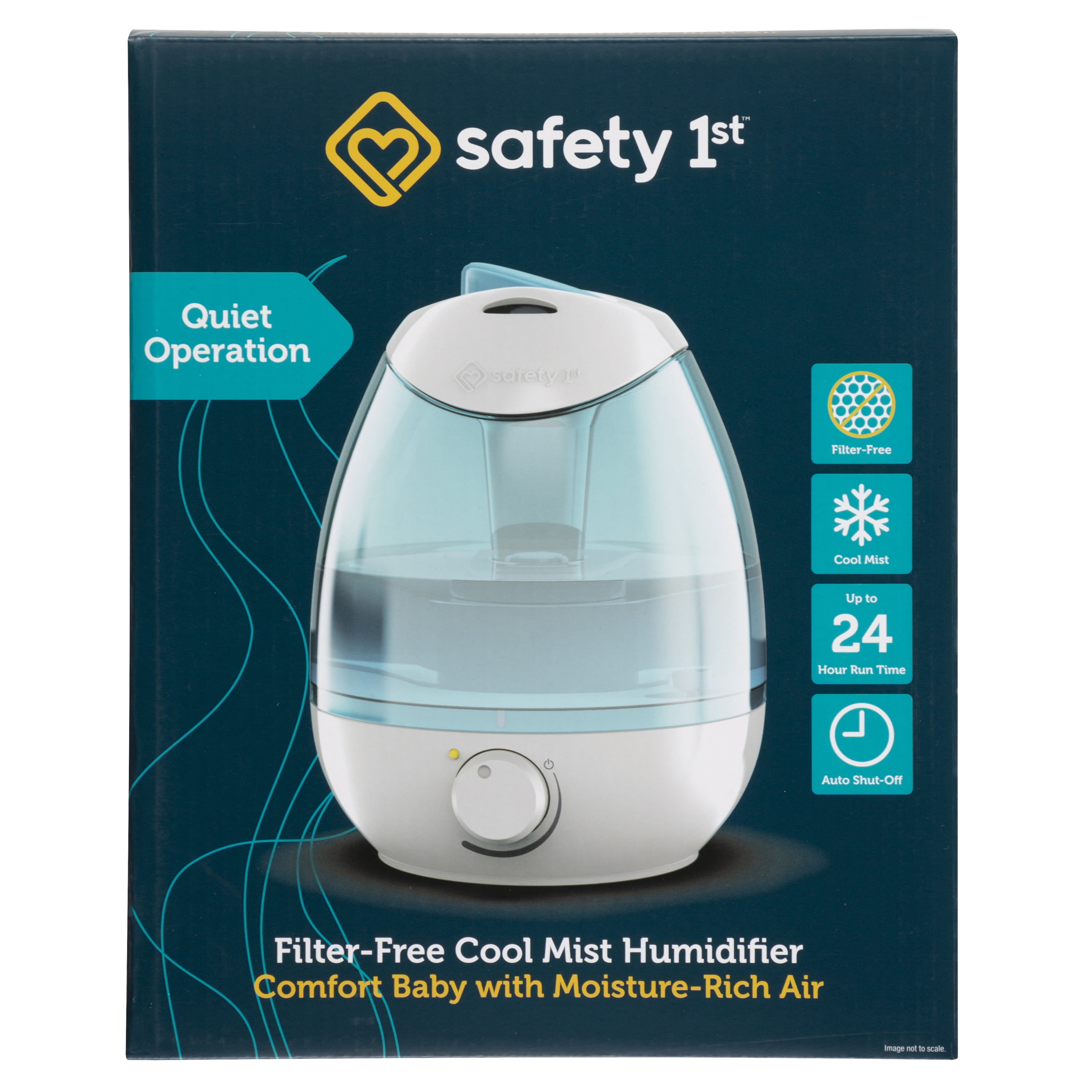
Run a Cool-Mist Humidifier at Night
Dry air worsens coughs, especially at night. Use a cool-mist humidifier in your baby’s room while they sleep. This:
• Keeps nasal passages moist
• Prevents mucus from drying and irritating the throat
• Eases nighttime coughing
Clean the humidifier daily with vinegar to prevent mold and bacteria buildup.
Eliminate Tobacco Smoke Exposure
Tobacco smoke is a major trigger for baby coughs. It:
• Irritates the airway
• Worsens cold and bronchitis symptoms
• Increases the risk of respiratory infections
Ensure no one smokes near your baby, even outside. Secondhand and thirdhand smoke (on clothes, furniture) can still cause harm.
Manage Fever Safely and Appropriately
If your baby has a fever above 102°F (39°C):
• Give acetaminophen (Tylenol) as directed by your doctor
• If your baby is 6 months or older, you may use ibuprofen (Advil, Motrin)
Never give ibuprofen to babies under 6 months.
Note: Fevers below 102°F help fight infection—only treat if your baby is uncomfortable.
Always keep your baby hydrated during a fever.
Avoid Dangerous Over-the-Counter Cough Medicines

FDA Warns Against Cough and Cold Syrups for Infants
Do not give any over-the-counter (OTC) cold or cough medicines to babies under 6 years old. The FDA does not approve these drugs for young children because:
• They offer no real benefit
• Can cause serious side effects like slowed breathing or heart problems
• May lead to overdose due to incorrect dosing
These medicines don’t remove throat tickles or dried mucus—they only mask symptoms.
Use Safer, More Effective Alternatives
Instead of cough syrup, use:
• Nasal saline drops to loosen congestion
• Bulb syringe or NoseFrida to suction mucus
• Humidifier and hydration as primary tools
Saline drops and suctioning are far more effective and safe for infants.
Perform Doctor-Approved Airway Clearance Techniques
Learn Postural Drainage and Percussion
If your baby sounds congested or has a wet cough, your doctor may recommend airway clearance therapy. This includes:
• Postural drainage: Positioning to help mucus drain from specific lung areas
• Percussion: Gentle clapping with a cupped hand to loosen mucus
• Vibration and huffing: Moving mucus upward so it can be coughed out
These techniques are especially helpful for viral bronchitis or bronchiolitis.
Get Trained by a Healthcare Professional
Never attempt these techniques without training. Ask your pediatrician or a respiratory therapist to:
• Show you the correct hand position
• Recommend the best positions for your baby
• Teach you safe timing and pressure
Doing it incorrectly can cause injury or reflux.
Prepare Before Starting Treatment
• Perform treatment before a feeding or at least 1 hour after to avoid vomiting
• Use a thin cloth or light clothing over the skin
• Have tissues, pillows, and a towel ready
• Choose a calm time when your baby is relaxed
Best position for infants: sit in your lap during treatment.
Target Specific Lung Areas With Positional Drainage
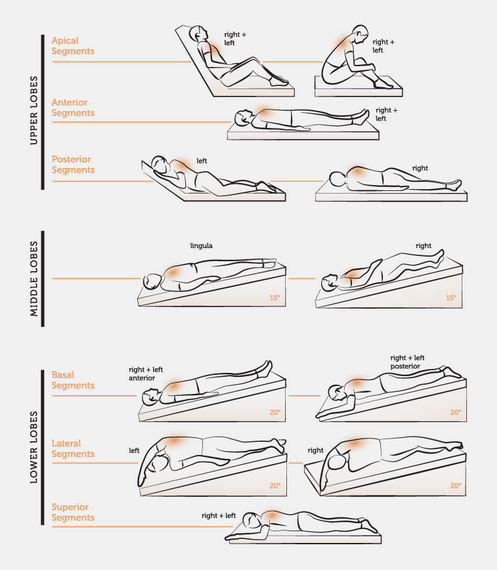
Drain Upper Lobes (Back)
For mucus in the upper back of the lungs:
• Sit with baby facing away, resting on your chest
• Lean back slightly (~30 degrees)
• Use a cupped hand to gently clap between the spine and shoulder blade
• Clap for 1 to 3 minutes per side
You should hear a hollow “pop”—not a slap. Adjust hand shape if needed.
Drain Upper Lobes (Front)
For front upper lung mucus:
• Hold baby with back against your chest, leaning back slightly
• Clap gently between the collarbone and nipple
• Cover the area with a thin cloth
• Clap for 1 to 3 minutes per side
Support your baby’s head and neck throughout.
Drain Lower Lobes (Sides)
To clear mucus from the sides of the lungs:
• Lay baby on their side across your lap
• Keep head and body flat—never head-down
• Clap gently below the armpit
• Clap for 1 to 3 minutes per side
This position helps avoid stomach reflux.
Drain Lower Lobes (Back)
For lower back lung areas:
• Lay baby on their stomach across your lap
• Keep body flat
• Clap gently over the lower ribs
• Use a cupped hand and steady rhythm
• Clap for 1 to 3 minutes per side
Support the baby’s head and ensure they’re comfortable.
Drain Lower Lobes (Front)
To target the front lower lungs:
• Lay baby on their back across your lap
• Clap gently on the chest below the nipple
• Use a cupped hand, light force
• Clap for 1 to 3 minutes per side
Avoid pressing on the belly.
Complete the Full Airway Clearance Routine
Apply Vibration During Exhalation
After clapping in each position:
• Help baby take a deep breath in
• As they breathe out, place a flat hand on the clapped area
• Apply light pressure and quickly vibrate your arm and shoulder
• This helps move mucus upward
For infants, you can do this during natural breathing.
Encourage Huffing and Coughing
After vibration, help your baby “huff”:
• A huff is a forceful breath out through an open mouth
• Like fogging up a mirror
• Helps bring mucus higher in the airway
Infants can’t do this on command, but the motion happens naturally after stimulation.
If mucus comes up, wipe it gently with a tissue.
Treatment Duration and Frequency
• Each session takes 15 to 40 minutes, depending on needs
• For infants with mild congestion: 1 to 3 minutes per position
• Perform once or twice daily if recommended by your doctor
• Continue even if you don’t see mucus—prevention matters
Consistency improves lung function over time.
Monitor Recovery and Know When to Call the Doctor
Expected Cough Duration
Most baby coughs from colds last 2 to 3 weeks. This is normal. Don’t expect a quick fix—your baby’s immune system is still developing.
However, contact your doctor if:
• Cough lasts more than 3 weeks
• Runny nose continues beyond 14 days
• Coughing causes vomiting 3+ times
These may signal a secondary infection or allergy.
Watch for Worsening Symptoms
Even if your baby seemed fine at first, call your doctor if they:
• Start wheezing
• Develop new trouble breathing
• Become lethargic or hard to wake
• Refuse feeds or show signs of dehydration
Trust your instincts—if your baby seems “off,” get them checked.
Prevent Future Coughs in Babies
Maintain a Smoke-Free Environment
Eliminate all tobacco exposure:
• No smoking inside the home or car
• Wash hands and change clothes after smoking
• Ask visitors to do the same
This reduces coughs, ear infections, and asthma risk.
Keep Indoor Air Clean and Moist
• Use HEPA air purifiers if you live in a polluted area
• Avoid strong fumes (paint, cleaning sprays, incense)
• Keep humidity between 40–60% to prevent dry air irritation
Support Your Baby’s Immune System
• Stick to on-schedule vaccinations, including flu and RSV prevention (if eligible)
• Breastfeed if possible—antibodies in breastmilk protect against respiratory illness
• Practice good hand hygiene for everyone around the baby
Frequently Asked Questions About Baby Cough
When should I worry about my baby’s cough?
Call your doctor within 24 hours if your baby is under 6 months old. Seek urgent care if they have trouble breathing, nonstop coughing, or bluish lips. Any cough in a young infant should be evaluated promptly.
Can I give my baby cough medicine?
No. The FDA warns against giving over-the-counter cough or cold medicines to children under 6 years old. These drugs offer no benefit and can cause serious side effects in infants.
How can I help my baby cough up mucus?
Use nasal saline drops and a bulb syringe to clear congestion. Ask your doctor about airway clearance techniques like postural drainage and percussion, which help loosen and move mucus.
Is it normal for a baby’s cough to last 3 weeks?
Yes, viral coughs often last 2 to 3 weeks. However, if the cough persists beyond 3 weeks, contact your pediatrician to rule out secondary infections or allergies.
What home remedies are safe for a baby’s cough?
Safe remedies include frequent breastfeeding or formula, using a cool-mist humidifier, warm mist from a shower, and keeping your baby away from smoke. Never use honey, essential oils, or OTC medicines.
Can steam help a baby’s cough?
Yes. Sitting in a steamy bathroom with a hot shower running for 10–15 minutes can relax airways and loosen mucus during coughing fits. Always supervise your baby closely.
Key Takeaways for Managing Baby Cough Safely
Most baby coughs are harmless and resolve with time and supportive care. Never use OTC cough medicines, and always call the doctor for infants under 6 months. Use hydration, humidifiers, and professional airway techniques to help your baby breathe easier. If you see trouble breathing, bluish lips, or nonstop coughing, seek emergency care immediately. With the right approach, you can safely manage your baby’s cough and support a full recovery.





