
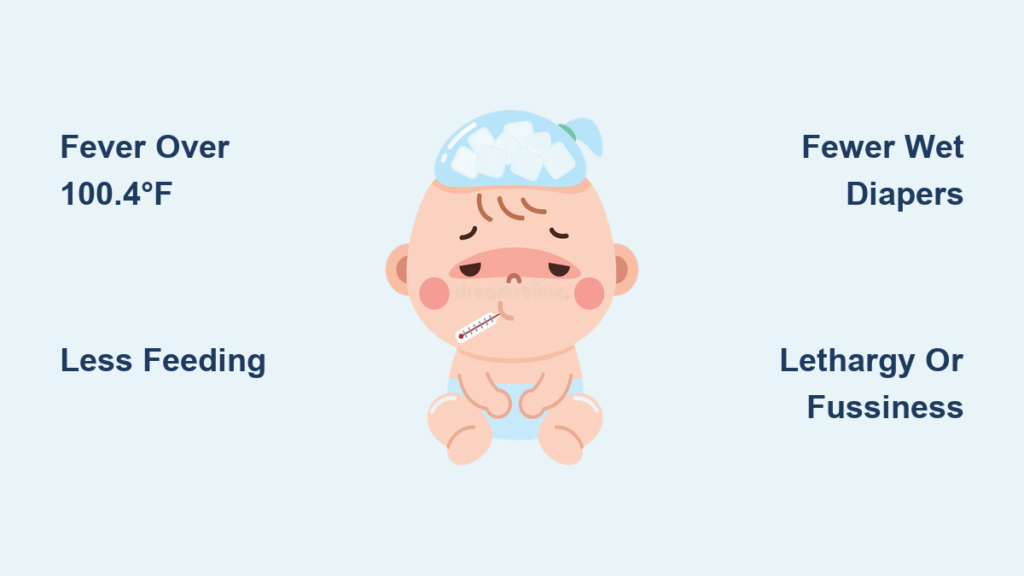
Babies can’t tell you when they’re feeling unwell, so spotting the early signs of illness falls to you. Knowing how to tell if baby is getting sick is crucial, especially in the first year when their immune system is still developing. Subtle changes in behavior, feeding, sleep, or appearance may be the only clues. Catching these signs early can prevent a minor issue from becoming serious and ensure your baby gets the care they need fast.
This guide will help you recognize the warning signs of illness by age, understand which symptoms are red flags, and know when to call the doctor. You’ll learn how to monitor your baby at home, distinguish normal baby behavior from true illness, and trust your instincts. With the right knowledge, you can respond quickly and confidently to keep your baby safe and healthy.
Spot the Earliest Behavioral Changes
Illness in babies often starts with shifts in behavior before any physical symptoms appear. Since babies can’t verbalize discomfort, they show it through how they act. Recognizing your baby’s normal patterns—how they cry, respond to you, and interact—helps you catch deviations early.
Even small changes matter. A usually alert baby who now seems dazed or uninterested may be coming down with something. Trust your gut—if your baby seems “off,” it’s worth paying attention.
Watch for Unusual Crying or Irritability
Crying is normal, but a sudden change in crying patterns can signal illness.
Look for:
• Crying that’s more intense or lasts longer than usual
• Crying that doesn’t stop with feeding, rocking, or burping
• High-pitched or weak cries, which may indicate pain or fatigue
• A baby who normally quiets easily but now stays fussy
Persistent, inconsolable crying—especially if it comes in waves—can point to issues like colic, ear infections, or gastrointestinal discomfort.
Notice Reduced Alertness or Interaction
A healthy baby responds to sounds, faces, and voices. When illness sets in, that engagement may fade.
Red flags include:
• Less eye contact or no social smiling
• Not reacting to your voice or favorite toys
• Appearing “spacey” or staring blankly
• Not waking up for feeds or hard to rouse
A baby who seems unusually drowsy or “floppy” needs immediate evaluation.
Track Feeding and Diaper Habits Closely

Feeding and wet diapers are reliable indicators of your baby’s health. Babies need consistent nutrition and hydration, so any drop in intake or output can signal illness—especially in newborns.
Even a slight change over 24 hours can matter. Monitoring these habits helps you catch problems before they worsen.
Identify Feeding Red Flags
Changes in eating are often the first sign your baby is getting sick.
Be concerned if your baby:
• Refuses feeds or takes less than half the usual amount
• Falls asleep quickly during feeding due to low energy
• Shows weak sucking or poor latch
• Vomits more than once or forcefully
In babies under 3 months, skipping two feeds in a row is a reason to call the doctor.
Count Wet and Dirty Diapers
Fewer wet diapers mean possible dehydration.
Normal output:
• At least 6 wet diapers in 24 hours
• 3–4 bowel movements daily (for newborns)
Fewer than 4 wet diapers in a day, dry mouth, or no tears when crying are signs of dehydration and need prompt attention.
Detect Physical Signs of Illness
Physical symptoms can confirm whether your baby is getting sick. Some are mild, but others require urgent care. Learn what each sign means and how to respond.
Always check symptoms in context—fever with alertness may be less concerning than lethargy with no fever.
Take Temperature the Right Way
For accuracy, use a digital rectal thermometer in babies under 3 months.
Temperature guide:
• Normal: 98.6°F (37°C)
• Low-grade: 99–100.3°F (37.2–37.9°C)
• Fever: 100.4°F (38°C) or higher
Critical: Any fever of 100.4°F or above in a baby under 2 months old requires immediate medical care.
For older babies, monitor fever trends and combine with other symptoms to decide next steps.
Monitor Breathing Patterns
Breathing changes are serious warning signs.
Normal rates:
• Newborns: 40–60 breaths per minute
• 6–12 months: 30–50 breaths per minute
Seek help if you see:
• More than 60 breaths per minute
• Flaring nostrils or grunting
• Skin pulling in between ribs (retractions)
• Wheezing or coughing that disrupts sleep or feeding
Even mild congestion can make breathing and feeding hard for babies.
Check Skin Color and Rashes
Skin appearance can reveal infection or oxygen issues.
Watch for:
• Pale, blotchy, or blue-tinged skin—especially around lips
• A rash with fever or one that doesn’t fade when pressed
• Yellowing skin or eyes after the first week (jaundice)
• Swelling or puffiness in face, hands, or feet
A non-blanching rash (doesn’t turn white when pressed) could indicate sepsis and needs emergency care.
Know the Red Flags by Baby’s Age
A symptom that’s mild in an older infant can be dangerous in a newborn. Age determines how seriously to take each sign.
Newborns (0–4 Weeks): Act Fast
Newborns can’t fight infections well. Even small symptoms can escalate quickly.
Call the doctor immediately if your newborn:
• Has a fever of 100.4°F or higher
• Isn’t feeding well or skips two feeds
• Is hard to wake or unusually sleepy
• Has any cough or breathing trouble
• Vomits (not just spitting up)
• Has fewer than 6 wet diapers in 24 hours
• Develops a rash with fever
When in doubt, call. It’s always better to be safe.
Infants (1–3 Months): Stay Alert
Babies in this range are still vulnerable.
Seek medical advice if:
• Fever reaches 100.4°F or higher
• Baby is unusually fussy or hard to console
• Feeding drops by more than half
• Sleep changes drastically
• Cold symptoms last over 5 days
UTIs and other hidden infections can occur without obvious signs.
Older Babies (3–12 Months): Easier to Gauge
By 3 months, babies handle mild illness better.
Still, watch for:
• High fever lasting over 24–48 hours
• Ear tugging with fussiness (possible ear infection)
• Diarrhea lasting more than 2 days
• Signs of dehydration: dry mouth, no tears, sunken soft spot
You’ll learn what’s normal and what needs a call to the doctor.
When to Seek Immediate Medical Help
Some symptoms mean you should act fast. Don’t wait to see if things improve.
Go to the ER for These Signs
Seek emergency care if your baby:
• Has trouble breathing or stops breathing for more than 10 seconds
• Turns blue around the lips or face
• Is limp, floppy, or unresponsive
• Has a seizure
• Shows severe dehydration (no wet diapers for 8+ hours, sunken eyes)
• Has a bulging or sunken soft spot with vomiting or lethargy
These are life-threatening and need urgent treatment.
Call Your Pediatrician Within Hours If
Contact your doctor if:
• Baby has a fever and is under 3 months
• Fever is over 104°F at any age
• Vomiting happens more than 2–3 times
• Diarrhea contains blood or mucus
• Rash spreads fast or looks bruise-like
• Baby is unusually sleepy or hard to wake
• Feeding is significantly reduced
Most pediatric offices have after-hours lines for urgent concerns.
Monitor Your Baby at Home the Right Way
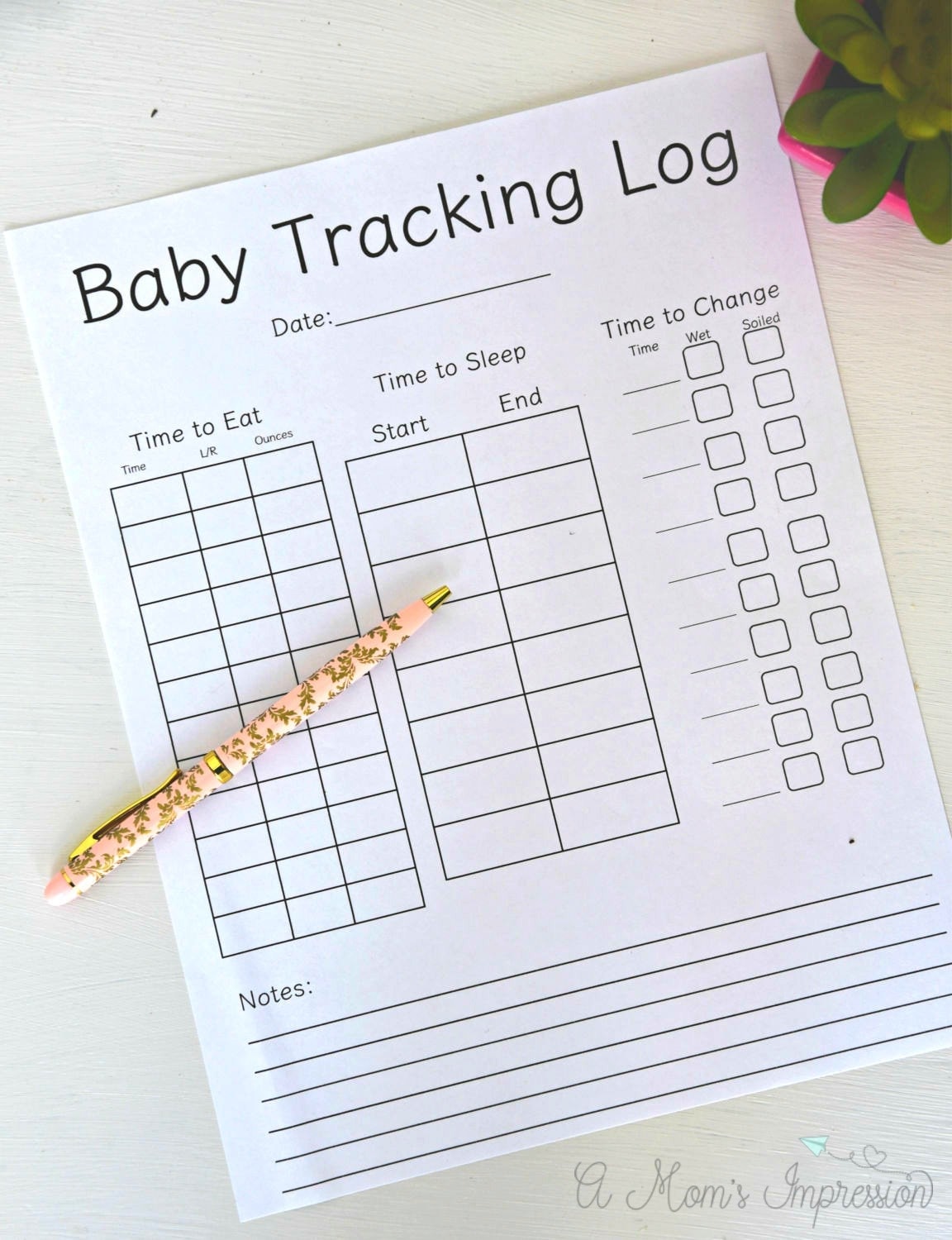
Many mild illnesses can be managed at home—but only with close, active monitoring.
Keep a Daily Symptom Log
Write down:
• Temperature (time and reading)
• Number of wet and dirty diapers
• Feeding amounts and frequency
• Sleep patterns
• New symptoms (cough, rash, etc.)
This helps you track changes and gives your doctor clear info if you call.
Use the TIC Rule: Tone, Interaction, Consolability
Doctors assess sick babies using three key signs:
• Tone: Does baby move normally, or are they stiff or floppy?
• Interaction: Do they respond to you or seem engaged?
• Consolability: Can you soothe them, or do they cry nonstop?
If any of these are off, it’s time to call the doctor.
Trust Your Parental Instinct
You know your baby best. If something feels wrong—even without clear symptoms—call your doctor. Pediatricians take parental concern seriously. It’s always better to check and be reassured than to wait.
Frequently Asked Questions About How to Tell if Baby Is Getting Sick
How do I know if my baby is getting sick and not just fussy?
Fussiness comes and goes, but illness often causes consistent changes. If your baby is unusually irritable, not feeding well, sleeping more or less than normal, or has a fever, it’s likely illness. Trust your instincts—if the fussiness feels different, it probably is.
What are the first signs a baby is getting sick?
Early signs include changes in behavior (more fussy or less alert), feeding less, sleeping more or less than usual, and fever. Reduced interaction, fewer wet diapers, and breathing changes are also early warnings.
When should I worry about my baby’s fever?
For babies under 2 months, any fever of 100.4°F or higher is an emergency. For older babies, call the doctor if fever is over 104°F, lasts more than 24–48 hours, or is accompanied by lethargy, vomiting, or rash.
Can a baby be sick without a fever?
Yes. Some babies, especially newborns, may be seriously ill without a fever. Look for poor feeding, lethargy, breathing issues, or changes in skin color. Fever is just one sign—behavior and hydration matter just as much.
How can I check if my baby is dehydrated?
Signs include fewer than 6 wet diapers in 24 hours, dry mouth, no tears when crying, sunken soft spot, and lethargy. If you notice these, contact your doctor right away.
Is it normal for a sick baby to sleep more?
Yes, extra sleep is common when fighting illness. But if your baby is hard to wake for feeds, doesn’t respond when awake, or seems unusually limp, seek medical help immediately.
Key Takeaways for Recognizing Baby Illness Early
Knowing how to tell if baby is getting sick starts with knowing your baby’s normal behavior. Watch for changes in feeding, sleep, activity, and appearance. Use the TIC rule—tone, interaction, consolability—to assess severity. For newborns, any fever or feeding issue requires a call to the doctor. Keep a symptom log and trust your gut. When in doubt, reach out. Early action protects your baby’s health and gives you peace of mind.





