
Babies can’t blow their noses, and when congestion hits, it makes breathing, feeding, and sleeping a struggle. Saline drops are a safe, gentle solution to loosen mucus and help your infant breathe more easily. When used correctly—especially before meals or bedtime—saline drops can significantly improve your baby’s comfort. In many cases, the drops alone loosen enough mucus to avoid suctioning entirely. But when needed, pairing saline with a proper nasal aspirator boosts results. This guide walks you through the exact steps, tools, timing, and safety tips to use saline drops on your baby with confidence.
You’ll learn how to position your baby, choose the right saline product, apply drops safely, and decide when suctioning is necessary. We’ll also cover common mistakes, cleaning routines, and when to call the doctor—so you can care for your congested baby effectively and calmly.
Best Time to Use Saline Drops
Before Feeding
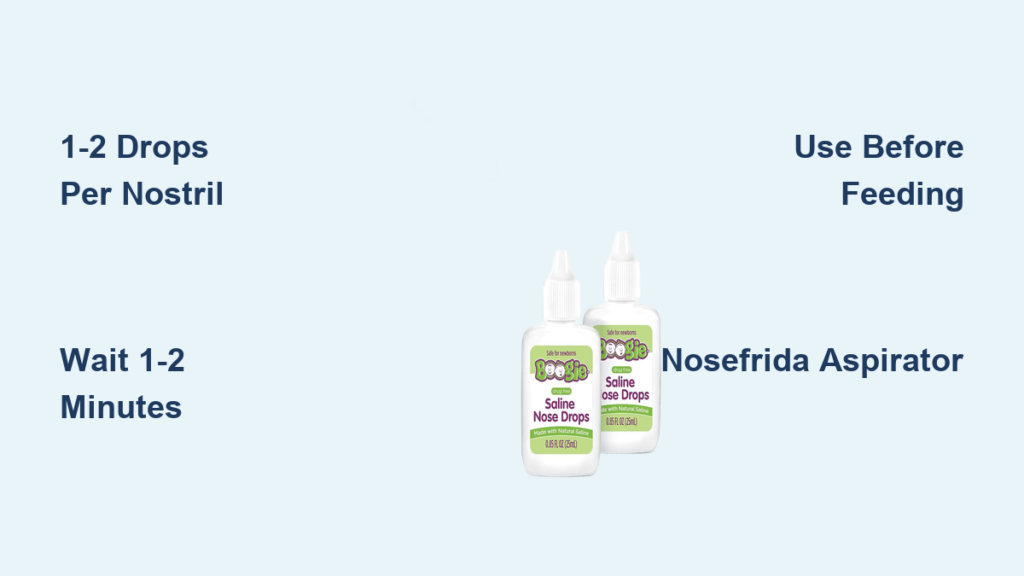
Use saline drops before every feeding if your baby is congested. A clear nose helps them suck and swallow without struggling to breathe. Administer 1–2 drops in each nostril, wait 1–2 minutes, then feed. You’ll likely notice your baby eats more comfortably and finishes feeds more easily.
Before Bedtime
Clear your baby’s nose before putting them down to sleep. Congestion can cause frequent wake-ups or restless sleep. Using saline drops helps them breathe easier through the night. Pair this with a cool-mist humidifier for even better results.
Avoid Overuse
Don’t suction more than 3–4 times per day. Over-suctioning can irritate the delicate nasal lining, leading to swelling or minor bleeding. You can use saline drops as often as needed, but only suction when you see or hear a blockage.
Choosing the Right Saline Solution
Drops vs. Spray
Always choose saline drops, not spray. Drops are gentler and deliver a controlled amount into your baby’s tiny nostrils. Sprays can be too forceful and may push mucus deeper or irritate nasal tissue.
Over-the-Counter Options
Saline drops are available without a prescription at pharmacies, supermarkets, and stores like Target or Walgreens. Trusted brands include Little Remedies, Afrin Baby, and Hydrasense. They’re all safe, sterile, and effective for infants.
Make Your Own? Not Recommended
While homemade saline solutions exist, they carry infection risks if not mixed perfectly. Stick to sterile, store-bought drops to keep your baby safe and avoid contamination.
How to Apply Saline Drops
Position the Baby Safely
Lay your baby flat on their back on a changing table, bed, or in your lap. Keep one hand free to hold them gently in place. If they wiggle a lot, swaddle them lightly in a blanket to prevent sudden movements.
Administer 1–2 Drops per Nostril
Squeeze 1–2 drops into one nostril, then repeat in the other. Some parents find it works better to hold the bottle without squeezing—let gravity release the drop slowly. This gentle method reduces discomfort.
• Pro Tip: Warm the bottle in your hand for a few minutes. Cold drops can startle your baby.
Wait 1–2 Minutes
Let the saline sit for 1–2 minutes. This gives time for the solution to soften and loosen thick mucus. Often, the mucus will drain out on its own—no suction needed.
When and How to Suction

Skip Suction If Possible
Many parents report that saline drops alone are enough. If your baby starts breathing easier or mucus drains naturally, skip suctioning. Less intervention means less stress for both of you.
Use a Nasal Aspirator, Not a Bulb Syringe
If suction is needed, skip the bulb syringe. Most parents say it doesn’t work well. Instead, use a nasal aspirator like NoseFrida. It’s more effective and safer when used correctly.
Why NoseFrida Works Better
• Uses gentle suction from your mouth
• Has a disposable filter that blocks mucus from entering your mouth
• Reaches deeper without touching sensitive tissue
• Gets better results in less time
Step-by-Step Suctioning with NoseFrida
Assemble the Device
Check that all five parts are present:
• Nasal tip
• Filter cap
• Disposable filter
• Tube
• Mouthpiece
Insert a new disposable filter every time. Never reuse filters.
Apply Saline First
Put 1–2 drops in one nostril. Wait 1–2 minutes. Repeat in the other nostril.
Create a Seal and Suction
- Place the mouthpiece in your mouth
- Gently press the nasal tip around the outside of your baby’s nostril—don’t insert it
- Suck gently through the mouthpiece to draw mucus out
- Stop as soon as you see mucus in the tube
- Remove the tip and blow out through the mouthpiece into a tissue
• Warning: Never insert the tip into the nostril. This can injure the nasal lining.
Repeat as Needed
Switch to the other nostril if still blocked. Replace the filter after each use.
Cleaning and Maintenance

After Every Use
Take the aspirator apart:
• Throw away the used filter
• Wash the nasal tip, tube, mouthpiece, and cap with hot, soapy water
• Rinse well and air dry completely before reassembling
Bulb Syringe Care
If you use a bulb syringe:
• Squeeze and rinse with hot, soapy water after each use
• Let it dry fully—moisture breeds bacteria
• Replace if it becomes cloudy or cracked
Common Mistakes to Avoid
Inserting Tools Too Deeply
Never push the bulb syringe or aspirator tip into the nostril. Babies’ nasal passages are tiny. Just seal the outside of the nostril.
Suctioning Too Hard or Too Often
Aggressive suction causes irritation and swelling. Use gentle, short pulls and limit suctioning to 2–3 times per day.
Skipping the Wait Time
Don’t suction immediately after drops. Wait at least 1–2 minutes for the saline to work. Rushing reduces effectiveness.
Using Expired or Contaminated Products
Check the saline bottle’s expiration date. Discard if cloudy or discolored. Never share aspirators between babies.
Signs It’s Working
Immediate Results
• Baby breathes more easily
• Noisy breathing (like snorting) decreases
• Feeds longer and more calmly
• Sleeps more soundly
When to See a Doctor
Contact your pediatrician if:
• Congestion lasts more than 7–10 days
• Baby has a fever over 100.4°F (38°C)
• Mucus is yellow or green and thick for several days
• Baby shows signs of ear pain or breathing trouble
• Note: Clear, runny mucus is normal with colds. Thick, discolored mucus may signal infection.
Parent-Tested Tips and Shortcuts
Warm the Room
Use a cool-mist humidifier in your baby’s room. Moist air keeps mucus loose and makes saline drops work better.
Elevate the Crib Slightly
Place a towel under the mattress to tilt the crib head-up slightly. This helps mucus drain naturally—especially at night.
Try Saline Before Every Feed
Make it a routine. Even if your baby seems only slightly stuffy, a drop or two can prevent feeding struggles.
Comfort After Suctioning
Your baby may cry—this is normal. Cuddle, rock, or offer a feed afterward. They’ll calm down quickly once they can breathe.
Upgrade Your Tools
If the bulb syringe frustrates you, switch to NoseFrida. Parents consistently report better results and less stress.
Frequently Asked Questions About Using Saline Drops on Baby
Can I use saline drops every day on my baby?
Yes, you can use saline drops daily as needed. They are safe and non-medicated. Just avoid suctioning more than 3–4 times a day to prevent irritation.
How many drops should I put in each nostril?
Use 1–2 drops per nostril. More than that isn’t necessary and may cause discomfort or drainage into the throat.
Do saline drops help a baby sleep better?
Yes. Clearing nasal congestion with saline drops before bedtime helps babies breathe easier, leading to longer, more restful sleep.
Should I suction before or after feeding?
Suction before feeding so your baby can eat comfortably. Avoid suctioning right after feeding to prevent vomiting.
Can I make my own saline solution for my baby?
No. Homemade saline carries infection risks if not mixed perfectly. Always use sterile, store-bought drops to keep your baby safe.
Why is my baby crying after using saline drops?
Crying is normal. The sensation of drops and suction can be startling. Comfort your baby with cuddles, rocking, or feeding—they’ll calm quickly.
Key Takeaways for Using Saline Drops on Your Baby
• Use 1–2 saline drops per nostril before feeding or bedtime
• Wait 1–2 minutes after drops to let mucus loosen
• Skip suction if breathing improves—drops alone often work
• Use a NoseFrida instead of a bulb syringe for better results
• Never insert tools into the nostril—seal the outside only
• Clean all tools with hot, soapy water and dry completely
Start with saline drops and give them time to work. Most babies respond well without suction. When needed, use gentle tools and techniques to avoid irritation. With the right routine, you can help your baby breathe, eat, and sleep more comfortably—naturally and safely.





