

Your baby just threw up—again. You’re worried, maybe a little panicked. Is this normal? Could it be serious? Most of the time, baby vomiting is harmless and resolves within hours. But knowing how to stop baby vomiting safely—and when to seek help—can ease your fears and protect your little one.
Vomiting in babies is common, especially in the first year. It’s often caused by mild viral infections, overfeeding, or reflux. The good news? With the right steps, you can reduce vomiting episodes, prevent dehydration, and help your baby feel better fast. This guide gives you clear, actionable strategies to manage vomiting at home, recognize red flags, and prevent future episodes—based on trusted medical guidance.
Assess Vomiting Severity First
Before trying remedies, determine if your baby’s vomiting is mild or a sign of something serious. Not all vomiting needs intervention, but knowing the difference keeps your baby safe.
Mild vs. Severe Vomiting
- Mild: 1–2 episodes in 24 hours, baby is alert, feeding well between episodes
- Moderate: 3–7 episodes/day, some fussiness, but still responsive
- Severe: 8+ times/day, projectile (forceful) vomiting, or vomiting everything
If your baby is vomiting 8 or more times a day or can’t keep any fluids down for over 8 hours, act quickly. Severe vomiting increases dehydration risk.
Watch for Emergency Signs
Seek immediate medical care if your baby:
– Vomits green or yellow bile
– Has blood in vomit (bright red or coffee-ground appearance)
– Is lethargic, floppy, or hard to wake
– Shows signs of dehydration (no wet diaper in 8+ hours, dry mouth, no tears)
These symptoms may signal pyloric stenosis, infection, or intestinal blockage—conditions needing urgent treatment.
Keep Baby Upright After Feeding
One of the fastest ways to reduce vomiting—especially reflux—is positioning.
Hold Upright for 20–30 Minutes
After every feed, hold your baby in an upright position (over your shoulder or in your lap) for 20 to 30 minutes. This uses gravity to keep milk in the stomach and reduces regurgitation.
- Why it works: Babies have an immature lower esophageal sphincter; staying upright prevents stomach contents from flowing back.
- Tip: Avoid bouncing, vigorous play, or laying baby flat right after feeding.
Elevate Head During Feeding
Ensure your baby’s head is slightly higher than their stomach during and after feeding:
– Use a feeding pillow
– Tilt the bottle so milk fills the nipple (reduces air swallowing)
– Avoid tight clothing around the waist—pressure can push stomach contents up
Offer Small, Frequent Fluids

Hydration is the top priority. Large amounts of liquid can trigger more vomiting. Instead, give tiny sips often.
For Breastfed Babies
- If baby vomits once: Nurse for half the usual time every 1–2 hours
- If vomiting more than once: Nurse 5 minutes every 30–60 minutes
- After 4 hours without vomiting, return to normal feeding
If vomiting continues, switch to spoon or syringe feeding with pumped breast milk—1–2 teaspoons (5–10 mL) every 5 minutes.
For Formula-Fed Babies
- After vomiting, give smaller amounts more frequently
- Offer 1 ounce (30 mL) every 30–60 minutes
- If vomiting persists, switch to oral rehydration solution (ORS) like Pedialyte for a few hours
Never dilute formula—this can cause electrolyte imbalances.
Use Oral Rehydration Solution (ORS)
ORS (e.g., Pedialyte, store brands) replaces lost fluids and electrolytes.
When to Use ORS:
- Baby vomits more than once
- Signs of early dehydration (fewer wet diapers, dry lips)
- Formula-fed babies not keeping feeds down
How to Give:
- Infants: 1–2 tsp (5–10 mL) every 5 minutes
- Older babies: Small sips every 10–15 minutes
- If baby vomits the ORS, wait 15–20 minutes, then try again with smaller amounts
Stop and call your doctor if baby can’t keep ORS down for 3+ attempts.
Stop Solid Foods Temporarily
If your baby is on solids, pause them during active vomiting.
Avoid Solids Until Vomiting Stops
- Solids are harder to digest and may worsen nausea
- Wait 8 hours without vomiting before reintroducing food
Reintroduce Gently
Start with bland, starchy foods:
– Rice cereal
– Toast or crackers
– Pureed apples or pears
Avoid acidic, spicy, or fatty foods (e.g., citrus, tomatoes, dairy beyond breast milk/formula).
For 6-month-olds, introduce one new food at a time and wait 3–5 days to monitor for reactions—food intolerances can trigger vomiting.
Prevent Overfeeding
Overfeeding is a top cause of spitting up and vomiting in newborns.
Feed Smaller Amounts More Often
Instead of large feeds, give smaller portions every 2–3 hours.
- A newborn’s stomach is the size of a walnut at birth—easily overwhelmed
- Example: If baby usually takes 4 oz, try 2 oz every 2 hours
Slow Down Feeding
- Use a slow-flow bottle nipple
- Pause mid-feed to burp
- Let baby set the pace—don’t force finishing a bottle
Breastfed babies are less likely to overfeed, but still benefit from paced feeding and burping.
Burp Frequently to Reduce Gas
Swallowed air causes bloating and pressure, leading to spit-up or vomiting.
Burp Every 2–3 Minutes
- During bottle feeding: burp after every 2–3 oz
- During breastfeeding: burp when switching breasts
- After feeding: continue burping for 5–10 minutes
Best Burping Positions
- Over-the-shoulder
- Sitting upright on your lap
- Lying face-down on your forearm (with head supported)
Avoid laying baby down immediately after burping—keep them upright.
Manage Reflux and GERD
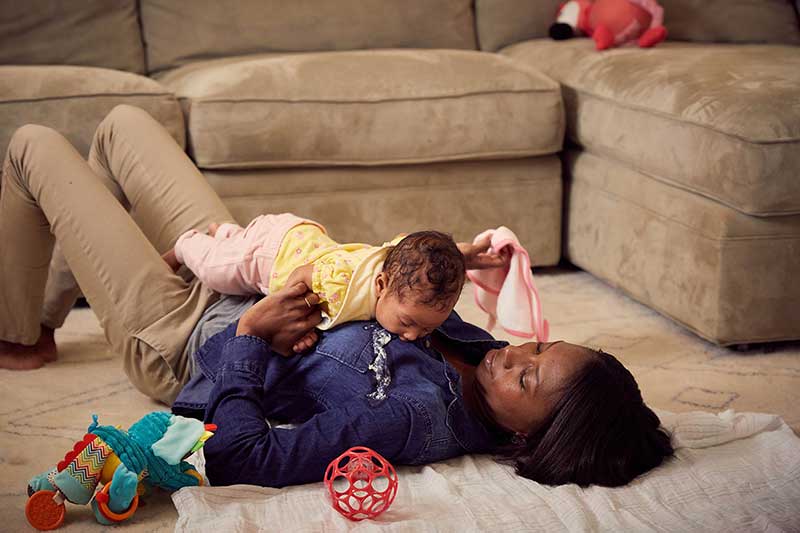
Frequent spitting up may be gastroesophageal reflux (GER), which usually resolves by 12 months. But if it’s severe, it could be GERD.
Try These Reflux-Reducing Tips
- Feed in upright position
- Keep baby upright 30 minutes post-feed
- Burp often
- Avoid tight diapers or clothing
- Feed smaller amounts more frequently
Consider Thickened Feeds (With Doctor’s Approval)
For persistent reflux:
– Add 1–2 tsp rice cereal per ounce of formula (only if advised by pediatrician)
– Use commercially thickened anti-reflux formula
Do not thicken breast milk unless directed—can interfere with milk supply and nutrition.
When to Suspect GERD
- Poor weight gain
- Frequent coughing or arching back during feeds
- Irritability during or after feeding
- Vomiting beyond 6 months
Talk to your doctor—may need medication or allergy evaluation.
Watch for Serious Causes
Most vomiting is viral and short-lived. But some causes need medical diagnosis.
Pyloric Stenosis: Watch for Projectile Vomiting
- Age: 2 weeks to 2 months
- Symptom: Forceful, projectile vomiting after feeds
- Vomit: Usually milk (not bile or blood)
- Urgency: Requires immediate medical care—can lead to dehydration and electrolyte imbalance
This condition narrows the stomach outlet and needs surgery.
Other Serious Causes
- Ear infection: May cause vomiting with fever or fussiness
- Constipation: Full bowels can cause abdominal pressure and vomiting
- Kidney infection: Vomiting + fever + poor feeding
- Food allergy: Vomiting within minutes of eating (common triggers: milk, egg, peanut)
If vomiting lasts more than 24 hours, see a doctor.
Prevent Dehydration: Know the Signs
Dehydration is the biggest risk with vomiting—especially if diarrhea is also present.
Early Signs of Dehydration
- Fewer than 6 wet diapers in 24 hours
- Dry mouth or lips
- No tears when crying
- Sunken soft spot (fontanelle)
- Lethargy or irritability
Act Fast If Dehydrated
- Increase fluid frequency (tiny sips every 5 minutes)
- Use ORS exclusively for 1–2 hours if mild dehydration
- Call your doctor if signs worsen or baby won’t drink
Severe dehydration may require IV fluids—don’t wait.
Avoid Common Mistakes
Even with good intentions, some actions can make vomiting worse.
What Not to Do
- ❌ Give fruit juice or soda – worsens diarrhea and dehydration
- ❌ Use ibuprofen or aspirin – can irritate the stomach
- ❌ Give anti-diarrhea medicine – not safe for children under 12
- ❌ Stop breastfeeding or formula – continue offering small amounts
- ❌ Lay baby flat after feeding – increases reflux risk
Stick to breast milk, formula, or ORS. Avoid water-only fasting—babies need calories and electrolytes.
When to Call the Doctor
Even with home care, some situations require professional help.
Call Immediately If Baby:
- Is under 3 months old and vomiting
- Vomits green or bloody fluid
- Has projectile vomiting (especially 2 weeks–2 months)
- Shows signs of dehydration
- Is lethargic, floppy, or hard to wake
- Has a fever over 100.4°F (38°C)
Call Within 24 Hours If:
- Vomiting lasts more than 12 hours
- Baby vomits everything for 8+ hours
- You suspect a food allergy or infection
- Baby is not gaining weight
When in doubt, trust your instincts. If you’re worried, call your pediatrician.
Prevent Future Vomiting Episodes
Once the episode passes, take steps to reduce recurrence.
Best Prevention Tips
- Feed smaller amounts more often
- Burp frequently
- Keep baby upright after feeds
- Introduce solids slowly
- Practice good hygiene (handwashing, clean bottles) to prevent viral infections
For babies with chronic reflux:
– Elevate crib head (safely, with legs raised—not with pillows in the crib)
– Avoid feeding right before bedtime
– Discuss formula changes with your doctor
Most babies outgrow spitting up by 6–12 months as their digestive system matures.
Frequently Asked Questions About Baby Vomiting
Why does my baby vomit after every feeding?
Frequent post-feeding vomiting can be due to overfeeding, reflux, or swallowing air. Try smaller feeds, burp often, and keep baby upright. If vomiting is forceful or persistent, consult your doctor to rule out conditions like pyloric stenosis.
Is it normal for a newborn to throw up?
Yes, occasional spitting up is normal due to an immature digestive system. True vomiting—especially if forceful, frequent, or green-tinged—is not normal and requires evaluation.
Can teething cause vomiting in babies?
Teething does not directly cause vomiting. Excess drooling may lead to mild stomach upset, but true vomiting is likely due to infection or another cause. Monitor for fever, diarrhea, or lethargy.
How long should baby vomiting last?
Most viral vomiting stops within 12–24 hours. If vomiting continues beyond 24 hours, or your baby shows signs of dehydration, contact your doctor.
What’s the difference between spitting up and vomiting?
Spitting up is a gentle flow of milk, common in newborns. Vomiting is forceful and involves abdominal contractions. Spitting up is usually harmless; vomiting may signal illness.
Can food allergies cause baby vomiting?
Yes. Milk, egg, and peanut are common triggers. Vomiting shortly after eating a new food may indicate an allergy. Introduce one food at a time and wait 3–5 days to monitor for reactions.
Key Takeaways for Managing Baby Vomiting
Vomiting in babies is usually short-lived and manageable at home. The key is staying calm, preventing dehydration, and knowing when to seek help.
Quick Action Plan:
1. Keep baby upright 20–30 minutes after feeding
2. Offer small sips of breast milk, formula, or ORS every 5–10 minutes
3. Stop solids until vomiting stops for 8+ hours
4. Burp often and avoid overfeeding
5. Watch for red flags: bile, blood, dehydration, lethargy
Most viral vomiting stops within 12–24 hours. If it doesn’t, or your baby seems unwell, contact your healthcare provider.
Remember: You know your baby best. If something feels wrong, get it checked. With the right care, your baby will be back to smiling—and feeding—soon.





