
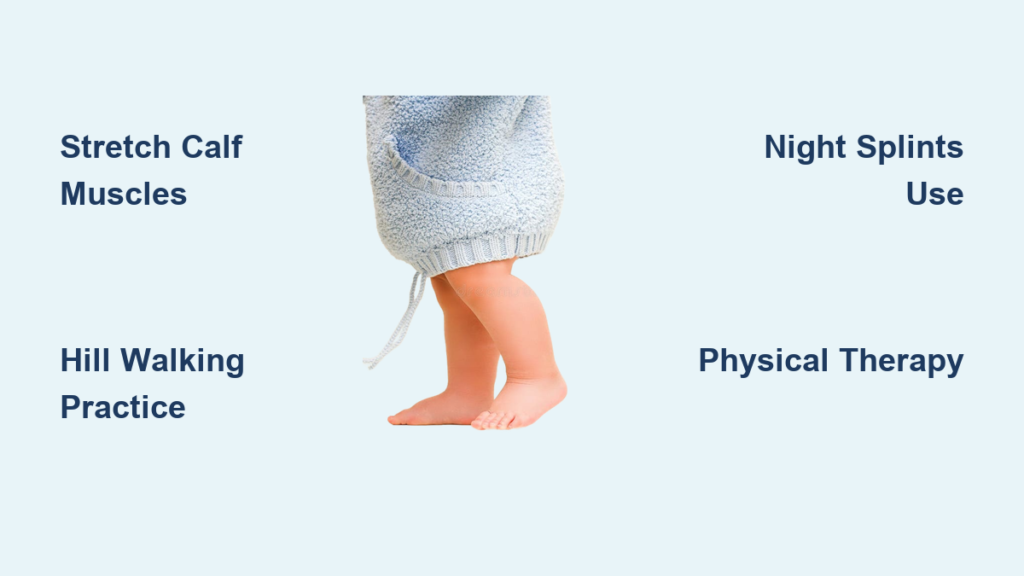
If your baby walks on their toes, you’re not alone—this is a common phase for many toddlers under 2. Toe walking often appears as babies learn to balance and build leg strength. Most children naturally transition to a heel-to-toe gait by age 3. But if your child continues walking on tiptoes past age 2–3, it could signal tight calf muscles, sensory preferences, or an underlying condition. The good news? With early awareness and consistent home exercises, most cases improve significantly. This guide covers the causes, red flags, and proven strategies—from simple stretches to professional treatments—to help your child walk flat-footed and with confidence.
Understanding when toe walking is normal versus when it needs attention empowers you to act early. You’ll learn how to stretch tight muscles, make therapy fun, and know when to seek help from a pediatric specialist. Whether it’s a habit or linked to a developmental condition, the right approach can make all the difference.
When Toe Walking Is Normal
Common in Babies Learning to Walk (Under Age 2)
Toe walking is a typical part of early walking development. Between 10 and 18 months, many babies rise onto their toes as they gain strength and test balance. At this stage, it’s not a cause for concern—especially if your child can walk flat-footed when asked. Most toddlers outgrow toe walking by age 3 as their muscles and coordination mature. If your baby is meeting motor milestones and shows no stiffness or delays, they’re likely on track.
Usually Resolves Without Treatment
Research shows that 9% of children on the autism spectrum toe walk, compared to less than 0.5% of neurotypical children. However, in typical development, toe walking resolves naturally in most cases. If your child can place their heels down when prompted and walks flat occasionally, it’s likely just a phase. Watch and wait—but stay alert for signs it’s becoming a persistent habit.
Red Flags That Need Medical Attention
Still Walking on Tiptoes After Age 3
If your child continues walking on their toes past age 3, it may require intervention. While some cases are habitual, persistent toe walking can indicate tight calf muscles, a shortened Achilles tendon, or a developmental condition like autism or cerebral palsy. Don’t wait—early evaluation improves outcomes. After age 3, consistent toe walking without the ability to walk flat-footed should be assessed by a healthcare provider.
Signs of an Underlying Condition
Seek medical advice sooner if your child has:
• Tight leg muscles or stiff Achilles tendon
• Frequent tripping or falling
• Delayed walking (not walking by 18 months)
• Poor coordination or uneven movement
• Inability to walk with heels down, even when asked
These symptoms may point to neurological or muscular issues that need professional diagnosis and treatment.
Common Causes of Persistent Toe Walking
Habitual Toe Walking (No Medical Cause)
In most cases, toe walking has no clear medical reason—it’s idiopathic or habitual. Some children simply prefer the sensation or developed the habit early. This type often runs in families, suggesting a genetic link. The good news: it responds well to stretching, play-based therapy, and positive reinforcement.
Tight Calf Muscles and Short Achilles Tendon
A shortened Achilles tendon or tight calf muscles can physically prevent the heel from touching the ground. Over time, lack of stretching causes the tendon to tighten, making flat-footed walking uncomfortable. This condition, called equinus deformity, may require physical therapy or bracing to correct.
Sensory Processing and Vestibular Seeking
Many children who toe walk—especially those with autism—do so for sensory reasons. Walking on toes provides extra vestibular input, helping them feel more grounded. A dysfunctional vestibular system may contribute to this preference. Occupational therapy can help retrain sensory processing and reduce reliance on toe walking.
Linked to Developmental or Neurological Conditions
Toe walking can be associated with:
• Autism spectrum disorder (ASD)
• Cerebral palsy
• Muscular dystrophy
• Peripheral neuropathy (rare in children)
These conditions affect muscle control or nerve function, leading to altered gait. A pediatric specialist can determine if an underlying diagnosis is present.
How Doctors Diagnose the Cause
What to Expect During a Pediatric Evaluation
Your child’s doctor will:
• Review medical and developmental history
• Observe walking patterns in different settings
• Test ankle range of motion and muscle flexibility
• Check for muscle stiffness or asymmetry
• Perform basic neurological assessments
This helps rule out serious conditions and identify whether the cause is structural, sensory, or behavioral.
When to See a Specialist
• After age 2: Discuss toe walking with your pediatrician
• After age 3: Consult a pediatric podiatrist or physical therapist
• With additional symptoms: See a specialist sooner
Early intervention leads to better results, especially for tight tendons or sensory-related causes.
Effective Home Exercises to Try
Calf Raises (Heel Drops) for Strength and Flexibility
Purpose: Improve calf control and encourage heel placement.
How to do it:
1. Have your child stand on a step, heels hanging off
2. Hold a railing or your hand for balance
3. Slowly lower heels below the step level
4. Hold for 5 seconds, then lift back up
5. Repeat 10 times per leg, 2–3 times daily
Pro Tip: Turn it into a game—“feed the monster under the stairs” with your heels!
Standing Calf Stretch for Tight Muscles
Purpose: Lengthen the gastrocnemius and soleus muscles.
How to do it:
1. Face a wall, hands at shoulder height
2. Step one foot back, heel flat on the floor
3. Bend the front knee, keep the back leg straight
4. Lean forward until you feel a stretch in the calf
5. Hold 20–30 seconds, repeat 3 times per leg, twice daily
For younger kids: Slightly bend the back knee to target deeper calf muscles.
Hill Walking for Natural Gait Training
Purpose: Encourage heel-to-toe walking in a fun, functional way.
How to do it:
• Walk up gentle slopes or inclines daily
• Encourage “heels down, toes push” with verbal cues
• Aim for 10–15 minutes on grass, sand, or uneven terrain
Make it fun: Turn it into a treasure hunt or race to the top.
Calf Massage to Reduce Muscle Tension
Purpose: Relax tight muscles and improve circulation.
How to do it:
1. Use lotion or oil for smooth gliding
2. Stroke from ankle to knee with gentle pressure
3. Do 20 strokes per leg, 2–3 times daily
Engage your child: Call it “superhero leg therapy” or “dragon tamer massage.”
Making Therapy Fun and Consistent

Turn Exercises Into Playful Activities
Children respond best when therapy feels like play. Try:
• Obstacle courses with heel-to-toe walking challenges
• Balance beams made from tape on the floor
• Barefoot walks on grass, sand, or textured mats
These activities build strength and foot awareness naturally.
Use Stickers, Praise, and Rewards
Reinforce progress with:
• Sticker charts for flat-footed steps
• Verbal praise: “I love how your heels are down!”
• Timers to track daily exercise completion
Small rewards help turn new habits into routine.
Build a Daily Routine for Best Results
Consistency is key. Even 5–10 minutes of daily stretching can make a difference over weeks. Pair exercises with daily routines—after breakfast, before bath time—to build long-term habits.
Professional Treatments to Consider
Physical Therapy for Customized Care
A pediatric physical therapist can create a personalized stretching and strengthening plan. Sessions typically include:
• Manual stretching
• Gait training
• Balance drills
• Parent coaching
Most children show improvement within 6–12 weeks of consistent therapy.
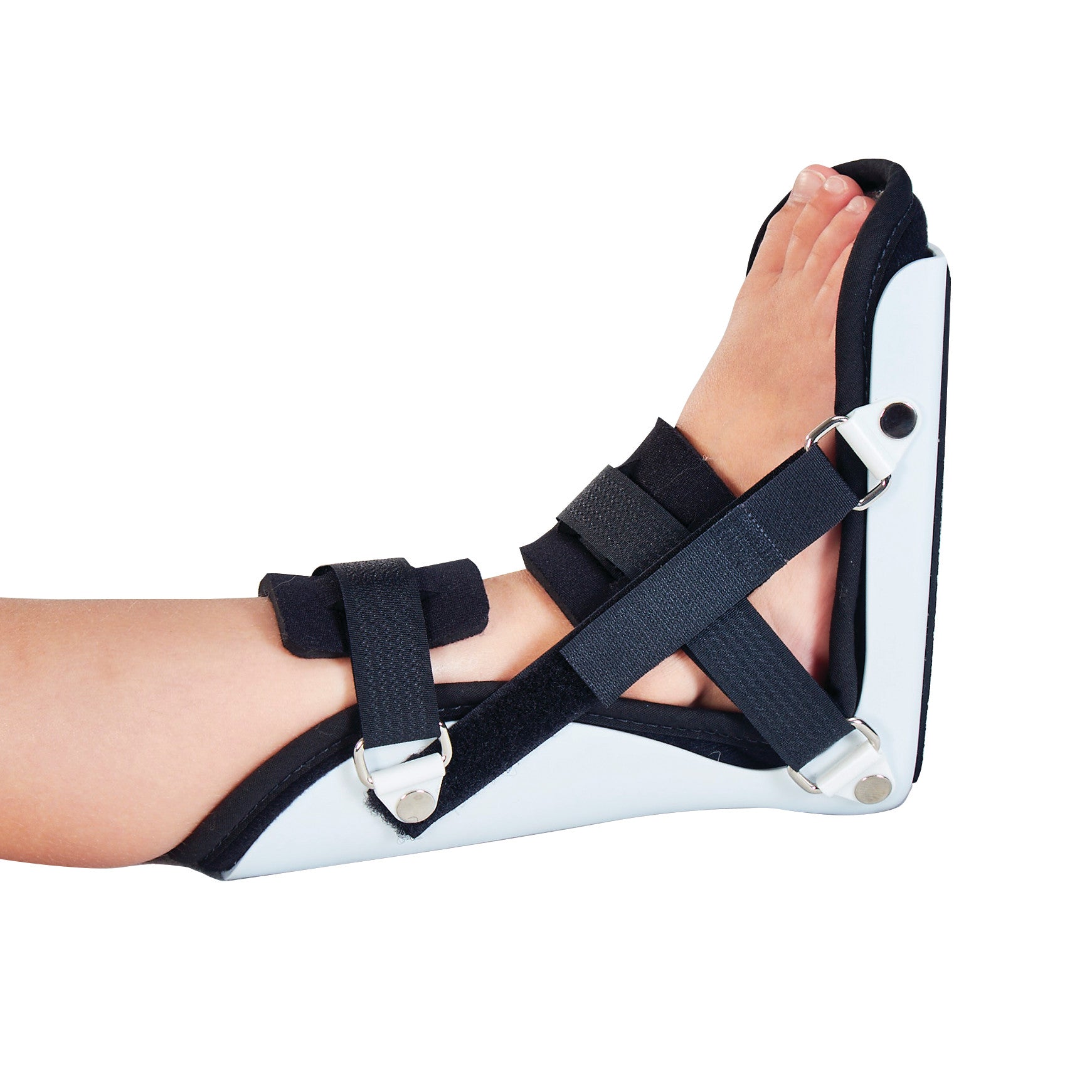
Orthotics, Night Splints, and Casting
If home exercises aren’t enough, doctors may recommend:
• Custom orthotics to support proper foot alignment
• Night splints or casting to gently stretch the Achilles tendon while sleeping
These devices help maintain progress made during the day.
Occupational Therapy for Sensory-Related Toe Walking
For sensory-seeking children, occupational therapy can help. Therapists use activities that stimulate the vestibular system, such as:
• Swinging
• Spinning
• Balance boards
This helps children feel secure without relying on toe walking.
Surgery Only for Severe, Persistent Cases
When Surgery Is an Option
Surgery is considered only if:
• Toe walking persists past age 5
• Nonsurgical treatments have failed
• The Achilles tendon is severely shortened
The procedure involves lengthening the calf muscles or Achilles tendon to improve ankle motion.
Recovery and Long-Term Outcomes
After surgery, children typically wear a cast for 4–6 weeks, followed by physical therapy. Most regain normal gait, though some may still need braces or orthotics. Surgery has high success rates but is reserved for severe, unresponsive cases.
Preventing Long-Term Problems
Risks of Ignoring Chronic Toe Walking
Left untreated, persistent toe walking can lead to:
• Permanent tightening of calf muscles and tendons
• Reduced ankle mobility
• Foot deformities
• Difficulty wearing shoes or playing sports
• Increased risk of falls and joint pain in adulthood
Early action prevents these complications.
Social and Emotional Benefits of Early Intervention
Children who walk differently may face teasing or social challenges. Addressing toe walking early supports not just physical health but also confidence and peer interaction.
Proven Prevention and Long-Term Success
Early Pediatrician Check-Ins Matter
Don’t wait—mention toe walking at your child’s next well-visit, even if they’re under 2. Early monitoring allows for timely intervention if needed.
Choose Supportive Footwear
Pick shoes that:
• Fit well and support the heel
• Have a firm back and flexible sole
• Avoid overly soft or flat shoes
Limit barefoot walking on hard surfaces for long periods.
Daily Stretching for All Toddlers
Even if your child doesn’t toe walk, gentle calf stretches can prevent tightness. Make it part of your daily routine—like brushing teeth.
Key Takeaways for Parents of Toe Walkers

Most children with idiopathic toe walking improve fully with consistent home exercises and early intervention. While some may need orthotics or therapy into school age, the goal is functional, pain-free movement—not perfection. Patience and persistence pay off: celebrate small wins, like a full day of flat walking, and stay consistent. You’re building healthier movement patterns that last a lifetime.
Frequently Asked Questions About Toe Walking
Is toe walking normal in babies under 2?
Yes, toe walking is common and usually harmless in babies under 2. Many toddlers use their toes as they build balance and leg strength. As long as they can walk flat-footed when asked and meet motor milestones, it’s typically a phase that resolves by age 3.
When should I worry about my child toe walking?
Be concerned if your child still walks on their toes past age 3, can’t walk with heels down, or has tight muscles, frequent falls, or delayed milestones. These signs warrant a visit to a pediatrician or physical therapist for evaluation.
Can tight calf muscles cause toe walking?
Yes, tight calf muscles or a shortened Achilles tendon can physically prevent the heel from touching the ground. This condition, called equinus deformity, often responds well to daily stretching and physical therapy.
Does toe walking mean my child has autism?
Not necessarily. While 9% of children with autism toe walk compared to less than 0.5% of neurotypical children, toe walking alone is not a diagnosis. It’s one of many possible signs—only a professional can assess for autism or other conditions.
What home exercises help stop toe walking?
Effective home exercises include calf raises, standing calf stretches, hill walking, and calf massage. Doing these 2–3 times daily improves flexibility and encourages heel-to-toe walking. Consistency and fun make all the difference.
Can orthotics or night splints help?
Yes, if home exercises aren’t enough, doctors may recommend custom orthotics or night splints. These devices support proper foot alignment and gently stretch the Achilles tendon while your child sleeps, helping maintain progress.





