
Deaf-blind babies learn in profoundly different ways than their sighted and hearing peers—not through words spoken aloud or facial expressions, but through touch, rhythm, smell, and consistent routines. Without access to sight or hearing, these infants rely on their remaining senses to build understanding, form bonds, and develop communication. The central question—how do deaf-blind babies learn—is answered not by traditional teaching methods, but by reimagining how connection and meaning are formed.
For a deaf-blind infant, touch becomes the primary language. Every interaction—being held, rocked, fed, or guided—is a lesson in trust, anticipation, and communication. Smell and movement further anchor relationships; a mother’s scent or the rhythm of her walk can signal safety and love. Early learning isn’t about flashcards or songs—it’s about predictability, sensory input, and responsive caregiving. With intentional support, these children develop rich communication systems, from tactile signs to object-based calendars, that allow them to understand the world and express themselves.
Build Trust Through Sensory Bonding
Deaf-blind babies begin learning through secure, sensory-based relationships. Since they can’t see a smile or hear a lullaby, emotional bonds form through touch, smell, and movement. These early connections are not just comforting—they’re foundational to all future learning.
Recognize Caregivers by Touch and Scent
A deaf-blind baby identifies their mother or primary caregiver through unique sensory signatures:
• The way a parent holds, strokes, or rocks them
• Skin texture, clothing fabric, or hair
• Natural body odor, soap, or lotion scent
• The rhythm of walking, rocking, or feeding movements
These cues create a sensory “identity” that the child learns to recognize. Over time, the child associates these sensations with safety, food, and love—forming the emotional bedrock for communication.
Create Predictable Daily Routines
Consistency builds trust and reduces anxiety. Deaf-blind infants thrive on predictable sequences:
• Bath → pajamas → story → bed
• Same caregiver during key activities
• Repetition of actions and transitions
When a baby knows what comes next, they feel secure and engaged. For example, always using the same towel after a bath helps the child anticipate and participate, even without sight or sound.
Use Touch as the Primary Learning Channel
For deaf-blind babies, touch replaces both vision and hearing. It becomes the main tool for exploration, communication, and understanding the world.
Teach With Hand-Under-Hand Exploration
The hand-under-hand technique is essential for respectful learning:
1. Place your hand under the child’s hand
2. Guide them through an action (e.g., turning a page)
3. Let the child control the pace and decide when to stop
This method allows the child to “watch” through touch and prevents passive learning. It respects their autonomy and encourages active participation.
Pro Tip: Never grab a deaf-blind child’s hands. Always invite contact by placing your hand near theirs and waiting for them to initiate.
Introduce Objects With Full Context
Avoid the “magic wand” error—making items appear or disappear without explanation. Instead:
• Show where toys are stored before bringing them out
• Let the child touch the container and object
• Return the item together, showing the full cycle
This builds object permanence and helps the child understand that things exist even when not in use.
Develop Communication Through Tactile Systems
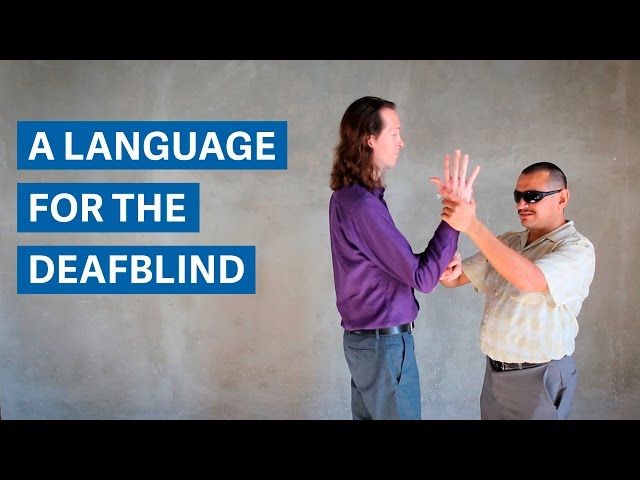
Deaf-blind babies don’t learn language by listening or watching lips. They develop communication through tactile and object-based systems tailored to their abilities.
Use Tactile Sign Language
Tactile sign language allows children to receive language through touch:
• Signs are formed in the child’s hands
• The child feels the shape, movement, and location of each sign
• Common systems include Tactile Sign System (TSS) and adapted ASL
Signing whole concepts—like “eat” while guiding to food—creates direct links between action and symbol, making language meaningful.
Start With Object Cues and Symbols
For babies without formal language, tangible symbols act as early words:
• A spoon = feeding time
• A small towel = bath
• A toy car = playtime
These objects help the child anticipate activities and express choices. Over time, symbols evolve into textured cards or braille labels.
Build a Calendar System Early
Even infants benefit from calendar systems that map their day:
• Start with one object (e.g., a bottle) to represent feeding
• Expand to sequence boxes with multiple items for daily routines
• Always place the calendar in the same spot
Calendars reduce anxiety, support transitions, and lay the groundwork for time concepts like “before” and “after.”
Learn From the Helen Keller Breakthrough
Helen Keller’s story is not just inspirational—it’s a real-world example of how deaf-blind children learn.
Connect Sensation to Symbol
Keller’s breakthrough came when her teacher, Anne Sullivan, spelled “w-a-t-e-r” into her hand while running water over it. That moment linked a tactile experience to a linguistic symbol, unlocking language.
This teaches a vital lesson: learning happens through meaningful association. For a deaf-blind baby, language isn’t abstract—it’s rooted in real, sensory experiences.
Replicate the “Water Moment” in Daily Life
Create your own breakthrough moments by:
• Spelling “milk” while feeding
• Signing “up” while lifting the child
• Using “bye-bye” while waving their hand during departures
Each pairing of action and symbol builds the child’s understanding of language.
Follow Best Practices for Interaction
Working with a deaf-blind baby requires patience, structure, and respect for their processing needs.
Announce Your Presence Every Time
Always tap the shoulder before touching. This prevents startling and teaches that communication has a beginning.
Then, use the hand-under-hand approach to guide them into interaction. Over time, the child will learn to lift their hand when tapped, signaling readiness.
Identify Yourself Consistently
Never assume the child knows who you are. Use a name sign every time:
• A unique handshape or movement pattern
• Placed on the child’s hand so they can feel it
• Repeated across all caregivers
This builds trust and reduces confusion, especially in group settings.
Slow Down and Allow Processing Time
Deaf-blind children may need 4–5 times longer to process information, especially with additional cognitive challenges.
After signing or guiding an action:
• Wait silently
• Watch for subtle responses (a hand movement, facial change)
• Don’t rush to repeat or rephrase
Rushing leads to overload and disengagement. Slowness is not inefficiency—it’s respect.
Support Literacy Through Multi-Sensory Stories

Literacy for deaf-blind babies begins with multi-sensory storytelling that engages touch, smell, and movement.
Create Story Boxes
A story box is a container filled with objects related to a story:
• For “The Very Hungry Caterpillar”: a toy caterpillar, a felt leaf, a plastic apple
• For “Brown Bear”: textured animal cutouts, a drum for the “roar”
Use the box to:
• Explore objects before reading
• Match items to story events
• Retell the story together using touch
This builds narrative understanding and vocabulary in an accessible way.
Establish a Reading Routine
Make reading a predictable, enjoyable ritual:
• Same time, same place, same signal (e.g., a special blanket)
• Use tactile books with textures, flaps, or 3D elements
• Sign or tactilely represent key words as you go
Even without sight or hearing, a deaf-blind child can develop a love of stories.
Prevent Tactile Defensiveness and Cue Dependence
Poorly timed or forced interactions can lead to tactile defensiveness—a fear of touch—or cue dependence, where the child only responds to specific prompts.
Avoid Startling or Grabbing
Never:
• Grab the child’s hands
• Move their body without warning
• Introduce new sensations abruptly
Instead:
• Approach with a tap
• Let the child initiate contact
• Move slowly and predictably
This keeps touch a positive experience and builds trust.
Encourage Initiation and Control
Let the child:
• Decide when to start or stop an activity
• Choose which object to explore
• Withdraw their hands at any time
Autonomy fosters confidence and prevents passive dependence on cues.
Use Assistive Tools and Environmental Supports

Simple tools and environmental design make a big difference in how deaf-blind babies learn.
Use Discovery Bins for Independent Learning
Discovery bins are containers with safe, textured items for exploration:
• Ribbons, blocks, soft toys, fabric swatches
• Labeled with tactile symbols
These bins encourage independent play and concept development (e.g., soft/hard, big/small).
Leverage Vibrating and Tactile Devices
Assistive technology includes:
• Vibrating toys: Signal transitions or rewards
• Tactile timers: Vibrate when an activity ends
• Adaptive switches: Let the child control lights or sounds through touch
These tools increase independence and environmental awareness.
Frequently Asked Questions About How Deaf-Blind Babies Learn
How do deaf-blind babies recognize their parents?
A deaf-blind baby recognizes their parents through touch patterns, body warmth, scent, and movement rhythms. Consistent handling and close contact help the child associate these sensory cues with safety and love.
Can deaf-blind babies learn language?
Yes. Deaf-blind babies learn language through tactile sign language, object cues, and consistent routines. By linking physical experiences to symbols—like spelling “milk” during feeding—they build meaningful communication.
What is the hand-under-hand technique?
The hand-under-hand technique involves placing the child’s hands on top of the adult’s hands to guide them through an activity. It allows the child to “watch” through touch, maintain control, and actively participate in learning.
Why are routines so important for deaf-blind infants?
Routines create predictability, which reduces anxiety and builds trust. Knowing what comes next helps the child anticipate events, participate in activities, and develop time concepts like sequence and duration.
How can I support a deaf-blind baby’s communication at home?
Use consistent object cues, introduce a simple calendar system, sign or tactilely represent key words during daily activities, and always announce your presence. Slow down, allow processing time, and follow the child’s lead.
What role does touch play in learning for deaf-blind babies?
Touch is the primary learning channel. It replaces sight and hearing for communication, exploration, recognition, and emotional bonding. Every touch-based interaction becomes a teaching moment.
Key Takeaways for Supporting Deaf-Blind Babies
Deaf-blind babies learn through a sensory-rich, relationship-based, and highly structured approach. They rely on:
• Touch as the main channel for communication and exploration
• Smell and movement to recognize caregivers and build trust
• Predictable routines to understand time and sequence
• Tactile symbols and signs to develop language
• Patient, slow-paced interaction that respects processing time
With early intervention, consistent strategies, and loving support, deaf-blind infants can develop complex communication, form deep relationships, and engage meaningfully with the world.
Start today: Use a simple object cue for one daily routine, practice the hand-under-hand method, and slow down your interactions. Every intentional touch builds a word in their growing language.





