
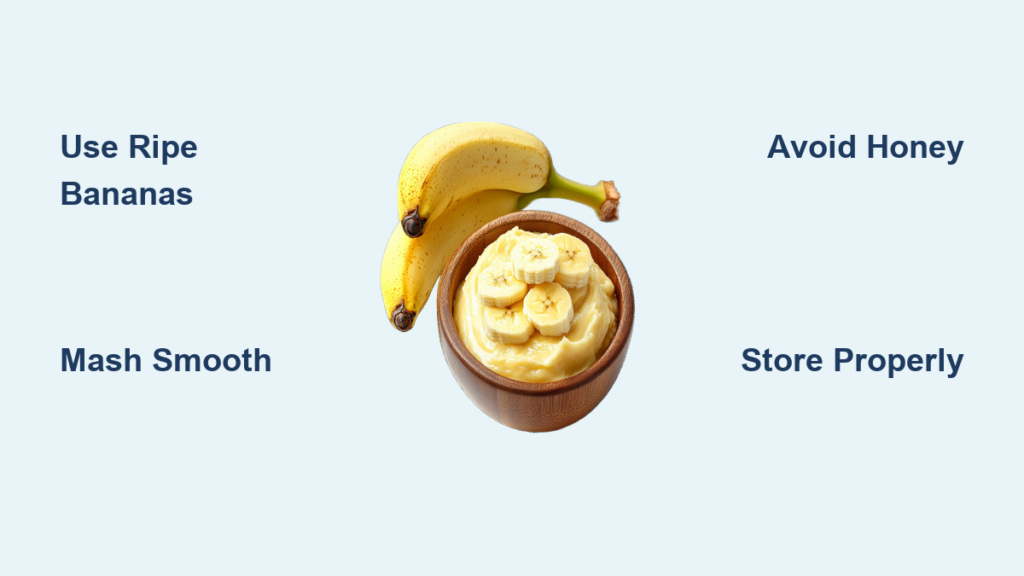
Introducing solids to your baby is a major milestone, and banana puree is one of the most popular first foods for good reason. It’s naturally sweet, gentle on tiny tummies, and rich in essential nutrients like potassium, vitamin B6, and fiber. The best part? You can make fresh banana puree in under five minutes with no cooking required—just a ripe banana and a fork. This guide walks you through every step, from choosing the perfect fruit to adjusting texture as your baby grows, storing safely, and avoiding common mistakes.
You’ll learn how to prepare smooth, lump-free puree for beginners, blend in nutritious mix-ins, and store batches for busy days—all while keeping safety and freshness top priorities. Whether you’re a new parent or fine-tuning your baby food routine, these practical tips ensure your little one gets a healthy, delicious start to solid foods.
Choose the Best Bananas for Baby Puree
The quality of your banana puree starts long before mashing—it begins with the fruit itself. Picking the right banana ensures a sweet, creamy texture that babies love and digest easily.
Select Fully Ripe, Speckled Bananas
Look for bananas with bright yellow peels covered in small brown spots. These are fully ripe, naturally sweeter, and much easier to mash into a smooth consistency. The ripening process breaks down starches into simple sugars, making them gentler on your baby’s developing digestive system. Avoid green or firm bananas, as they’re harder to digest and may cause constipation.
Skip Overly Soft or Moldy Bananas
While a few brown speckles are ideal, steer clear of bananas with large dark bruises, mushy spots, or any sign of mold. Overly soft bananas may have started fermenting, which can upset your baby’s stomach. Always inspect the fruit closely before use to ensure freshness and safety.
Prepare a Clean Workspace and Tools
Baby food safety begins with hygiene. Since infants have developing immune systems, it’s crucial to keep all surfaces and tools clean and germ-free.
Wash Hands and Surfaces Thoroughly
Before handling any food, wash your hands with soap and warm water for at least 20 seconds. Clean countertops, cutting boards, and bowls with hot, soapy water to eliminate bacteria. This simple step prevents contamination and keeps your baby safe.
Gather Simple Kitchen Tools
You don’t need special equipment to make banana puree. Basic items work perfectly:
• A peeler or knife (to remove the skin)
• A fork, potato masher, or blender (for mashing)
• A small bowl (for mixing)
• A spoon (for serving or storing)
For ultra-smooth results, a hand blender or food processor gives the best texture, especially for younger babies.
Make Easy One-Ingredient Banana Puree
This simple method is ideal for babies just starting solids at 4–6 months. It uses only one ingredient and takes less than five minutes.
Mash with a Fork for Beginners
Peel half a ripe banana and mash it completely with a fork until no lumps remain. If the texture is too thick, add a few drops of breast milk, formula, or water to thin it. Start with a teaspoon and gradually increase the amount over several days to watch for any reactions.
Pro Tip: Always serve immediately for the freshest taste and best color.
Blend for a Silky Smooth Consistency
For a creamier texture, place banana chunks in a blender or food processor. Blend until completely smooth, adding liquid as needed. This method is perfect for babies who are sensitive to lumps or have just started solids.
Adjust Texture Based on Baby’s Age
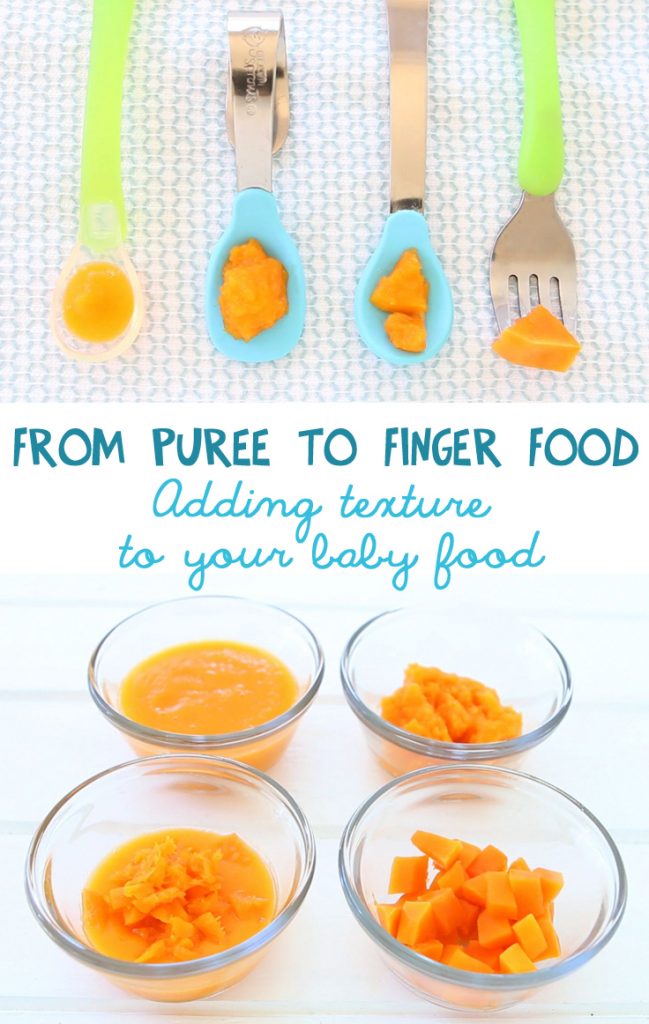
As your baby grows, their oral motor skills develop. Adjusting the texture helps them transition smoothly from purees to finger foods.
Smooth Puree for 4–6 Month Olds
At this stage, babies need completely smooth food. Make sure there are no stringy bits or lumps, which could pose a choking risk. Use a fine mesh strainer if needed to remove fibers.
Thicker Mash for 6–8 Month Olds
Once your baby gets used to swallowing, mash the banana less finely to introduce thicker textures. This encourages chewing motions and supports jaw development, even before teeth appear.
Chunky Mashed Banana for 8–10 Month Olds
Offer soft, small pieces of mashed banana to promote self-feeding. This helps build hand-eye coordination and prepares your baby for more textured meals.
Mix Banana Puree with Other Baby Foods

After your baby tolerates plain banana for 3–5 days, you can safely combine it with other single-ingredient foods.
Combine with Avocado or Sweet Potato
Blend banana with steamed sweet potato or ripe avocado for a creamy, nutrient-rich meal. These combinations add healthy fats and complex carbs, supporting brain and body development.
Stir Into Iron-Fortified Cereal
Mix banana puree into baby oatmeal or rice cereal to enhance flavor and encourage acceptance of grain-based foods. This is especially helpful for babies hesitant to try plain cereals.
Add a Pinch of Cinnamon After 8 Months
A small amount of cinnamon adds warmth and may aid digestion. Only introduce spices after your baby has tried several single foods without issues.
Critical Note: Never add honey to banana puree or any baby food before age 1—honey can contain spores that cause infant botulism.
Serve Banana Puree Safely and Fresh
How you serve the puree impacts both safety and your baby’s eating experience.
Serve Immediately for Best Quality
Fresh banana puree oxidizes quickly and turns brown, though it’s still safe to eat. For a more appealing look, serve right after preparation.
Test Temperature Before Feeding
If using refrigerated or thawed puree, warm it slightly and always test a small amount on your wrist. It should feel neutral—not cold or hot.
Discard Leftovers After Feeding
Do not save any uneaten puree from a feeding. Your baby’s saliva introduces bacteria that can spoil the rest of the batch.
Store Banana Puree for Future Use

Making batches in advance saves time and ensures you always have healthy food on hand.
Refrigerate for Up to 24 Hours
Place puree in an airtight container and store in the fridge. Use within one day to maintain freshness and prevent bacterial growth.
Freeze in Ice Cube Trays for Long-Term Storage
To freeze:
1. Spoon puree into clean ice cube trays.
2. Cover with plastic wrap or a lid.
3. Freeze for up to 3 months.
Once frozen, transfer cubes to a labeled freezer bag with the date.
Thaw Safely and Evenly
To use frozen puree:
• Refrigerator method: Thaw overnight (safest)
• Warm water bath: Place sealed bag in warm water for 10–15 minutes
• Avoid microwaving, which can create dangerous hot spots
Prevent Browning and Keep Puree Fresh
Bananas turn brown quickly when exposed to air, but a few smart tricks can slow oxidation.
Add a Tiny Drop of Lemon Juice
Mix in 1/8 teaspoon of fresh lemon juice per banana. The vitamin C helps delay browning without altering taste when used sparingly.
Minimize Air Exposure
Press plastic wrap directly onto the surface of the puree in containers or cover tightly with lids. This reduces contact with air and keeps the color fresher longer.
Watch for Signs of Banana Allergy
While banana allergies are rare, it’s important to monitor your baby when introducing any new food.
Recognize Common Reaction Signs
Look for:
• Rash around the mouth or face
• Hives or swelling
• Vomiting or diarrhea
• Wheezing or difficulty breathing (seek emergency help immediately)
Introduce One Food at a Time
Wait 3–5 days before adding another new food. This makes it easier to identify the cause if a reaction occurs.
Clean and Sanitize After Use
Keeping baby food tools clean prevents bacterial buildup and keeps meals safe.
Wash All Tools Right Away
Rinse spoons, bowls, and blenders with hot, soapy water after each use. Residue can attract bacteria if left sitting.
Sanitize Weekly
Once a week, boil silicone spoons, trays, or storage containers for 5 minutes to kill germs. This is especially important for items used daily.
Key Takeaways for Making Banana Puree at Home
Making banana puree for baby is fast, healthy, and completely customizable. With just a ripe banana and basic tools, you can serve a nutrient-rich first food in minutes. Choose spotted yellow bananas for sweetness and easy digestion, adjust texture as your baby grows, and always serve fresh or store properly. Avoid honey, introduce new mix-ins one at a time, and keep everything clean to ensure safety.
For busy parents, freezing puree in ice cube trays offers a convenient way to have healthy meals ready anytime. As your baby progresses, use banana as a base to explore new flavors and textures. By following these simple, safe steps, you’re giving your little one a strong foundation for a lifetime of healthy eating.
Frequently Asked Questions About Banana Puree for Baby
Can I use frozen bananas to make baby puree?
Yes, you can use frozen bananas. Thaw them completely first, then mash or blend as usual. Make sure to stir well to avoid icy spots and check the texture before serving.
How do I prevent banana puree from turning brown?
Add a few drops of lemon juice and store the puree in an airtight container with plastic wrap pressed directly on the surface. This limits air exposure and slows browning.
Is it safe to reheat banana puree?
It’s best not to reheat banana puree. If refrigerated, serve it cold or warm it slightly in a water bath. Reheating can alter texture and create hot spots, especially in microwaves.
Can I mix banana puree with formula or breast milk?
Yes, mixing banana puree with breast milk or formula helps create a familiar taste and smoother texture, making it easier for babies to accept new foods.
How much banana puree can I give my baby?
Start with 1–2 teaspoons once a day. Gradually increase to 2–4 tablespoons as your baby adjusts, typically over 1–2 weeks. Always follow your pediatrician’s feeding guidelines.
Can babies be allergic to bananas?
Yes, though rare. Signs include rash, hives, swelling, or digestive issues. Introduce banana as a single ingredient and watch for reactions over 3–5 days before mixing with other foods.





