
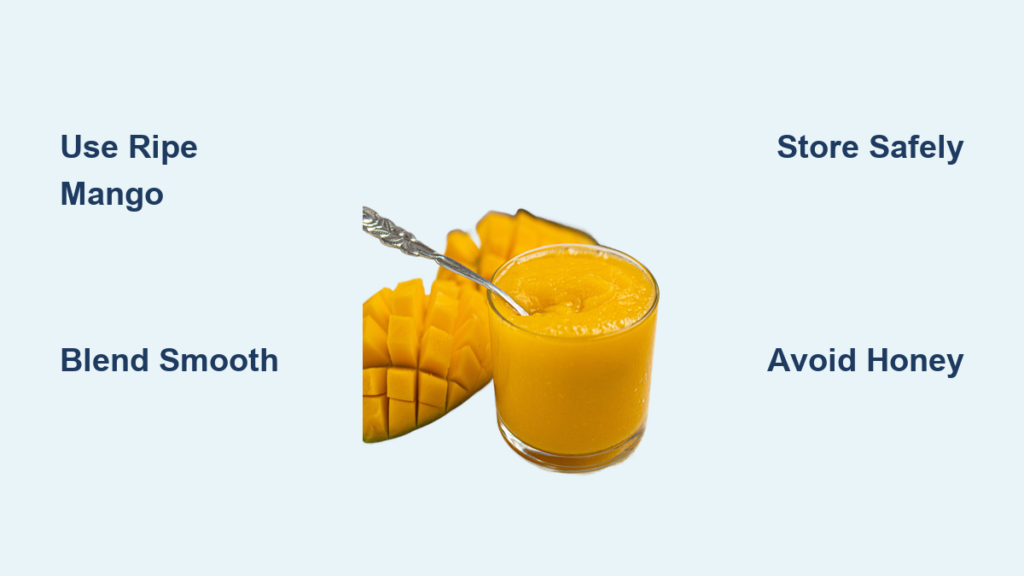
Introducing solids to your baby is a big step, and choosing the right first food can make all the difference. Mango puree for baby is a top pick for parents seeking a nutritious, naturally sweet, and gentle option. Rich in vitamin C, vitamin A, fiber, and digestive enzymes, mango supports immunity, eye health, and smooth digestion. At around 6 months, when your little one is ready for solids, ripe mango’s creamy texture and mild sweetness are easy to accept and digest—no cooking required. In this guide, you’ll learn how to pick the perfect mango, blend a silky puree, store it safely, and mix in nutritious combos—all while keeping safety and nutrition in focus.
You’ll also discover age-appropriate textures, avoid common mistakes, and gain pro tips for batch prep and feeding. Whether you’re a first-time parent or looking for quick, healthy meals, this step-by-step guide makes homemade mango puree simple, safe, and stress-free.
Pick the Best Ripe Mango for Babies

Choose a Sweet, Fragrant Mango
Start with a fully ripe mango—soft to the touch and fragrant at the stem. Ripe mangoes blend smoothly and are easier on your baby’s digestive system. Avoid green, hard mangoes; they’re acidic and can cause tummy upset. A ripe mango should yield slightly when gently pressed and smell sweet, not sour.
Best Mango Varieties for Baby Food
• Alphonso – Creamy, low-fiber, and naturally rich (ideal for babies)
• Kesar – Sweet with smooth pulp and vibrant color
• Tommy Atkins – Firm when ripe, widely available in supermarkets
• Kensington Pride – Juicy and sweet, popular in Australia
Any ripe, sweet mango works—just ensure it’s peeled and seed-free before blending.
Wash and Peel Safely
Rinse the mango under cool running water. Use a soft brush to scrub the skin and remove dirt or pesticide residues. Peel with a vegetable peeler or sharp knife, then slice the flesh away from the large central seed. Cut into chunks for easy blending.
Blend a Smooth, Safe Mango Puree
Gather Simple Kitchen Tools
You only need a few basic items:
• Blender or food processor
• Sharp knife and cutting board
• Vegetable peeler
Optional: fine mesh strainer (for ultra-smooth texture), ice cube trays (for portioning).
Make a One-Ingredient Mango Puree
Ingredients:
• 1 ripe mango (or 2 for 4 servings)
• Boiled and cooled water or breast milk (optional, for thinning)
Steps:
1. Wash, peel, and cube the mango.
2. Add to a blender and blend until completely smooth.
3. Add a teaspoon of water or breast milk only if needed—do not over-dilute.
4. Strain through a fine mesh sieve if serving to babies under 8 months to remove fibrous bits.
Serve at room temperature. Always test a small amount on your wrist to ensure it’s not too cold or hot.
Adjust Texture by Baby’s Age
• 6–8 months: Blend until silky smooth; strain if needed
• 9–12 months: Slightly thicker or with tiny lumps to encourage chewing
Avoid adding ice or serving cold—warm slightly in a bowl of warm water if needed.
Store Mango Puree Safely for Future Meals
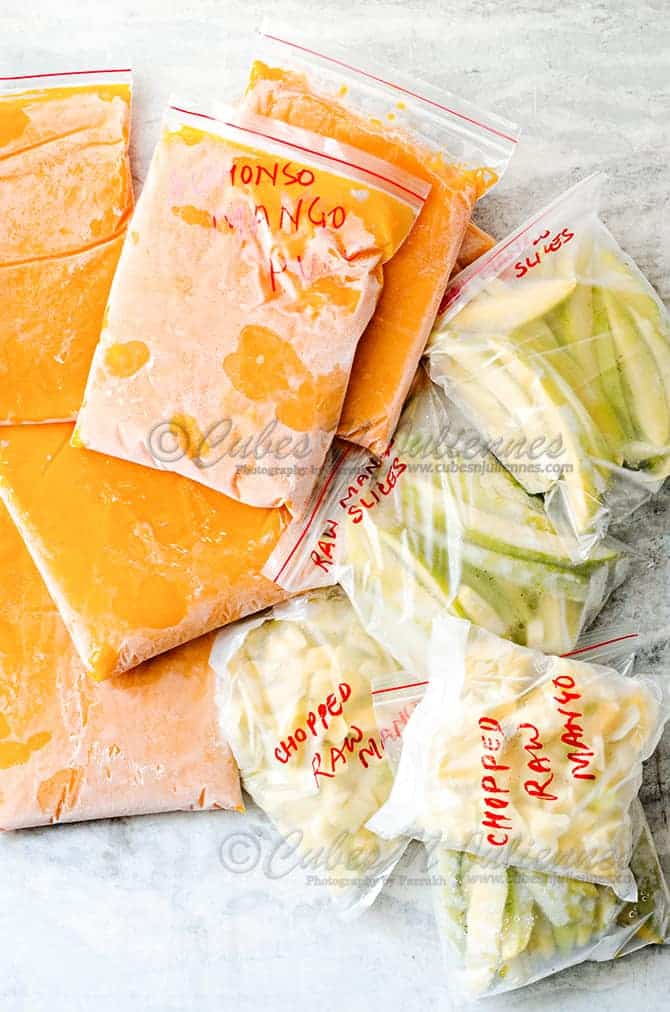
Refrigerate for Up to 48 Hours
Transfer puree to a sterilized, airtight container. Store in the fridge for up to 2 days (some sources say 3 days, but 48 hours is safest). Always check for off smells, color changes, or mold before serving.
Freeze in Portions for Long-Term Use
Freezing preserves nutrients and saves time:
1. Pour puree into ice cube trays (1 cube ≈ 1 oz).
2. Cover with plastic wrap to prevent freezer burn.
3. Freeze for 4–6 hours.
4. Pop out cubes and store in a labeled freezer-safe bag.
Use within 3 months for best quality. Thaw overnight in the fridge or warm a cube in a bowl of warm water—never microwave unevenly.
Boost Nutrition with Healthy Mango Blends

Try No-Cook Combination Purees
Once your baby has tried each ingredient separately, mix in these nutritious combos. Ready in under 15 minutes—no cooking needed.
Mango + Banana + Pineapple + Cloves
• Age: 6M+
• Sweet tropical flavor; use cloves sparingly
Mango + Avocado + Peach + Ginger
• Age: 6M+
• Creamy texture with anti-inflammatory ginger (finely grated)
Mango + Cauliflower + Apricot + Cardamom
• Age: 9M+
• Mild spice and hidden veg—great for expanding taste
Mango + Carrot + Almond Extract
• Age: 9M+
• Nutty flavor (safe in trace amounts; ensure no nut allergies)
Mango + Blueberries + Cinnamon + Vanilla
• Age: 6M+
• Antioxidant-rich with warm, gentle spices
Mango + Applesauce + Mint
• Age: 6M+
• Refreshing twist—mint adds flavor, not heat
Pro Tip: Introduce one new ingredient at a time. Wait 3–5 days between new foods to monitor for allergies.
Serve Mango Puree Safely and Creatively
Best Ways to Feed Your Baby
• Spoon-feed at room temperature
• Serve in a baby-safe pouch or self-feeding bottle for practice
• Offer in a suction bowl for baby-led weaning (9M+)
Mix for Flavor and Variety
• Stir into plain yogurt (if dairy is introduced)
• Blend with mashed banana or pear
• Add a pinch of cinnamon (safe for older babies)
Family-Friendly Ideas
• Use as a dip for banana or toast strips
• Swirl into oatmeal or chia pudding
• Let older kids (6+) make smoothies using the puree—supervised, of course
Avoid These Common Mistakes
Never Add These Ingredients
• ❌ Honey – Risk of botulism in babies under 1 year
• ❌ Sugar or artificial sweeteners – Unnecessary and unhealthy
• ❌ Juice – Adds excess sugar; whole fruit is better
• ❌ Dairy (unless safe) – Only if baby has already tolerated it
Prevent Choking and Discomfort
• Always supervise feeding
• Ensure puree is smooth for young babies
• Avoid unripe or green mangoes—they’re acidic and hard to digest
Watch for Allergic Reactions
Though rare, monitor for:
• Rash or hives
• Swelling (lips, face)
• Vomiting or diarrhea
• Fussiness after eating
Stop feeding and consult your pediatrician if any reaction occurs.
Know Why Mango Is a Top First Food
Key Nutrients in Mango
• Vitamin C: Supports immunity and iron absorption
• Vitamin A (beta-carotene): Promotes eye health and skin strength
• Fiber: Aids digestion and prevents constipation
• Folate: Essential for cell growth
• Natural sugars: Provide energy for active babies
• Digestive enzymes: Help break down food gently
One cup delivers nearly the full daily vitamin C needs for a baby—making it a powerhouse first food.
Why Mango Over Citrus?
Oranges and tangerines are high in vitamin C but more acidic, which can cause rashes or tummy upset. Mango offers the same immune benefits with a gentler, sweeter profile—ideal for sensitive tummies.
Follow Age-Based Feeding Guidelines
Start Solids at 6 Months
• Pediatricians recommend solids at 6 months, not earlier
• Never give raw mango to babies under 6 months
• Consult your doctor, especially with a family history of allergies
Recommended Texture by Age
| Age | Texture | Notes |
|---|---|---|
| 6–8M | Smooth, runny | Strain if needed |
| 9–12M | Slightly thick or chunky | Encourages chewing |
Introduce New Foods Safely
• One at a time rule
• Wait 3–5 days between new foods
• Keep a food log to track reactions
Maximize Freshness and Safety
Best Storage Practices
• Use sterilized containers for fridge or freezer
• Label with date and contents
• Freeze in 1-ounce portions (ice cube tray size)
• Thaw in fridge—never at room temperature
• Reheat gently in warm water bath; stir well and test temperature
Shelf Life Summary
• Fridge: Up to 2 days
• Freezer: Up to 3 months (1 month for best flavor)
Discard any puree left uneaten after feeding—do not re-refrigerate.
Pro Tips for Perfect Mango Puree Every Time
Choose Organic When Possible
Organic mangoes reduce pesticide exposure. If unavailable, wash with a vinegar rinse (3:1 water to vinegar), scrub, and rinse thoroughly.
Save Time with Batch Prep
Make 4–6 servings at once. Freeze in cubes so you can thaw just what you need. A little prep now saves stress on busy days.
Use Ripe Mango Wisely
Overripe? Perfect for puree. Slightly firm? Let it sit at room temperature for 1–2 days. Never refrigerate unripe mangoes—they won’t ripen further.
Test Temperature Every Time
Even if serving from the fridge, warm slightly in a bowl of warm water. Always test on your inner wrist—should feel neutral, not cold or hot.
Key Takeaways for Making Mango Puree for Baby
Homemade mango puree for baby is a simple, nutritious, and delicious first food that supports growth, immunity, and healthy digestion. With no cooking, minimal ingredients, and flexible storage, it’s perfect for busy parents. Use ripe mangoes, avoid unsafe additives like honey, and follow age-appropriate textures. Whether served solo or blended with banana, avocado, or spices, mango puree is a sweet success at every meal. Start at 6 months, go slow with new ingredients, and enjoy this joyful step in your baby’s food journey.
Frequently Asked Questions About Mango Puree for Baby
Can I give mango puree to my 5-month-old?
No. Wait until your baby is at least 6 months old. Their digestive system needs time to mature before handling solid foods. Always consult your pediatrician before starting solids.
Is mango safe for babies with sensitive tummies?
Yes, when ripe. Mango is gentler than citrus fruits and less likely to cause rashes or acid reflux. Avoid unripe or green mangoes, which are acidic and harder to digest.
How do I know if my baby is allergic to mango?
Watch for rash, swelling, vomiting, or diarrhea within hours of eating. Though rare, stop feeding and contact your doctor if you notice any reaction.
Can I mix mango puree with formula?
Yes, but only if needed to thin the puree. Use a small amount of cooled, prepared formula. Avoid over-diluting, which reduces nutrient density.
Can I use frozen mango for baby puree?
Yes, if it’s pre-ripened and flash-frozen. Thaw completely and blend well. Fresh ripe mango is preferred for best texture and flavor.
How many times a week can I feed my baby mango puree?
2–3 times per week is ideal. Rotate with other fruits like banana, pear, or avocado to ensure a varied diet and prevent overexposure.





