
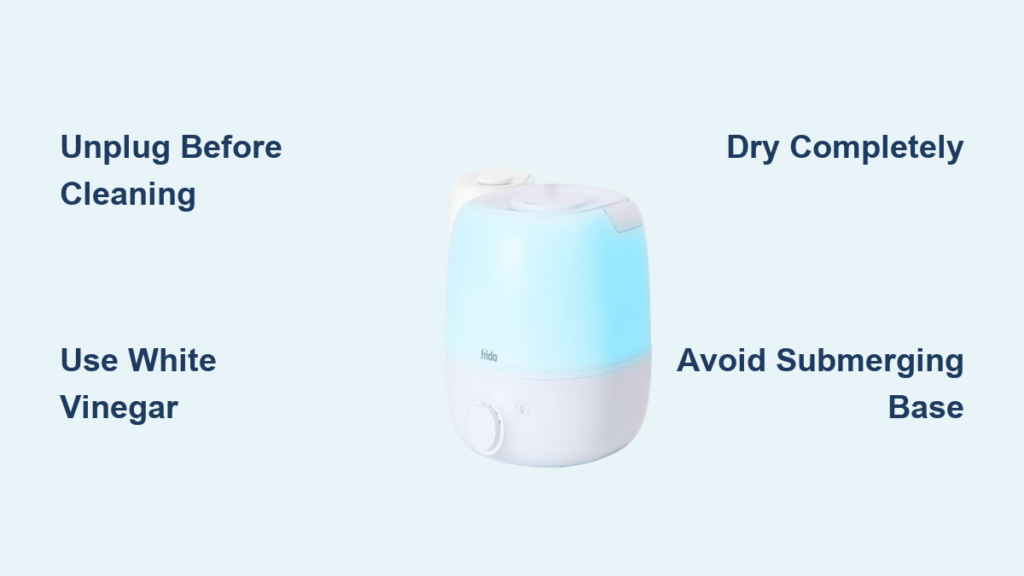
If your Frida Baby humidifier isn’t producing a strong mist or you’ve noticed an odd smell during use, it’s time to clean it. Mineral deposits from water and bacterial growth can build up quickly in cool mist humidifiers, especially with daily use around infants. Knowing how to clean a Frida Baby humidifier the right way ensures your baby breathes clean, safe air and helps the unit last longer. This guide follows only official cleaning instructions from Frida’s support resources, so you can trust every step.
You’ll learn how to clean both the water tank and base safely, prevent mold with proper drying, and avoid common mistakes that could damage your device. We’ll cover weekly cleaning, storage tips, and how to use distilled water to reduce future buildup. Whether you’re a new parent or just troubleshooting performance issues, this step-by-step guide keeps your humidifier running smoothly and safely.
Weekly Cleaning Routine for Optimal Performance
Cleaning your Frida Baby humidifier at least once a week is essential for hygiene and mist output. Regular cleaning prevents mineral buildup and stops bacteria or mold from circulating in your baby’s room. Always start by unplugging the unit and disassembling the parts. Never clean while powered. Follow these steps carefully to protect sensitive components and ensure a thorough clean.
Disconnect and Disassemble Safely
Always unplug the humidifier before cleaning—this is critical for safety. Gently remove the water tank from the base and place both on a clean, dry surface. The 360º Mister attachment should stay on the base and only be spot-cleaned. Do not submerge it. Handle all parts with care, especially the transducer in the base, which is delicate and easily damaged by rough handling or improper cleaning tools.
Clean the Water Tank to Remove Mineral Buildup
The water tank is where limescale and bacteria accumulate most, especially if tap water is used. Cleaning it weekly keeps the mist clean and prevents clogs. White vinegar is the recommended cleaner because it dissolves minerals and disinfects naturally. Bleach can be used as an alternative but requires extra rinsing.
Prepare Vinegar or Bleach Solution
Pour 1 cup of water and 1 cup of undiluted white vinegar into the empty tank. If using bleach instead, mix 1 cup of water with 1 cup of bleach—but only for the tank, never the base. Screw the cap on tightly to prevent leaks. This sealed solution will circulate inside the tank when shaken, breaking down residue along the walls and bottom.
Soak and Shake for Deep Cleaning
Let the solution sit in the tank for 20 minutes to dissolve mineral deposits and kill bacteria. After soaking, gently shake the tank back and forth to loosen any remaining buildup. Do not use brushes or abrasive tools inside the tank. Once done, pour out the solution and rinse the tank thoroughly under running water until no vinegar or bleach smell remains.
Clean the Humidifier Base Without Damaging Components
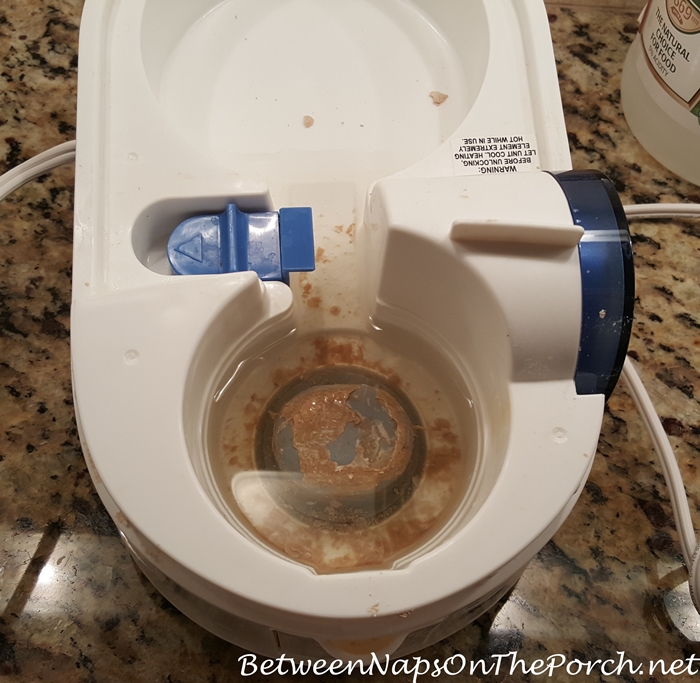
The base houses the transducer, a sensitive part that creates the mist. It must be cleaned carefully—never submerged or scrubbed too hard. Vinegar safely removes scale without harming internal electronics. Bleach should never be used on the base.
Apply Vinegar Directly to the Base
Do not submerge the base in water. Instead, pour a generous amount of undiluted white vinegar directly into the base, covering the bottom where the transducer sits. Let it sit for 20 minutes to loosen mineral deposits. This step is crucial for restoring full mist output and preventing clogs.
Gently Remove Residue With a Soft Brush
After soaking, use a soft bristle brush, like a clean toothbrush, to gently scrub away any visible buildup. Focus on corners and around the transducer, but never scrub the transducer surface itself. Aggressive contact can permanently damage the unit. Wipe out the vinegar with a soft cloth or rinse lightly with water, being careful not to let moisture enter electrical areas.
Eliminate Lingering Odors With a Final Rinse
Even after cleaning, a strong vinegar or bleach smell may remain. Since the humidifier runs in your baby’s room, it’s important to remove any lingering odors or cleaning residue.
Use a Hydrogen Peroxide Rinse
Mix 1 tablespoon of hydrogen peroxide with 1 cup of water. Pour this solution into the tank and lightly into the base (if safe), swirl gently, then rinse thoroughly with clean water. Hydrogen peroxide breaks down into water and oxygen, leaving no harmful chemicals behind. This step is optional but highly effective for odor removal and peace of mind.
Dry and Reassemble to Prevent Mold Growth
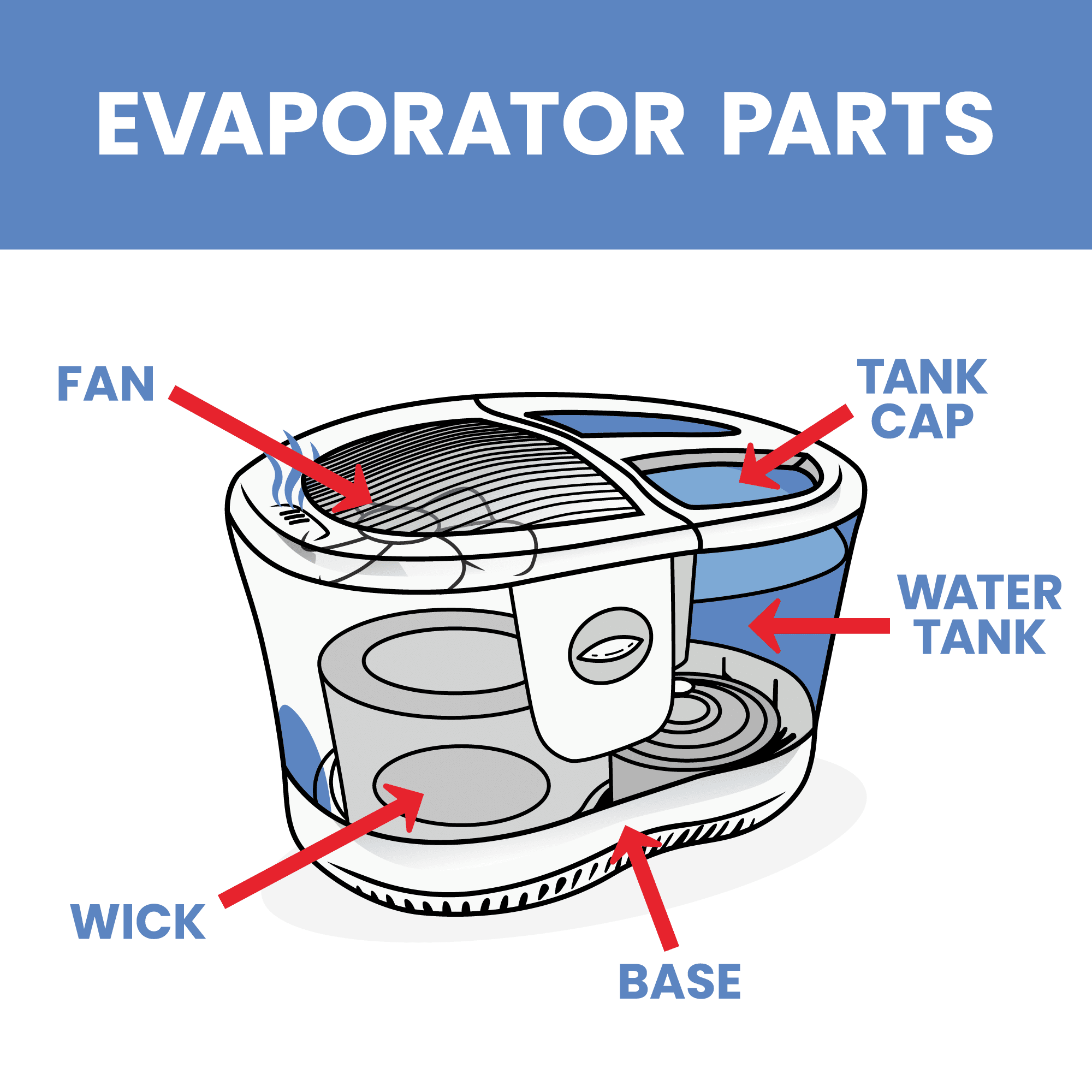
Reassembling a damp humidifier creates a breeding ground for mold and bacteria. Proper drying is just as important as cleaning. Even small amounts of moisture can lead to contamination within hours.
Air-Dry All Parts Completely
After rinsing, dry each part with a clean, lint-free towel. Then let them air-dry on a drying rack or countertop for 1–2 hours. Pay extra attention to the base and the underside of the tank cap. The 360º Mister should be spot-cleaned and left to dry in place if still attached.
Reassemble Only When Fully Dry
Wait until every component is 100% dry before reassembling. Never store or use the humidifier while damp. Once dry, reconnect the tank to the base, plug it in, and run a cycle with clean water (no additives) to flush out any remaining traces before using it in your baby’s room.
Store Your Humidifier to Avoid Musty Smells
Improper storage leads to mold, even in a clean unit. A few simple steps ensure your humidifier stays fresh between uses.
Deep Clean Before Putting Away
Always clean and dry the entire unit before storage, even for short breaks. Follow the full cleaning process, including the hydrogen peroxide rinse if needed. Any trapped moisture can lead to bacterial growth over time.
Place a Paper Towel Inside the Tank
A pro tip: put a dry paper towel or napkin inside the water tank before storing. It absorbs residual humidity and prevents musty odors or mold. Store the unit in a cool, dry place away from dust and sunlight.
Clean Again Before First Use After Storage
Even with proper storage, clean the humidifier again before use. Dust or unseen moisture may have collected. A quick vinegar soak and rinse ensures it’s safe for your baby’s air.
Avoid These Common Frida Humidifier Cleaning Mistakes
Many parents damage their humidifiers by skipping steps or using the wrong methods. Avoid these mistakes to protect your device and your baby.
Never Submerge the Base in Water
The base contains electrical parts. Submerging it can cause permanent damage and create a safety hazard. Always clean it with vinegar applied directly and wiped or rinsed lightly.
Don’t Scrub the Transducer
The transducer is fragile. Scrubbing or scraping it—even gently—can ruin its function. Use only light wiping motions around it, never on the surface.
Skip Harsh Cleaners Like Baking Soda or Lemon Juice
Avoid baking soda pastes, lemon juice, or commercial descalers unless approved by Frida. These can be too abrasive or leave harmful residues. Stick to white vinegar, bleach (tank only), or hydrogen peroxide for safe, effective cleaning.
Stick to a Weekly Cleaning Schedule
Consistency keeps your humidifier working well and your baby safe. Waiting too long leads to stubborn buildup and poor mist output. A regular routine takes just 15–20 minutes.
Set a Phone Reminder to Clean Weekly
Use your calendar or phone to set a weekly reminder. If used daily, clean every 5–6 days. In hard water areas, you may need to clean more often.
Watch for Cloudy Mist or Musty Smells
These are early warning signs. If the mist looks cloudy or smells off, clean immediately. These indicate bacteria or mineral accumulation.
Use Distilled Water to Reduce Cleaning Frequency
One of the easiest ways to minimize buildup is to use distilled or demineralized water instead of tap water. Tap water contains minerals that form limescale on the transducer and tank walls.
Why Distilled Water Makes a Difference
Distilled water has no calcium or magnesium, which means less limescale, fewer cleanings, and longer device life. It’s not required, but highly recommended for easier maintenance and better performance.
Key Takeaways for Long-Term Frida Humidifier Care
A well-maintained Frida Baby humidifier can last through multiple seasons. Simple habits make a big difference in safety and performance.
• Replace worn seals or mist nozzles if you notice leaks or weak mist after cleaning. Contact Frida support for replacement parts.
• Keep the unit out of direct sunlight—UV exposure can promote algae growth and degrade plastic.
• Monitor for persistent issues—if cleaning doesn’t restore mist, the transducer may be damaged and need replacement.
Frequently Asked Questions About Cleaning Frida Baby Humidifier
Can I use bleach to clean my Frida Baby humidifier?
Yes, but only in the water tank. Mix 1 cup of bleach with 1 cup of water, soak for 20 minutes, then rinse thoroughly. Never use bleach in the base, as it can damage internal components.
How often should I clean my Frida Baby humidifier?
Clean it at least once a week during regular use. If used daily or in a hard water area, clean every 5–6 days. Always clean before and after storage.
Why can’t I submerge the base in water?
The base contains electrical components and the transducer. Submerging it can cause permanent damage and create a safety hazard. Clean it with vinegar applied directly and wiped or lightly rinsed.
What should I do if the mist output is weak after cleaning?
Ensure all parts are fully dry before reassembly. If the issue continues, mineral buildup may still be present. Repeat the vinegar soak. If the transducer is damaged, the unit may need replacement.
Can I use lemon juice or baking soda instead of vinegar?
No. These can be too abrasive or leave residues that affect performance. Stick to white vinegar, bleach (tank only), or hydrogen peroxide as recommended by Frida.
How do I prevent mold when storing the humidifier?
Clean and dry all parts completely. Place a dry paper towel inside the tank to absorb moisture, and store in a cool, dry place. Always clean again before reuse.
Final Tips for Keeping Your Frida Humidifier Safe and Effective
Cleaning your Frida Baby humidifier doesn’t have to be complicated—but it must be done right. By cleaning weekly, using distilled water, and letting all parts dry fully, you ensure clean, safe mist for your baby. Avoid submerging the base, never scrub the transducer, and skip harsh cleaners. With consistent care, your humidifier will stay efficient, odor-free, and ready to support healthy breathing all year long.





