
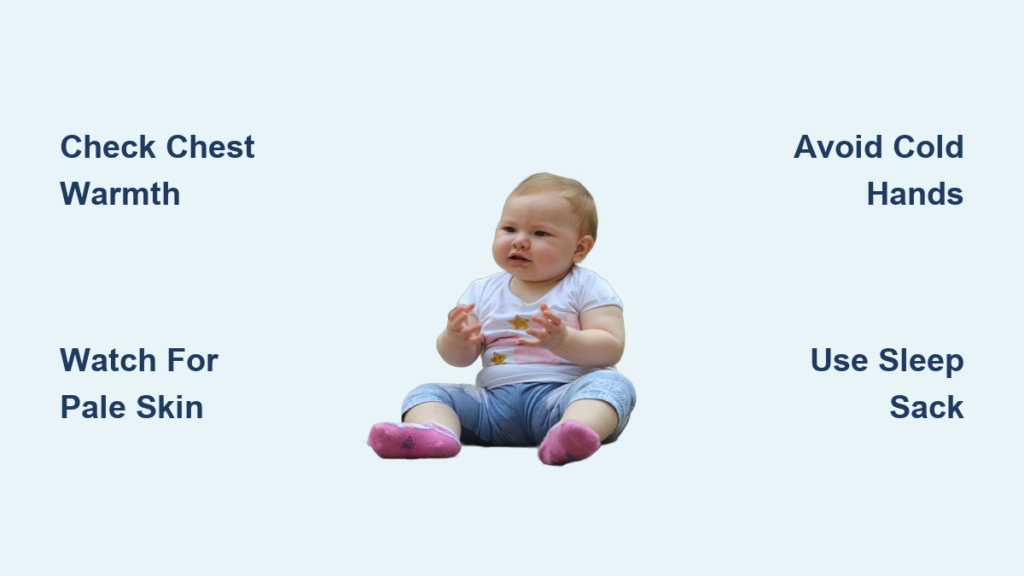
You’ve just put your baby down to sleep, but they won’t settle. They’re fussy, restless, or wake up minutes after falling asleep. One of the most common causes—especially at night—is something simple: your baby is cold. Babies can’t regulate their body temperature like adults, so they rely on you to keep them in a safe, comfortable range. Knowing how to tell if your baby is cold is essential for their sleep, health, and safety. The good news? You don’t need special tools—just a few quick checks and observations.
This guide will show you the most reliable signs your baby is cold, how to respond safely, and how to prevent temperature issues before they happen. From checking skin warmth to choosing the right sleepwear, you’ll learn exactly what to look for and do. You’ll also discover how to balance warmth without overheating—a critical factor in safe sleep. By the end, you’ll feel confident keeping your baby cozy, calm, and safe all night long.
Check the Chest, Back, or Tummy for True Temperature

The most accurate way to know if your baby is cold is to feel their core—specifically the chest, back, or tummy. These areas reflect your baby’s internal temperature better than hands or feet. If the skin feels cool or clammy, your baby may be losing too much heat and needs an extra layer.
Use the Back of Your Hand for a Quick Test
The back of your hand is more sensitive to temperature than your palm. Gently place it on your baby’s chest or back to assess warmth.
- Warm and dry? Your baby is likely at a safe, comfortable temperature.
- Cool or damp? Add a layer or adjust the room temperature.
✅ Pro tip: Always check the core first. Cold hands alone are normal and not a reliable sign of chilling.
Don’t Overreact to Cold Hands and Feet
It’s common for a baby’s hands and feet to feel cool. Their circulatory system is still developing, so blood flow prioritizes the heart, brain, and other vital organs. This means extremities often run cooler—especially in the first few months.
❌ Mistake to avoid: Bundling your baby too much just because their hands are cold. This can lead to overheating, which increases SIDS risk.
Look for Pale, Mottled, or Blue-Tinged Skin

Skin color is a powerful clue to your baby’s temperature. A pale, blotchy, or mottled appearance—especially on the torso—can mean your baby is too cold. Mottling looks like a patchy, net-like pattern and happens when circulation drops due to low body temperature.
Recognize Dangerous Color Changes
- Flushed or red skin? Could mean overheating.
- Pale, blue-tinged, or grayish skin? Likely too cold—especially if seen around the lips, face, or chest.
⚠️ Seek help immediately if your baby’s lips or face turn blue. This could signal poor oxygenation or severe cold stress and requires urgent medical attention.
Watch for Fussiness, Crying, or Restless Sleep
A baby who is cold often can’t settle. They may cry, squirm, or wake up shortly after falling asleep. Since they can’t tell you they’re uncomfortable, fussiness is their main way of communicating.
Common Behavioral Signs of Cold
- Waking up within minutes of being put down
- Refusing to nap despite being tired
- Jerky or restless movements
- Arching away from the crib surface
💡 Expert note: If your baby calms down and sleeps after you add a layer, cold was likely the cause.
Know the Difference Between Shivering and Normal Tremors
Shivering is a clear sign your baby is cold, but it’s rare in newborns. Instead, babies burn brown fat to stay warm—a silent process that doesn’t involve shaking. If you see actual trembling or uncontrollable twitching, act fast to warm them.
❗ Important: Newborns may not shiver at all. That’s why touch and observation are more reliable than visible signs.
Keep Room Temperature Between 68–72°F (20–22°C)

The ideal room temperature for baby sleep is 68 to 72 degrees Fahrenheit (20–22°C). This range supports safe, restful sleep while reducing the risk of both chilling and overheating—a major SIDS concern.
Use a Digital Room Thermometer for Accuracy
Guessing isn’t safe. Use a baby-safe digital thermometer to monitor the room. Place it away from windows, vents, or direct sunlight to avoid false readings.
- Below 68°F? Your baby may get too cold.
- Above 75°F? Overheating risk increases.
🌡️ Pro tip: Choose a model with humidity tracking. Dry air can make a room feel colder than it is.
Dress Baby in One Extra Layer Than You’re Wearing
Dressing your baby correctly prevents both cold and overheating. Follow the “one extra layer” rule: dress your baby in one more layer than you’re wearing.
Layering Examples by Season
- You wear a t-shirt? Baby wears a onesie + lightweight sleep sack.
- You wear long sleeves? Baby wears footed pajamas + mid-weight sack.
- You wear a sweater? Baby wears a onesie, pajamas, and a 2.5–3.5 TOG sack.
✅ Best choice: A well-fitting sleep sack—safe, warm, and SIDS-approved.
Use a Sleep Sack Instead of Blankets
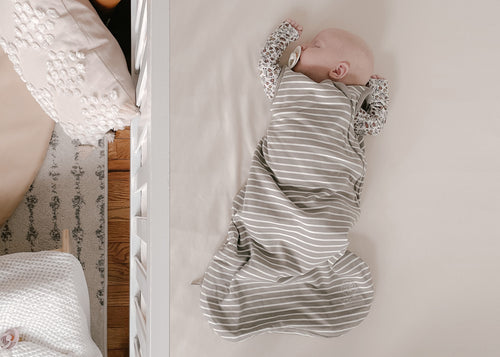
Loose blankets are a suffocation hazard and should never be in the crib. The American Academy of Pediatrics recommends wearable sleep sacks as the safest way to keep your baby warm.
Choose the Right TOG for the Season
TOG measures thermal insulation. Match the TOG to room temperature:
- 0.5–1.0 TOG: Summer or warm rooms (75°F+)
- 2.5 TOG: Spring/Fall (68–72°F)
- 3.5 TOG: Winter or cool rooms (below 68°F)
🔍 TOG tip: Always check the label and room temp before choosing sleepwear.
Prevent Overheating While Staying Warm
While this guide focuses on how to know if baby is cold, remember: overheating is just as dangerous. Babies who are too hot may sweat, have damp hair, flushed cheeks, or rapid breathing.
Signs Your Baby Is Too Hot
- Neck or back feels clammy
- Skin is flushed or red
- Breathing is fast or labored
- Baby is restless or wakes often
⚠️ Critical: Overheating increases SIDS risk. Always prioritize breathability and avoid bundling.
What to Do If Your Baby Is Cold: Step-by-Step
If you suspect your baby is cold, act quickly but calmly.
-
Check the room temperature
Use a thermometer. If below 68°F, warm the room gradually. -
Add one warm layer
Put on a long-sleeve onesie or switch to a higher TOG sleep sack. -
Hold baby skin-to-skin
This transfers warmth quickly and soothes fussiness. -
Recheck core temperature
Wait 10–15 minutes, then feel chest or back again. -
Monitor behavior
If baby settles and sleeps peacefully, the adjustment worked.
❌ Never use: Electric blankets, heating pads, or hot water bottles—these are unsafe for babies.
Eliminate Drafts From Windows, Vents, or Fans
Even in a warm room, cold air from drafts can chill your baby. Check for:
- Open windows or doors
- Air conditioning vents blowing directly on the crib
- Ceiling fans set too high
✅ Fix it: Close vents, use draft stoppers, or reposition the crib away from airflow.
Avoid space heaters—they create fire hazards and uneven heating.
Follow a Nightly Temperature Check Routine
Make this quick checklist part of your bedtime:
- [ ] Feel baby’s chest or back – warm and dry?
- [ ] Check room thermometer – is it 68–72°F?
- [ ] Verify sleepwear – correct TOG and fit?
- [ ] Scan for drafts – any cold spots?
- [ ] Observe skin – no paleness or mottling?
Doing this nightly helps catch issues early and ensures safe, restful sleep.
When to Seek Medical Help for Cold Exposure
Most cold babies just need a layer or warmer room. But some signs mean urgent care is needed:
Seek medical help if your baby:
– Has blue lips or face
– Is lethargic or hard to wake
– Won’t feed or shows weak sucking
– Has shallow or rapid breathing
– Feels cold and stiff to the touch
🚨 Newborns under 3 months are especially vulnerable. When in doubt, call your pediatrician.
5 Essential Rules for Baby Temperature Safety
- Check the core, not hands – chest and back give the true reading.
- Keep room at 68–72°F – use a thermometer for accuracy.
- Use a sleep sack, not blankets – safe, warm, and breathable.
- Watch for fussiness and skin changes – early warning signs.
- Prevent both cold and overheating – balance is key to safety.
Frequently Asked Questions About How to Know If Baby Is Cold
How can I tell if my baby is cold at night?
Check your baby’s chest, back, or tummy. If these areas feel cool or clammy, your baby may be cold. Avoid relying on hands and feet, which are often cooler due to immature circulation.
Can a baby get too cold without crying?
Yes. Newborns may not cry or shiver when cold. Instead, they burn brown fat to generate heat silently. Always check core temperature and room conditions, even if your baby seems quiet.
Is it normal for a baby’s hands to be cold?
Yes. Cold hands are common in babies because their circulation prioritizes core organs. As long as the chest and back feel warm, cold hands are not a cause for concern.
What should a baby wear to sleep in a 70-degree room?
In a 70°F room, dress your baby in a long-sleeve onesie and a 2.5 TOG sleep sack. Avoid hats, socks, or loose blankets unless advised by a doctor.
Can being cold make a baby sick?
Being cold doesn’t directly cause illness, but prolonged cold exposure can stress the immune system. More importantly, extreme cold can lead to hypothermia, especially in newborns.
How do I keep my baby warm without overheating?
Use layers and a sleep sack with the right TOG. Check the room temperature, avoid hats indoors, and never use loose bedding. Feel your baby’s core regularly to stay balanced.
Key Takeaways for Keeping Your Baby Warm and Safe
Knowing how to tell if your baby is cold comes down to checking the right areas, watching for subtle signs, and maintaining a stable sleep environment. Always assess the chest, back, or tummy—not hands or feet. Keep the room between 68–72°F, use a sleep sack with the correct TOG, and eliminate drafts. Balance warmth with safety to prevent both chilling and overheating.
Now that you know the signs, you can act quickly and confidently. Make temperature checks part of your nightly routine, and trust your observations. With these steps, you’re not just reacting—you’re protecting your baby’s comfort, sleep, and health every night.





