
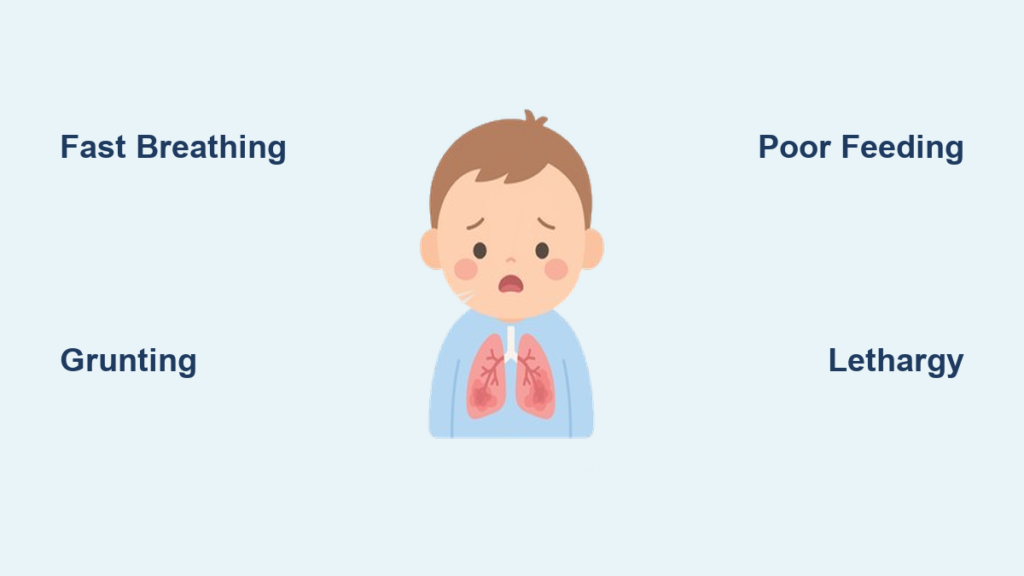
Pneumonia in babies is a serious lung infection that can develop quickly and become life-threatening if not caught early. Unlike older children or adults, infants often don’t show classic symptoms like a strong cough or high fever. Instead, they may appear unusually fussy, lethargic, or refuse to eat. The infection causes fluid or pus to build up in the lungs, making it hard for your baby to breathe and get enough oxygen. It’s one of the leading causes of hospitalization in children under 2, especially in newborns and premature babies. Recognizing the subtle signs—like fast breathing, grunting, or flaring nostrils—can help you act fast and prevent complications.
This guide will walk you through how to identify pneumonia in babies by age, spot emergency warning signs, understand causes and risk factors, and know when to seek medical help. You’ll also learn how doctors diagnose and treat it, plus practical steps to support recovery and prevent future infections.
Watch for Early Breathing Changes
One of the first and most reliable signs that your baby might have pneumonia is a change in breathing. Since babies can’t tell you they’re struggling, you need to watch closely for physical cues that their lungs are working too hard.
Check for Rapid or Labored Breathing
Fast breathing is a key red flag. In infants under 2 months, breathing more than 60 times per minute could indicate respiratory distress. For older babies, more than 50 breaths per minute at rest is concerning. To count breaths, watch your baby’s chest rise and fall for one full minute while they’re calm or sleeping.
Look for these signs of labored breathing:
• Grunting with each breath
• Flaring nostrils
• Chest sinking in below the ribs or above the collarbone (retractions)
• Using belly muscles to breathe
• Breathing that looks shallow or strained
If you notice any of these, your baby is likely struggling to get enough oxygen.
Listen and Observe During Sleep
Noisy breathing during sleep isn’t always a problem, but certain sounds can signal trouble. Wheezing, crackling, or persistent grunting may point to fluid in the lungs. Also, if your baby wakes frequently from coughing or seems restless due to breathing difficulty, it’s time to call the doctor.
Recognize Behavioral and Feeding Warning Signs
Changes in your baby’s normal behavior or eating habits can be early clues of pneumonia, especially when combined with breathing issues.
Monitor for Poor Feeding and Dehydration
Babies with pneumonia often lose interest in feeding because breathing and eating at the same time is exhausting. Watch for:
• Refusing bottles or breastfeeding
• Taking only small amounts
• Falling asleep mid-feed
• Fewer wet diapers (less than 6 in 24 hours)
Fewer wet diapers, dry mouth, sunken eyes, or no tears when crying are signs of dehydration and require medical attention.
Watch for Unusual Tiredness or Irritability
Lethargy—being unusually sleepy, hard to wake, or limp—is a serious symptom. On the other hand, extreme fussiness or inconsolable crying can also signal discomfort from fever, chest pain, or trouble breathing. Either extreme in behavior should prompt a call to your pediatrician.
Identify Symptoms by Age Group
Pneumonia symptoms vary significantly depending on your baby’s age and whether the infection is viral or bacterial.
Newborns (0–28 Days): Subtle but Serious Signs
Pneumonia in newborns can be life-threatening and may mimic sepsis. Symptoms are often vague but progress rapidly.
Early-Onset Pneumonia (At Birth)
This type occurs when a baby is exposed to bacteria during delivery. Signs appear within hours and include:
• Poor feeding
• Lethargy or listlessness
• Breathing problems
• Unstable body temperature (too high or too low)
Late-Onset Pneumonia (After 7 Days)
Common in NICU babies on breathing tubes, symptoms include:
• Worsening breathing difficulties
• Need for more oxygen
• Thick, discolored mucus (brown or yellow)
• Fever or temperature instability
Infants (1–12 Months): Cold That Turns Worse
Pneumonia often starts like a cold but gets progressively worse. Key symptoms:
• Persistent or worsening cough
• Fast or labored breathing
• Wheezing
• Fever (though some babies have low temperature)
• Bluish tint to lips or nails (cyanosis)
Babies may also become clingy or irritable due to discomfort.
Toddlers (1–3 Years): More Classic Symptoms
Older babies and toddlers may show clearer signs:
• High fever (over 102°F or 39°C)
• Cough with mucus
• Chest pain when breathing or coughing
• Abdominal pain
• Difficulty catching breath
They may also complain of being tired or having a headache.
Spot Emergency Warning Signs
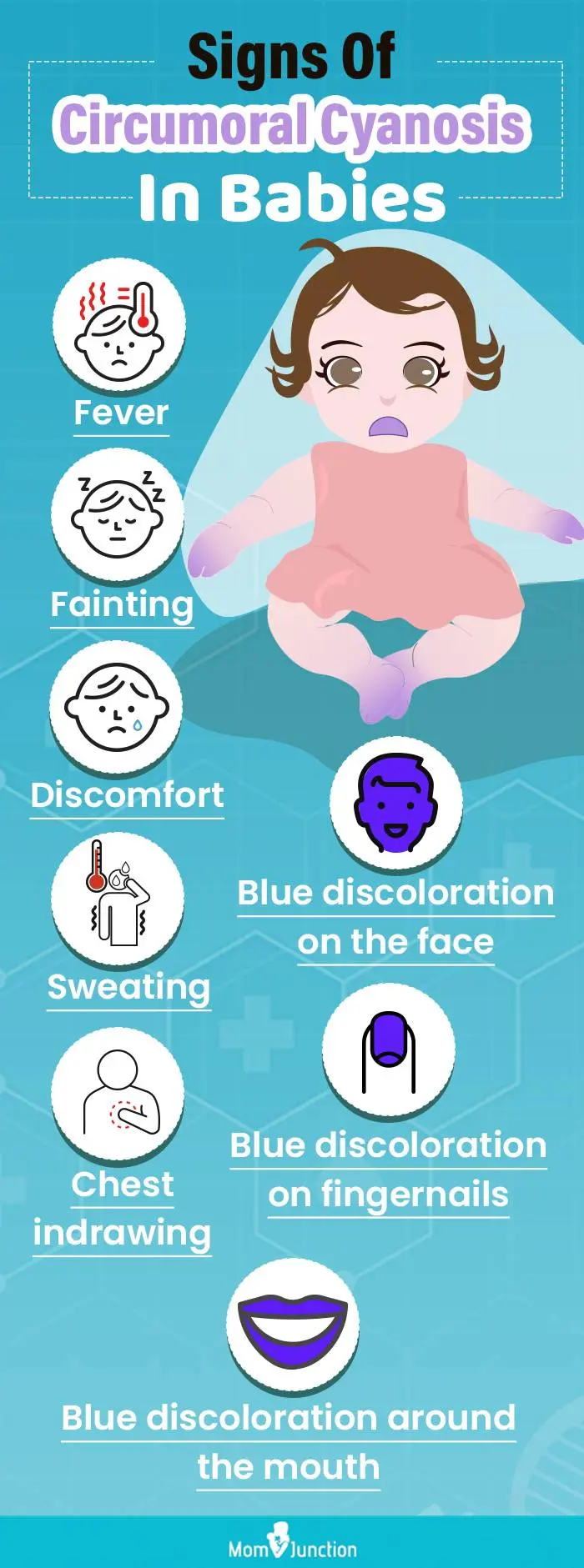
Some symptoms mean your baby needs immediate medical care. Don’t wait—call 911 or go to the ER if you see:
Severe Breathing Distress
• Chest sinking in deeply with each breath (retractions)
• Using belly muscles to breathe
• Nostrils flaring widely
• Grunting, gasping, or breathing so fast you can’t count
• Breathing pauses (apnea)
These are signs your baby is fighting to get oxygen.
Low Oxygen Levels (Cyanosis)
• Bluish color around lips, gums, or fingernails
• Pale, gray, or mottled skin
• Lethargy or inability to stay awake
Cyanosis is a medical emergency and requires oxygen support right away.
Other Red Flags
• High fever that doesn’t respond to medication
• Inability to drink fluids or keep them down
• Severe irritability or inconsolable crying
• Seizures or stiff body
If your baby shows any of these, seek emergency care immediately.
Understand Common Causes of Pneumonia
Pneumonia in babies is usually caused by an infection that spreads from the nose or throat to the lungs.
Viral Infections (Most Common Under Age 5)
Viruses cause most pneumonia cases in young children. Common ones include:
• RSV (Respiratory Syncytial Virus) – especially dangerous in infants
• Influenza (flu) – can lead to severe pneumonia
• Parainfluenza – causes croup and lung infections
• Adenovirus – can cause prolonged illness
Viral pneumonia usually improves with rest and supportive care.
Bacterial Infections
Bacteria cause more severe cases and require antibiotics. Common culprits:
• Streptococcus pneumoniae – most common bacterial cause
• Haemophilus influenzae type b (Hib)
• Mycoplasma pneumoniae – more common in older children
• Bordetella pertussis – causes whooping cough
Other Causes
• Aspiration pneumonia: When food, liquid, or saliva is inhaled into the lungs—more common in babies with swallowing issues.
• Hospital-acquired pneumonia: Especially in NICU babies on breathing machines.
Know the Risk Factors
Some babies are more likely to develop pneumonia or have severe cases.
High-Risk Groups
• Premature babies: Underdeveloped lungs increase risk.
• Babies under 6 months: Immune systems are still maturing.
• Children with chronic conditions:
• Lung disease (like bronchopulmonary dysplasia)
• Heart defects
• Weakened immune system
• Neurological disorders affecting swallowing
Environmental Risks
• Secondhand smoke exposure: Damages lung tissue and increases infection risk.
• Poor indoor air quality: Dust, mold, or pollution can irritate airways.
• Crowded living conditions: Makes it easier for infections to spread.
Vaccination Status
Unvaccinated babies are at higher risk. Key vaccines that help prevent pneumonia include:
• PCV15 or PCV20 (pneumococcal vaccine)
• Hib vaccine
• DTaP (protects against whooping cough)
• Influenza vaccine (yearly)
• RSV vaccine (for high-risk infants)
• COVID-19 vaccine (for eligible children)
Staying up to date on vaccines is one of the best ways to prevent serious pneumonia.
How Doctors Diagnose Pneumonia

If you suspect pneumonia, your pediatrician will evaluate your baby and may order tests.
Physical Exam
The doctor will:
• Listen to your baby’s lungs for crackles, wheezing, or reduced breath sounds
• Check breathing rate and effort
• Measure temperature and oxygen levels
• Ask about symptoms and recent illnesses
Diagnostic Tests
Not every child needs all tests. The doctor will choose based on severity.
Chest X-Ray
• Confirms infection in the lungs
• Shows how much lung is affected
• Helps rule out other conditions
Pulse Oximetry
• Measures blood oxygen levels
• Normal: 95–100%
• Below 92% may require oxygen therapy
Blood Tests
• Check for infection (elevated white blood cells)
• Look for bacteria in the bloodstream
• Help determine if cause is viral or bacterial
Nasal or Sputum Swab
• Tests mucus for viruses (RSV, flu) or bacteria
• PCR or rapid antigen tests give fast results
Spinal Tap (for Newborns)
• Done if sepsis is suspected
• Checks for bacteria in spinal fluid
• Part of a full sepsis workup
Treatment Based on Cause and Severity
Treatment depends on the cause, age, and how sick your baby is.
Viral Pneumonia
• No antibiotics needed
• Focus on supportive care:
• Rest
• Plenty of fluids
• Fever reducers (acetaminophen or ibuprofen)
• Antiviral drugs (e.g., oseltamivir) for flu
Bacterial Pneumonia
• Treated with antibiotics:
• Oral antibiotics at home for mild cases
• IV antibiotics in the hospital for severe cases
• Improvement usually seen within 2–3 days
Hospital Care for Severe Cases
Babies may need hospitalization if they:
• Can’t keep fluids down
• Have low oxygen levels
• Are having severe trouble breathing
• Are under 3 months old
Hospital treatments include:
• Oxygen therapy
• IV fluids and antibiotics
• Nebulizer treatments
• Mechanical ventilation (in extreme cases)
Support Recovery at Home
Most babies with mild pneumonia recover at home with proper care.
Key Home Care Steps
• Hydration: Offer frequent breastfeeds, formula, or small sips of water (for older infants).
• Rest: Let your baby sleep as much as needed.
• Fever control: Use acetaminophen or ibuprofen as directed. Never give aspirin.
• Humidified air: A cool-mist humidifier can ease breathing.
What to Avoid
• Avoid cough and cold medicines in children under 6—they don’t work and can be harmful.
• Never give a cough suppressant—coughing helps clear mucus.
• Don’t stop antibiotics early—finish the full course, even if your baby seems better.
Watch for Dehydration
Signs include:
• Dry mouth
• Fewer wet diapers (less than 6 in 24 hours)
• Sunken eyes
• No tears when crying
• Lethargy
Call your doctor if you notice these.
Track Recovery and Follow Up
Recovery time varies, but most babies start feeling better within a week.
Expected Recovery Timeline
• Mild pneumonia: 2–3 weeks
• Viral pneumonia: 1–3 weeks to improve
• Severe pneumonia: 6–8 weeks or longer
Cough may linger for weeks even after the infection is gone.
Follow-Up Care
• Attend all follow-up appointments
• Call your pediatrician if symptoms return or worsen
• Keep a list of medications and test results
• In Canada, call 811 to reach a nurse advice line for guidance
Prevent Pneumonia Before It Starts
Many cases of pneumonia can be prevented with simple, proven strategies.
Vaccinate on Schedule
Ensure your baby receives:
• PCV15 or PCV20 by age 15 months
• Hib vaccine series
• DTaP (whooping cough protection)
• Annual flu shot starting at 6 months
• RSV vaccine if high-risk
• COVID-19 vaccine when eligible
Practice Healthy Habits
• Wash hands frequently—yours and your baby’s
• Avoid sick people—especially during cold and flu season
• Keep your home smoke-free
• Breastfeed if possible—provides immune protection
• Clean toys and surfaces regularly
For NICU Babies
• Limit time on breathing tubes
• Practice strict hand hygiene
• Use gloves and disinfect equipment
Frequently Asked Questions About Baby Pneumonia
Can a baby have pneumonia without a fever?
Yes. Babies, especially newborns, may not develop a fever with pneumonia. Instead, they might have a low body temperature, poor feeding, or breathing problems. Always watch for changes in breathing and behavior.
How fast does pneumonia develop in babies?
Pneumonia can develop within hours to a few days after a cold or respiratory virus. In newborns, symptoms can appear within hours of birth. It often worsens quickly, so early recognition is crucial.
Is fast breathing always a sign of pneumonia?
Fast breathing is a key warning sign, but it can also occur with other illnesses like bronchiolitis or fever. However, if your baby is breathing over 60 times per minute at rest, or shows retractions or grunting, seek medical advice immediately.
Can teething cause pneumonia-like symptoms?
No. Teething may cause mild drooling, irritability, or low-grade temperature, but it does not cause fast breathing, grunting, or bluish lips. These are signs of serious illness and should never be dismissed as teething.
How long does it take for a baby to recover from pneumonia?
Most babies with mild pneumonia recover in 2–3 weeks. Viral cases may take 1–3 weeks to improve. Severe cases can take 6–8 weeks or longer. Cough often lasts beyond the infection.
When should I call the doctor if I suspect pneumonia?
Call your pediatrician right away if your baby has fast breathing, grunting, poor feeding, or lethargy. Seek emergency care for bluish lips, severe breathing trouble, or inability to stay awake.
Key Takeaways for Parents: Spotting and Responding to Pneumonia
Pneumonia in babies is serious but treatable when caught early. The most critical signs to watch for are fast or labored breathing, grunting, flaring nostrils, poor feeding, and lethargy. Newborns may show subtle symptoms like temperature instability or listlessness. Toddlers may have more classic signs like high fever and chest pain.
Act fast if you see danger signs like cyanosis, severe retractions, or difficulty staying awake. Call 911 or go to the ER immediately. For milder concerns, contact your pediatrician right away—early diagnosis improves outcomes.
Support recovery with hydration, rest, and fever control. Never give cough medicine to children under 6. Finish all prescribed antibiotics. Stay up to date on vaccines and practice healthy habits to prevent future infections.
If in doubt, always seek medical advice. Your baby’s health is worth the extra caution.





