
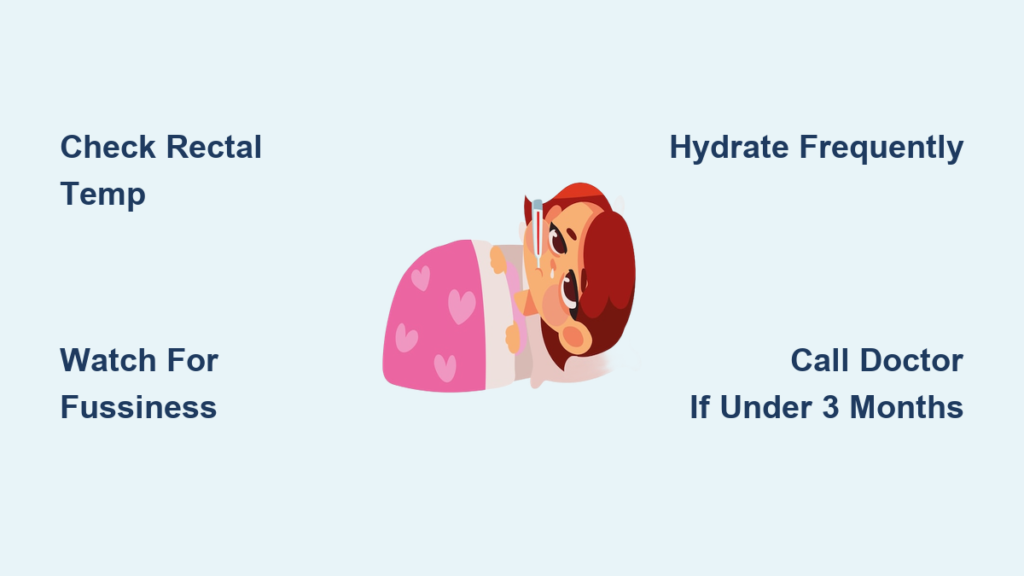
A fever in a baby can be alarming, but knowing how to detect it accurately and respond appropriately is crucial for their safety. A fever—defined as a body temperature of 100.4°F (38°C) or higher—is not an illness itself, but a sign that your baby’s immune system is fighting an infection. While fevers are common, how you react should depend on your baby’s age, behavior, and accompanying symptoms. For newborns, even a slight fever can signal a serious condition.
This guide will walk you through the most reliable ways to check your baby’s temperature, recognize subtle signs of fever, understand age-specific risks, and know when to seek medical help. You’ll also learn safe home care strategies and avoid common mistakes parents make when managing a baby’s fever.
Accurate Ways to Check Baby’s Temperature
Getting a precise reading is essential—especially in infants. Not all thermometers or methods are equally reliable for young babies.
Use a Digital Thermometer for Best Results
For babies under 3 months, rectal temperature is the most accurate method recommended by pediatricians.
- Step-by-step rectal check:
• Lay your baby on their back with knees bent, or on their side.
• Apply a small amount of petroleum jelly to the thermometer tip.
• Gently insert it about ½ inch into the rectum.
• Hold it in place until it beeps (usually 1–2 minutes).
• Clean the thermometer with soap and water afterward.
📌 Tip: Stay calm and gentle. If your baby resists, pause and try again when they’re relaxed.
Avoid Inaccurate Methods in Infants
Some thermometers are convenient but less reliable for babies:
- Forehead (temporal) thermometers: May give false readings in newborns due to ambient temperature or sweating.
- Ear (tympanic) thermometers: Not accurate in babies under 6 months because of narrow ear canals.
- Armpit (axillary) checks: Can be used for screening but not for confirmation.
If an armpit reading shows 99°F (37.2°C) or higher, follow up with a rectal measurement to confirm.
Physical and Behavioral Signs of Fever in Babies
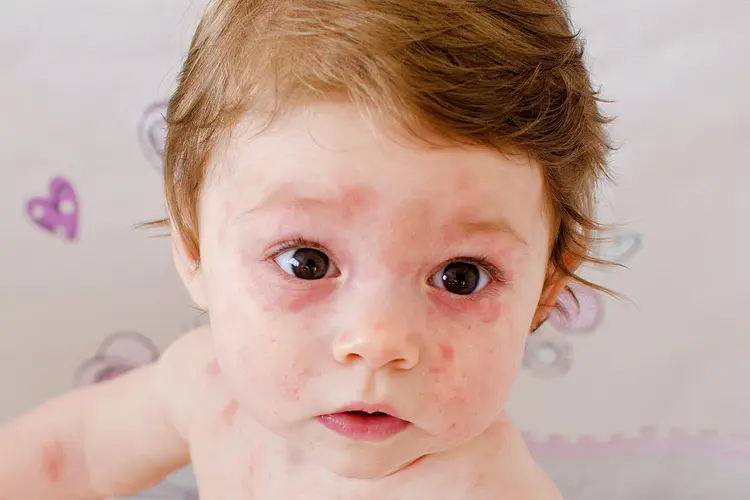
Babies can’t tell you they feel sick, so you must watch for changes in how they act and look.
Common Symptoms of a Fever
- Warm, flushed skin on the face, chest, or back
- Increased fussiness or crying
- Reduced interest in feeding
- Excessive sleepiness or difficulty waking
- Sweating or shivering
- Faster breathing than usual
Some babies may also develop a mild rash or seem generally “off.”
Subtle Warning Signs in Newborns
In babies under 3 months, fever symptoms can be very mild:
– Slight lethargy or lack of alertness
– Poor feeding (taking less than half of usual bottles or nursing sessions)
– Weak or high-pitched cry
– Cool, blotchy, or mottled skin
⚠️ Even if the fever seems mild, a confirmed temperature of 100.4°F or higher in a baby under 3 months requires immediate medical attention.
How to Respond Based on Baby’s Age
Your baby’s age determines how serious a fever might be. The younger the infant, the higher the risk of complications.
Under 3 Months: Seek Medical Care Immediately
Any rectal temperature at or above 100.4°F (38°C) is a medical emergency for babies under 3 months.
At this age, infections like:
– Urinary tract infections (UTIs)
– Bacterial meningitis
– Sepsis
– Pneumonia
—can progress rapidly. Your doctor may order blood tests, urine analysis, or a spinal tap to rule out life-threatening conditions.
📌 Pro Tip: Have your baby’s exact temperature, feeding patterns, and symptoms ready when you call the clinic.
3–6 Months: Monitor Closely and Call if Needed
A fever between 100.4°F and 102°F may not be urgent if your baby is:
– Smiling or responding to you
– Drinking fluids
– Not crying nonstop
But if the temperature reaches 102°F or higher, or your baby seems unusually sleepy or irritable, contact your pediatrician within a few hours.
6–12 Months: Manage at Home with Caution
Most fevers in this age group are caused by viral infections like colds or earaches. You can usually manage at home if:
– Fever is below 103°F
– Baby is alert and hydrated
– No red flag symptoms are present
Call your doctor if the fever lasts more than 24–48 hours or if your baby starts acting worse.
When to Call the Doctor Right Away

Even a mild fever becomes concerning if certain symptoms appear. These are signs your baby needs urgent evaluation.
Critical Warning Signs
- Fever with a non-blanching rash (a rash that doesn’t fade when pressed with a glass)—possible sign of meningitis
- Breathing problems: Fast breathing, grunting, or skin pulling in around the ribs
- Signs of dehydration: No wet diaper for 8 hours, dry mouth, sunken soft spot (fontanelle)
- Seizure: Any stiffening, jerking, or loss of consciousness
- Extreme lethargy: Can’t be woken easily or doesn’t respond to cuddling
⚠️ Trust your instincts. If something feels wrong—even if the fever isn’t high—call your pediatrician.
Fever Lasting 5 Days or More
A fever that continues for five days or longer needs medical review, even if your baby seems fine. It could indicate:
– Undiagnosed UTI
– Sinus or middle ear infection
– Kawasaki disease (a rare but serious condition in young children)
Safe Ways to Reduce Fever at Home
Not every fever requires treatment. If your baby is comfortable, feeding well, and acting normally, you may not need to give medicine.
When to Use Fever-Reducing Medication
Consider medication if:
– Baby seems uncomfortable or in pain
– Temperature is 102°F or higher
– Baby is fussy, restless, or having trouble sleeping
Approved Medications by Age
| Age | Safe Medication | Important Notes |
|---|---|---|
| Any age | Acetaminophen (Tylenol) | Use infant drops; dose by weight |
| 6 months and older | Ibuprofen (Motrin, Advil) | Not safe for younger infants |
⚠️ Never give aspirin—it can cause Reye’s syndrome, a rare but life-threatening condition.
Avoid Dosing Mistakes
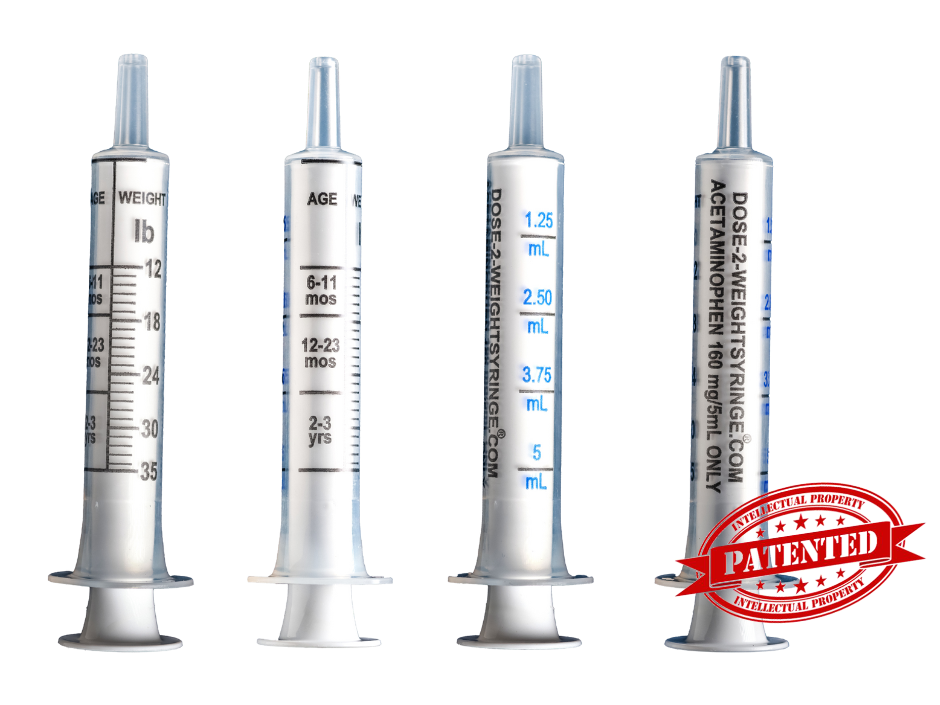
- Always use the measuring syringe that comes with the medicine.
- Check the concentration—infant drops are stronger than children’s liquid.
- Write down each dose—include time and amount—to prevent double dosing.
- Wait 4–6 hours between acetaminophen doses; 6–8 hours for ibuprofen.
Can You Alternate Tylenol and Motrin?
Some parents alternate medications to keep fever down. This can work, but only if done carefully.
- Example safe schedule:
• 12:00 PM: Acetaminophen
• 3:00 PM: Ibuprofen
• 6:00 PM: Acetaminophen
• 9:00 PM: Ibuprofen
⚠️ Risk: Confusing the timing or dosage can lead to overdose. Only alternate under your doctor’s guidance.
Comfort Measures Without Medicine

Medication isn’t the only way to help your baby feel better during a fever.
Keep Baby Hydrated
- Breastfed babies: Nurse more often—breast milk provides fluids and immune support.
- Formula-fed babies: Offer smaller, more frequent bottles.
- Babies 6+ months: Offer water or oral rehydration solutions like Pedialyte.
📌 Sign of good hydration: At least one wet diaper every 8 hours.
Dress Lightly and Keep Room Cool
- Use lightweight clothing
- Keep room temperature between 70–72°F
- Avoid heavy blankets or bundling
Overdressing traps heat and can make the fever worse.
Use a Cool Washcloth for Comfort
Place a damp, lukewarm cloth on your baby’s forehead or neck. Replace it when it warms up.
❌ Do not use:
– Ice packs
– Cold baths
– Alcohol rubs
These can cause shivering, which raises body temperature.
Let Baby Rest as Needed
Sleep helps the body heal. It’s okay if your baby naps more than usual or wants to be held constantly.
Preventing Fevers: Vaccines and Clean Habits
While not all fevers can be avoided, many serious infections are preventable.
Stay Up to Date on Vaccinations
Routine vaccines protect against high-fever illnesses like:
– Hib (Haemophilus influenzae type b)
– Pneumococcal disease
– Pertussis (whooping cough)
– Influenza (flu)
Following the CDC immunization schedule reduces the risk of dangerous infections.
Practice Good Hygiene
- Wash hands before touching the baby
- Keep sick visitors away
- Clean bottles, pacifiers, and toys regularly
- Avoid crowded places during cold and flu season
📌 Pro Tip: Ask people not to kiss your baby’s face—germs spread easily through saliva.
Common Mistakes Parents Make With Baby Fevers
Even caring parents can make errors when managing a fever. Avoid these common pitfalls.
Mistake #1: Relying on Touch to Detect Fever
Feeling your baby’s forehead is not reliable. Many fevers go undetected this way.
✅ Always confirm with a digital thermometer.
Mistake #2: Overdressing to “Sweat Out” the Fever
This outdated idea can cause overheating, which is dangerous for babies.
✅ Dress lightly and keep the room cool.
Mistake #3: Using Adult Medications
Adult pain relievers are not safe for babies—even in smaller doses.
✅ Use only infant-specific medicines and follow weight-based dosing.
Mistake #4: Focusing Only on the Number
A 104°F fever in a smiling, playful baby is less concerning than a 101°F fever in a lethargic, dehydrated one.
✅ Focus on behavior, not just temperature.
Key Takeaways for Knowing If Baby Has a Fever
A fever is a sign your baby’s body is fighting infection—not a disease itself. What matters most is how your baby is acting. For infants under 3 months, any fever is an emergency and requires immediate medical care. For older babies, monitor symptoms, hydration, and behavior closely.
Use a digital thermometer for accurate readings, avoid common mistakes, and know when to call the doctor. Trust your instincts—if something feels wrong, it’s always better to get checked.
Next Step: Keep your pediatrician’s number handy and write down your baby’s symptoms and temperature before calling.
Frequently Asked Questions About Baby Fevers
How do I know if my baby has a fever without a thermometer?
You can’t reliably tell without a thermometer. Feeling the forehead may miss a fever. Look for signs like flushed skin, sweating, shivering, or unusual fussiness—but always confirm with a digital thermometer.
Is 99.5°F a fever in a baby?
No. A fever is 100.4°F (38°C) or higher. A reading of 99.5°F may be normal, especially if taken under the arm. Confirm with a rectal thermometer if concerned.
Can teething cause a high fever?
No. Teething may cause a slight temperature rise, but not over 100.4°F. A true fever is a sign of infection, not teething.
What should I do if my baby has a fever and is sleeping?
Let them rest. Check their breathing and skin color. Wake them to offer fluids if it’s time to feed. Seek help if they’re hard to wake or breathing abnormally.
Can a baby have a fever with no other symptoms?
Yes. Some infections—like UTIs—can cause fever without cough, runny nose, or diarrhea. Always take a fever seriously, especially in babies under 3 months.
When can my baby return to daycare after a fever?
Wait until your baby has been fever-free for at least 24 hours without medication and is eating, drinking, and acting normally.





