
You hear a tiny “hic” and glance down to see your baby’s chest twitching with each spasm. Hiccups in infants are startling at first, but they’re incredibly common—especially in newborns. How to get a baby to stop hiccuping is a top concern for parents, particularly when hiccups disrupt feeding or sleep. The good news? Most baby hiccups are harmless and fade on their own within minutes. They’re often linked to digestion, an immature diaphragm, or swallowing air during feeds.
Knowing safe, effective ways to stop baby hiccups can ease your worry and help your little one stay comfortable. This guide covers pediatrician-approved techniques to stop hiccups fast, prevent them from recurring, and recognize when they might signal a bigger issue. From feeding adjustments to soothing tricks, you’ll learn exactly what to do—so you can respond calmly the next time those little hiccups start.
Recognize Normal vs. Problematic Hiccups
When Baby Hiccups Are Harmless
Most infant hiccups occur after feeding and last between 5 and 15 minutes. They’re often triggered by a full stomach, swallowed air, or sudden changes in temperature. If your baby is eating well, gaining weight, and not fussy, the hiccups are likely just part of normal development. Even unborn babies hiccup in the womb, usually during the second and third trimesters, as a way to strengthen their breathing muscles.
Hiccups are so common in babies under one year that many doctors see them as a sign of a healthy nervous system. As long as your baby isn’t crying, arching their back, or struggling to breathe, you usually don’t need to intervene.
Signs That Need Medical Attention
While most hiccups are normal, frequent or long-lasting episodes may need a doctor’s review. Contact your pediatrician if your baby:
• Hiccups last longer than 3 hours
• Hiccups happen multiple times daily, every day
• Shows signs of reflux, like forceful spitting up or refusing feeds
• Cries or arches their back during hiccups
• Has trouble breathing or swallowing
Persistent hiccups could point to gastroesophageal reflux (GERD), nerve irritation, or diaphragm sensitivity. A doctor can check for underlying causes and recommend treatment if needed.
Feed Smarter to Prevent Hiccups
Use Proper Feeding Position
The way you feed your baby affects how much air they swallow—key to preventing hiccups. Hold your baby at a 30–45 degree angle during feeding. This keeps milk flowing smoothly and reduces air intake. For bottle-fed babies, keep the nipple filled with milk throughout the feed to avoid air bubbles.
If breastfeeding, aim for a deep latch—your baby’s mouth should cover most of the areola. A shallow latch leads to gulping and excess air. For bottle feeding, consider anti-colic bottles with vent systems that reduce air swallowing. Brands like Dr. Brown’s, Comotomo, and Philips Avent are designed to minimize gas and hiccups.
Control Feeding Pace
Fast feeding overfills the stomach and triggers hiccups. If your baby gulps or chokes, pause every 3–5 minutes to burp them. Bottle-fed infants may benefit from a slow-flow nipple that matches their age and feeding speed. Breastfed babies usually self-regulate, but if your milk lets down forcefully, try the “laid-back” position to slow the flow.
Watch for sucking fatigue—when your baby slows down or falls asleep mid-feed. Gently burp them before continuing. A quiet, calm feeding space also helps prevent rushed eating.
Effective Ways to Stop Hiccups
Burp Your Baby Mid-Feed
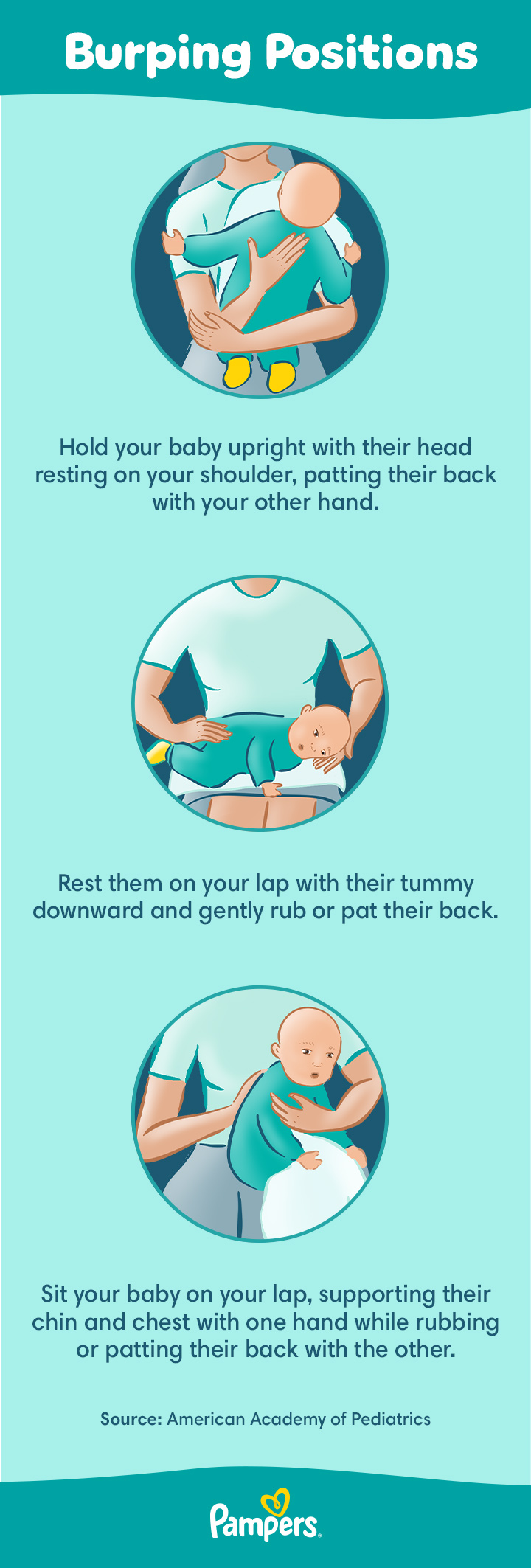
Burping is one of the fastest ways to stop hiccups. Pause feeding halfway through and hold your baby upright against your chest. Use gentle pats or circular rubs on their upper back to release trapped air.
Try these safe burping positions:
• Over-the-shoulder: Support head and neck, back straight
• Sitting on lap: Lean baby forward, support chest and jaw
• Face-down on lap: Lay baby belly-down, gently rub back
Even if no burp comes out, the upright position helps settle the stomach and calm the diaphragm.
Offer a Pacifier
Sucking activates the vagus nerve, which can reset the diaphragm and stop hiccups. If your baby is calm, offer a clean pacifier. The steady sucking motion often interrupts the hiccup reflex. This works well for post-feeding hiccups or hiccups during drowsiness.
If your baby refuses the pacifier, try gentle thumb sucking or light fingertip massage on the roof of their mouth.
Give a Small Feeding Top-Up
Sometimes, a few sips of milk can relax the diaphragm and stop hiccups. Offer a brief feed—even if your baby isn’t hungry. The swallowing action helps break the hiccup cycle. Avoid overfeeding, as a bloated stomach can make hiccups worse.
For older babies (6+ months), a teaspoon of water from a spoon or sippy cup may help. Never give water to babies under 6 months unless directed by a doctor.
Soothe Without Interference

Keep Baby Upright After Feeding
Hold your baby upright for 15–20 minutes after feeding to prevent stomach pressure on the diaphragm. This reduces hiccups and spit-up. Use a baby carrier or simply hold them while walking or rocking.
Avoid laying your baby flat in the crib or bouncer right after eating. Gravity helps keep milk down and allows air to rise for easier burping.
Try Gentle Movement
Rocking, swaying, or walking with your baby calms the nervous system and can stop hiccups. The motion mimics the womb and helps regulate breathing. Use a glider chair, stroller, or baby swing for gentle, rhythmic movement.
Avoid jostling or bouncing, which can increase air swallowing and worsen symptoms.
Use a Warm Cloth
A warm (not hot) cloth placed lightly on your baby’s tummy can relax abdominal muscles and ease diaphragm spasms. Test the temperature on your inner wrist first. This method works best when combined with upright positioning and quiet time.
Never use heating pads or hot water bottles—they can burn delicate skin.
Debunked Remedies to Avoid
Don’t Startle Your Baby
Some believe scaring a baby stops hiccups. This is not only ineffective but potentially harmful. Loud noises or sudden movements can increase stress and heart rate. Babies respond better to calm, reassuring touch than shock tactics.
Skip the Sugar or Lemon Tricks
Old remedies suggest placing sugar on the tongue or giving lemon water. These are unsafe for infants. Sugar poses a choking hazard and isn’t recommended before 12 months. Citrus can irritate the digestive tract and cause rashes or reflux.
Never Hold Baby’s Breath
Never hold a baby’s breath to stop hiccups. This is dangerous and can lead to low oxygen levels. Always use gentle, non-invasive methods that support your baby’s comfort and safety.
Prevent Hiccups Before They Start

Choose the Right Bottle and Nipple
If bottle-feeding, use slow-flow nipples suited to your baby’s age. Wide-neck bottles with anti-colic vents reduce air intake. Replace nipples every 2–3 months or if they show wear. A damaged nipple can let in excess air, leading to more hiccups and gas.
Feed Before Baby Gets Overhungry
An overly hungry baby tends to guzzle milk quickly, increasing air swallowing. Feed before your baby becomes frantic or cries. Watch for early hunger cues like:
• Rooting (turning head, mouth open)
• Sucking on hands
• Fussing or squirming
Calm feeding reduces the risk of hiccups and colic.
Avoid Overfeeding
A full stomach presses on the diaphragm, triggering hiccups. Follow your baby’s hunger cues instead of a strict schedule. Signs of overfeeding include:
• Frequent spitting up
• Gassiness or bloating
• Fussiness after feeds
Newborns typically eat 8–12 times per day, but amounts vary. Talk to your pediatrician if you’re unsure about feeding volume.
Hiccups During Sleep: What to Do
Let Mild Hiccups Pass
If your baby hiccups while falling asleep or during naps, let them be. Most sleep-time hiccups are brief and don’t wake the baby. Interrupting sleep to burp or feed can do more harm than good.
These hiccups are usually caused by residual air in the stomach or natural diaphragm activity. They often stop within minutes without any action.
Check Sleep Position
Always place your baby on their back in a safe crib—this is the only recommended position to reduce SIDS risk. While lying flat can sometimes bring back hiccups, propping up the crib or using pillows is unsafe and should never be done.
If hiccups disturb sleep often, review your feeding and burping routine before bedtime.
Frequently Asked Questions About Baby Hiccups
Why does my baby get hiccups after every feeding?
Baby hiccups after feeding are usually caused by swallowed air or a full stomach. The immature diaphragm is easily irritated, triggering spasms. Burping mid-feed and feeding in an upright position can help reduce post-feeding hiccups.
Can hiccups hurt my newborn?
No, hiccups are not painful for most babies. They rarely cause discomfort and usually don’t interfere with breathing or feeding. If your baby seems distressed, check for signs of reflux or overfeeding.
Should I wake my baby to burp if they have hiccups?
No, do not wake a sleeping baby just to burp. If hiccups occur during sleep, let them pass. Waking your baby may disrupt their rest and isn’t necessary unless they’re fussy or have reflux.
Is it safe to give water to stop baby hiccups?
Only for babies 6 months and older. A small amount of water from a spoon or sippy cup may help. Never give water to infants under 6 months unless advised by a doctor—it can interfere with nutrient absorption and cause water intoxication.
Do hiccups mean my baby is cold?
Not usually. While sudden temperature changes can trigger hiccups, they’re more often linked to feeding. Dress your baby in one extra layer than you’re wearing, and avoid drafts to maintain a stable body temperature.
When do babies stop getting hiccups?
Most babies outgrow frequent hiccups by 6–12 months as their digestive and nervous systems mature. Occasional hiccups may still happen, but they become less frequent and shorter in duration.
Key Takeaways for Stopping Baby Hiccups
Baby hiccups are normal and usually harmless. The best way to stop them is through mid-feed burping, upright feeding, and gentle soothing techniques like pacifier use or rocking. Avoid unsafe myths like startling or holding breath—stick to calm, proven methods.
Prevention starts with feeding habits: control the pace, avoid overfeeding, and use the right bottle setup. Most babies grow out of frequent hiccups within the first year. If hiccups last hours, happen daily, or cause distress, talk to your pediatrician. Otherwise, rest easy—those little hiccups are just a sign your baby is growing.





