

Thumb sucking is one of the most common self-soothing behaviors in infants, and while it’s completely normal in early development, many parents wonder when—and how—to help their child stop. The good news? Most children naturally outgrow thumb sucking by age 4 or 5, especially as they start school and become more socially aware. But if your toddler or preschooler continues the habit past this point, or if you’re concerned about dental issues or dependency, there are gentle, effective strategies to guide them toward breaking it.
The key is timing and approach. Trying to stop a newborn from thumb sucking is not only ineffective—it’s unnecessary. In the first few months, this behavior is a natural reflex, not a habit. Forcing cessation can cause distress and backfire. Instead, focus shifts around age 2–3, when thumb sucking becomes a learned comfort mechanism. That’s when positive reinforcement, alternative soothing techniques, and simple physical aids can make a real difference.
Know When Thumb Sucking Is Normal
Thumb Sucking Is a Natural Reflex in Newborns
In the first few weeks of life, thumb sucking is not a habit—it’s a biological reflex. Babies use it to calm down, fall asleep, or explore their hands. It’s as instinctive as rooting for milk or grasping a finger. Pediatric experts agree: do not intervene during infancy. Trying to stop this behavior too early can lead to frustration and does not work because it’s hardwired into your baby’s nervous system.
Instead of stopping it, respond with gentle care:
• Check for hunger, wet diapers, or tiredness
• Offer skin-to-skin contact or rocking
• Swaddle to reduce the startle reflex
• Consider a pacifier as a more controllable alternative
Remember, thumb sucking in a newborn is like hiccups—it’s part of normal development.
Most Children Stop Naturally by Age 4–5
The majority of kids stop thumb sucking between ages 3 and 5, often around the time they start preschool or kindergarten. Social awareness plays a big role—many notice their peers don’t suck thumbs and gradually let go of the habit.
According to pediatric guidelines, thumb sucking is not a concern until after age 5. Before then, it’s considered developmentally appropriate. Even frequent sucking rarely causes dental problems unless it continues aggressively past age 4.
If your child is under 4, the best approach is patience. Pushing too early can create power struggles. Wait for readiness cues like:
• Noticing others don’t suck thumbs
• Talking about wanting to stop
• Responding to gentle reminders
These signs mean your child is emotionally ready to change.
Use Positive Reinforcement to Encourage Change
Praise Effort, Not Perfection
Children respond far better to encouragement than criticism. Instead of saying, “Stop that,” try:
“I love how you kept your hands relaxed during story time!”
“I’m so proud you didn’t suck your thumb today at lunch!”
Verbal praise builds confidence and reinforces progress. Focus on specific moments when they resist the urge—especially during known trigger times like bedtime or car rides.
Avoid nagging. Repeated reminders can make your child feel ashamed or defiant. A single gentle prompt is enough.
Set Up a Reward Chart That Works
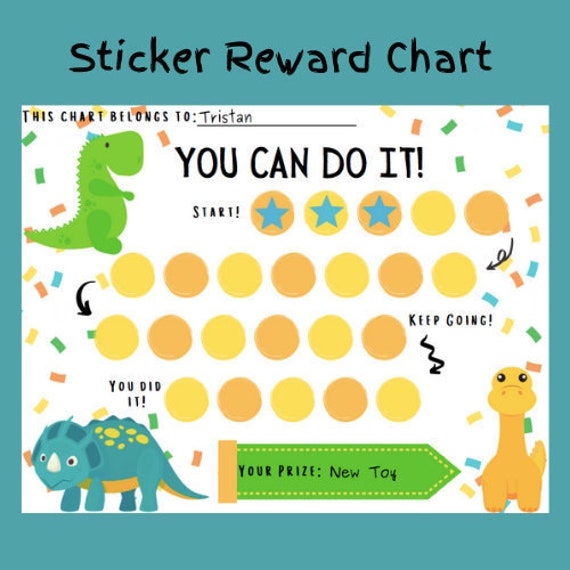
A visual reward chart is one of the most effective tools for toddlers and preschoolers. Here’s how to create one:
- Make a simple weekly chart with spaces for each day
- Use stickers or stars for days without thumb sucking
- Offer small rewards after 3–5 successful days (e.g., extra story, park visit)
- Celebrate milestones like one week or one month
Let your child decorate the chart or pick the stickers. Ownership increases cooperation.
Pro tip: Pair the chart with a nightly check-in: “How did your thumb do today? Want to put a sticker on?”
Stick with the system for at least 2–3 weeks before judging results.
Replace Thumb Sucking With Calming Alternatives

Build a Soothing Bedtime Routine
Many children suck their thumb when tired or anxious. A predictable, calming routine helps replace the habit with healthier self-soothing behaviors.
Try this sequence:
• Warm bath
• Soft music or lullabies
• Cozy pajamas
• Cuddles and a favorite book
• A comfort object (stuffed animal, blanket)
Over time, these cues signal the brain: It’s safe to relax. The thumb becomes less necessary.
One parent reported: “We added a warm drink and a special stuffed bunny. Within two weeks, thumb sucking dropped by half.”
Offer Physical Substitutes for Comfort
For older toddlers and preschoolers, teach them to redirect the urge.
Try:
• Squeezing a soft toy or stress ball
• Holding a small fidget toy
• Playing with a textured blanket
Say: “I know your thumb feels good, but let’s try holding Mr. Bear instead when you’re sleepy.”
Let your child help choose the substitute. Ownership increases cooperation.
Try Gentle Physical Aids at the Right Time

Use a Nighttime Thumb Guard for Sleep
If thumb sucking happens mostly during sleep, a thumb guard can gently interrupt the behavior.
Look for:
• Soft, breathable fabric
• Adjustable fit
• Fun designs your child can choose (superheroes, animals, etc.)
Letting your child pick the design makes it feel like a game, not punishment. One case study showed success after switching from bitter polish to a fun-themed guard: “He loved wearing his ‘dinosaur shield’—it made him feel brave.”
Wear it only at night or naptime. Remove during the day to avoid frustration.
Apply Bitter-Tasting Nail Polish for Daytime
Safe, child-friendly bitter nail polish can deter daytime sucking.
How to use:
• Apply to thumb and nails before known trigger times
• Reapply as needed (sweat and saliva wear it off)
• Pair with praise when your child resists
But don’t rely on it alone. Most kids continue sucking during sleep, where taste doesn’t register. Also, some children ignore the taste or transfer it to other fingers.
Best use: short-term daytime support, combined with rewards or distraction.
Try a Soft Bandage at Bedtime
A simple soft bandage on the thumb can disrupt the sensation enough to stop nighttime sucking.
One parent reported: “We put a Band-Aid on his thumb at bedtime. He forgot about it after a few days, and the habit stopped in two weeks.”
Make it part of the routine—like brushing teeth. Add a sticker on the chart for each night the bandage stays on.
Ensure it’s not too tight and check skin daily for irritation.
Identify and Address Emotional Triggers

Track When and Why Thumb Sucking Happens
Thumb sucking often spikes during:
• Transitions (nap to wake, home to daycare)
• Stress or anxiety (new sibling, moving, loud environments)
• Fatigue (overtired children suck more)
• Boredom (quiet moments like car rides)
Keep a quick log for 3–5 days:
| Time | Activity | Thumb Sucking? | Possible Trigger |
|——|——–|—————-|——————|
| 7:00 PM | Bedtime story | Yes | Tiredness |
| 3:00 PM | Car ride | Yes | Boredom |
Once you spot patterns, you can preempt the urge with distraction or comfort.
Teach New Coping Skills to Replace the Habit
Instead of just removing the thumb, teach your child new ways to cope.
Try:
• Deep breathing: “Let’s blow out the imaginary candles”
• Hugging a stuffed animal: “Can Teddy help you relax?”
• Singing a calming song together
Say: “I see you’re feeling wiggly. Want to squeeze this squishy ball instead?”
Over time, these become automatic replacements.
Avoid These Common Parenting Mistakes
Never Punish or Shame Your Child
Scolding, teasing, or shaming a child for thumb sucking backfires. It increases anxiety, which often makes the habit worse.
Phrases like:
• “Stop being a baby”
• “That’s gross”
• “You’re too old for that”
…can damage self-esteem and create secrecy (e.g., hiding the behavior).
Instead, stay neutral or positive. Say: “I know it helps you feel calm. Let’s find another way together.”
Don’t Start Too Early—Wait for Readiness
Trying to stop thumb sucking before age 2–3 is usually ineffective. The child lacks the cognitive ability to understand “why” or delay gratification.
If your child isn’t showing interest in stopping, wait. Forcing the issue creates resistance.
Signs of readiness:
• Notices others don’t suck thumbs
• Talks about wanting to stop
• Responds to gentle reminders
• Participates in choosing solutions
Wait for these cues—they mean your child is emotionally ready.
When to Talk to Your Pediatrician
Consult a Doctor If Sucking Continues Past Age 5
If thumb sucking continues past age 5, talk to your pediatrician. Prolonged, aggressive sucking can affect:
• Tooth alignment (buck teeth, overbite)
• Palate shape
• Speech development
Your doctor may:
• Monitor dental development
• Suggest a dentist referral
• Recommend a gentle oral appliance (rarely, for severe cases)
But remember: most children stop naturally. One parent shared: “We worried for years. Then he started kindergarten, no one else did it, and he quit by October.”
Rule Out Underlying Emotional or Developmental Issues
In rare cases, persistent thumb sucking beyond age 5 may signal:
• Anxiety disorders
• Developmental delays
• Sensory processing differences
A pediatrician can assess for these and offer targeted support.
Also, consult your doctor in the first month if you notice:
• Breathing difficulties
• Poor weight gain
• Excessive crying that doesn’t improve
These aren’t related to thumb sucking but could indicate other health concerns.
How to Combine Methods for Faster Success
Use a Multi-Strategy Plan That Works
The most successful cases use a combination of methods. One-size-fits-all doesn’t work—every child is different.
Try this proven combo:
1. Nighttime thumb guard (to break sleep habit)
2. Reward chart (for motivation)
3. Calming routine (to address root causes)
4. Verbal praise (to reinforce progress)
Example from a parent: “We used a Band-Aid at night and a sticker chart. After two weeks, he was done. We celebrated with a ‘No More Thumb’ party!”
Make It Fun, Not a Battle
Turn the process into a positive journey:
• Name the thumb (“Mr. Wiggle”)
• Have a “goodbye thumb” ceremony
• Read books about stopping habits
One family burned a drawing of the thumb in the backyard and toasted marshmallows. “He laughed the whole time. Never went back to it.”
Humor and celebration reduce pressure and build confidence.
Frequently Asked Questions About How to Get Baby to Stop Sucking Thumb
Is thumb sucking normal in babies?
Yes, thumb sucking is completely normal in infants. It’s a natural reflex that helps babies soothe themselves, fall asleep, and explore their hands. Do not try to stop it in the first few months—it’s part of healthy development.
At what age should I worry about thumb sucking?
Most pediatricians say thumb sucking is not a concern until after age 5. Before then, it’s considered developmentally normal. If the habit continues past age 5, especially with strong sucking, consult your pediatrician to check for dental or speech issues.
Does using a pacifier help reduce thumb sucking?
Yes, a pacifier can be a helpful alternative because it’s easier to control and remove than a thumb. Introduce it early if desired, but avoid forcing it. Many parents find it easier to phase out a pacifier than break a thumb-sucking habit.
Can thumb sucking damage teeth?
Prolonged, aggressive thumb sucking after age 4 can affect tooth alignment and palate shape. However, most children stop before this becomes a problem. If sucking continues past age 5, a dentist can assess for dental changes.
What is the fastest way to stop thumb sucking?
The fastest results come from combining methods: a reward chart, nighttime thumb guard, and calming routine. Success also depends on your child’s readiness—forcing it rarely works. Most kids stop within weeks when emotionally prepared and supported.
Should I use bitter nail polish on my child’s thumb?
Child-safe bitter nail polish can help reduce daytime thumb sucking, but it’s ineffective at night. Use it only as a short-term aid and always pair it with praise and alternative soothing methods. Never use it as the sole strategy.
Key Takeaways for Helping Your Child Stop Thumb Sucking
Most children stop thumb sucking naturally by age 4–5, especially with gentle support. Focus on positive reinforcement, emotional understanding, and age-appropriate tools. Avoid punishment, shaming, or early intervention. If the habit persists past age 5, consult your pediatrician.
Start with a calming routine and reward chart. Add physical aids like thumb guards or bandages only when needed. Celebrate progress, not perfection. With patience and consistency, your child can let go of the thumb—and grow into healthier self-soothing habits.





