
If your baby keeps getting severe diaper rashes that won’t heal—despite frequent changes, premium creams, and trying different diaper brands—acidic poop could be the real issue. Acidic stools can burn your baby’s sensitive skin, causing redness, raw patches, and pain that looks like a chemical burn. This problem often shows up when babies start solids, go through food transitions, or have digestive sensitivities. The good news is you can reduce stool acidity and protect your baby’s skin with simple changes to diet, hygiene, and gut health. In this guide, you’ll learn how to spot acidic poop, what causes it, and exactly what steps to take to stop it for good.
You’ll discover how mom’s diet affects breastfed babies, which solid foods increase acidity, and how to adjust feeding routines. We’ll also cover the best diaper care practices, when to try probiotics, and when to call the doctor. With consistent care, most babies see improvement within days—and long-term relief is completely possible.
Recognize Acidic Poop Symptoms
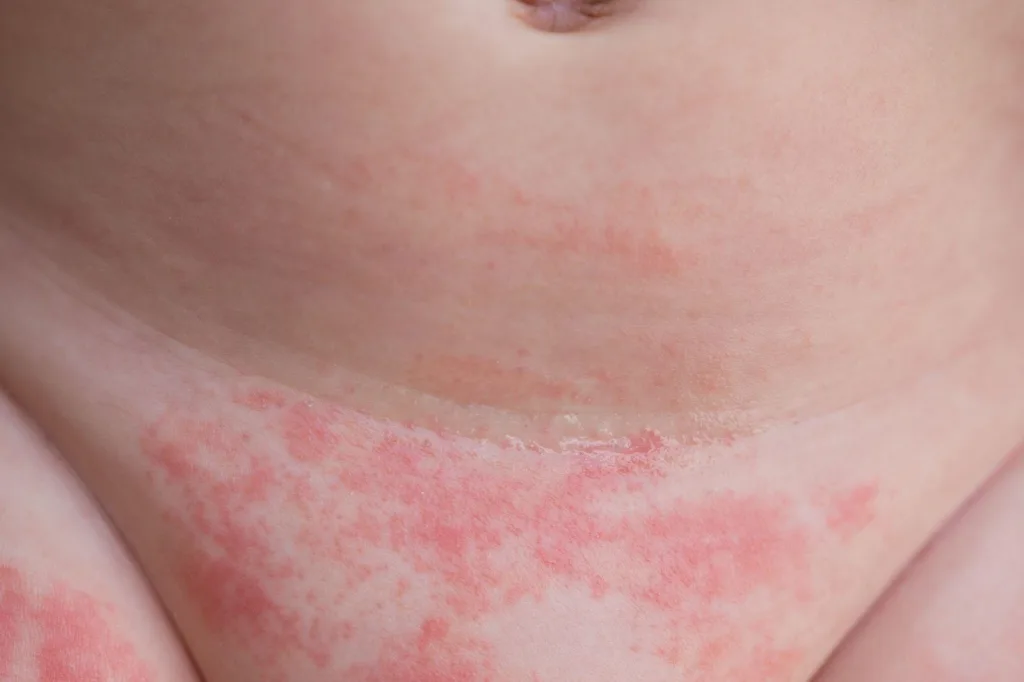
Knowing the signs of acidic poop helps you act fast before rashes worsen.
Look for These Warning Signs
• Bright red, inflamed skin around the genitals and anus, especially after bowel movements
• Blisters, peeling, or open sores that don’t respond to regular diaper rash creams
• Crying or discomfort during diaper changes, even with gentle wiping
• Skin that looks “burned” or feels hot to the touch
• Rashes that return quickly after cleaning and applying cream
Acidic poop rashes spread fast and resist common treatments like zinc oxide. If the rash flares shortly after feeding or introducing a new food, acidity is likely the cause. Unlike simple moisture rash, acidic irritation often has sharp borders and may extend beyond the diaper’s usual contact zone.
Rule Out Other Conditions
Some health issues look like acidic rashes but need different treatment.
• Yeast infection: Look for deep red patches with small red dots around the edges (satellite lesions)
• Bacterial infection: Oozing, crusting, or yellow scabs may need prescription antibiotics
• Allergic reaction: Rash may appear on the face, arms, or legs, not just the diaper area
Always check with your pediatrician if the rash isn’t improving or if your baby has a fever. Getting the right diagnosis prevents delays in treatment.
Identify Common Causes of Acidic Stools
Acidic poop usually comes from diet or digestion. Finding the trigger is the first step to stopping it.
Diet Triggers in Breastfed Babies
Even if your baby only drinks breast milk, what you eat can affect their stool pH.
Common Culprits in Mom’s Diet
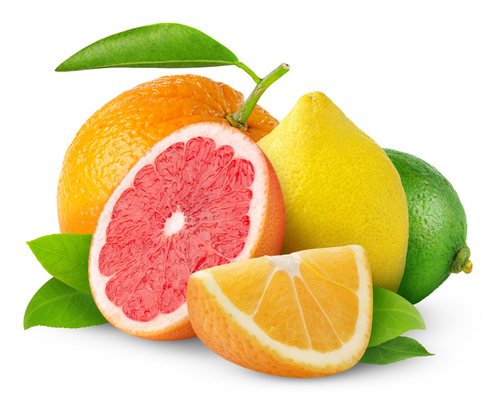
• Citrus fruits like oranges and grapefruit
• Tomatoes and tomato-based sauces
• Dairy products including milk, cheese, and yogurt
• Spicy foods, vinegar, and chocolate
These foods can pass compounds into breast milk that increase stool acidity. Try an elimination diet: remove one suspect food for 7–10 days and watch for changes in your baby’s poop and skin. Reintroduce foods one at a time to identify triggers.
Solid Foods That Increase Acidity
When babies start solids, certain foods make stools more acidic and irritating.
High-Acid Foods to Limit
• Citrus fruits (oranges, lemons, limes)
• Tomatoes and ketchup
• Pineapple and strawberries
• Prune or pear juice (helps constipation but raises acidity)
Introduce new foods one at a time and wait 3–5 days before adding another. This helps you link rashes to specific foods.
Formula Sensitivities
Some babies react to cow’s milk protein or other ingredients in formula.
Signs of Formula-Related Acidity
• Green, frothy stools
• Excessive gas or belly pain
• Rash flare-ups within hours of feeding
If symptoms persist, talk to your pediatrician about switching to a hypoallergenic or amino acid-based formula. Never change formula without medical advice, especially for infants under 6 months.
Adjust Feeding Practices to Reduce Acidity
Small changes in feeding can lead to big improvements in stool pH and skin health.
Modify Mom’s Diet (For Breastfeeding)
You don’t need to cut out everything—just find what’s causing the issue.
Try This 7-Day Reset Plan
- Remove dairy, citrus, tomatoes, and spicy foods
- Eat mild, low-acid foods like rice, boiled chicken, sweet potatoes, and bananas
- Reintroduce one food every 3 days and watch for rashes or fussiness
Many moms see results in a week. Keep a food and symptom journal to track what works.
Choose Low-Acid Solid Foods
Start with gentle, alkaline-friendly options that are less likely to irritate.
Best First Foods for Sensitive Babies
• Sweet potatoes
• Carrots (cooked)
• Applesauce (unsweetened)
• Pumpkin puree
• Brown rice cereal
Wait until your baby is 8–10 months old before introducing citrus or tomatoes. Avoid mixing acidic foods with new solids.
Space Out Acidic Foods
If your baby tolerates small amounts, timing can reduce the impact.
Smart Feeding Tips
• Serve acidic foods at lunch, not bedtime
• Pair with plain yogurt (contains probiotics that balance gut pH)
• Avoid giving acidic foods two days in a row
Balance is key—don’t cut out nutritious foods unless they clearly cause problems.
Optimize Diaper Care Routine
Even with less acidic poop, your baby’s skin needs strong protection.
Change Diapers Faster
Acidic stool damages skin within minutes. Quick changes are essential.
Ideal Change Schedule
• Every 2–3 hours during the day
• Immediately after pooping
• Before and after naps and feeding
Set phone reminders if needed. Staying ahead of wetness prevents irritation.
Use pH-Neutral Cleansing
Harsh wipes can make acidic rashes worse.
Best Cleaning Methods
• Use fragrance-free, alcohol-free wipes
• Rinse with warm water and a soft cloth when possible
• Pat dry—never rub
For severe rashes, skip wipes. Use a squirt bottle with water and gently dab dry.
Apply Protective Barrier Creams
Not all creams block acid. Choose the right kind.
Top Ingredients to Use
• Zinc oxide (15–40%) – creates a physical shield
• Petroleum jelly – seals out moisture and acid
• Dimethicone – protects while letting skin breathe
Apply a thick, visible layer at every change. Reapply if the rash is active.
Try Probiotics for Gut Balance
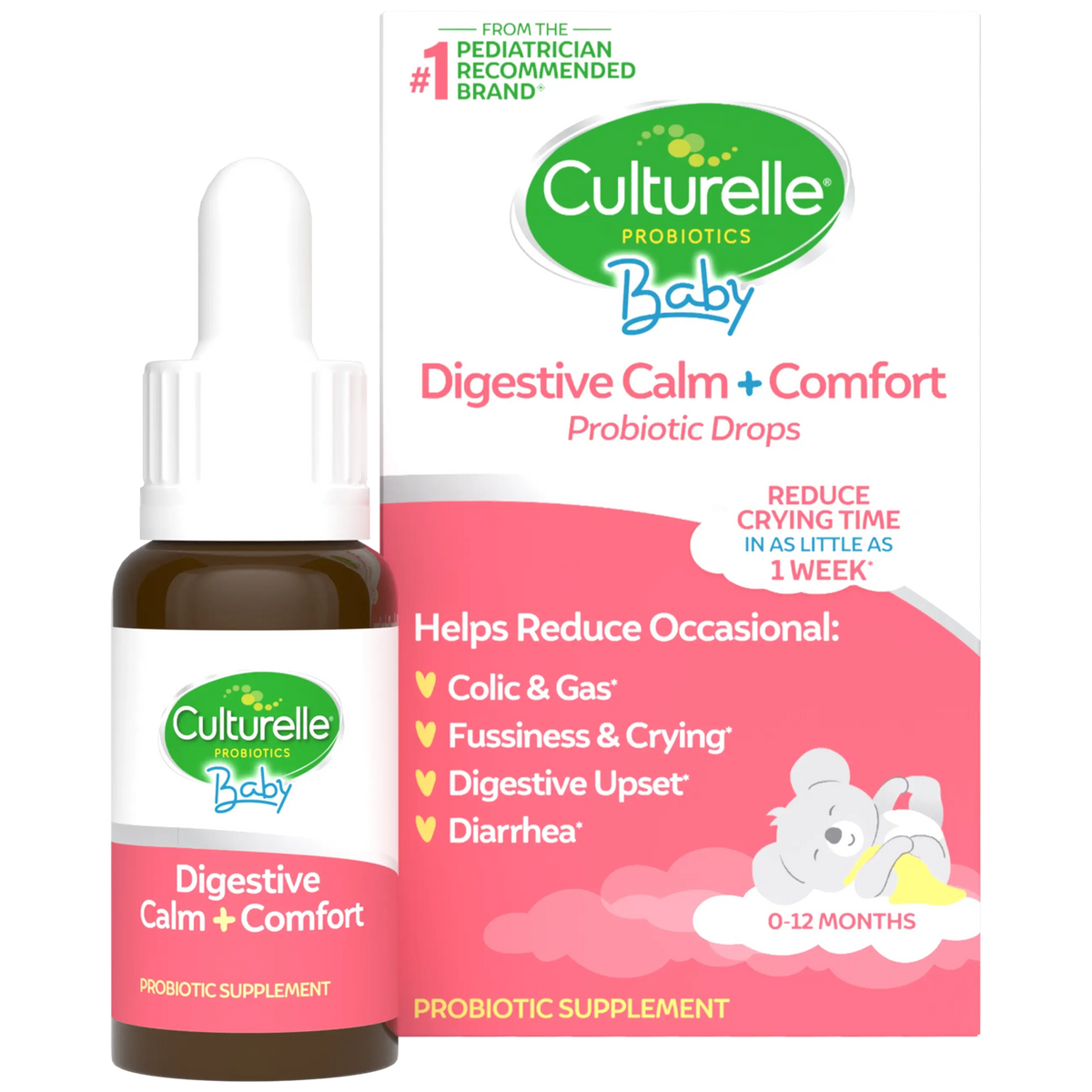
A healthy gut produces less acidic waste. Probiotics can help stabilize digestion.
Choose the Right Strain
Not all probiotics work for babies.
Recommended Strains
• Lactobacillus reuteri – supports digestion and reduces reflux
• Bifidobacterium infantis – common in healthy infant guts
Pick infant-specific drops with no added sugar. Brands like BioGaia and Gerber Soothe are widely used.
How to Give Probiotics
• Add drops to bottle or breast milk
• Give once daily, preferably in the morning
• Continue for 4–6 weeks to see results
Many parents notice fewer rashes, less gas, and smoother stools within 2–3 weeks.
Know When to See a Doctor
Most cases improve with home care. But some need medical help.
Seek Help If You See
• Bleeding, open sores, or pus in the diaper area
• Rash spreading to thighs, stomach, or genitals
• Fever, poor feeding, or lethargy
• No improvement after 10 days of consistent care
Your doctor may test for food allergies or prescribe antifungal or prescription-strength creams.
Possible Underlying Conditions
• Cow’s milk protein allergy (CMPA)
• Lactose intolerance
• Gastroesophageal reflux disease (GERD)
Early diagnosis prevents long-term issues and helps your baby grow comfortably.
Prevent Future Flare-Ups
Once the rash clears, keep it gone with smart habits.
Keep a Food and Rash Diary
Track what your baby eats and any skin reactions. Over time, you’ll spot patterns and avoid triggers.
Stick to Gentle Skincare
Even after healing, use fragrance-free wipes and apply barrier cream after acidic meals.
Monitor Stool pH (Optional)
Some parents use pH test strips to check stool acidity. Normal baby stool pH is 5.0–7.0. Below 5.0 is acidic.
Dip a cotton swab in fresh stool and touch the strip. This is helpful for chronic cases but not needed for most families.
Key Takeaways for Stopping Acidic Poop in Babies
Acidic poop is a common but treatable issue. You can reduce stool acidity by adjusting diet—whether it’s mom’s meals, formula choice, or solid food timing. Pair dietary changes with fast diaper changes, pH-safe cleaning, and strong barrier creams for best results. Probiotics can also support gut health and reduce acidity over time. Most babies outgrow sensitivity by age one, but until then, these steps will protect their skin and reduce pain. Stay consistent, track what works, and talk to your pediatrician if rashes persist.
Frequently Asked Questions About Acidic Poop in Babies
What does acidic baby poop do to the skin?
Acidic poop lowers the skin’s pH, breaking down its protective barrier. This leads to redness, burning, and rashes that can blister or bleed. The irritation is similar to a chemical burn and worsens with repeated exposure.
Can breastfed babies have acidic poop?
Yes. If mom eats acidic or inflammatory foods like citrus, tomatoes, or dairy, compounds can pass into breast milk and increase stool acidity in the baby.
What foods should I avoid if my baby has acidic poop?
Limit citrus fruits, tomatoes, pineapple, strawberries, and prune or pear juice. For breastfeeding moms, also consider reducing dairy, spicy foods, and chocolate.
How fast can diet changes improve acidic poop?
Many parents see improvement in 3–7 days after removing trigger foods. Keep changes consistent for at least 10 days to fully assess results.
Can probiotics help with acidic poop?
Yes. Probiotics like Lactobacillus reuteri and Bifidobacterium infantis help balance gut bacteria, leading to less acidic stools and fewer rashes over time.
When should I call the doctor about my baby’s diaper rash?
Call if the rash has open sores, spreads beyond the diaper area, doesn’t improve in 10 days, or is accompanied by fever or lethargy. These could signal infection or food allergy.





