
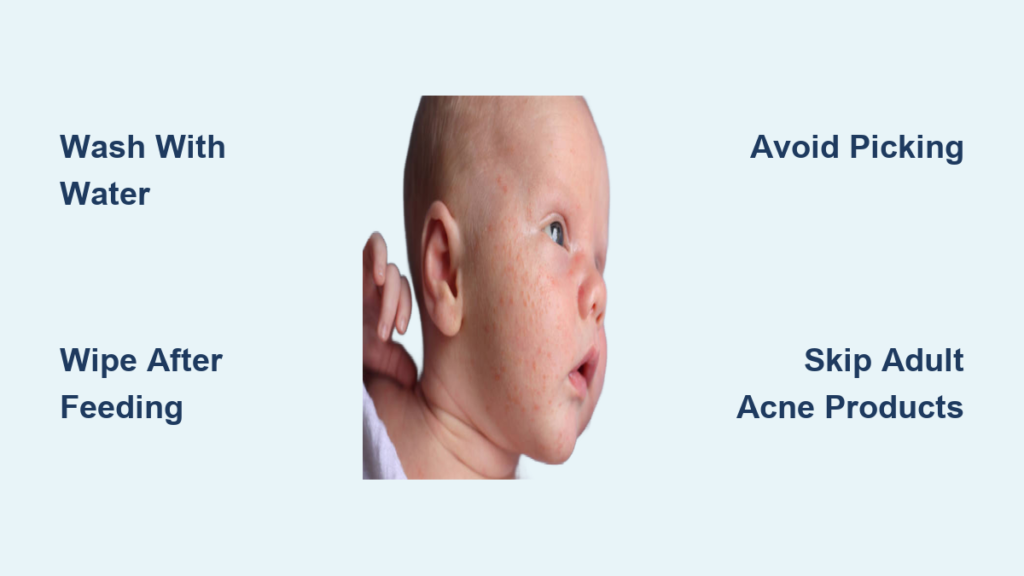
If you’ve noticed small red bumps or white-tipped pimples on your newborn’s face, you’re likely wondering how to clear baby acne safely. This common skin condition affects nearly 20% of babies, typically appearing between 2 to 4 weeks after birth. The good news is that baby acne usually resolves on its own without treatment and doesn’t cause pain, scarring, or discomfort. It’s not caused by poor hygiene, breastfeeding, or kissing your baby. In this guide, you’ll learn how to care for your baby’s delicate skin, what to avoid, when to consult a doctor, and how to tell baby acne apart from other rashes.
Recognize the Signs of Baby Acne

Identify Where and How Baby Acne Appears
Baby acne most commonly shows up on the cheeks, nose, forehead, and chin, though it can also appear on the scalp, chest, or back. Look for small red bumps (papules) or pus-filled pimples (pustules) that may become more noticeable when your baby cries due to increased blood flow. Unlike teenage acne, baby acne does not include blackheads—if you see blackheads, it could be infantile acne, which starts after 2 months and requires medical evaluation.
Differentiate Baby Acne From Other Skin Conditions

It’s easy to confuse baby acne with similar-looking rashes. Milia are tiny white bumps caused by trapped skin cells and often appear around the nose. Eczema causes dry, itchy, scaly patches, usually in skin folds or on the arms and legs. Fungal infections may have a ring-like pattern or spread beyond the face. If your baby has widespread rash, blisters, peeling skin, or seems unwell, contact your pediatrician right away.
Understand What Triggers Baby Acne
Hormonal Changes Are the Main Cause
The primary cause of baby acne is maternal hormones passed to your baby through the placenta before birth. These hormones stimulate the oil (sebum) glands in your baby’s skin, leading to clogged pores and small pimples. This is a normal part of your baby’s adjustment to life outside the womb and is not linked to how you feed, kiss, or care for your baby.
Irritants Can Make It Look Worse
While hormones start the process, leftover milk, spit-up, or drool on the skin can irritate sensitive newborn skin and make acne appear more inflamed. Oily lotions or greasy skincare products may also worsen the condition by clogging pores. However, these factors don’t cause baby acne—they only add to existing irritation.
Cleanse Gently With Water Daily
Use Lukewarm Water for Face Washing
Wash your baby’s face once a day with lukewarm water using a soft washcloth or your hands. There’s no need for soap every day. On alternate days, you can use a mild, fragrance-free, non-comedogenic facial soap if needed. Avoid scrubbing—just gently wipe the skin and pat dry. Overwashing or harsh rubbing can irritate the skin and make acne worse.
Wipe Away Milk and Drool After Feeding
Clean your baby’s face after each feeding to remove milk, spit-up, or drool. Use a damp cloth and gently wipe the cheeks, chin, and neck. This helps prevent irritation and keeps the skin clear of substances that can worsen inflammation. Keeping the skin clean and dry supports natural healing.
Avoid Harmful Skincare Habits
Never Use Acne Products Meant for Adults
Do not use over-the-counter acne treatments like benzoyl peroxide or salicylic acid unless directed by a pediatric dermatologist. These ingredients are too strong for newborn skin and can cause redness, peeling, or chemical burns. Even natural oils like coconut or olive oil can clog pores and make breakouts worse.
Don’t Pick, Pop, or Scrub the Bumps
Avoid picking, popping, or scrubbing the pimples. This can introduce bacteria, lead to infection, or cause scarring. Let the acne heal naturally. Remember, baby acne is not painful or itchy—your baby won’t be bothered by it, even if it looks prominent to you.
Choose Safe Moisturizers Carefully
Use Non-Comedogenic Products Only When Needed
If your baby’s skin feels dry, apply a fragrance-free, hypoallergenic, non-comedogenic moisturizer sparingly. Look for products labeled “safe for sensitive newborn skin.” Avoid thick creams or oily ointments on the face, as they can trap oil and worsen acne. A light lotion applied to dry areas (not directly on acne) is usually enough.
Skip Oily Lotions and Baby Oils on the Face
Products containing petroleum, mineral oil, or plant-based oils (like baby oil) can clog pores and should be avoided on the face. If you use oil for cradle cap on the scalp, be careful not to let it run down onto the forehead or cheeks, where it can aggravate acne.
Know When to Call the Pediatrician
Watch for Warning Signs of Infection
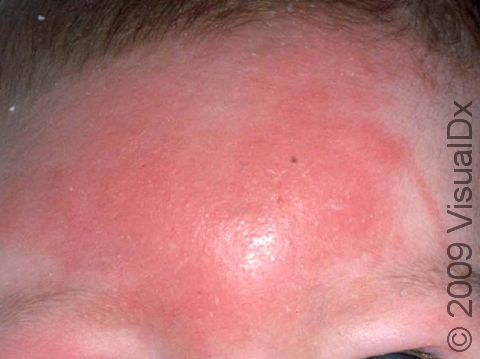
Most baby acne clears within a few weeks to months without treatment. However, contact your pediatrician if:
• The acne hasn’t improved after 4–6 weeks
• It’s getting worse instead of better
• You notice blackheads, cysts, or scarring
• The skin is oozing, warm, swollen, or very red
• Your baby has a fever, seems unusually fussy, or isn’t feeding well
Rule Out Infantile Acne After 2 Months
If acne appears after 2 months of age, especially with blackheads or deep bumps, it may be infantile acne. This type can last longer and may need prescription treatment. A pediatric dermatologist can confirm the diagnosis and recommend safe options like topical ketoconazole or low-dose hydrocortisone if needed.
Follow Prescribed Treatments Correctly
Apply Antifungal Creams as Directed
If your doctor prescribes ketoconazole cream, apply a thin layer to the affected areas once or twice daily as instructed. This antifungal helps reduce inflammation and is safe for babies when used properly. It’s sometimes used because baby acne may involve a mild yeast overgrowth on the skin.
Use Hydrocortisone Cream Only Under Medical Guidance
Low-potency hydrocortisone cream may be recommended for short-term use if inflammation is severe. Never use steroid creams without medical guidance—long-term or improper use can thin the skin or cause side effects. Always follow your provider’s instructions on how often and how long to apply it.
Support Healing With Simple Home Care
Keep Skin Clean, Dry, and Irritant-Free
The best home care is simple: gentle cleansing with water, prompt wipe-downs after feeds, and avoiding irritants. Let the skin breathe—don’t over-moisturize or layer on products. Most babies respond well to this minimal approach. Avoid fragranced wipes, harsh detergents, and oily skincare items.
Be Patient—Healing Takes Time
Baby acne can last from a few days to several months. Some babies clear up in weeks; others take longer. Hormone levels need time to stabilize. As long as the skin isn’t infected and your baby is otherwise healthy, no action is often the best action. Trust the process and avoid over-treating.
Prevent Skin Irritation in Daily Routines
Use Gentle, Fragrance-Free Skincare Products
Stick to baby-friendly, fragrance-free, non-comedogenic products on your baby’s face. Avoid wipes or lotions with alcohol, perfume, or harsh chemicals. When in doubt, plain water is safest for daily cleaning. Always patch-test new products on a small area first.
Dress in Soft, Breathable Cotton Fabrics
Clothing and blankets made of soft cotton help prevent skin irritation. Avoid rough fabrics or tight collars that rub against the face. Wash baby clothes with fragrance-free detergent to reduce allergen exposure and prevent flare-ups.
Frequently Asked Questions About Baby Acne
What does baby acne look like?
Baby acne appears as small red bumps or pus-filled pimples on the face, especially on the cheeks, nose, and forehead. It may get more noticeable when your baby cries. Unlike adult acne, it does not include blackheads.
How long does baby acne last?
Most cases clear up within a few weeks to a few months. Some babies improve in days, while others may take several months. It typically resolves on its own without treatment.
Can breastfeeding cause baby acne?
It’s possible that hormones in breast milk may play a minor role, but this should not affect how you feed your baby. Breastfeeding is not a cause of concern, and baby acne will resolve as hormone levels stabilize.
Should I use lotion on my baby’s acne?
Only use a fragrance-free, non-comedogenic moisturizer if the skin is dry—and apply it sparingly, avoiding direct application on acne. Avoid oily lotions, baby oil, or petroleum jelly on the face.
Can I use baby wipes on acne-prone skin?
Use only fragrance-free, alcohol-free baby wipes if needed, but plain water and a soft cloth are gentler. Avoid wipes with perfumes or harsh chemicals that can irritate sensitive skin.
Is baby acne contagious or painful?
No, baby acne is not contagious and does not cause pain or itching. Your baby won’t be bothered by it, even if it looks prominent to you.
Key Takeaways for Clearing Baby Acne Safely
Baby acne is a normal, temporary phase that resolves on its own in most cases. The best approach is gentle care, patience, and avoiding harsh treatments. Wash your baby’s face daily with lukewarm water, wipe away milk and drool promptly, and skip acne products meant for older children or adults. Never pick or scrub the bumps. If the acne persists beyond 6 weeks, worsens, or appears after 2 months with blackheads, consult your pediatrician. With simple care and time, your baby’s skin will clear—leaving behind smooth, healthy skin.





