
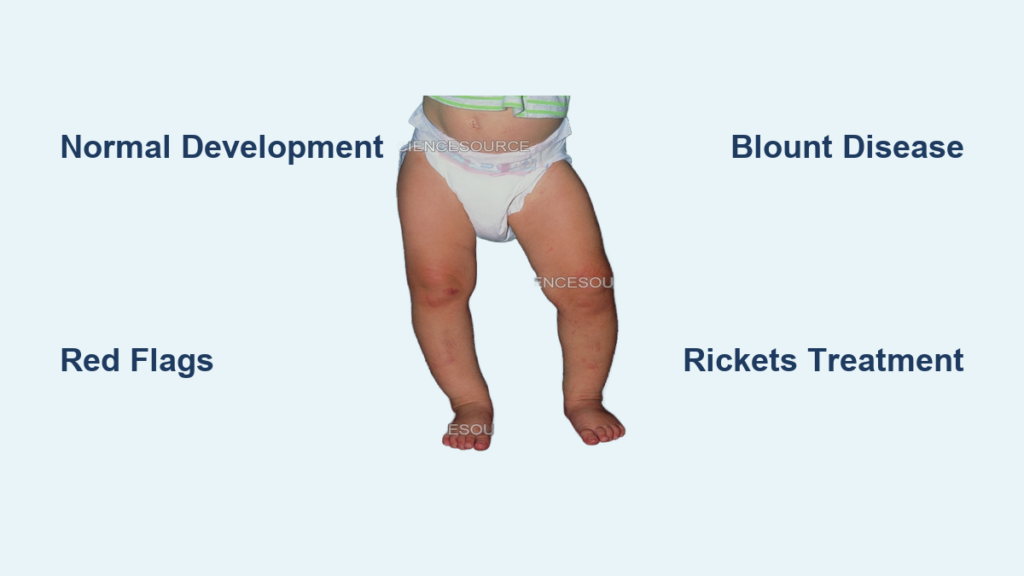
Many parents notice their baby’s legs curve outward when standing or crawling—knees apart, ankles touching. This common condition, known as bow legs or genu varum, often causes concern. The good news? In most cases, bow legs in babies correct themselves naturally as the child grows. Babies are typically born with bowed legs due to their position in the womb, and this alignment gradually straightens between 18 months and 3 years of age.
You don’t need special braces, exercises, or treatments for typical infant bowing. However, it’s important to know when bow legs are part of normal development—and when they might signal an underlying issue like Blount disease or rickets. This guide will help you understand the natural timeline, recognize red flags, and learn when medical evaluation is necessary. You’ll also discover treatment options for persistent cases and how to support your child’s healthy bone development.
Normal Bowing vs. Problematic Bow Legs
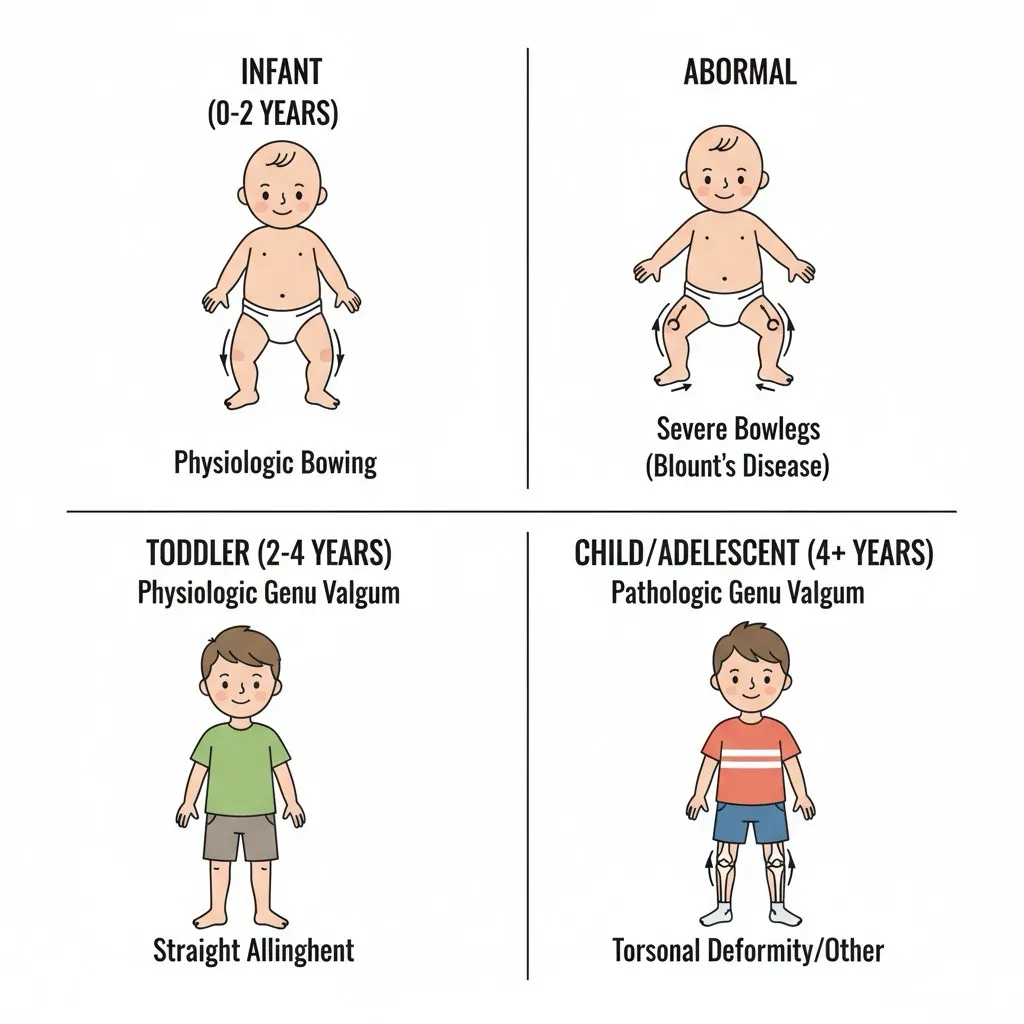
When Bow Legs Are Normal
Most babies are born with bow legs because of the cramped fetal position in the uterus. This physiologic genu varum is a natural part of development and affects both legs equally. As your baby begins to stand and walk—typically between 11 and 18 months—the legs start to straighten on their own.
By age 2, most children have outgrown bow legs. Between ages 3 and 4, many even develop a temporary knock-kneed appearance (genu valgum), which also corrects naturally by age 7–8. This shifting alignment is completely normal and requires no intervention.
Signs of a Potential Problem
While most bowing resolves without treatment, certain symptoms warrant medical attention:
• One leg more bowed than the other
• Bowing that worsens after 18 months
• Pain, limping, or stiffness during movement
• Asymmetry in leg shape or length
• Delayed walking or abnormal gait
If any of these signs appear, consult your pediatrician. Persistent or worsening bowing beyond age 2 may indicate an underlying condition needing diagnosis and care.
Developmental Timeline of Leg Alignment
Birth to 12 Months: Natural Bowing
From birth to about one year, bow legs are expected. The legs may look noticeably curved, especially when your baby stands supported. This is due to intrauterine positioning and rotational changes in the tibia (shinbone). No treatment is needed—just routine monitoring during well-child visits.
18 to 24 Months: Correction Begins
Around 18 months, leg alignment starts improving. As your toddler walks more, weight-bearing helps reshape the bones. By age 2, most children’s legs have visibly straightened. If bowing remains pronounced at this stage, your doctor may recommend observation or further evaluation.
Age 3 and Beyond: Straight Legs Expected
By age 3–4, legs should be straight or slightly knock-kneed. If significant bowing persists past age 3, it’s time to seek a specialist assessment. Late-correcting or non-resolving bow legs could point to pathological causes like Blount disease or nutritional deficiencies.
Common Causes of Persistent Bow Legs

Physiologic Genu Varum
This is the most common cause of bow legs in infants. It results from normal developmental positioning in the womb and corrects spontaneously. Key features:
• Symmetrical in both legs
• Painless
• No impact on mobility
• Resolves by age 2
No treatment is required—only time and regular check-ups.
Blount Disease
Blount disease is a growth disorder affecting the upper tibia, where the inner side of the shinbone grows slower than the outer side. Unlike normal bowing, Blount disease worsens over time.
Early signs include:
• Asymmetrical bowing (one leg more affected)
• Rapid progression after age 2
• Internal tibial torsion (inward twisting of the lower leg)
Diagnosis requires X-rays. Treatment depends on severity and age:
• Under age 3: Bracing may help
• Older children: Surgery (guided growth or osteotomy) often needed
Early detection is critical to prevent permanent deformity and early-onset arthritis.
Rickets
Rickets is caused by vitamin D or calcium deficiency, leading to soft, weak bones. Children with rickets may develop bow legs because their bones can’t support body weight properly.
Symptoms beyond bowing:
• Delayed growth
• Muscle weakness
• Swollen wrists or ankles
• Dental problems
Diagnosis involves blood tests showing low vitamin D, calcium, or phosphate levels. Treatment includes:
• Vitamin D and calcium supplements
• Dietary changes (fortified foods, sunlight exposure)
• Resolution typically within 6 weeks to several months
Once treated, bone deformities often improve significantly.
Other Possible Causes
Less common causes include:
• Genetic skeletal dysplasias (e.g., achondroplasia)
• Metabolic bone diseases
• Family history of short stature or limb abnormalities
These require specialist evaluation and targeted testing.
When to See a Doctor
Red Flags Requiring Evaluation
Most bow legs resolve naturally, but certain warning signs mean it’s time to see a healthcare provider:
| Symptom | Why It Matters |
|---|---|
| Bowing persists beyond age 2–3 | May indicate Blount disease or rickets |
| One leg more bowed than the other | Suggests asymmetry not typical of normal development |
| Worsening curve over time | Normal bowing improves; progression is concerning |
| Pain, limping, or stiffness | Indicates possible joint stress or pathology |
| Delayed motor milestones | Could signal neuromuscular or skeletal issues |
Age-Based Assessment Guidelines
Under 2 years old:
Most don’t need testing. Doctors rely on physical exams and developmental tracking during routine visits.
Over 2 years old:
If bowing hasn’t improved, your child may need:
• Leg measurements (intercondylar distance – space between knees when ankles touch)
• Gait analysis (how they walk)
• X-rays to assess bone structure and growth plates
• Blood tests to rule out rickets
Children with abnormal findings are often referred to a pediatric orthopedic specialist.
Treatment Options for Bow Legs
Observation Is Usually Enough
For physiologic bowing, no treatment is necessary. The vast majority of babies grow out of it. Your pediatrician will monitor leg alignment at regular check-ups. Parents should avoid:
• Corrective braces or splints
• Special shoes or inserts
• Home exercises or stretching routines
These interventions are ineffective for normal developmental bowing and may cause unnecessary stress.
Nonsurgical Treatments for Pathological Cases
If an underlying condition is diagnosed, treatment focuses on the root cause.
Bracing for Early Blount Disease
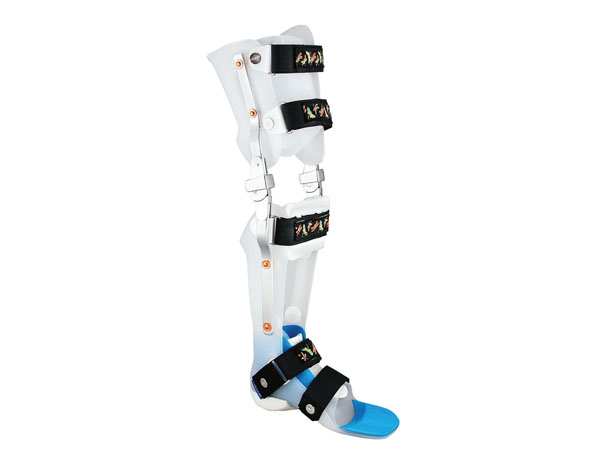
For toddlers under age 3 with mild Blount disease, custom knee-ankle-foot orthoses (KAFOs) may be prescribed. These braces:
• Apply corrective pressure to the inner leg
• Help guide bone growth
• Must be worn 23 hours a day for effectiveness
Success rates drop after age 3, making early diagnosis essential.
Dietary Correction for Rickets
Treating rickets involves restoring vitamin D and calcium levels:
• Supplements: High-dose vitamin D (e.g., 2,000–4,000 IU/day for several weeks)
• Diet: Include fortified milk, fatty fish, eggs, and leafy greens
• Sunlight: Safe sun exposure boosts natural vitamin D production
Follow-up blood tests ensure levels normalize. Bone changes often improve within months.
Surgical Options for Severe Cases
Guided Growth Surgery
This minimally invasive procedure is used in young children whose bones are still growing.
How it works:
• A small metal plate or staple is placed on the outer side of the growth plate near the knee
• This temporarily slows growth on the healthy side
• The inner (slower-growing) side catches up
• Legs gradually straighten over 6–12 months
• Plate is removed once alignment is achieved
Best outcomes occur when surgery is done early, before severe deformity develops.
Tibial Osteotomy
For older children or severe deformities, a tibial osteotomy may be needed.
Procedure:
• Surgeon cuts the tibia below the knee
• Realigns the bone into a straighter position
• Secures it with screws and a metal plate
Recovery takes several months. This surgery is usually delayed until after age 6 unless absolutely necessary.
What Parents Should Avoid
Don’t Use Unproven Devices
Avoid:
• Leg straighteners
• Corrective sleep positioners
• Compression garments
• Infant walkers or jumpers marketed to “fix” leg shape
These products have no scientific backing and may interfere with natural motor development.
No Special Exercises Needed
Babies do not need stretching, massage, or physical therapy for normal bow legs. Their muscles and joints are developing naturally. Interventions won’t speed up correction and may cause discomfort.
Skip the Worry Over Early Appearance
A 2-week-old with bowed legs is showing perfectly normal anatomy. There’s no need for concern at this stage. Trust your pediatrician’s guidance and focus on healthy feeding, activity, and developmental milestones.
Long-Term Outlook and Complications
Most Children Have No Lasting Effects
The prognosis for physiologic bow legs is excellent. Once corrected, children go on to walk, run, and play without limitations. Even after surgical correction, most achieve full function and normal leg alignment.
Risks of Untreated Pathological Bowing
If left unaddressed, conditions like Blount disease or rickets can lead to:
• Permanent leg deformity
• Uneven joint wear
• Early-onset osteoarthritis
• Gait abnormalities
But with timely diagnosis and treatment, these complications are preventable.
Adult Bow Legs: Can They Be Fixed?

Surgery Is the Only Option
Adults with persistent bow legs cannot be treated with braces or exercises. Their bones have fully hardened and won’t respond to non-invasive methods.
Corrective surgery (osteotomy) may be considered if:
• Bowing causes pain in knees, hips, or ankles
• It leads to arthritis or mobility issues
• It affects quality of life
The procedure reshapes the tibia or femur and allows for improved joint alignment. Recovery is lengthy but often successful.
Prevention Starts in Childhood
The best way to avoid adult bow legs is early identification and management in childhood. Regular pediatric check-ups play a crucial role in catching problems before they become permanent.
Parental Guidance: What You Can Do
Monitor Development Closely
Keep track of:
• How your child stands and walks
• Whether bowing appears symmetrical
• Any changes over time
Take photos every 6 months to visually compare leg alignment. This can help your doctor assess progress.
Attend All Well-Child Visits
Pediatricians check leg alignment at every visit. These routine exams are your best tool for early detection of issues. Ask questions if you’re unsure about what’s normal.
Know When to Seek Help
Contact your pediatrician if:
• Your child limps or complains of pain
• One leg looks noticeably different from the other
• Bowing hasn’t improved by age 2
• You have a family history of skeletal disorders
Early action leads to better outcomes.
Frequently Asked Questions About Bow Legs in Babies
Do all babies have bow legs?
Yes, most babies are born with some degree of bowing due to their position in the womb. This physiologic genu varum is normal and typically resolves by age 2–3 without any treatment.
Will my baby grow out of bow legs?
Yes, the vast majority of babies grow out of bow legs naturally. By age 2, most children’s legs begin to straighten, and by age 3–4, they are usually straight or slightly knock-kneed—a normal phase that also corrects itself.
Can vitamin D deficiency cause bow legs?
Yes, rickets caused by vitamin D or calcium deficiency can lead to bow legs. Unlike normal developmental bowing, rickets-related bowing is often accompanied by delayed growth, muscle weakness, and swollen wrists or ankles. Blood tests can confirm the diagnosis, and treatment with supplements usually leads to improvement within weeks to months.
Is bracing effective for correcting bow legs in toddlers?
Bracing can help in early cases of Blount disease in children under age 3. However, braces are not effective for normal physiologic bowing and should only be used under the guidance of a pediatric orthopedic specialist.
Can exercise or massage fix bow legs in babies?
No, special exercises, stretching, or massage do not correct bow legs in infants. These interventions are unnecessary and may cause discomfort. Normal developmental bowing resolves on its own with time and growth.
When is surgery needed for bow legs?
Surgery is considered only when bow legs are caused by conditions like Blount disease or severe rickets that don’t respond to conservative treatment. Procedures like guided growth or tibial osteotomy are used in growing children to correct alignment and prevent long-term joint damage.
Key Takeaways for Correcting Bow Legs in Babies
Bow legs in babies are almost always normal and resolve on their own by age 2–3. No special treatment, braces, or exercises are needed for typical developmental bowing. However, persistent, asymmetrical, or worsening bowing beyond age 2 requires medical evaluation to rule out conditions like Blount disease or rickets.
With proper monitoring and timely care, nearly all children achieve straight, strong legs. Trust your instincts—if something feels off, talk to your pediatrician. There’s no such thing as a silly question when it comes to your child’s health.





