
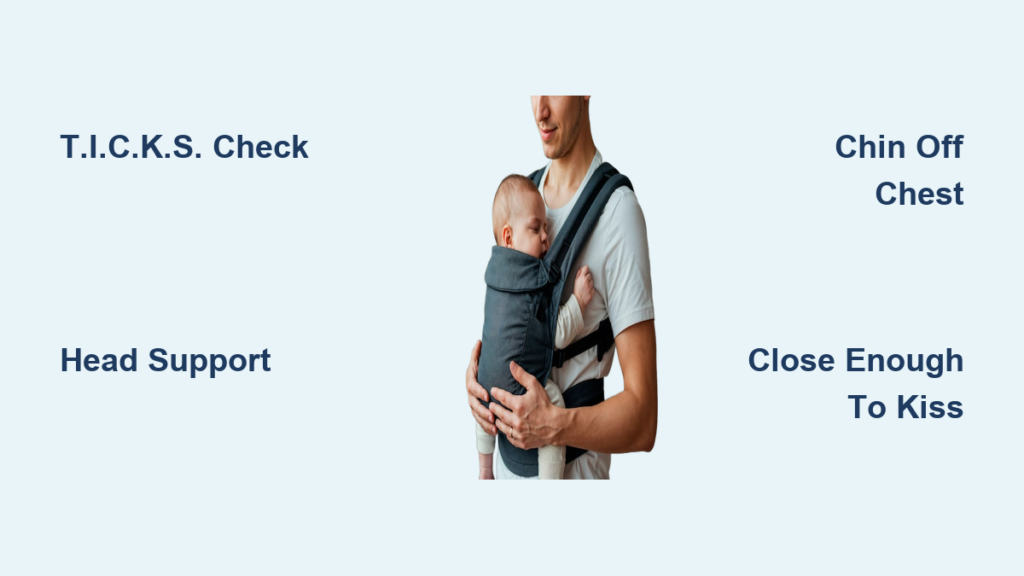
Carrying a baby close to your body is one of the most natural ways to nurture, soothe, and stay mobile while caregiving. Whether you’re using a sling, carrier, or simply holding your little one in your arms, knowing how to carry a baby safely ensures their airway stays open, their spine is supported, and both of you remain comfortable. With the rise in babywearing popularity, it’s crucial to follow evidence-based safety practices—especially since improper positioning can lead to serious risks like positional asphyxia or overheating.
This guide walks you through every aspect of safe baby carrying, from choosing the right carrier for your baby’s age to mastering the T.I.C.K.S. safety checklist—the gold standard in babywearing safety. You’ll learn how to avoid common mistakes, maintain proper posture, and transition between methods as your baby grows. Whether you’re moving around the house or heading out for a walk, these practical tips will help you carry your baby securely and confidently.
Choose the Right Carrying Method for Your Baby’s Age
The safest way to carry a baby depends heavily on their developmental stage. Matching the method to their physical abilities ensures both safety and comfort.
Newborns Need Full Head and Spine Support
Babies under 4–6 months lack the neck strength to hold their heads up independently. Always use a method that supports their head, neck, and spine in a natural C-curve. The front-facing-in position is ideal during this stage, keeping your baby close to your chest with their face visible and airway clear.
Older Infants Can Use Hip and Back Positions
Once your baby can sit steadily and hold their head up—usually around 6 months—they may be ready for hip or back carries. These positions free your hands more fully but require a carrier with full back and hip support. Never attempt back carrying until your baby has strong trunk control.
Follow the T.I.C.K.S. Safety Checklist Every Time
The T.I.C.K.S. acronym is a proven safety framework endorsed by pediatric experts. Use it before every carry to prevent breathing issues and ensure proper positioning.
Tight: Secure Fabric Prevents Slumping
Your carrier or wrap must be tight enough that your baby is held snugly against your body. Any slack can cause them to sink into a chin-to-chest position, which restricts breathing. After tightening, you shouldn’t be able to pull more than an inch of fabric away from your torso.
In View at All Times
You should always see your baby’s face without adjusting straps or lifting fabric. If their face is hidden, you can’t monitor their color, breathing, or alertness—critical signs of distress. Choose carriers that allow full visibility.
Close Enough to Kiss
Your baby’s head should rest within kissing distance of your chin. This ensures they’re high enough on your chest for proper airway alignment and easy monitoring. If you have to lean forward to see or kiss them, they’re too low.
Keep Chin Off Chest
Never let your baby’s chin touch their chest. This position closes the airway like a switch and can lead to suffocation. Always check for at least one finger’s width of space under their chin.
Supported Back
Your baby’s spine should maintain its natural C-shaped curve. Their body must be pressed firmly to yours with full back and hip support. Avoid positions where their bottom sits lower than their knees or their back rounds unnaturally.
Use Safe Carrying Positions Based on Development

Positioning is just as important as the carrier itself. The right posture protects your baby’s developing body and keeps their breathing unobstructed.
Front-Facing Inward for Newborns and Young Infants
The safest position for babies under 6 months is facing inward on your front, with their head supported and face visible. This mimics the womb environment and allows constant monitoring.
What to check:
• Head and neck fully supported
• Nose and mouth clear of fabric and parent’s body
• Chin lifted off chest
• Knees higher than hips in a “frog-leg” M-position
Hip and Back Carrying for Babies 6+ Months
Once your baby shows strong head and trunk control, hip and back carries become safe options.
Requirements:
• Baby can sit unassisted
• Carrier supports entire back and hips
• Face remains visible or easily checkable
• Straps are tightly adjusted
Pro tip: Practice back carries with an empty carrier first to get used to the balance.
Select the Best Baby Carrier Type for Your Needs

Different carriers suit different stages and lifestyles. Choosing the right one enhances safety, comfort, and ease of use.
Ring Slings: Lightweight and Fast for Daily Use
Ring slings are single-shoulder carriers made of woven fabric threaded through metal rings.
Best for:
• Newborns to toddlers
• Quick trips around the house
• Caregivers needing fast on/off access
Pros:
• Compact and portable
• Distributes weight well across one shoulder
• Easy to breastfeed in
Tip: Always tighten the sling after positioning—no slack should remain.
Structured Carriers: Ideal for Long Wear and Support
Brands like Ergobaby, Tula, and BabyBjörn offer padded, adjustable carriers with waistbands and shoulder straps.
Best for:
• Extended wear (shopping, walking, travel)
• Babies 3+ months
• Parents with back or shoulder concerns
Key features:
• Ergonomic seat supports hips in M-position
• Adjustable torso length
• Padded waistband reduces strain
Pro tip: Wear the waistband at hip level to prevent lower back pain.
Cloth Wraps: Custom Fit with a Learning Curve
Stretchy or woven wraps (like Moby or Didymos) offer full-body support and a snug fit.
Best for:
• Newborns needing maximum support
• Smaller or larger caregivers needing customization
• Breastfeeding on the go
Challenges:
• Requires practice to tie securely
• Risk of improper tightening if not trained
Shortcut: Watch videos from certified babywearing consultants before first use.
Baby Backpacks: For Active Toddlers and Outdoor Use
These rigid carriers attach to your back with harness-style straps.
Best for:
• Babies 6+ months with strong head control
• Hiking, travel, or hands-free chores
Safety checks:
• Head support for younger users
• Secure chest clip and waist belt
• Hip-flexed “M” position maintained
Warning: Never use infant inserts unless approved by the manufacturer.
Avoid Common Baby Carrying Mistakes
Even small errors can compromise safety. Stay aware of these frequent issues.
Don’t Overdress Your Baby in the Carrier
Babies in carriers are close to your body heat and can overheat quickly—a risk factor for SIDS. Dress your baby in one extra layer than you’re wearing, using breathable cotton.
Signs of overheating:
• Damp neck or back
• Flushed face
• Rapid breathing
If you notice any, remove a layer immediately.
Never Fall Asleep in a Sling or Carrier
Falling asleep while babywearing—especially on a couch or recliner—can lead to airway obstruction. There have been documented cases of suffocation in such situations.
Safety rule:
• Always stay awake and alert
• Transfer baby to a crib or bassinet for sleep
• Avoid soft surfaces like beds and sofas when babywearing
Inspect and Maintain Your Carrier Regularly
A damaged carrier can fail unexpectedly. Make inspection part of your routine.
Check for Wear and Tear Before Each Use
Inspect:
• Stitching: Look for fraying or loose threads
• Straps and buckles: Ensure no cracks or stiffness
• Fabric: No thinning, holes, or stretching
Stop using immediately if you find:
• Faded or brittle fabric
• Metal rings with sharp edges
• Waistband that no longer locks securely
Get Instructions for Secondhand Carriers
Buying used saves money, but missing manuals create risks.
What to do:
• Contact the manufacturer with model and serial number
• Download the official user guide
• Verify compatibility with your baby’s weight and age
Never use a carrier without full safety instructions.
Try Alternative Transport for Around the House
Sometimes carrying isn’t the best option—especially for longer distances or when you need both hands.
Use a Lightweight Stroller Indoors
A foldable stroller works well in large homes or multi-level houses.
Benefits:
• Smooth wheels for hardwood or tile
• Reclining seat for naps
• Storage basket for laundry or supplies
Best models:
• Umbrella strollers (e.g., Babyzen YOYO2)
• Travel systems with compact fold
Tip: Use only on flat surfaces; never carry the stroller with baby inside.
Move Baby in a Bouncer or Rocker for Short Trips
For quick room-to-room moves, a portable bouncer (like the BabyBjörn Balance Soft) can be gently wheeled.
Limitations:
• Not for walking or stairs
• No safety harness for active babies
• Use only for brief transitions
When to avoid:
• With babies who can roll or push up
• On uneven surfaces
Practice Safe Arm Holding for Bonding and Short Tasks
Sometimes, holding your baby in your arms is the best choice for connection and quick movements.
Master the Cradle Hold
• Support head and neck with one hand
• Tuck baby’s bottom into your elbow crease
• Keep face visible and chin off chest
Use for:
• Feeding, cuddling, or soothing
• Short walks between rooms
Risk: Fatigue can lead to accidental drops. Switch to a carrier if arms tire.
Try the Football Hold (for Newborns)
• Tuck baby along your forearm, head in your hand
• Baby faces outward, legs tucked under
• Great for burping or post-feeding
Ideal when:
• You need one hand free
• Baby has reflux or gas
Maintain Comfort for You and Your Baby
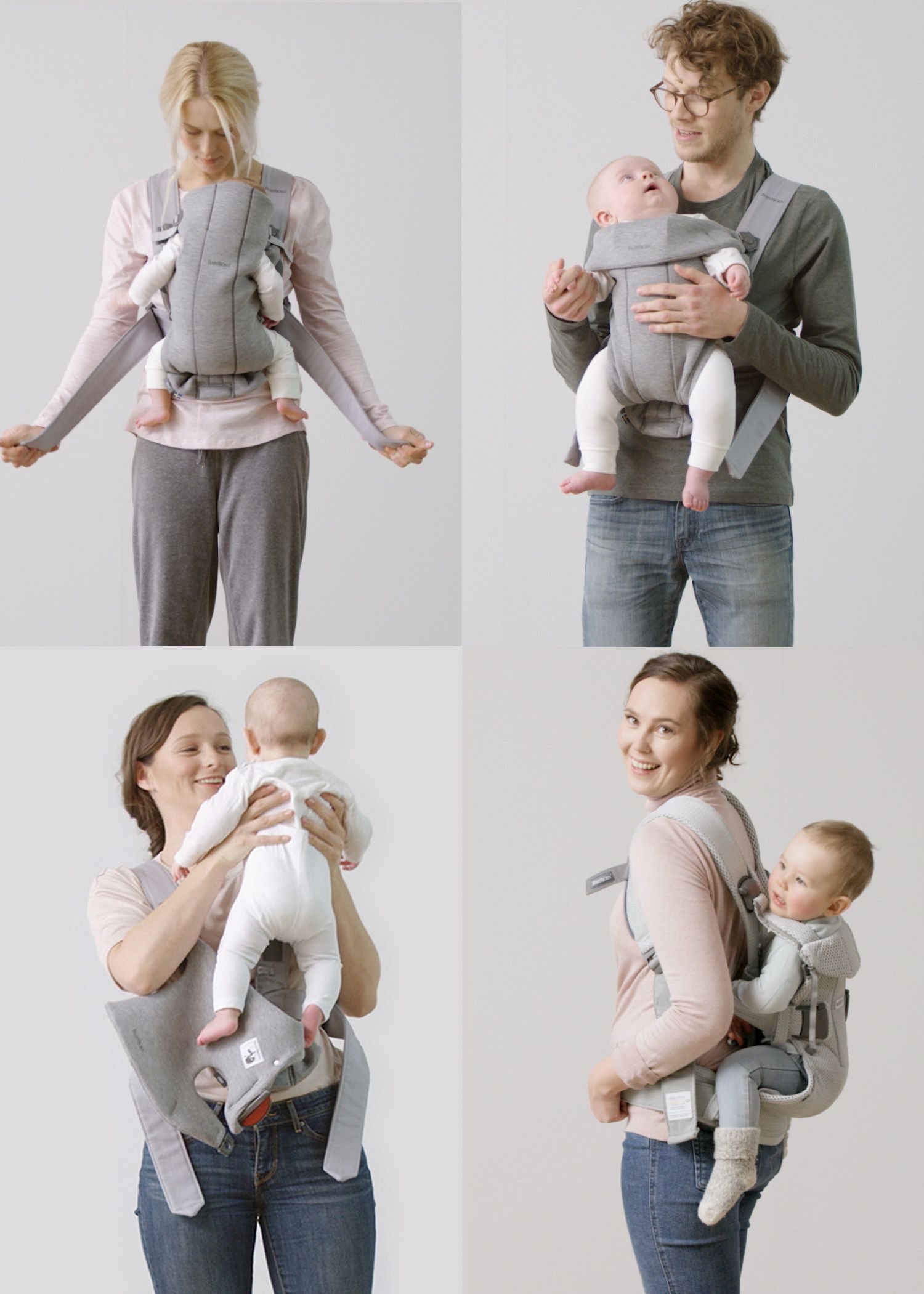
A good carry should feel secure—not painful. Proper technique protects both bodies.
Adjust Straps for Even Weight Distribution
• Tighten shoulder straps so baby rides high and snug
• Fasten waistband at hip level to reduce back strain
• Ensure chest strap sits at sternum height
Warning sign:
• Numbness in shoulders or arms = improper fit
Support Your Own Posture
• Stand tall with shoulders back
• Avoid leaning forward
• Engage core muscles to reduce lower back load
Pro tip: Practice wearing the empty carrier first to fine-tune fit.
Know When to Stop Carrying
Even the best carriers have limits. Pay attention to your baby’s cues.
Stop If Baby Shows Signs of Distress
Signs your baby is uncomfortable:
• Arching back
• Rapid breathing
• Bluish lips or face
• Inconsolable crying
Immediate action: Remove baby and check positioning, temperature, and breathing.
Transition Out as Baby Grows
Most toddlers outgrow front carriers by 2–3 years. Signs it’s time to stop:
• Baby complains of being “too squished”
• Difficulty adjusting straps to fit
• Child prefers walking or stroller
Frequently Asked Questions About How to Carry a Baby
How do I know if my baby is breathing properly in the carrier?
Your baby’s face should be visible, with their chin off their chest and nose and mouth clear. Watch for steady breathing, normal skin color, and alertness. If they’re breathing rapidly, look pale or blue, or seem lethargic, remove them immediately.
Can I carry my newborn in a ring sling?
Yes, if the sling is used correctly. Ensure your newborn’s head is supported, their chin is off their chest, and their face is visible and close enough to kiss. Always follow the T.I.C.K.S. rules.
When can I start carrying my baby on my back?
You can start back carrying once your baby can sit independently and has strong head and trunk control—usually around 6 months. Use a carrier with full back and hip support, and never use an unapproved infant insert.
Is it safe to sleep while wearing my baby?
No. Never fall asleep while babywearing, especially on soft surfaces like couches or beds. There is a risk of airway obstruction. Always transfer your baby to a crib or bassinet for sleep.
How should I dress my baby for carrying?
Dress your baby in one extra layer than you’re wearing, using breathable fabrics like cotton. Avoid hats indoors unless medically needed. Check for dampness or flushing to prevent overheating.
What should I do if my carrier feels uncomfortable?
Stop using it. Adjust the straps, waistband, and chest clip for better fit. Practice with the empty carrier first. If pain persists, try a different model or consult a babywearing expert.
Key Takeaways for Safe and Comfortable Baby Carrying
Carrying your baby safely strengthens your bond, supports their development, and gives you freedom to move. By following the T.I.C.K.S. safety checklist, choosing the right carrier for your baby’s age, and staying alert to risks like overheating and positional asphyxia, you can enjoy babywearing with confidence. Always inspect your gear, avoid common mistakes, and listen to your baby’s cues. With practice, carrying your baby becomes a natural, rewarding part of daily life.





