

Waking up multiple times a night to feed your baby can leave you drained and overwhelmed. While nighttime feedings are crucial in the early months, most babies are ready to night wean between 6 and 12 months. Knowing how to night wean baby safely helps both you and your little one transition toward longer, uninterrupted sleep. This shift becomes possible once your baby is eating solids and getting enough nutrition during the day.
This guide walks you through recognizing the signs your baby is ready, choosing the best method for your family, and overcoming common hurdles. You’ll learn how to adjust feeding schedules, soothe without nursing, and maintain progress without stress. Whether you’re breastfeeding or bottle-feeding, co-sleeping or using a crib, these practical strategies support a smooth night weaning journey.
Signs Your Baby Is Ready to Night Wean
Before making changes, confirm your baby is developmentally prepared. Starting too soon can lead to frustration and disrupted sleep for everyone.
Reaches 6 Months or Older
Most babies under 6 months still need nighttime calories for healthy growth. By 6–7 months, many infants consume enough during the day to sustain overnight. If your baby is gaining weight appropriately and meeting developmental milestones, they’re likely ready to begin night weaning. Always consult your pediatrician if you’re unsure.
Takes Full Daytime Feedings
A baby who finishes bottles or nurses well during waking hours is better equipped to drop night feeds. Track their intake: if they’re getting at least 80% of their daily milk or formula during daylight hours, nighttime nutrition may no longer be necessary. Consistent solid food intake at meals also supports this transition.
Wakes Out of Habit, Not Hunger
Observe your baby’s behavior during night wakings. If they settle easily with rocking or patting but refuse the breast or bottle, they may be waking for comfort. Short feeds lasting less than 5 minutes or falling asleep mid-nursing are strong signs that feeding is more routine than nutritional need.
Choose the Right Night Weaning Method for Your Family
Every baby is different. Pick a method that fits your parenting style and your baby’s temperament to ensure long-term success.
Gradual Reduction Technique
Slowly decrease night feedings over several days to minimize distress and help your baby adapt.
Shorten Nursing or Bottle Time
If your baby typically nurses for 20 minutes at night, reduce by 2–3 minutes every 2–3 nights. For bottle-fed babies, offer 0.5–1 ounce less per feeding. This gradual taper helps your baby adjust without feeling deprived.
Delay Response Time
Wait 2–3 minutes before responding to night wakings. Comfort with gentle patting or shushing instead of feeding. Increase the wait time by 1–2 minutes every few nights to teach self-soothing.
Cold Turkey Approach
Some families stop night feedings all at once, especially when the baby is clearly feeding out of habit.
Best for Older Babies
Babies over 9–10 months who eat three solid meals and have strong daytime intake often adapt quickly. Offer a full feeding right before bedtime, then skip night feeds entirely. This method works best when your baby no longer needs nighttime calories.
Requires Full Consistency
All caregivers must follow the same plan. One night of feeding followed by a return to no feeding can confuse your baby and extend the process. Stick with the approach for at least 5 nights before adjusting.
Partner Involvement Strategy
Having someone else respond to night wakings reduces scent cues that trigger feeding requests.
Dad or Caregiver Takes Over
When your baby wakes, the non-nursing parent offers comfort through rocking, patting, or quiet reassurance. For babies over 6 months, a small sip of water can help soothe without feeding.
Use a Pacifier or Lovey
Introduce a pacifier or soft lovey during bedtime and night wakings. These provide oral comfort and help replace the need to nurse for soothing. Choose one primary sleep aid to avoid confusion.
Adjust Daytime Feeding to Support Night Weaning
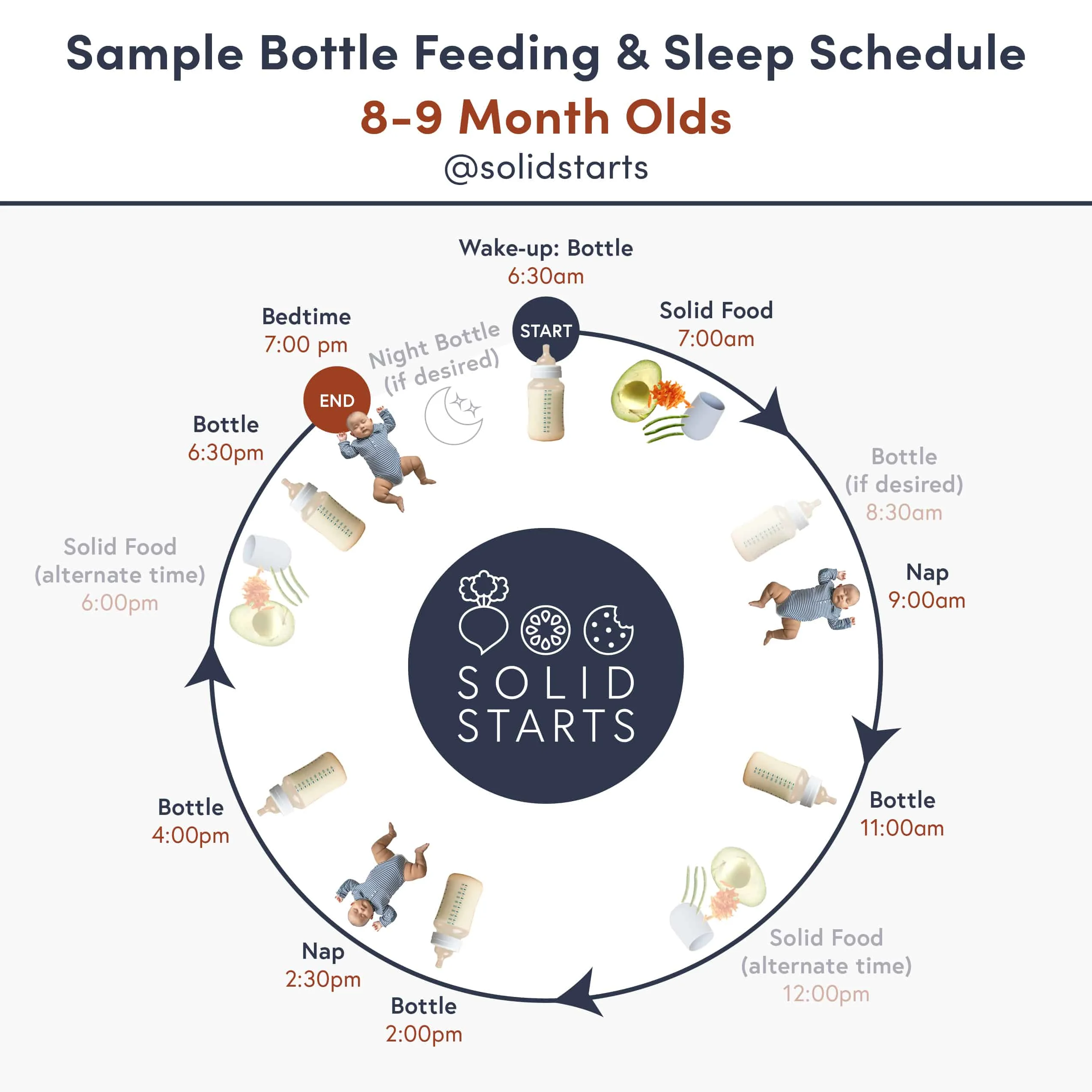
Ensure your baby gets enough calories during the day so they can sleep longer at night.
Increase Daytime Milk or Formula
Add an extra ounce per feeding or include an additional bottle or nursing session during daylight hours. Offer milk before solids at meals to prioritize liquid intake, which is more filling and hydrating.
Offer a Dream Feed
Give a full feeding 30–60 minutes after bedtime while your baby is still asleep. This “top-off” can help them stay full longer and delay waking.
Time It Right
Aim for a dream feed between 10–11 PM. Avoid feeding too close to midnight, as it may reset their internal clock and push morning wake-up later.
Phase It Out Gradually
Once your baby sleeps through, begin reducing the dream feed. Offer half the usual amount for a few nights, then skip it every other night until it’s fully dropped.
Optimize the Bedtime Routine for Better Sleep

A consistent, calming routine signals that it’s time to sleep—not eat.
Create a Predictable Sequence
Follow the same steps each night: warm bath, pajamas, book, lullaby, then bed. Keep lights dim and voices soft to support melatonin production and relaxation.
Separate Feeding from Sleep
Avoid nursing or bottle-feeding as the last step before bed. Feed earlier in the routine, then transition to quiet activities like rocking or singing. This breaks the association between eating and falling asleep.
Soothe Without Feeding
If your baby cries at bedtime, try white noise, gentle rocking, or a pacifier before offering milk. Teach them to fall asleep without a bottle or breast in their mouth to prevent future night wakings.
Handle Common Night Weaning Challenges
Expect some resistance. These solutions help you stay consistent and confident.
Baby Cries Longer at Night
It’s normal for crying to increase temporarily during the transition. Stick with your method for at least 3–5 nights before making changes.
Stay Calm and Consistent
Respond with soothing words or light touch, but avoid feeding. Babies test boundaries—your consistency teaches them the new routine.
Use a Timer
Set a 10–15 minute window to comfort without feeding. After that, check briefly every 5–10 minutes. Gradually extend the time between checks to encourage self-soothing.
Milk Supply Changes (Breastfeeding Moms)
Reducing night feedings can impact milk supply, especially in the first few months postpartum.
Pump Strategically
If you feel uncomfortably full, pump just enough to relieve pressure—but avoid emptying the breast. Removing too much milk signals your body to keep producing at the same level.
Boost Daytime Nursing
Add an extra nursing session during the day or nurse more frequently in the evening. This helps maintain supply while supporting the night weaning process.
Sleep Regression During Transition
Some babies experience temporary setbacks due to changes in routine.
Rule Out Other Causes
Check for teething, illness, or developmental leaps like crawling. Address these issues first before continuing night weaning.
Pause and Reassess
If your baby is sick or extremely distressed, pause the process for a few days. Resume when everyone is rested and ready.
Maintain Progress and Prevent Relapse
Once your baby sleeps longer, protect your success with consistent habits.
Keep a Consistent Wake-Up Time
Wake your baby at the same time every morning, even after a rough night. This stabilizes their circadian rhythm and improves nighttime sleep over time.
Avoid Reintroducing Night Feeds
One “emergency” feeding can restart the cycle. If your baby wakes, comfort with patting or shushing—but don’t feed—unless advised by your pediatrician.
Celebrate Small Wins
Track progress: fewer wake-ups, longer stretches, or easier soothing. Acknowledge your effort—night weaning is a major milestone for both you and your baby.
Frequently Asked Questions About Night Weaning
When is the best age to night wean a baby?
Most babies are ready to night wean between 6 and 12 months. Signs include consistent solid food intake, full daytime feedings, and waking for comfort rather than hunger. Always consult your pediatrician before making changes, especially if your baby was born prematurely.
How do I stop my baby from night nursing without tears?
Use the gradual reduction method by shortening feeds and delaying responses. Involve your partner in comforting and separate feeding from sleep. A consistent bedtime routine and pacifier can also reduce tears during the transition.
Will night weaning affect my milk supply?
Yes, reducing night feedings can lower milk supply over time. To minimize impact, increase daytime nursing or pumping. Avoid emptying your breasts at night if you pump for comfort—this helps signal your body to adjust supply gradually.
What if my baby is hungry at night?
If your baby is under 6 months or not gaining weight well, they may still need night feedings. Older babies who cry at night often seek comfort, not food. Offer soothing without feeding and consult your pediatrician if you’re concerned about nutrition.
Can I night wean while co-sleeping?
Yes, but it may take longer. Use the partner involvement strategy and introduce a pacifier or lovey. Gradually increase the time before responding to wakings and avoid nursing as the first response to crying.
How long does it take to night wean a baby?
Most babies adjust within 3–7 days using the cold turkey method, while gradual approaches may take 2–4 weeks. Consistency is key—sticking with your plan helps your baby adapt faster.
Key Takeaways for Successfully Night Weaning Your Baby
Night weaning is a gradual process that requires patience, observation, and consistency. Start when your baby shows readiness signs like strong daytime eating and waking for comfort. Choose a method that fits your family—whether gradual, cold turkey, or partner-led—and stick with it for at least several nights. Adjust daytime feedings, optimize bedtime routines, and handle setbacks with calm confidence. Celebrate progress, trust your instincts, and remember: longer sleep is within reach for both you and your baby.





