
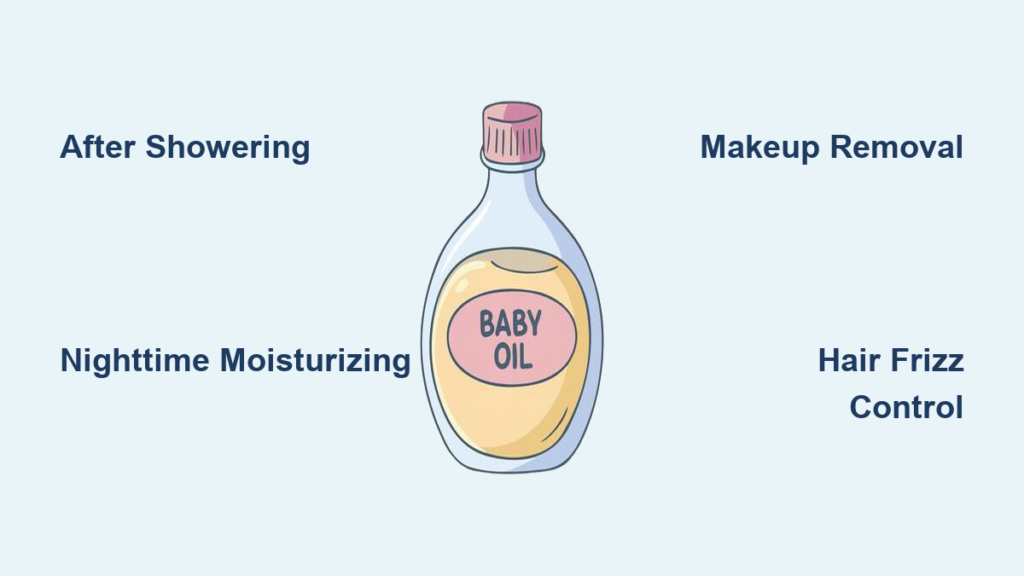
You’ve probably seen a bottle of baby oil sitting in a bathroom cabinet or diaper bag, but you might not realize just how versatile this simple product can be. Originally designed for infant skincare, baby oil has become a go-to solution for people of all ages looking for gentle, effective moisturization. Whether you’re soothing dry skin, removing makeup, or softening rough cuticles, knowing how to use baby oil properly can make a big difference in your routine.
Most baby oils are made from mineral oil, a lightweight and hypoallergenic ingredient that forms a protective barrier on the skin to lock in moisture. It’s non-comedogenic when used correctly, fragrance-free (in some formulations), and safe for sensitive skin. But like any skincare product, its benefits depend on how and when you use it. Using too much, applying it to the wrong areas, or misunderstanding its limitations can lead to less-than-ideal results.
In this guide, you’ll learn practical, safe ways to use baby oil—from newborn care to adult beauty hacks—along with expert-backed tips, common mistakes to avoid, and answers to frequently asked questions. By the end, you’ll know exactly how to get the most out of this affordable, multipurpose product.
Best Times to Apply Baby Oil
Timing is key to maximizing the moisturizing power of baby oil. Applying it at the right moment helps your skin retain hydration and improves overall texture.
Right After Bathing or Showering
Apply baby oil within three minutes of stepping out of the shower while your skin is still damp.
• Water opens the skin’s surface, allowing better absorption
• A quarter-sized amount is enough for arms, legs, and torso
• Gently pat the oil in—don’t rub—to avoid irritation, especially with babies
This method is ideal for full-body hydration and prevents post-shower dryness.
As Part of Your Nighttime Skincare Routine
Using baby oil before bed boosts overnight moisture repair, especially in dry climates or winter months.
• Focus on dry zones like elbows, knees, and heels
• Apply and wear cotton socks or gloves to lock in softness
• Avoid heavy use on the face unless cleared by a dermatologist
This routine works well for people with eczema or chronically dry skin.
During Infant Massage Sessions
Baby oil supports bonding and comfort when used in gentle massage for babies over one month old.
• Warm a small amount between your palms before applying
• Use slow, circular motions on the back, arms, and legs
• Skip the face and any irritated or rash-covered areas
Massage can aid digestion and promote better sleep in infants.
Targeting Dry Skin with Baby Oil

Baby oil is highly effective for treating rough, flaky patches on the body when used correctly.
Softening Elbows and Knees
These areas often thicken due to friction and lack of moisture.
• Lightly exfoliate before applying baby oil
• Massage in a few drops daily until texture improves
• Layer with a fragrance-free lotion if extra hydration is needed
Consistent use over 1–2 weeks can visibly smooth rough skin.
Healing Cracked Heels
Dry, split heels benefit from overnight baby oil treatment.
• Apply a generous layer before bed
• Wear clean cotton socks to prevent staining sheets
• Pair with a pumice stone routine a few times a week
Do not use on open cracks or bleeding skin—seek medical care instead.
Moisturizing Hands and Cuticles
Frequent handwashing strips natural oils, leading to dry cuticles.
• Rub a drop around each nail after washing hands
• Use before wearing cleaning gloves to protect skin
• Wipe off excess to prevent oil buildup that may weaken nails
This simple habit keeps hands soft and prevents hangnails.
Using Baby Oil for Babies: Safety Guidelines
Baby oil is formulated for sensitive skin, but certain precautions are essential for infants.
When to Start Using Baby Oil on Newborns
Wait until your baby is at least four weeks old before introducing baby oil.
• Newborn skin is still developing its protective barrier
• Always patch test on the forearm first
• Stop use if redness, rash, or irritation appears
This helps prevent adverse reactions during early skin development.
Avoiding the Face and Scalp
Do not apply baby oil to a baby’s face or scalp unless directed by a doctor.
• Facial skin can develop milia (tiny white bumps) from clogged pores
• On the scalp, oil may worsen cradle cap by trapping flakes
• Use a mild baby shampoo or medicated wash instead for cradle cap
Stick to body use for safe, effective moisturizing.
Diaper Area: What to Avoid
Never use baby oil in the diaper region unless approved by a pediatrician.
• Oil can trap moisture and increase infection risk
• Fungal and bacterial growth thrive in oily, warm environments
• Use zinc oxide creams for diaper rash protection
Stick to breathable, non-oily barrier creams for this sensitive zone.
Beauty and Hair Hacks with Baby Oil
Beyond baby care, baby oil is a budget-friendly beauty tool for adults.
Taming Frizz and Split Ends
A tiny amount of baby oil smooths flyaways and adds shine.
• Use just one drop on palms and apply to hair ends
• Avoid roots to prevent greasy-looking hair
• Can be used as a pre-shampoo treatment for deep conditioning
Ideal for curly or dry hair types needing extra softness.
Removing Waterproof Makeup
Baby oil gently dissolves stubborn eye and face makeup.
• Soak a cotton pad and press over closed eyes for 10–15 seconds
• Wipe gently—never tug at delicate skin
• Follow with a facial cleanser to remove oil residue
Great for removing waterproof mascara without irritation.
Preparing Skin for Shaving
Apply baby oil before shaving to reduce friction and razor burn.
• Use a light layer on legs, underarms, or bikini line
• Apply shaving cream over the oil for a smoother glide
• Rinse thoroughly afterward to prevent clogged pores
Leaves skin smoother and less irritated post-shave.
Common Mistakes to Avoid When Using Baby Oil
Even a gentle product like baby oil can cause issues if misused.
Applying Too Much at Once
Overuse leads to greasiness and may clog pores.
• Start with a small amount—you can always add more
• Blot excess with a tissue if skin feels slick
• Less is more, especially on the face and back
Using too much reduces effectiveness and comfort.
Using on Broken or Irritated Skin
Never apply baby oil to cuts, rashes, or sunburns.
• It can trap bacteria and slow healing
• May worsen inflammation or infection
• Use a doctor-approved ointment instead
Keep baby oil for healthy, intact skin only.
Mixing with Acne or Anti-Aging Products
Baby oil may interfere with certain skincare treatments.
• Avoid layering with retinoids or acne medications
• Oil can block absorption of water-based serums
• Use only as a final moisturizing step if approved by a dermatologist
Check compatibility before combining with active ingredients.
Household Uses for Baby Oil
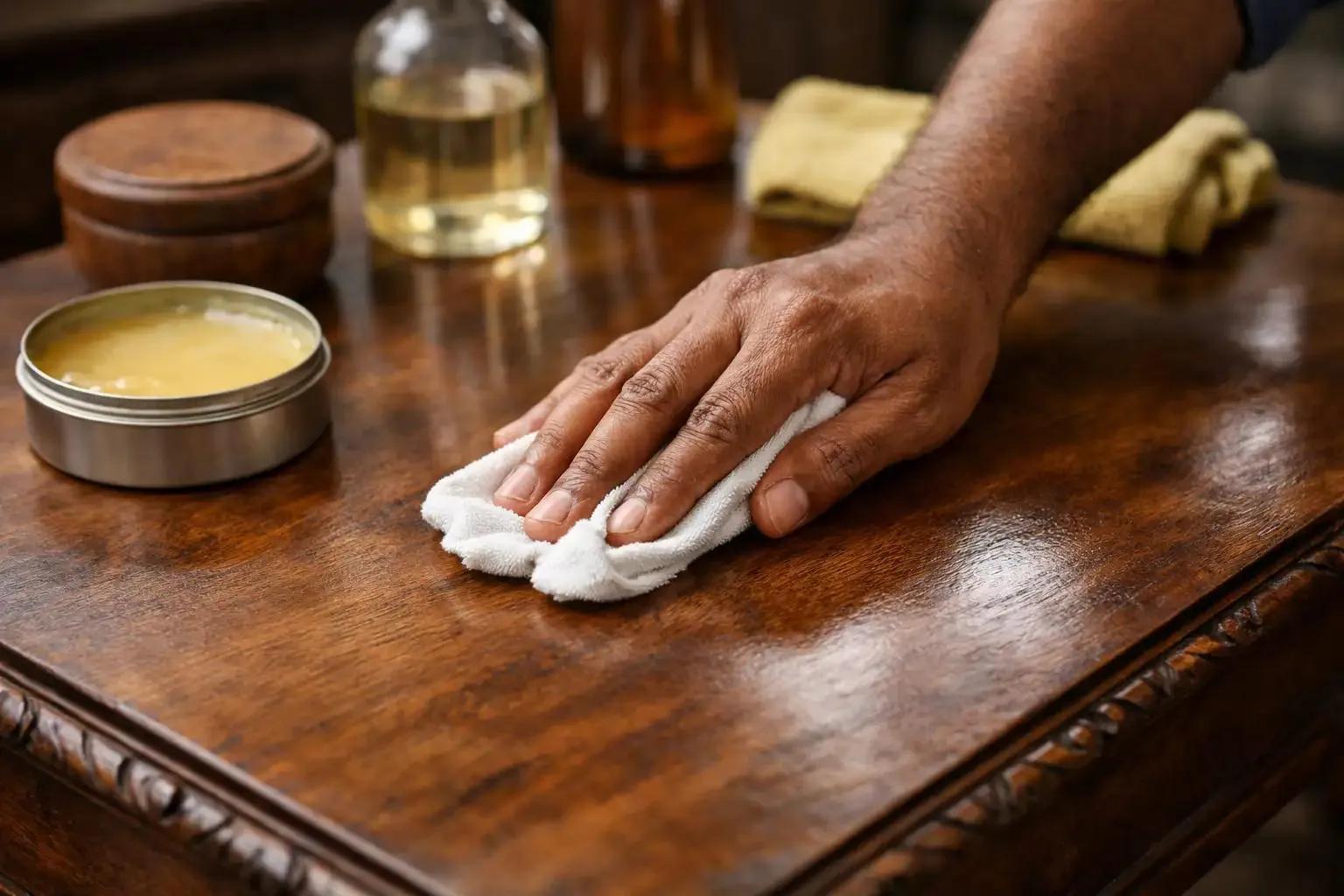
Though not its intended purpose, baby oil works well for light cleaning tasks.
Polishing Wood and Metal Surfaces
A few drops restore shine to furniture and fixtures.
• Apply with a soft cloth and buff gently
• Removes water rings from wooden tables
• Cleans stainless steel without streaks
Always test on a small area first to avoid damage.
Quieting Squeaky Door Hinges
One drop of baby oil stops annoying squeaks.
• Apply directly to the hinge pin
• Wipe off excess to prevent dust attraction
• Not suitable for high-heat areas like ovens
A quick, temporary fix for noisy doors.
Conditioning Leather Goods
Keeps leather bags, shoes, and jackets soft and supple.
• Apply sparingly with a clean cloth
• Test on an inconspicuous spot first
• Wipe away any residue to avoid stickiness
Helps prevent cracking and dryness over time.
When Not to Use Baby Oil

Despite its many benefits, baby oil isn’t safe or effective in every situation.
On Acne-Prone or Oily Facial Skin
Even non-comedogenic oils can trigger breakouts in some people.
• Avoid using on the face if you have oily or acne-prone skin
• Opt for oil-free, water-based moisturizers instead
• Can clog pores when used excessively
Stick to body use unless your dermatologist approves facial application.
As a Sunscreen or Tanning Aid
Baby oil does not protect against UV rays and increases sun damage risk.
• Offers zero SPF protection
• Can intensify sunburn and skin damage
• Never use as a tanning oil
Always use broad-spectrum sunscreen for sun exposure.
As a Personal Lubricant
Baby oil breaks down latex and is unsafe for sexual health use.
• Degrades latex condoms and increases breakage risk
• Can cause irritation or infections in sensitive areas
• Use water-based or silicone-based lubricants instead
Never use with condoms or in intimate areas.
Frequently Asked Questions About How to Use Baby Oil
Can I use baby oil on my face?
Only if you have dry, non-acne-prone skin and use a small amount. Most dermatologists recommend avoiding it on oily or acne-prone skin due to clogging risk. Always patch test first and follow with a cleanser if residue remains.
Is baby oil safe for newborns?
Wait until your baby is at least one month old. Patch test first and avoid the face, scalp, and diaper area. Use only on healthy, dry skin and discontinue if any rash or irritation occurs.
Can baby oil help with cradle cap?
No—using baby oil on cradle cap can worsen the condition by trapping flakes. Use a gentle baby shampoo or a doctor-recommended treatment instead.
Does baby oil clog pores?
Pure mineral oil is non-comedogenic for most people, but overuse or application on dirty skin can lead to clogged pores. Use sparingly and avoid acne-prone areas.
Can I use baby oil as a makeup remover?
Yes—baby oil effectively removes waterproof mascara and long-wear foundation. Soak a cotton pad, press gently on eyes, then wipe and follow with a cleanser to remove residue.
Is baby oil safe for hair?
Yes, in small amounts. It helps tame frizz and condition dry ends. Avoid the scalp to prevent greasiness and use only one drop for best results.
Key Takeaways for Using Baby Oil Safely
Baby oil is a versatile, affordable product with uses far beyond infant care. From locking in moisture after showers to removing makeup and polishing furniture, it offers real benefits when used correctly. The key is applying it at the right time, in the right amount, and on the right areas.
Always avoid using it on broken skin, the face (if acne-prone), or as a sunscreen. Never use it with latex products. For babies, wait until they’re at least a month old and skip the face and diaper area.
To get started, try using baby oil after your next shower on damp skin, or as an overnight heel treatment. With these tips, you can safely incorporate baby oil into your daily routine—without the mess or mistakes.





