
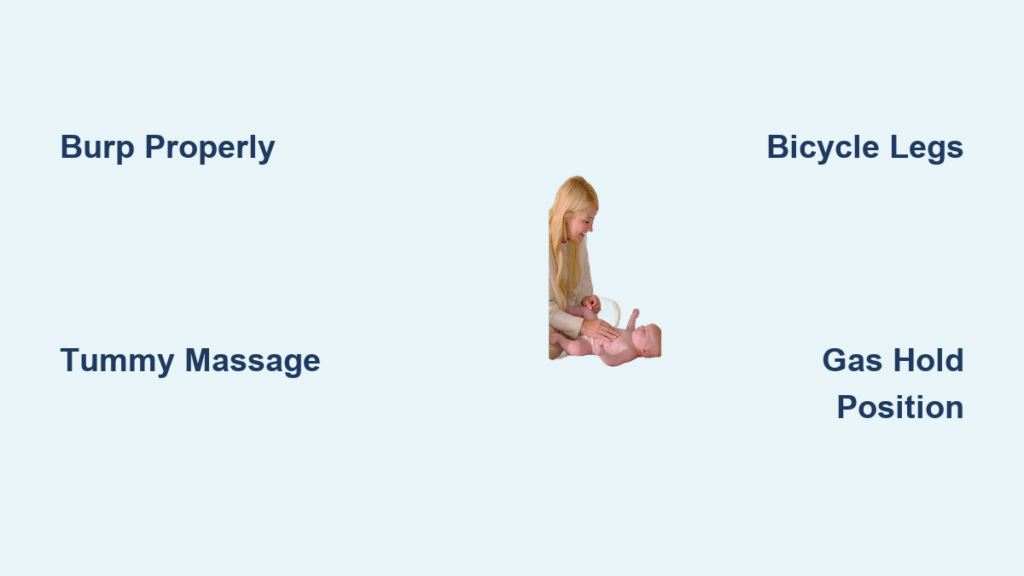
Babies often cry, squirm, and pull their legs up after feeding—and one of the most common reasons is trapped gas. If you’re wondering how to get gas out of baby, you’re not alone. Nearly all infants experience gas discomfort in their first few months due to an immature digestive system. While it’s not dangerous, gas can cause real pain, disrupt sleep, and make feeding stressful. The good news? Simple, proven techniques can help your baby pass gas quickly and comfortably.
This guide gives you a step-by-step plan to relieve infant gas using pediatrician-backed methods. From feeding adjustments and burping strategies to physical maneuvers and when to consider drops, you’ll learn what actually works. Whether your baby is breastfed or bottle-fed, a newborn or 3 months old, these techniques are safe, effective, and easy to use at home.
Fix Feeding to Stop Gas Before It Starts
The way your baby eats plays a major role in how much gas they swallow. Air intake during feeding is the top cause of infant gas, but small changes can prevent it.
Prevent Air Swallowing During Feeds
Babies gulp air when feeding too fast, crying, or latching poorly. To reduce this:
• Feed at the first signs of hunger—don’t wait until your baby is crying
• Keep your baby at a 30–45 degree angle during feeding
• Ensure a deep latch if breastfeeding—baby’s mouth should cover most of the areola
• Tilt the bottle so milk fills the nipple, not air
Feeding before crying starts alone can cut air intake significantly.
Choose the Right Bottle and Nipple
Standard bottles create suction that forces babies to swallow air. Instead:
• Use vented or anti-colic bottles like Dr. Brown’s, Comotomo, or Philips Avent
• Pick a slow-flow nipple that matches your baby’s age
• Check that the nipple hole isn’t too big (causes gulping) or too small (makes baby work too hard)
These changes can reduce gas within days.
Burp the Right Way to Release Trapped Air
Burping helps release air before it reaches the intestines. Skipping this step often leads to gas pain later.
Best Times to Burp
• Midway through feeding (after 1–2 oz for bottles or switching breasts)
• Immediately after feeding
• Before laying your baby down to sleep
Even if no burp comes, holding your baby upright for 10–15 minutes helps air rise and escape naturally.
Try All Three Burping Positions
Not every baby burps the same way. Rotate through these to find what works:
Over-the-Shoulder
• Hold baby upright against your shoulder
• Support head and neck
• Pat or rub gently between the shoulder blades
Sitting on Lap
• Sit baby upright on your thigh
• Cradle chest and chin with one hand
• Use the other hand to rub or pat the back
Face-Down Across Lap
• Lay baby tummy-down across your legs
• Support the head with one hand
• Gently bounce or rub the back
If no burp comes after 3–5 minutes, try feeding a bit more and attempt again later.
Use Physical Techniques to Move Trapped Gas
When gas is already stuck, physical moves can help it pass quickly.
Massage the Tummy Clockwise
Gentle massage stimulates digestion and moves gas bubbles along.
How to do it:
• Lay baby on their back
• Warm your hands and use light pressure
• Make small clockwise circles around the belly button
• Focus on the lower abdomen where gas collects
• Do this for 3–5 minutes, especially after feeding
This works best when your baby is calm.
Try the Bicycle Legs Trick
This mimics cycling to compress the abdomen and push gas out.
Steps:
• Lay baby on their back
• Hold both legs by the ankles
• Gently move legs in a slow bicycling motion—alternating knees to chest
• Continue for 1–3 minutes
Talk or sing softly to keep your baby relaxed.
Apply the Knees-to-Chest Hold
This position applies gentle pressure to the lower belly.
How to do it:
• Lay baby flat
• Gently bring both knees up to the chest
• Hold for 10–15 seconds
• Release and repeat 3–5 times
Combine this with tummy massage for stronger results.
Try the Gas Hold Position for Fast Relief

Also called the “colic hold” or “football hold,” this uses gravity and pressure to relieve gas fast.
Steps:
• Place baby face-down along your forearm
• Support the chest, hips, and head with your arm
• Hold securely and stand or sit
• Gently bounce or rock side to side
Many parents find this the most effective move during intense gas episodes.
Use Warmth to Soothe a Gassy Belly

Heat relaxes intestinal muscles and eases cramping.
Apply a Warm (Not Hot) Compress
Safe method:
• Soak a clean washcloth in warm water
• Wring out excess moisture
• Test temperature on your inner wrist
• Place gently on baby’s lower abdomen for 2–5 minutes
Never use heating pads or microwaved items—they can burn delicate skin.
Make Tummy Time Part of the Routine
Tummy time isn’t just for development—it helps with digestion.
Why It Helps With Gas
• Applies gentle pressure on the abdomen
• Strengthens core muscles involved in bowel control
• Promotes digestive movement
Tips:
• Start with 2–3 minutes, several times a day
• Do it after a burp, not right after feeding
• Always supervise
Even short sessions reduce gas over time.
Adjust Your Diet If Breastfeeding
For breastfed babies, what you eat can affect your baby’s digestion.
Common Gas-Triggering Foods
Some foods pass into breast milk and may cause gassiness:
• Dairy (milk, cheese, yogurt)
• Beans and legumes
• Broccoli, cabbage, cauliflower
• Onions and garlic
• Spicy foods
• Carbonated drinks
What to do:
• Eliminate one suspect food at a time for 5–7 days
• Keep a food and symptom diary to track patterns
• Reintroduce foods slowly to confirm sensitivity
Always talk to a lactation consultant before making major changes.
Consider Formula Changes for Bottle-Fed Babies
If your baby is formula-fed and consistently gassy, the formula may be the issue.
Signs It Might Be Formula-Related
• Frequent bloating and fussiness after feeds
• Excessive spit-up or constipation
• Skin rashes or blood in stool (rare but serious)
Options to discuss with your pediatrician:
• Partially hydrolyzed formulas (easier to digest)
• Low-lactose or lactose-free formulas
• Probiotic-enhanced formulas
Never switch formulas without medical advice—abrupt changes can worsen symptoms.
Use Simethicone Drops the Right Way
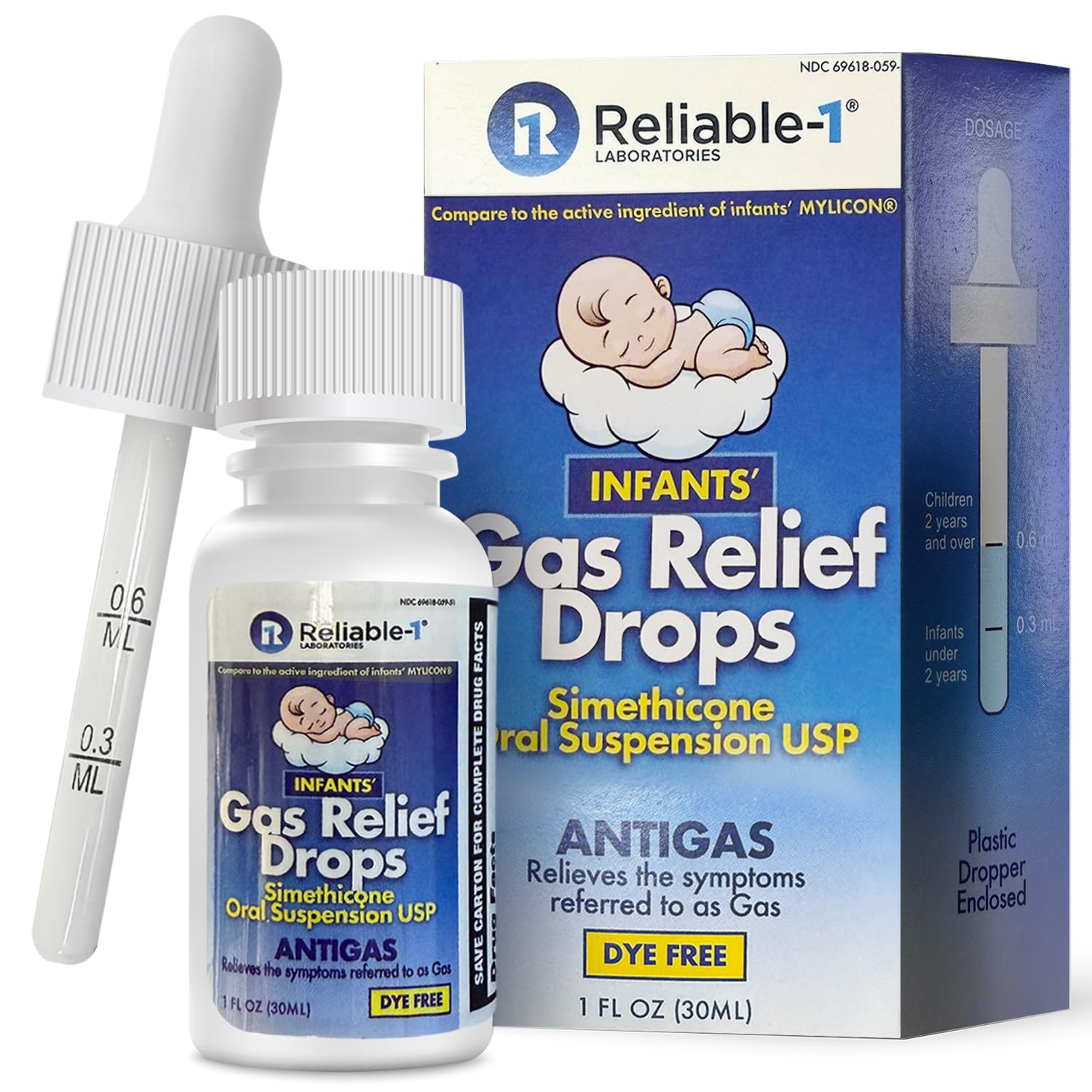
Over-the-counter gas drops can help break up gas bubbles.
How Simethicone Works
• Breaks large gas bubbles into smaller ones
• Makes it easier for baby to burp or pass gas
• Not absorbed into the bloodstream
Popular brands: Mylicon, Little Tummies, Phazyme
Dosage: Follow label instructions based on baby’s weight and age
Timing: Give during or after feeding, or when gas symptoms appear
Important:
• Always consult your pediatrician before use
• Not a cure-all—works best with other techniques
• Avoid long-term daily use without medical advice
When to Call the Doctor About Gas
Most gas is normal, but some symptoms need medical attention.
Red Flags That Need a Doctor Visit
• Crying for more than 3 hours a day, especially in a consistent pattern
• Poor weight gain or weight loss
• Forceful (projectile) vomiting
• Blood in the stool
• Fever over 100.4°F (38°C) in babies under 3 months
• Fewer than 6 wet diapers in 24 hours
• Refusing to feed for multiple feeds
• Lethargy or unresponsiveness
If you’re unsure, call your pediatrician or dial 811 for health advice. Trust your instincts—no question is too small.
Prevent Gas With Daily Habits
The best way to handle gas is to stop it before it starts.
Daily Prevention Checklist
• Feed before baby gets too hungry
• Burp at every feeding pause and after finishing
• Hold upright for 10–15 minutes post-feed
• Use proper bottle and nipple for age
• Practice tummy time daily
• Massage tummy gently each day
• Watch for food triggers (if breastfeeding)
Consistency reduces gas episodes over time.
Know What’s Normal for Your Baby
Gas is a normal part of infancy.
Developmental Timeline
• 0–3 months: Digestive system is still maturing—gas is common
• 3–4 months: Most babies start to “grow out” of excessive gas
• By 6 months: Improved digestion and muscle control reduce discomfort
Gas that improves with burping, massage, or passing stool is usually nothing to worry about.
Support for Parents Dealing With a Gassy Baby
Caring for a gassy baby is exhausting. You’re not doing anything wrong.
Tips for Parental Well-Being
• Take turns with a partner or caregiver
• Step away for 5 minutes if overwhelmed (place baby safely in crib)
• Remember: this phase is temporary
• Celebrate small wins—like a successful burp or a peaceful nap
A calm parent helps soothe a fussy baby. Your presence matters more than perfection.
Frequently Asked Questions About How to Get Gas Out of Baby
How do I know if my baby has gas?
Look for pulling legs up, a bloated belly, fussiness after feeding, arching the back, or passing gas. Crying that improves with burping or massage often means gas is the cause.
What is the fastest way to get gas out of a baby?
The gas hold position (face-down on your forearm) combined with gentle bouncing often brings the fastest relief. Bicycle legs and tummy massage also work quickly.
Should I burp my baby if they fall asleep during feeding?
Yes. Hold your baby upright for 10–15 minutes after feeding, even if they’re asleep. This helps air rise and escape naturally.
Can breastmilk cause gas in babies?
Breastmilk itself doesn’t cause gas, but certain foods in your diet (like dairy or cruciferous veggies) may pass into your milk and affect sensitive babies.
Do gas drops really work for newborns?
Simethicone drops can help break up gas bubbles, but they’re not a cure-all. They work best when combined with burping, massage, and proper feeding.
How often does a baby pass gas?
It’s normal for babies to pass gas 10–20 times a day. Frequent farting is usually a good sign of a working digestive system.
Key Takeaways for Relieving Baby Gas
Gas is normal and manageable. The most effective way to get gas out of baby includes proper feeding, consistent burping, and physical techniques like massage, bicycle legs, and the gas hold. For breastfed babies, watch your diet. For formula-fed babies, consider bottle and formula choices with your pediatrician’s guidance. Use simethicone drops only when needed and with medical approval.
Most babies outgrow excessive gas by 3–4 months. Until then, consistency and patience are key. Try different methods, track what works, and trust your instincts. With the right routine, you can help your baby feel more comfortable—and get more peace for yourself.





