
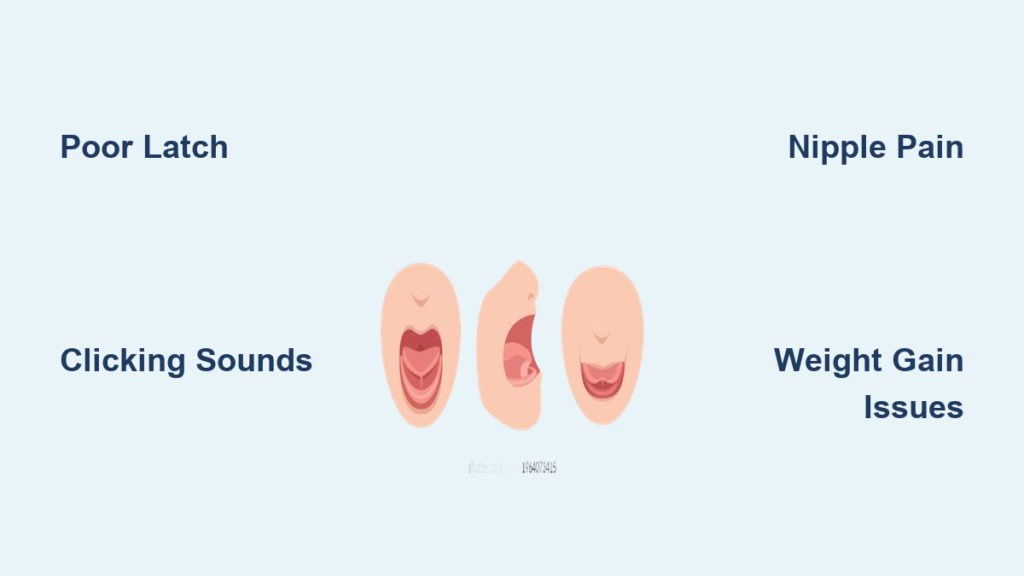
If your newborn struggles to latch, makes clicking sounds while feeding, or isn’t gaining weight, you might wonder: Could my baby have a tongue tie? Tongue-tie (ankyloglossia) is a condition where the lingual frenulum — the tissue under the tongue — is too tight or short, limiting tongue movement. This restriction can interfere with breastfeeding, cause maternal pain, and impact milk transfer. While not all tongue ties require treatment, recognizing early signs helps ensure your baby feeds well and grows properly.
Knowing what to watch for — from latch issues to a heart-shaped tongue — empowers you to seek timely help. This guide covers the key symptoms, how to assess tongue function, when to see a specialist, and what treatments are supported by evidence. Whether you’re navigating breastfeeding challenges or just want to be informed, understanding how to identify tongue tie can make a real difference in your baby’s comfort and development.
Watch for Breastfeeding Problems Linked to Tongue Tie
Breastfeeding difficulties are the most common sign of tongue tie. A restricted tongue can’t create proper suction or compress milk from the breast, leading to inefficient feeding. These issues go beyond frustration — they can affect your baby’s growth and your ability to continue nursing.
Look for Signs of a Poor Latch
A baby with tongue tie often can’t open wide or lift their tongue enough to form a deep, effective latch. Instead, you may notice:
• Shallow latch where the baby only takes the nipple
• Frequent breaking of suction during feeds
• Clicking or popping noises with each suck
• Gumming or chewing instead of rhythmic sucking
• Fussiness or falling asleep quickly due to exhaustion
These behaviors mean your baby is working harder than normal to get milk, which can lead to fatigue and poor intake.
Track Milk Transfer and Weight Gain
Even with frequent nursing, a tongue-tied baby may not transfer enough milk. Warning signs include:
• Fewer than six wet diapers per day after day five
• Less than three bowel movements daily in the first weeks
• Slow or stalled weight gain
• Constant hunger cues shortly after feeding
Babies may nurse for long stretches but remain unsatisfied, leading to cluster feeding and parental burnout.
Notice Persistent Nipple Pain or Damage
Ongoing pain during breastfeeding is not normal and often points to tongue tie. Common signs in mothers include:
• Sharp, stabbing pain during or after nursing
• Flattened, creased, or lipstick-shaped nipples after feeds
• Blisters, cracks, or bleeding on the nipples
• Decreased milk supply from inadequate breast stimulation
If discomfort lasts beyond the first week, have your baby’s tongue function evaluated.
Check for Physical and Functional Tongue Restrictions
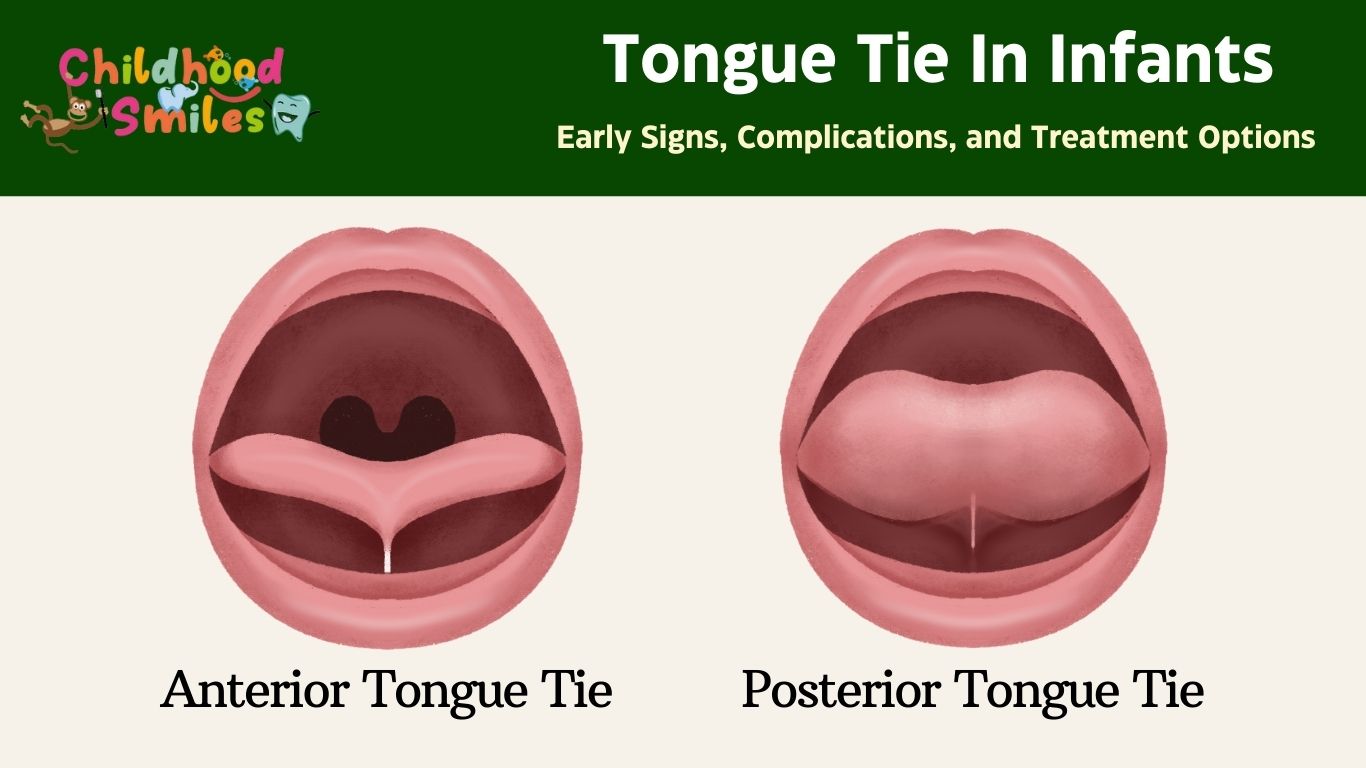
While some tongue ties are visible, others are hidden. Physical signs should always be assessed alongside feeding performance — because appearance alone doesn’t determine if treatment is needed.
Spot a Heart-Shaped or Notched Tongue
When a baby with anterior tongue tie lifts their tongue, the tip may dip in the center, creating a heart-shaped appearance. This happens because the frenulum pulls down the middle while the sides rise. However, many babies with posterior tongue tie show no visible sign but still have limited movement.
Test Your Baby’s Tongue Mobility
You can gently check your baby’s tongue function by encouraging them to open wide and lift their tongue. Look for:
• Inability to lift the tongue to the upper gum line
• Limited side-to-side motion
• Difficulty sticking the tongue past the lower lip
• A tongue that appears “stuck” or barely moves
Posterior tongue ties may not look tight but still restrict elevation and extension.
Understand Anterior vs. Posterior Tongue Ties
Anterior tongue ties attach near the tip of the tongue and are usually easy to see — appearing as a thin, tight string. Posterior tongue ties are located further back under the tongue and may only be detected during a functional exam. Though the term is debated, both types can impair feeding if they limit motion.
Diagnose Based on Function, Not Just Appearance
A true tongue-tie diagnosis requires both a tight frenulum and impaired function. Many babies have short frenula but feed without issues. The key question is whether tongue movement affects real-world feeding.
Why Feeding Performance Matters Most
Some infants have obvious frenula but breastfeed well. Others with subtle restrictions struggle significantly. Healthcare providers focus on functional impact, not just anatomy. A baby who latches well, swallows milk effectively, and gains weight likely doesn’t need intervention — even if the frenulum looks tight.
Use Standardized Assessment Tools
Professionals may use tools like the Hazelbaker Assessment Tool (HALF) or Bristol Tongue Assessment Tool (BTAT) to evaluate:
• Tongue elevation
• Lateral movement
• Extension
• Symmetry
• Gum-rolling ability
These help standardize diagnosis and guide treatment decisions.
Know When to Consult a Tongue-Tie Specialist
Not every feeding problem means tongue tie — but persistent issues warrant expert evaluation. Delaying care can lead to pain, poor growth, or early weaning.
Seek Help for Ongoing Feeding Challenges
Talk to a provider if you notice:
• Nipple pain lasting beyond the first week
• Baby not gaining weight appropriately
• Long, frequent feeds with little satisfaction
• Signs of dehydration like sunken soft spot or low wet diapers
Don’t blame yourself — breastfeeding struggles are common and treatable with the right support.
Choose the Right Type of Healthcare Provider
Different specialists play key roles:
• IBCLC (lactation consultant): Assesses latch and feeding mechanics
• Pediatrician: Diagnoses tongue tie and refers for treatment
• ENT or pediatric dentist: Performs frenotomy if needed
• Speech-language pathologist: Evaluates oral motor function
A team approach often delivers the best outcomes.
Rule Out Other Causes of Feeding Issues
Tongue tie isn’t the only reason babies struggle to feed. Before pursuing treatment, consider other possibilities:
• Flat or inverted nipples
• Low milk supply unrelated to latch
• Infant reflux or neurological conditions
• Poor feeding positioning
A skilled lactation consultant can help distinguish between anatomical and behavioral causes.
Try Non-Surgical Support First

Many babies with mild tongue tie improve with feeding adjustments alone. Surgery isn’t always necessary — and conservative care should be the first step.
Improve Latch and Feeding Position
Small changes can make a big difference. Try:
• Encouraging a deeper latch using the “nipple to nose” technique
• Supporting your baby’s chin to promote a wider mouth opening
• Shaping your breast or using compression during feeds
• Using positions like football hold or side-lying for better control
An IBCLC can guide you through personalized strategies.
Adjust Bottle Feeding Techniques
Tongue tie rarely affects bottle feeding, but if your baby gags or chokes, try:
• Slower-flow nipples
• Holding the bottle horizontally
• Paced feeding to mimic breastfeeding rhythm
These reduce air intake and improve coordination.
Consider Frenotomy If Feeding Doesn’t Improve
If non-surgical methods fail and problems persist, a frenotomy — a quick clip of the frenulum — may be recommended. It’s one of the safest and most effective treatments for functional tongue tie.
What the Frenotomy Procedure Involves
• Done in-office, usually without anesthesia
• Takes less than two minutes
• Minimal bleeding or discomfort
• No stitches required
• Breastfeeding is encouraged immediately after
Most babies cry briefly but calm quickly and feed better within hours.
Best Timing for Treatment
Early intervention — ideally in the first 4–6 weeks — helps babies establish good feeding habits. However, older infants and toddlers can still benefit if symptoms continue.
Understand Risks and Aftercare
Complications are rare but may include:
• Minor bleeding
• Infection (very uncommon)
• Reattachment of tissue
Parents are often taught tongue stretches or wound massage to prevent reattachment and support healing.
Address Long-Term Concerns with Evidence-Based Facts
Parents often worry about speech or dental issues. While tongue tie can contribute to some problems, many concerns are overstated.
Tongue-Tie and Speech: What Science Shows
Most experts agree that tongue tie does not cause speech delays. Research shows children with untreated tongue tie typically develop normal speech. If articulation problems arise later (e.g., with l, r, t sounds), a speech evaluation is appropriate — but preventive surgery in infancy isn’t supported.
Dental and Oral Health Effects
Possible long-term impacts include:
• Gap between upper front teeth
• Difficulty cleaning teeth due to limited tongue motion
• Higher risk of tooth decay in hard-to-reach areas
A pediatric dentist can monitor development and recommend care — often not until school age.
Avoid Common Myths and Unproven Treatments
Increased awareness has led to overdiagnosis and unnecessary procedures. Stay informed to avoid common misconceptions.
Lip Tie: Separating Evidence from Hype
Many providers diagnose “lip tie” and recommend revision. However, current research shows no benefit from lip tie release for breastfeeding. There’s no proven improvement in milk transfer or nipple pain. Dental gaps can usually be corrected later with orthodontics.
No Link Between Tongue-Tie and Sleep Apnea
Despite online claims, there is no evidence that tongue tie causes sleep apnea in children. A 2020 clinical consensus confirms this. If your child snores or has breathing issues, consult a pediatric sleep specialist — not a frenulum surgeon.
Monitor Progress After Intervention
Whether you choose surgery or behavioral support, tracking progress is essential.
Evaluate Feeding Improvements
Within days of a frenotomy or latch adjustment, look for:
• Reduced maternal pain
• Longer intervals between feeds
• More audible swallows
• Steady weight gain
Some babies improve immediately; others take a few weeks to adjust.
Schedule Ongoing Developmental Check-Ins
Even if feeding improves, regular visits with:
• Pediatrician for growth
• Dentist for oral development
• Speech therapist if concerns arise
…help ensure long-term success.
Frequently Asked Questions About Tongue Tie
Can a baby with tongue tie breastfeed successfully?
Yes, many babies with tongue tie breastfeed well with proper support. Lactation consultants can help improve latch and positioning. Surgery isn’t always needed — some infants adapt and feed effectively without intervention.
Does every baby with a tight frenulum need a frenotomy?
No. A tight frenulum only requires treatment if it causes functional problems like poor feeding, pain, or poor weight gain. Many babies have short frenula but feed without issues and don’t need surgery.
How is posterior tongue tie diagnosed?
Posterior tongue tie is diagnosed through a functional exam, not just appearance. A provider assesses tongue mobility, elevation, and feeding performance. It may not be visible but still restrict movement under the tongue.
Can tongue tie affect speech later in life?
Most research shows tongue tie does not cause speech delays. While some children may have trouble with certain sounds (like l or r), these issues are often unrelated to tongue tie. Speech therapy is more effective than surgery for articulation problems.
Is frenotomy safe for newborns?
Yes, frenotomy is a quick, low-risk procedure typically done in-office without general anesthesia. Complications like bleeding or infection are rare. Most babies feed better within hours and tolerate the procedure well.
Will my insurance cover tongue tie treatment?
Frenotomy performed by a medical provider (like an ENT or pediatrician) is usually covered by insurance as a medically necessary procedure. Out-of-pocket costs are typically limited to your copay. Coverage may vary for non-medical providers.
Key Takeaways for Recognizing Tongue Tie in Babies
Tongue tie can affect breastfeeding, but not all cases require treatment. The key is recognizing symptoms like poor latch, clicking sounds, maternal pain, and poor weight gain — and pairing those with physical and functional assessments. Early evaluation by a lactation consultant or pediatrician can make a big difference in feeding success.
Non-surgical support should be tried first. Many babies improve with latch adjustments and positioning help. Surgery like frenotomy is safe and effective when needed — but only if functional issues persist. Avoid unproven claims about lip ties or speech prevention.
Ultimately, the goal isn’t a “perfect” tongue — it’s a healthy, well-fed baby and a comfortable feeding experience for both of you. If you’re concerned, seek help early. With the right support, most babies thrive.





