
Parents often wonder when can babies start sitting up—a major milestone that signals growing independence and motor development. Most babies begin practicing supported sitting around 4 months, using their hands and caregiver support to stay upright. By 6 to 9 months, many achieve independent sitting, balancing without help. This progression isn’t instant—it builds on months of tummy time, muscle strengthening, and balance training. With consistent, gentle practice, your baby will gradually gain the core strength and coordination needed to sit confidently. In this guide, you’ll learn the stages of sitting development, how to support your baby safely, and what signs show they’re ready to sit on their own.
Supported Sitting Begins at 4 Months
Practice Between Caregiver’s Legs
One of the safest ways to start sitting practice is placing your baby between your legs while sitting on the floor. Your thighs act as side supports, helping your baby stay upright while learning balance. This position allows them to focus on trunk control without fear of falling. Begin with 1–2 minute sessions, especially if your baby seems unsteady or tired.
At this stage, it’s normal for your baby to lean forward, hands on the floor for support. Their back may appear rounded, and they’ll likely need your hands under their armpits. This is part of the process—your baby is building muscle memory and confidence. The goal isn’t perfect posture yet, but gradual strength and stability.
Use Hand Support to Prevent Falls
Keep your hands close during early sitting—ideally under the baby’s armpits or upper chest—to provide full support. As they grow stronger, gradually lower your hands to the rib cage, then to the hips, reducing assistance over time. This helps them develop balance while still feeling secure.
If your baby wobbles or starts to fall, gently guide them back to center. Never pull up by the arms—support the trunk instead. Watch for signs like fussing or pushing back into your hands, which may mean they’re done with sitting for now. Always end on a positive note to keep the experience enjoyable.
Build Core Strength with Tummy Time
Start Floor Play From Birth
Tummy time should begin from day one, even if only for a few minutes at a time. It’s crucial for developing the neck, back, and core muscles needed for sitting. Place your baby on a soft mat during awake periods and get down to their level to encourage head lifting.
Initially, your baby may only lift their head briefly. Over time, they’ll push up on their arms, strengthening shoulders and trunk. This upper body strength is essential for sitting. Aim for multiple short sessions daily—this prevents frustration and builds endurance.
Strengthen Muscles for Upright Posture
The muscles used in tummy time are the same ones that stabilize your baby when sitting. As they push up, roll, and reach, they’re training their core (abdominal) muscles and improving coordination. These movements lay the foundation for independent sitting by teaching the body how to maintain balance against gravity.
Make tummy time more engaging by placing colorful toys or mirrors just out of reach. You can also lie on your back and place your baby on your chest—this gives them a new view and encourages head lifting. Every minute counts. Consistent daily practice leads to noticeable improvements by 4 to 5 months.
Progress From Hand Support to Hands-Free Sitting

Transition at 5–6 Months
By 5 months, many babies begin to sit with less hand support. They may still lean forward and use their hands on the floor, but their trunk is becoming more stable. This phase is key for developing balance reactions—the body’s automatic adjustments when it starts to tip.
Encourage progress by placing toys slightly out of reach. This prompts your baby to shift their weight and reach without fully losing balance. When they do fall, catch them gently and help them return to sitting. These small failures are part of the learning process and help build neural pathways for coordination.
Reduce Support Gradually
As your baby grows stronger, adjust your hand placement:
– Armpit support → most stable
– Rib cage support → moderate stability
– Hip support → encourages independent balance
At 6 months, some babies can sit briefly without any hands-on help. Don’t rush it—every baby progresses at their own pace. If your baby topples over, that’s normal. The key is consistent, short practice sessions that build strength without causing fatigue.
Achieve Independent Sitting by 6–9 Months
Signs Your Baby Is Ready
By 6 months, your baby may show clear signs of readiness for independent sitting:
– Holds head steady without support
– Sits with minimal help or wobbling
– Reaches for toys while staying upright
– Transfers weight side to side without falling
When these skills emerge, you can begin placing your baby on the floor with pillows or cushions around for safety. Never leave them unattended—even a strong sitter can lose balance and roll over unexpectedly.
Most babies achieve full independent sitting between 6 and 9 months. Some may sit confidently by 6 months, while others take until 8 or 9. Both are within the normal range of development.
Encourage Balance Through Play
Once your baby can sit with support, turn practice into play. Place toys to the left, right, and behind them to encourage twisting and reaching. This challenges their balance and strengthens the muscles needed for crawling and standing later.
You can also gently nudge their shoulder to see how they react. A baby with good balance will extend an arm to catch themselves—a sign of developing protective reflexes. Celebrate small wins: holding position for 10 seconds, sitting after rolling over, or playing with both hands free.
Create a Safe Sitting Practice Environment

Use Soft Surfaces and Cushions
Always practice sitting on a flat, soft surface like a play mat or carpeted floor. Avoid couches, beds, or elevated areas where a fall could cause injury. Place rolled towels or pillows behind and beside your baby for light support if needed.
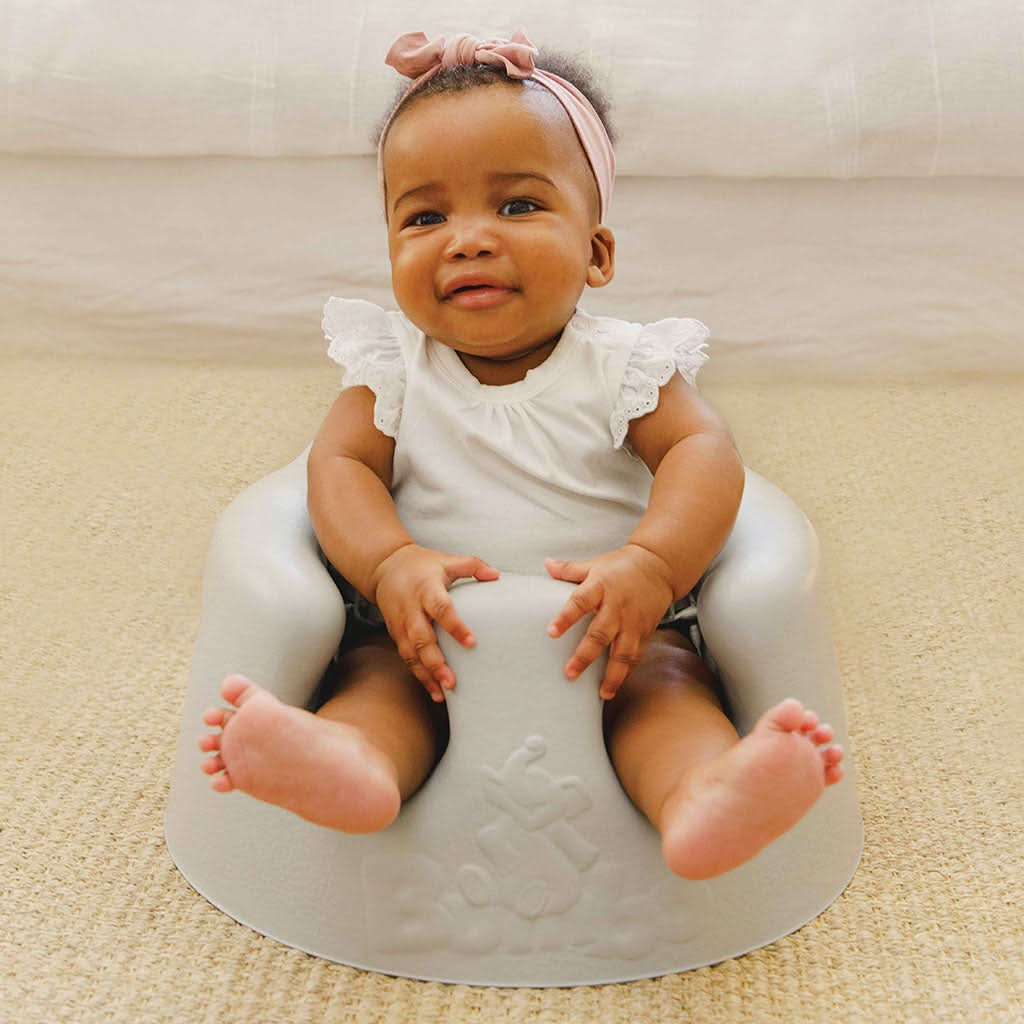
Never use infant seats or Bumbo-style chairs before your baby has head and trunk control. These can encourage slouching and don’t allow for natural balance development. Instead, focus on floor-based practice where your baby can move freely and respond to shifts in balance.
Stay Within Arm’s Reach
Supervision is non-negotiable. Babies can topple over in seconds, especially when reaching for toys. Stay within arm’s reach at all times during sitting practice. This ensures you can catch them if they fall and respond to cues that they’re tired or overstimulated.
Watch for signs like arching back, fussing, or pushing into your hands—these often mean your baby is done. End the session calmly and try again later. Short, positive experiences build confidence faster than long, stressful ones.
Use Reclined Seating for Early Exposure
Introduce High Chairs and Strollers at 4 Months
From 4 months, you can begin using reclined high chairs or strollers to familiarize your baby with the sitting position. These provide full back support and help them get used to being upright without requiring active muscle control.
Choose reclined positions that support the head and neck. Never force your baby into a fully upright seat before they can hold their head steady. These early exposures help with postural awareness and make the transition to floor sitting smoother.
Limit Time in Restrictive Devices
While reclined seating is helpful, avoid prolonged use. Devices like car seats, swings, or bouncers should not replace active floor play. Too much time in a fixed position can delay motor development. Use them for transport or short breaks, not as primary seating.
Instead, prioritize tummy time, supported sitting, and free movement on the floor. This gives your baby the sensory and motor input needed to build strength naturally.
Recognize Developmental Variations
Normal Range Is Wide
There’s no single “right” age for sitting. While some babies sit independently by 6 months, others don’t until 9 months—and both are normal. Development depends on factors like muscle tone, birth weight, and activity level.
Premature babies may reach milestones later. Use their adjusted age (based on due date, not birth date) when tracking progress. For example, a baby born two months early may sit at 8 months chronological age but 6 months adjusted age—right on track.
When to Consult a Doctor
Talk to your pediatrician if your baby:
– Cannot hold their head up by 4 months
– Shows no interest in sitting with support by 6 months
– Prefers to use one side of the body more than the other
– Has stiff or floppy muscle tone
Early intervention can make a big difference if there are delays. But for most babies, sitting develops naturally with time, practice, and encouragement.
Support Development at Every Stage
Week-by-Week Practice Guide
- Birth–3 months: Focus on tummy time and head control. Practice holding your baby upright during feeding or cuddling.
- 4 months: Begin supported sitting between your legs. Use armpit support. Keep sessions to 1–2 minutes.
- 5 months: Progress to rib cage support. Add weight-shifting play and reaching activities.
- 6 months: Try hip support. Encourage hands-free sitting. Expect first attempts at independent sitting.
- 7–9 months: Reduce support fully. Practice sitting on the floor with toys around. Celebrate balance and movement.
Key Equipment for Success
- Soft play mat – for floor practice
- Sturdy toys – for reaching and engagement
- Pillows or rolled towels – for gentle support
- Reclined high chair – for mealtime exposure
- Baby-safe mirror – for tummy time motivation
Avoid devices that restrict movement or prop your baby into positions they can’t achieve on their own.
Frequently Asked Questions About When Can Babies Start Sitting Up
When should a baby start trying to sit up?
Babies typically begin trying to sit up with support around 4 months. At this stage, they may lean forward with hands on the floor and need help staying upright. This early practice builds the strength needed for independent sitting by 6–9 months.
Can a 4-month-old baby sit with support?
Yes, a 4-month-old can sit with full support. Use your legs or hands to keep them upright. Many babies at this age can hold their head steady and begin practicing sitting between a caregiver’s legs for short periods.
How can I help my baby learn to sit up?
Start with daily tummy time from birth. At 4 months, practice supported sitting between your legs. Gradually reduce hand support from armpits to hips as your baby gains strength. Use toys to encourage reaching and balance.
What if my baby isn’t sitting by 9 months?
Some babies take until 9 months to sit independently, which is still within the normal range. If your baby shows no interest in sitting by 6 months or can’t hold their head up by 4 months, consult your pediatrician.
Is it safe to use a Bumbo seat for sitting practice?
Bumbo-style seats are not recommended before your baby has head and trunk control. They can encourage poor posture and don’t allow natural balance development. Focus on floor-based, supported sitting instead.
Does tummy time really help babies sit up?
Yes, tummy time is essential. It strengthens the neck, back, and core muscles needed for sitting. Even short daily sessions from birth build the foundation for upright posture and balance.
Key Takeaways for When Can Babies Start Sitting Up
Most babies begin supported sitting at 4–5 months and achieve independent sitting between 6 and 9 months. The key to success is early tummy time, progressive support, and safe, supervised practice. Every baby develops at their own pace—focus on strength, balance, and enjoyment, not speed.
To support your baby:
• Start tummy time from birth
• Begin supported sitting at 4 months
• Gradually reduce hand support as strength improves
• Use soft surfaces and stay within arm’s reach
With consistent, gentle encouragement, your baby will sit confidently and be ready for the next milestones: crawling, standing, and walking.





