
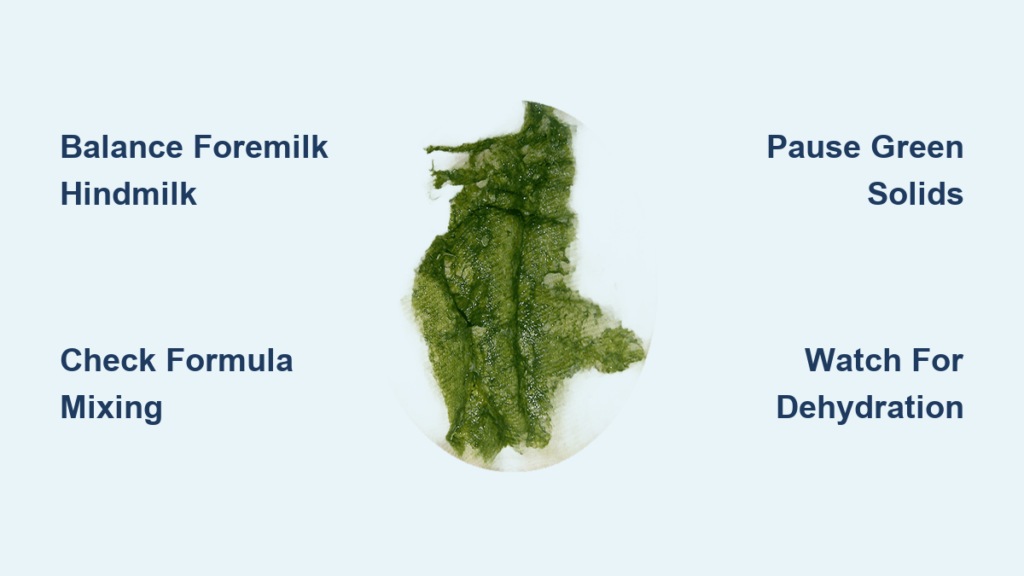
Green poop in babies can be alarming at first glance, but it’s usually not a sign of serious illness. How to stop green poop in babies often comes down to understanding the cause—most of which are temporary and manageable at home. Whether your baby is breastfed, formula-fed, or starting solids, changes in stool color are common, especially during the first year. The green hue typically stems from fast digestion, diet changes, or even your own food choices if you’re breastfeeding. With the right adjustments, you can help restore normal bowel movements in just a few days.
This guide breaks down the real reasons behind green baby poop and gives you clear, step-by-step solutions. You’ll learn how to tweak feeding techniques, identify dietary triggers, and know exactly when to call the doctor. Most importantly, you’ll gain confidence that your baby is okay—even when their poop isn’t the expected yellow or brown.
Fast Digestion and Foremilk-Hindmilk Imbalance
When your baby’s digestive system moves milk too quickly, bile doesn’t have time to break down fully—resulting in green, sometimes frothy stools. This is especially common in breastfed infants.
Is Your Baby Getting Too Much Foremilk?
Foremilk is the thinner, lactose-rich milk that comes at the beginning of a feeding. If your baby doesn’t nurse long enough to get the fattier hindmilk, they may experience:
• Green, foamy stools
• Gassiness and fussiness during or after feeds
• Frequent, short feedings
Fix it: Let your baby fully drain one breast before switching. This ensures they get more hindmilk, which slows digestion and balances stool color.
Manage a Forceful Letdown
A strong milk ejection reflex can cause your baby to gulp air and consume too much foremilk too fast.
Try this:
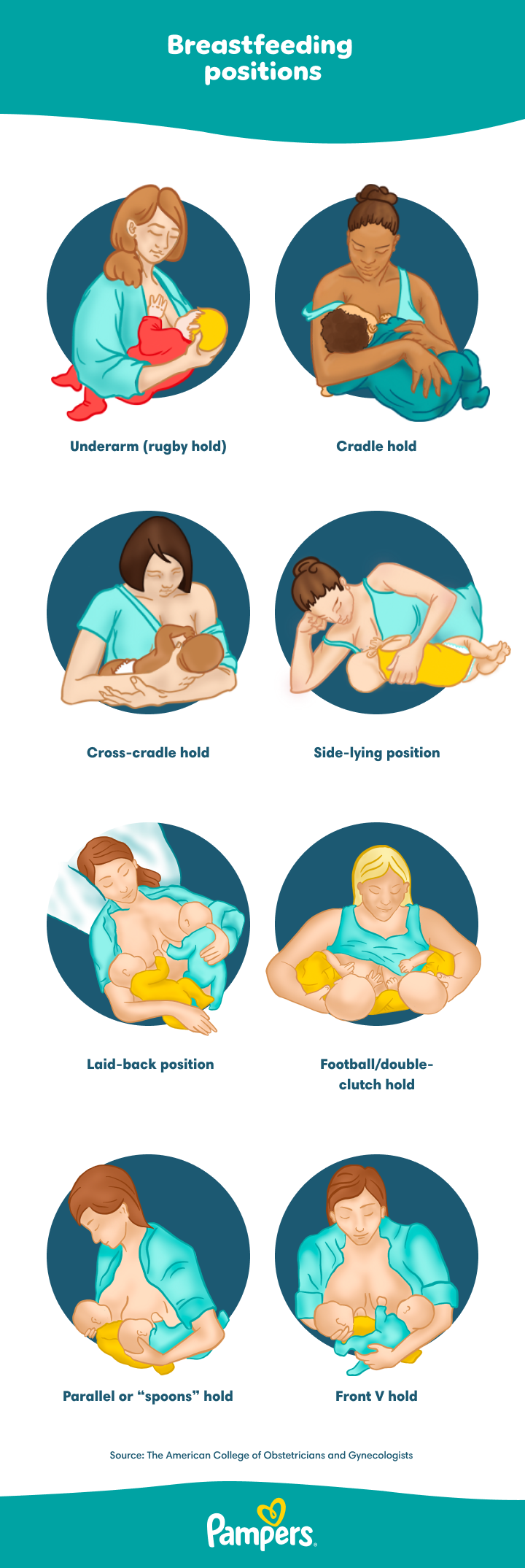
1. Nurse in a laid-back or side-lying position to slow milk flow
2. Express a small amount of milk before latching to reduce initial pressure
3. Use block feeding—offer only one breast for 2–3 hours to regulate supply
What to expect: Within 2–3 days, stools should become less green and more mustard-yellow.
Formula-Related Causes and Fixes
If your baby is on formula, the type and preparation method can directly affect stool color.
Iron-Fortified Formula and Green Stools
Iron is essential for development, but it often turns poop green or even greenish-black.
• This is normal and not a reason to stop the formula
• No health risk—only a cosmetic change
Key tip: Never switch formulas solely because of green poop. Focus on your baby’s weight gain, mood, and diaper output instead.
Incorrect Formula Mixing
Too much powder or too little water can overload your baby’s digestive system.
Avoid these mistakes:
• Adding extra scoops to “make it more filling”
• Using non-standard scoops or measuring cups
• Not shaking the bottle well, leaving clumps
Solution: Always follow the mixing instructions on the label. Use the provided scoop and level it off with a clean knife.
Starting Solids? Green Poop Might Be the Culprit

Introducing solid foods is a major digestive shift—and green veggies are a common cause of green stools.
Which Foods Turn Poop Green?
Certain foods pass through your baby’s system quickly and tint the stool:
• Pureed peas
• Spinach or kale
• Green beans
• Blueberry or mixed berry blends (due to pigments)
Timeline: Stool color changes usually appear 6–24 hours after eating.
How to Test and Adjust
If green poop starts after a new food:
- Pause green-colored foods for 2–3 days
- Replace with yellow/orange purees like sweet potato or carrot
- Reintroduce greens one at a time after a week
Pro tip: Keep a feeding and poop log to track which foods trigger changes.
Breastfeeding Moms: Your Diet Matters
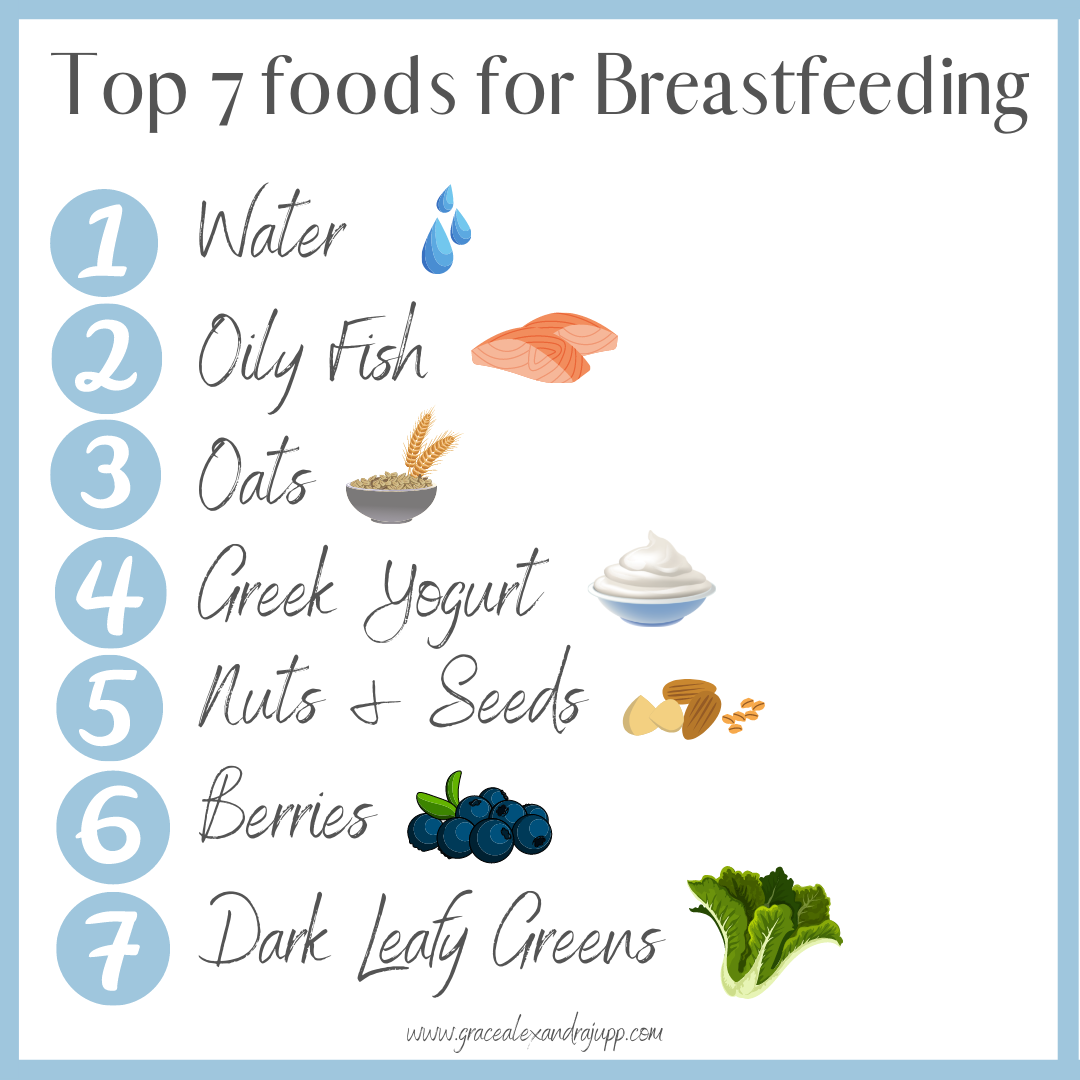
Yes—what you eat can affect your baby’s poop, especially if they’re sensitive to certain proteins or foods.
Foods That May Cause Green Stools
• Large amounts of green vegetables (kale, broccoli, spirulina)
• Green food coloring (in drinks or desserts)
• Dairy products (if baby has a cow’s milk protein sensitivity)
What to do: Try eliminating one suspect food at a time for 3–5 days. Start with dairy, the most common trigger.
Could It Be a Milk Protein Sensitivity?
Cow’s milk protein allergy (CMPA) affects about 2–3% of formula-fed and some breastfed babies.
Signs include:
• Green, mucus-filled stools
• Blood in stool
• Eczema or rashes
• Reflux or excessive spitting up
Action step: If you suspect CMPA, talk to your pediatrician. They may recommend a dairy-free maternal diet or a hypoallergenic formula.
Signs of Infection: When Green Poop Isn’t Normal

While most green poop is harmless, sometimes it signals a mild illness.
Watch for These Red Flags
• Watery, explosive stools more than 3 times in a row
• Fever (especially over 100.4°F in babies under 3 months)
• Vomiting or refusing to feed
• Fewer wet diapers (less than 6 per day)
• Lethargy or difficulty waking
If any of these occur: Contact your pediatrician immediately. Green diarrhea can lead to dehydration fast in infants.
Common Illnesses That Cause Green Stools
• Viral gastroenteritis (stomach bug)
• Mild food intolerance
• Antibiotic use (disrupts gut bacteria)
Support at home: Offer frequent feeds to maintain hydration. Use oral rehydration solutions only if advised by a doctor.
When to Call the Doctor About Green Poop
Most cases resolve in a few days—but some need medical attention.
See a Pediatrician If:
• Green poop lasts longer than 7 days despite changes
• Stool contains blood, mucus, or pus
• Baby isn’t gaining weight or is losing weight
• There’s persistent diarrhea or vomiting
• Baby is unusually fussy, weak, or hard to console
Don’t wait: If dehydration signs appear—dry mouth, no tears, sunken soft spot—seek care right away.
What the Doctor Might Do
• Review feeding history and stool patterns
• Test for allergies or infections
• Recommend a specialized formula or maternal diet change
• Rule out rare conditions like malabsorption
Remember: Never make major feeding changes without professional guidance.
Long-Term Prevention Tips
Once you’ve resolved green poop, keep it from coming back with these simple habits.
Stick to a Consistent Feeding Schedule
• Feed every 2–3 hours for newborns
• Avoid overfeeding or rapid volume increases
• Let your baby set the pace—don’t force longer nursing sessions
Result: More predictable digestion and stable stool color.
Keep a Poop and Feeding Diary
Track:
• Stool color, texture, and frequency
• Feeding type and duration
• New foods introduced
• Baby’s mood and sleep
Bonus: This log is invaluable if you need to consult a doctor.
Support Gut Health Naturally
• For breastfed babies: Eat probiotic-rich foods like yogurt or kefir
• For formula-fed babies: Ask your doctor about formulas with added probiotics
• Avoid unnecessary antibiotics unless prescribed
A balanced gut means healthier digestion and fewer color surprises.
Age-Specific Guidance for Green Poop
What’s normal changes as your baby grows.
Newborns (0–4 Weeks)
• Green poop in the first 3–5 days is normal (meconium to transitional stool)
• After day 5, stools should turn yellow
• Concern: Persistent green, watery stools—could indicate feeding issues
Action: Ensure proper latch and feeding frequency (8–12 times/day).
1–3 Months
• Most common cause: foremilk-hindmilk imbalance
• Formula-fed babies may react to iron or mixing errors
Fix: Adjust feeding technique and monitor weight gain.
4–6 Months
• Often linked to early solid introduction
• Increased milk intake can also speed digestion
Prevention: Wait until 6 months for solids unless advised otherwise.
6–12 Months
• Diet is the main driver of stool color
• Happy, growing babies with green poop likely just ate spinach or peas
Rule: If baby is thriving, no action needed.
Key Takeaways for Stopping Green Baby Poop
You don’t need to fix everything at once. Focus on these proven steps:
• Breastfeeding? Feed one side per session to balance foremilk and hindmilk
• Formula feeding? Double-check mixing instructions and avoid unnecessary switches
• Started solids? Pause green veggies and reintroduce slowly
• Worried about illness? Watch for fever, dehydration, or bloody stools
• When in doubt? Call your pediatrician—better safe than sorry
Bottom line: Green poop is rarely dangerous. If your baby is feeding well, gaining weight, and acting happy, it’s almost certainly temporary.
Frequently Asked Questions About Green Baby Poop
Why is my breastfed baby’s poop green and frothy?
Green, frothy stools often mean your baby is getting too much foremilk and not enough hindmilk. This imbalance can cause fast digestion and gassiness. Try feeding longer on one breast to correct it.
Can formula cause green poop in babies?
Yes—especially iron-fortified formulas. The iron content can turn poop green or greenish-black. This is normal and not harmful unless your baby shows other symptoms.
Does green poop mean my baby has an infection?
Not always. Mild viral infections can cause green diarrhea, but if your baby has no fever, is feeding well, and is alert, it’s likely not an infection. Watch for red flags like dehydration or blood in stool.
Should I stop solids if my baby’s poop turns green?
Not necessarily. Pause green vegetables for a few days to test. If the stool returns to normal, reintroduce them one at a time later. Most color changes from food are harmless.
Can my diet affect my breastfed baby’s poop?
Yes. Eating large amounts of green vegetables, dairy, or foods with dyes can influence stool color. If you suspect a sensitivity, eliminate one food at a time and monitor changes.
When should I worry about green baby poop?
Seek help if green poop lasts over a week, contains blood or mucus, or is accompanied by poor weight gain, vomiting, or signs of dehydration. Otherwise, it’s usually nothing serious.
Final Thoughts on How to Stop Green Poop in Babies
Green poop in babies is common, usually temporary, and rarely dangerous. By adjusting feeding techniques, reviewing diet, and monitoring for warning signs, you can often resolve it within days. The key is to stay calm, track changes, and focus on your baby’s overall health—not just stool color. If they’re feeding well, gaining weight, and happy, they’re likely just fine. When in doubt, always consult your pediatrician for personalized advice.





