
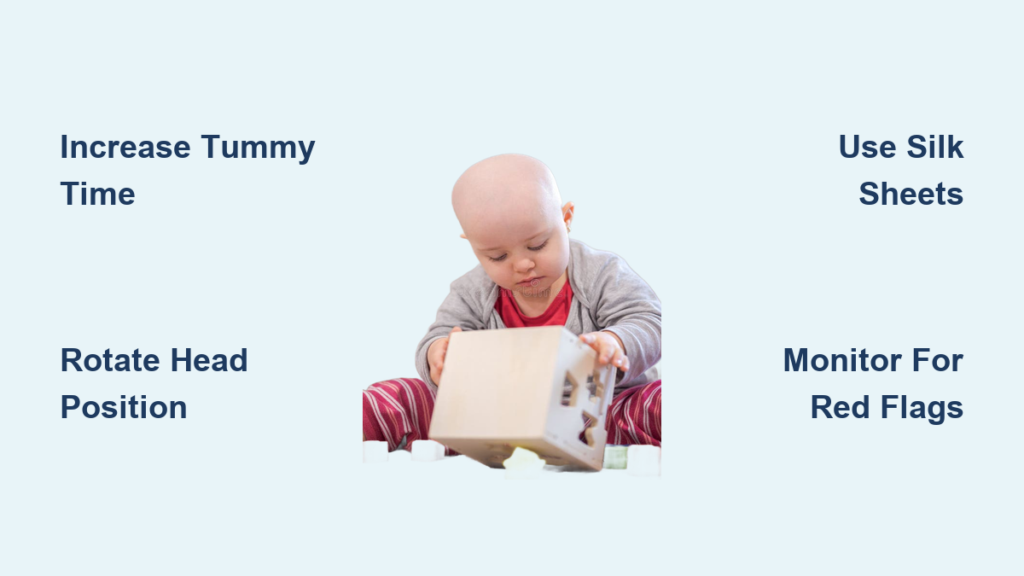
Many new parents are surprised when their baby starts losing hair, especially if bald patches appear on the back or sides of the scalp. Baby hair loss is extremely common and usually nothing to worry about. Most of the time, it’s caused by friction from lying on their back during sleep or rest—a condition known as positional alopecia. This type of shedding is preventable with simple daily adjustments that reduce scalp pressure and support healthy hair growth. In this guide, you’ll learn how to stop friction-related hair loss, recognize when it might be medical, and encourage strong regrowth—all with safe, pediatrician-backed strategies.
You’ll discover easy changes like increasing tummy time, rotating head positions, and using low-friction bedding. You’ll also learn red flags that mean it’s time to see a doctor. With consistent habits, you can prevent baby hair loss and help your little one develop a full, healthy head of hair in time.
Why Babies Lose Hair
Hair shedding in infants is normal during the first year, but understanding the cause helps determine if it’s preventable or just part of development.
Friction from Back-Lying Position
When babies spend hours on their backs, the constant rubbing against crib sheets or stroller fabric weakens hair at the roots. This leads to thinning or bald spots, especially where the head rests most—typically the back or one side. Cotton bedding increases friction, making the problem worse over time.
What to look for: A flat, smooth patch with no redness or irritation. The hair breaks off close to the scalp due to repeated pressure.
Developmental Hair Shedding
Around 2 to 6 months, babies often shed their initial hair due to hormonal shifts after birth. This is part of the natural hair cycle and not preventable. New hair usually grows in by 9 to 12 months.
Pro tip: Don’t panic if your baby goes bald—this phase is temporary and affects most infants to some degree.
Prevent Scalp Friction
Reducing pressure on your baby’s head is the most effective way to prevent baby hair loss. These simple daily habits can make a big difference.
Increase Daily Tummy Time
Tummy time lifts pressure off the back of the head and strengthens neck muscles. Start with 3–5 minutes, 2–3 times a day, and build up to 15–30 minutes by 4 months.
• Place a mirror or toy in front to encourage head lifting
• Always supervise—never leave your baby unattended
• Do sessions after naps or diaper changes for best cooperation
Hold Your Baby More Often
Frequent carrying reduces time spent lying down. Holding your baby in your arms or using a carrier spreads pressure evenly across the scalp.
Bonus benefit: Close contact helps regulate breathing, heart rate, and emotional well-being.
Rotate Your Baby’s Head Position
Each time you lay your baby down, alternate which direction they face in the crib. This prevents constant pressure on the same spot.
Visual cue: Notice which way your baby turns their head naturally—switch it every night to balance wear.
Use Low-Friction Bedding

The fabric your baby sleeps on directly affects hair strength and retention.
Choose Silk or Satin Sheets
Silk and satin create less resistance than cotton, allowing the head to glide smoothly during movement.
• Use fitted silk crib sheets
• Wrap your baby in satin-lined swaddles
• Consider sleep sacks with smooth inner linings
These materials reduce breakage and are gentler on delicate skin.
Avoid Rough Cotton Fabrics
Standard cotton sheets may seem soft but can cause micro-tearing of baby hair over time. If you can’t switch fabrics, rotate head position more frequently.
Warning: Never use loose blankets or pillows in the crib. Safety always comes first—opt for breathable, smooth sleepwear instead.
Use a Baby Sling or Carrier

Carrying your baby upright reduces time spent lying down and evenly distributes head pressure.
Benefits of Sling Use
• Keeps baby off hard surfaces
• Promotes bonding and soothing
• Supports even head shape development
Choose carriers with padded, smooth head support and ensure the airway stays clear.
Best Times to Use a Carrier
• During short naps (with supervision)
• While doing household tasks
• On walks or errands
Even 20–30 minutes a day helps reduce friction-related hair loss.
Monitor for Medical Causes

While most baby hair loss is due to pressure, some cases signal underlying conditions.
Watch for Ringworm Signs
Ringworm (tinea capitis) is a fungal infection that causes:
• Circular, scaly bald patches
• Red, flaky skin
• Itching or discomfort
It’s contagious and requires antifungal treatment. If you see black dots in the patch (broken hairs), see your pediatrician.
Recognize Alopecia Areata
This autoimmune condition causes the body to attack hair follicles. Signs include:
• Smooth, round bald spots
• No redness or scaling
• Rapid hair loss over days
Though rare in infants, it can affect babies with a family history of autoimmune disorders.
When to act: If patches grow quickly or appear on eyebrows or eyelashes, seek medical advice.
When to See a Doctor
Most bald spots resolve on their own, but certain signs mean it’s time to consult a professional.
Irregular or Spreading Patches
Uneven, growing, or merging bald areas may indicate infection or immune issues—not just friction.
Scalp Changes
Redness, crusting, oozing, or flaking suggest conditions like eczema, cradle cap, or fungal infection.
No Hair Regrowth by 12 Months
While timing varies, most babies regrow hair by their first birthday. Delayed regrowth may need evaluation.
Family History of Autoimmune Disease
If alopecia areata or similar conditions run in your family, mention this to your doctor—even mild symptoms deserve monitoring.
Support Healthy Hair Regrowth
Once friction is reduced, support natural regrowth with gentle care.
Massage the Scalp
Daily scalp massage boosts circulation to hair follicles. Use clean fingertips to rub in small circles for 2–3 minutes.
Best time: During bath time or before bedtime.
Keep the Scalp Clean
Wash your baby’s hair 2–3 times a week with mild baby shampoo. This prevents clogged pores and supports growth.
Avoid overwashing: Too much shampoo can dry out the scalp and worsen irritation.
Use Natural Oils Sparingly
Coconut or almond oil may help with dryness or cradle cap, though they don’t speed up growth.
• Apply a small amount only
• Do a patch test first
• Avoid heavy use to prevent clogged follicles
Track Developmental Milestones
As your baby gains strength, they’ll spend less time lying on their back—naturally reducing hair loss risk.
Head Control Timeline
• 1 month: Begins lifting head briefly during tummy time
• 2–3 months: Holds head at 45 degrees
• 4 months: Steady head control in sitting or tummy position
Tip: Use development as a guide. The more your baby lifts and turns their head, the less likely they are to develop bald patches.
Maintain a Safe Sleep Environment
Never compromise safety while trying to prevent baby hair loss.
Follow Safe Sleep Guidelines
• Always place baby on their back to sleep
• Use a firm, flat mattress
• Keep crib free of loose bedding, pillows, and toys
Important: Do not change sleep position to prevent hair loss—it increases SIDS risk.
Use a Sleep Positioner (With Caution)
Some parents use head-shaping pillows, but the AAP warns against them due to suffocation risk. If used, only do so under supervision and never during unsupervised sleep.
Frequently Asked Questions About Baby Hair Loss
Is it normal for babies to lose hair?
Yes. Most babies lose hair in the first 6 months due to hormonal changes or friction. It’s usually temporary and resolves on its own.
Can tummy time help prevent baby hair loss?
Yes. Tummy time reduces pressure on the back of the head and encourages even hair growth. Aim for 15–30 minutes daily by 4 months.
Does using silk sheets really make a difference?
Yes. Silk and satin create less friction than cotton, reducing hair breakage. Fitted silk crib sheets are a safe way to protect delicate strands.
When should I worry about my baby’s bald spot?
See a doctor if the patch is scaly, red, spreading, or not improving by 12 months. Rapid or irregular hair loss may need medical evaluation.
Can cradle cap cause hair loss?
Cradle cap (seborrheic dermatitis) can lead to temporary shedding if the scalp is inflamed or scratched. Gentle washing and oil application help clear it.
Will my baby’s hair grow back after balding?
In most cases, yes. Hair typically regrows by 12 months, especially once friction is reduced and developmental milestones are reached.
Key Takeaways for Preventing Baby Hair Loss
• Reduce friction with tummy time, head rotation, and smooth bedding like silk or satin
• Carry your baby more to limit time spent lying down
• Monitor for red flags like scaling, redness, or spreading patches
• Support regrowth with scalp massage and gentle hygiene
Hair loss in babies is usually temporary and preventable. By making small, consistent changes, you can prevent baby hair loss and support healthy development. If you’re ever unsure, talk to your pediatrician—early guidance ensures peace of mind and proper care.





