
Diarrhea in babies can be stressful, but most cases are mild and caused by viruses that resolve on their own. The real goal in how to stop baby diarrhea isn’t to block bowel movements—it’s to keep your baby hydrated, nourished, and comfortable while their body fights off the infection. For infants under 12 months, true diarrhea means three or more watery or very loose stools in a day, especially if it’s a sudden change from their usual pattern. While rotavirus and other infections are common causes, diet changes or allergies can also trigger symptoms.
The biggest danger with infant diarrhea is dehydration, not the diarrhea itself. That’s why effective care focuses on fluid replacement, continued feeding, and watching for red flags. This guide gives you clear, doctor-backed steps to manage baby diarrhea at home, recognize when to call the doctor, and support a faster recovery—without risky remedies or unnecessary medications.
Identify True Diarrhea in Your Baby
Know the Difference Between Normal and Abnormal Stools
Stool patterns vary by feeding type, so it’s essential to compare changes against your baby’s usual routine.
Breastfed babies often have:
– Loose, seedy, yellow or green stools
– A water ring around the stool (normal)
– Up to 6+ stools per day, especially in the first two months
Formula-fed babies typically have:
– Thicker, peanut butter-like stools
– 1–4 bowel movements daily after the first week
True diarrhea starts when:
– Stools become suddenly watery and more frequent
– The change lasts for 3 or more stools
– You see mucus, blood, or a foul smell
– Your baby shows signs of illness—fussiness, fever, poor feeding
One loose stool? Likely normal. But three watery stools in a row signal diarrhea and require action.
Assess How Serious the Diarrhea Is

Use the Stool Frequency Scale to Guide Care
| Severity | Watery Stools per Day | Recommended Action |
|---|---|---|
| Mild | 3–5 | Manage at home with fluids and monitoring |
| Moderate | 6–9 | Contact doctor within 24 hours |
| Severe | 10+ | Seek medical advice promptly |
Even with frequent stools, if your baby is alert, feeding well, and has wet diapers, it’s likely mild. But if they’re lethargic, not urinating, or in pain, treat it as serious.
Prevent Dehydration: The Top Priority

Recognize Early Signs of Fluid Loss
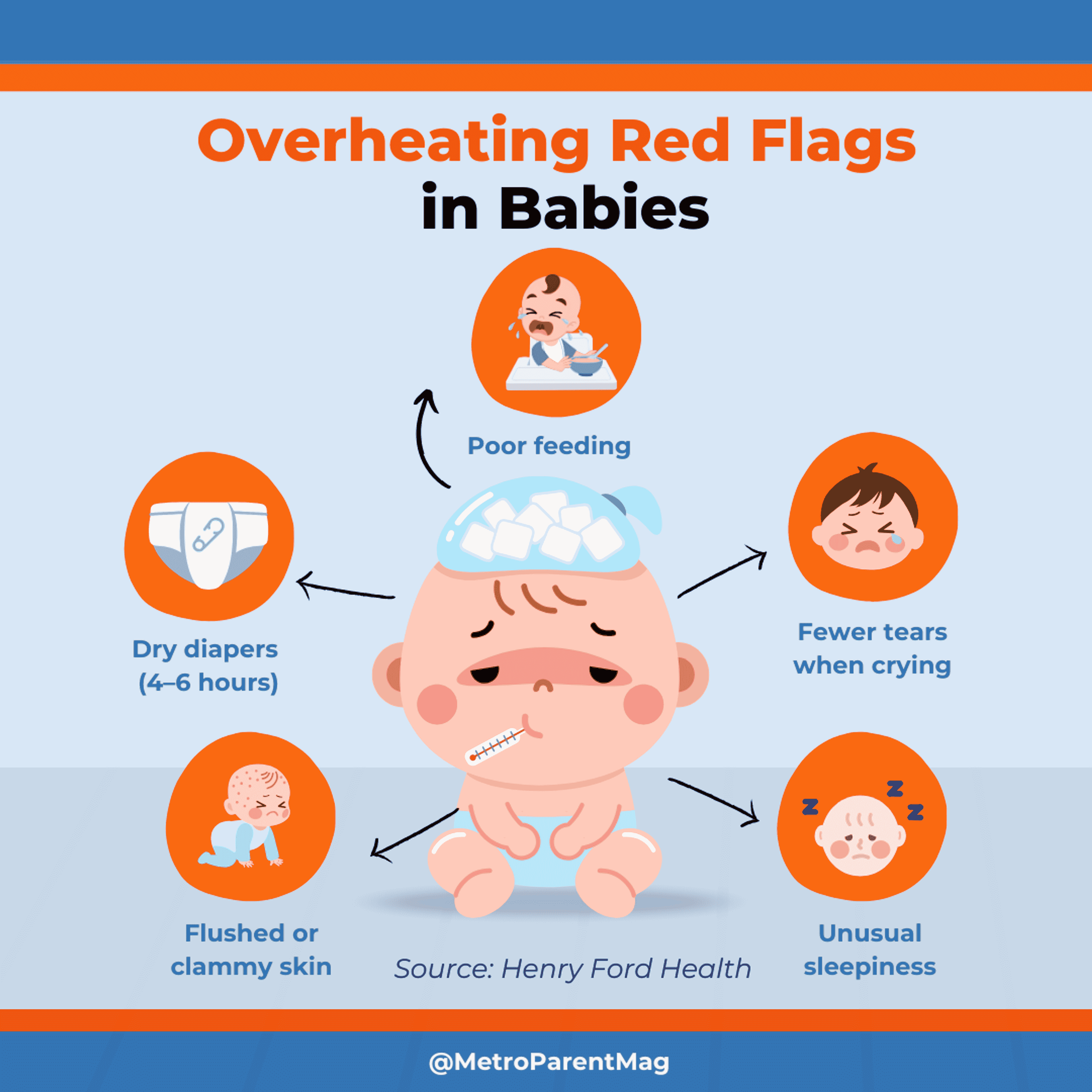
Dehydration is the most serious complication of baby diarrhea. Watch for these key signs:
- No wet diaper in 8+ hours
- Dark yellow urine (light straw color means hydrated)
- Dry tongue and mouth (dry lips alone aren’t reliable)
- No tears when crying
- Sunken soft spot (fontanelle) on the head
- Slow capillary refill: Press the thumbnail—pink return takes longer than 2 seconds
If your baby is playful, feeding well, and has regular wet diapers, dehydration is unlikely.
Rehydrate with Oral Rehydration Solution (ORS)
Use Pedialyte or Store-Brand ORS Correctly
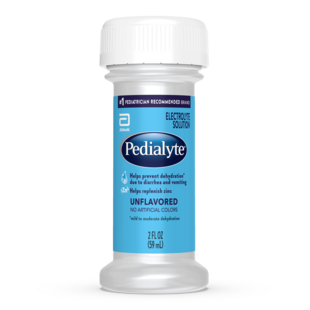
When diarrhea is frequent and watery, ORS (like Pedialyte) is the best fluid to prevent dehydration.
- Give 2–4 oz (60–120 mL) after each large watery stool
- Available at pharmacies and grocery stores
- Contains the right balance of sugar and electrolytes
Important rules:
✅ Continue breastmilk or formula as usual
✅ Use ORS as a supplement, not a replacement
❌ Never use ORS as the only fluid for more than 6 hours—babies need calories
ORS replaces lost fluids but not nutrition. Return to regular feeds quickly.
Keep Feeding: Breastmilk Is Best
Breastfed Babies Should Nurse More Often
- Increase breastfeeding frequency to match fluid loss
- Breastmilk is easy to digest and helps fight infection
- If baby isn’t keeping up, add:
- ORS or
- Formula (temporarily)
Do not stop breastfeeding. It’s one of the safest and most effective ways to support recovery.
Continue Formula Without Changes
Formula-Fed Babies Need Regular Feeds
- Feed more often, offering as much as baby will take
- Mix formula normally—no dilution or extra water
- Formula already contains water and nutrients
- Add starchy solids if baby eats them—rice cereal, oatmeal, pasta
Stopping formula increases dehydration risk and slows healing.
Use Probiotics to Shorten Diarrhea
Give Healthy Bacteria to Restore Gut Balance
Probiotics like Lactobacillus help reduce diarrhea duration.
- Best source: Plain yogurt with live cultures
- Dose: 1–2 oz (30–60 mL) twice daily
- Only for babies on solids (typically 4–6 months+)
- Lactose-free yogurt may be gentler during diarrhea
Probiotics can reduce diarrhea by 1–2 days and lower stool frequency.
Offer Easy-to-Digest Solid Foods
Focus on Starchy, Low-Sugar Options
If your baby eats solids, choose foods that are gentle on the gut:
- Rice cereal
- Oatmeal
- Toast or crackers
- Pasta
- Potatoes
These help bind stools and provide energy.
Avoid:
– Fruit juices (apple, pear, cherry)—they worsen diarrhea
– High-sugar snacks
– Fatty or spicy foods
Skip the outdated “BRAT” diet. While bananas and toast are fine, don’t limit nutrition—babies need balanced meals.
Manage Fever Without Overmedicating
Treat High Fevers, Not All Fevers
Fever often comes with viral diarrhea. Know when to act:
- Treat if over 102°F (39°C)
- Use acetaminophen (Tylenol) for all ages
- Ibuprofen (Advil) only if baby is 6 months or older
Don’t treat low fevers (under 102°F)—they help fight infection.
Always:
– Keep baby hydrated
– Offer cold fluids
– Dress lightly
Prevent Diaper Rash During Diarrhea
Protect Skin After Every Bowel Movement
Frequent stools increase irritation risk. Prevent rashes with this routine:
- Clean gently with water or fragrance-free wipes
- Pat dry—don’t rub
- Apply a barrier ointment:
- Vaseline (petroleum jelly)
- Desitin (zinc oxide)
Create a moisture-blocking layer around the anus. Change diapers quickly and let skin air out when possible.
Know When to Call the Doctor Immediately
Watch for These Red Flag Symptoms
Seek medical help right away if your baby has:
- Blood in stool
- No urine in 8+ hours
- Dry mouth, no tears
- Sunken soft spot
- Constant stomach pain lasting over 2 hours
- Lethargy or unresponsiveness
These signs suggest dehydration or a serious infection.
Rule Out Recurrent Causes Like Milk Allergy
Consider Cow’s Milk Allergy or Lactose Issues
If diarrhea keeps returning, explore possible causes.
Cow’s Milk Allergy
- Starts in first 2 months
- Causes loose, slimy, sometimes bloody stools
- Requires avoiding cow’s milk formula
- Breastfeeding moms may need to eliminate dairy
This is an immune response, not just intolerance.
Lactose Intolerance
- Rare under age 1
- Usually starts at 4–5 years
- Causes gas, bloating, loose stools
- Often runs in families
Most infants tolerate lactose during diarrhea. Don’t switch formulas without medical advice.
Understand the Recovery Timeline
Viral Diarrhea Lasts 5–14 Days
- Days 1–2: Worst symptoms—frequent watery stools
- Next 1–2 weeks: Gradual improvement
- Loose stools may linger—this is normal
As long as your baby is:
– Hydrated
– Eating well
– Acting normally
…recovery is on track. Full healing takes time.
Return to Child Care Safely
Wait for Two Key Signs Before Going Back
Your baby can return to daycare when:
– Stools are back to normal
– Fever is gone
No need to wait longer. Just ensure good hand hygiene to prevent spreading infection.
Avoid These Common Mistakes
What Not to Do When Your Baby Has Diarrhea
❌ Don’t give anti-diarrhea medicines—unsafe for babies
❌ Don’t stop breastmilk or formula—leads to dehydration
❌ Don’t use sports drinks or soda—wrong electrolyte balance
❌ Don’t delay care for blood or dehydration signs
Trust your instincts. If your baby seems sicker than expected, call your pediatrician.
Frequently Asked Questions About Baby Diarrhea
Can I give my baby Pedialyte for diarrhea?
Yes. Give 2–4 oz (60–120 mL) of Pedialyte after each large watery stool. Continue breastmilk or formula as usual. Do not use Pedialyte as the only fluid for more than 6 hours.
Should I stop formula if my baby has diarrhea?
No. Continue regular formula, mixed normally. Stopping formula increases dehydration risk. Offer more frequent feeds if needed.
How do I know if my baby is dehydrated?
Watch for: no wet diaper in 8+ hours, dark yellow urine, dry mouth, no tears, sunken soft spot, or slow capillary refill (over 2 seconds). If you see these, contact your doctor.
Can probiotics help my baby’s diarrhea?
Yes. Plain yogurt with live cultures (1–2 oz twice daily) can shorten diarrhea by 1–2 days. Only give to babies already eating solids.
When is baby diarrhea serious?
Call the doctor if there’s blood in stool, no urine in 8+ hours, lethargy, or constant stomach pain over 2 hours. These are signs of serious illness or dehydration.
How long does diarrhea last in babies?
Viral diarrhea typically lasts 5–14 days. The worst symptoms are in the first 1–2 days. Loose stools may continue for 1–2 weeks but improve gradually.
Key Takeaways for Managing Baby Diarrhea
- Confirm diarrhea: 3+ sudden, watery stools
- Keep feeding: Breastmilk or formula as usual
- Add ORS after large watery stools
- Use probiotics (yogurt) if on solids
- Feed starchy foods—rice, cereal, pasta
- Prevent rash—clean and protect skin
- Watch for dehydration—dry mouth, no tears, dark urine
- Call doctor for: blood, dehydration, no improvement
- Expect 5–14 days for full recovery
Most baby diarrhea is viral and self-limiting. Focus on hydration, nutrition, and monitoring—not stopping stools. With the right care, your baby will recover safely. When in doubt, always contact your pediatrician.





