
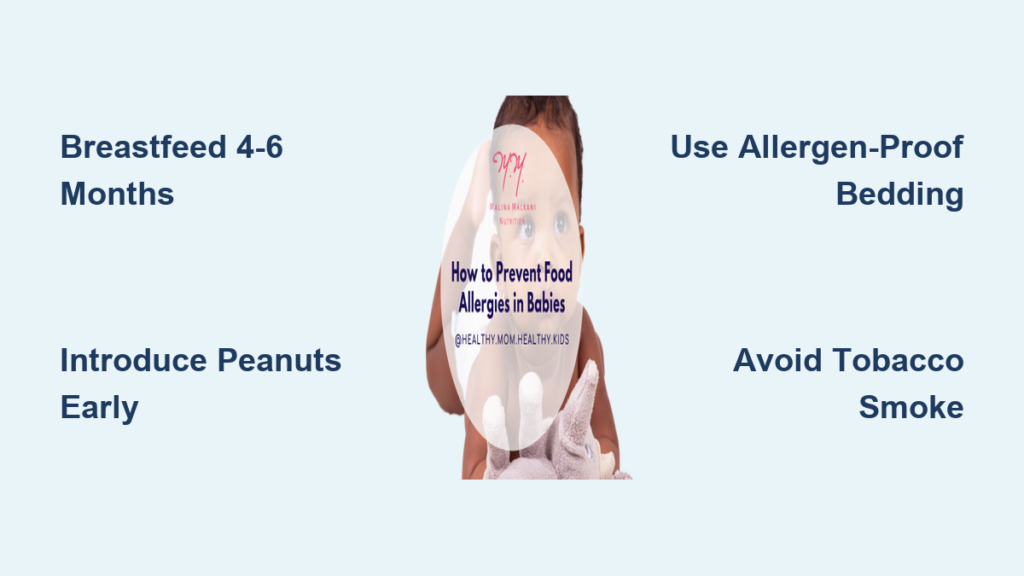
Every parent wants to give their baby the healthiest start in life. For families with a history of allergies or asthma, the concern is even greater—especially when wondering how to prevent allergies in babies. The good news? While genetics play a role, research shows that certain steps taken early can delay or even reduce the risk of allergic conditions like eczema, food allergies, and asthma. From feeding choices to environmental controls, science-backed strategies exist to support your baby’s developing immune system.
This guide breaks down the most effective, pediatrician-supported ways to help prevent allergies in babies. You’ll learn when and how to introduce common allergens, why breastfeeding matters, and what environmental changes make a real difference—all based on current medical guidelines.
Breastfeed to Strengthen Your Baby’s Immune System
Breastfeeding is one of the most effective ways to support your baby’s immune development and reduce the risk of early allergic diseases like eczema, wheezing, and cow’s milk allergy.
Why Breast Milk Lowers Allergy Risk
Breast milk contains antibodies, enzymes, and beneficial microbes that help train your baby’s immune system to respond appropriately. For infants at higher risk—those with a parent or sibling with allergies—exclusive breastfeeding for the first 4 to 6 months may reduce the likelihood of early allergic symptoms.
Contrary to outdated advice, avoiding allergenic foods like peanuts, eggs, or dairy during pregnancy or breastfeeding does not prevent allergies. Unless you’re personally allergic, there’s no need to restrict your diet. Instead, focus on eating a balanced, nutrient-rich diet to support both you and your baby.
What to Do If Breastfeeding Isn’t Possible
If you can’t breastfeed, use a hydrolyzed (hypoallergenic) formula, especially if your baby has a family history of allergies. These formulas break down cow’s milk proteins to make them less likely to trigger an allergic response.
Avoid standard cow’s milk or soy-based formulas as first choices for high-risk infants. Always consult your pediatrician before switching formulas—some babies may still react, and proper evaluation is essential.
Pro Tip: If your baby shows signs of discomfort, rash, or digestive issues on formula, talk to your doctor before making changes.
Introduce Allergenic Foods Between 4 and 6 Months
Delaying allergenic foods used to be standard advice. Now, strong evidence shows that early introduction can significantly reduce the risk of food allergies.
When to Start Common Allergens
Begin introducing allergenic foods between 4 and 6 months of age, after your baby has safely tolerated a few basic solids like rice cereal, apples, or carrots. This window is critical—your baby’s immune system is learning to tolerate foods rather than overreact.
Introduce one new food every 3 to 5 days and watch for signs of a reaction such as hives, vomiting, diarrhea, or facial swelling.
Key Allergens to Introduce Early:
- Peanuts (as thinned peanut butter or infant-safe peanut puffs)
- Eggs (fully cooked, mashed or scrambled)
- Dairy (small amounts of yogurt or cheese)
- Tree nuts (in butter form, never whole nuts)
- Fish and shellfish (cooked, flaked, and soft)
- Sesame (tahini or sesame paste mixed into food)
Important: If your baby has moderate to severe eczema or a known food allergy, talk to your pediatrician or allergist before introducing peanuts or eggs. They may recommend allergy testing first.
How to Safely Introduce Peanut to Prevent Allergy
The LEAP study found that introducing peanut early reduced peanut allergy by up to 86% in high-risk infants.
Follow these steps:
1. Start after your baby has tried a few other solids.
2. Use 2 teaspoons of water-thinned smooth peanut butter or 2 grams of peanut puff snacks.
3. Offer it 3 times per week.
4. Always supervise—never give whole nuts or large spoonfuls due to choking risk.
Visual cue: If your baby gags, coughs, or shows a rash, stop and consult your doctor.
Use Allergen-Proof Bedding to Reduce Dust Mite Exposure

Dust mites are a leading trigger for asthma and allergic rhinitis. Reducing exposure early may help delay or prevent symptoms—especially in high-risk babies.
How to Minimize Dust Mites in Your Home
Dust mites thrive in warm, humid environments like mattresses, pillows, and carpets. Take these proven steps to reduce their presence:
Effective Dust Mite Control:
- Use zippered, allergen-impermeable covers on mattresses and pillows.
- Wash bedding weekly in hot water (at least 130°F / 54°C).
- Keep indoor humidity below 50% with a dehumidifier or air conditioner.
- Remove carpets and heavy drapes from your baby’s bedroom.
- Choose hard flooring like wood, tile, or vinyl.
- Vacuum frequently using a vacuum with a HEPA filter.
Pro Tip: If your baby sneezes more indoors or has nighttime coughing, dust mites could be a factor.
Keep Pets in the Home—But Manage Dander
Contrary to old advice, having pets like dogs or cats may actually lower the risk of allergies and asthma in babies.
Why Early Pet Exposure May Be Protective
Recent studies show that children exposed to pets early in life—especially dogs—tend to have fewer allergies. Farm-raised children with animal exposure also show lower allergy rates, likely due to early immune training from diverse microbes.
What You Should Do:
- Don’t remove a healthy pet just because a baby is coming.
- Don’t get a pet solely to prevent allergies—the benefit isn’t guaranteed.
- Keep pets out of your baby’s bedroom.
- Groom pets regularly to reduce dander and shedding.
Expert Note: If your baby develops symptoms, see an allergist before blaming the pet. Testing often reveals dust mites or mold as the real culprit.
Eliminate Tobacco Smoke Exposure Completely
There is no safe level of tobacco smoke exposure for babies—before or after birth.
Risks of Smoke During and After Pregnancy
- Smoking during pregnancy increases the risk of infant wheezing and lung problems.
- Secondhand smoke raises the chance of asthma, bronchitis, and ear infections.
- Thirdhand smoke (residue on clothes, furniture, and walls) can still harm your baby’s developing lungs.
How to Protect Your Baby:
- Quit smoking before or during pregnancy.
- Ban smoking in your home and car.
- Ask visitors to smoke outside and change clothes before holding the baby.
- Wash smoke-exposed fabrics and wipe down surfaces regularly.
Urgency: Even brief exposure can trigger breathing problems in infants.
See an Allergist If Symptoms Appear Early
Some babies will still develop allergic symptoms despite prevention. Early diagnosis leads to better outcomes.
Signs Your Baby May Need Allergy Testing
- Eczema that doesn’t improve with moisturizers
- Frequent coughing or wheezing
- Hives or vomiting after eating
- Chronic runny nose or sneezing
An allergist/immunologist can perform safe, accurate tests like skin prick or blood (IgE) testing—even in infants.
Benefits of Professional Allergy Testing
- Avoid unnecessary food or pet removals.
- Identify real triggers like dust mites or mold.
- Start targeted treatment early, including immunotherapy if needed.
Pro Tip: Use the AAAAI Find an Allergist tool to locate a board-certified specialist near you.
Avoid Unproven Allergy Tests That Can Mislead
Not all allergy tests are reliable. Some popular but unscientific methods can lead to false diagnoses and harmful dietary restrictions.
Tests to Avoid:
- Supermarket or drugstore screening kits (large, untargeted panels)
- Applied kinesiology (muscle testing)
- Cytotoxicity testing
- Skin titration (Rinkel method)
- Provocative and neutralization testing
These methods are not endorsed by the American Academy of Allergy, Asthma & Immunology (AAAAI) and lack scientific support.
Bottom Line: Always rely on a certified allergist and evidence-based testing.
Make the Bedroom a Low-Allergen Zone
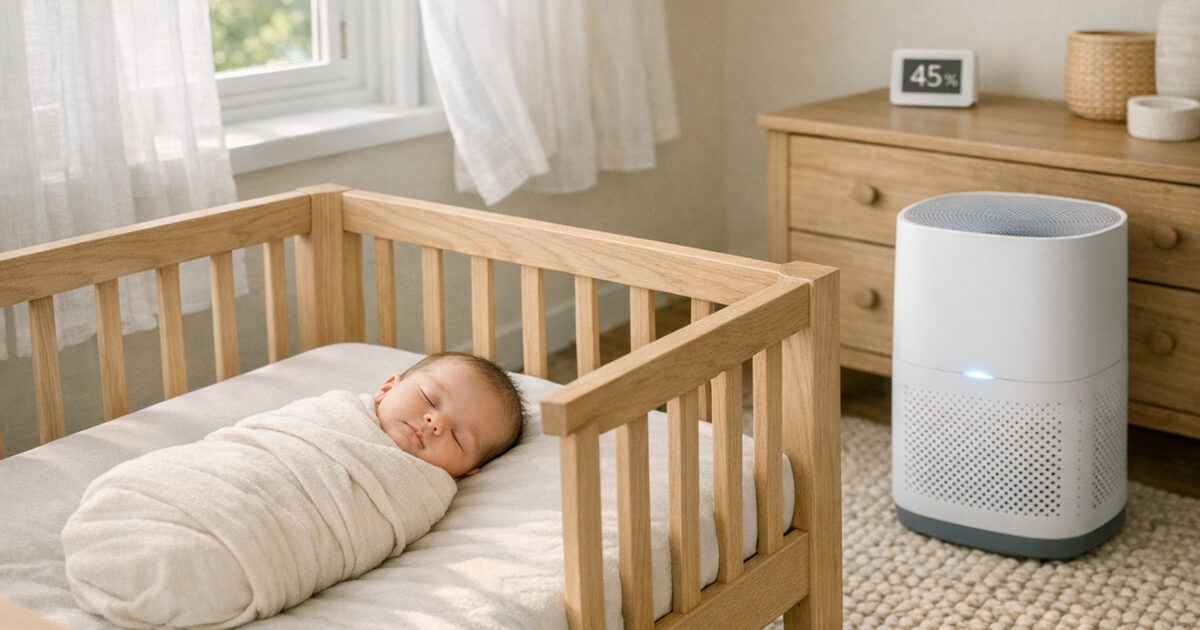
Since babies spend up to 14 hours a day sleeping, their bedroom should be a clean, allergen-reduced space.
How to Create a Safe Sleep Environment
- Use hypoallergenic bedding and dust mite covers.
- Keep humidity below 50% to prevent mold and mites.
- Limit stuffed animals—choose washable ones and clean them weekly.
- Avoid air fresheners, scented candles, and strong cleaners.
- Use a HEPA air purifier if indoor air quality is a concern.
Time Estimate: Setting up a low-allergen room takes less than a day and pays off for years.
Support Long-Term Immune Health Through Lifestyle
Preventing allergies isn’t just about avoiding triggers—it’s about helping your baby’s immune system learn balance.
Habits That Build Immune Resilience
- Encourage outdoor play—exposure to nature supports immune regulation.
- Limit unnecessary antibiotics—they can disrupt gut bacteria linked to allergy risk.
- Feed a diverse diet once solids begin—variety promotes gut health.
- Avoid excessive hygiene—some germ exposure helps train immunity (the “hygiene hypothesis”).
Analogy: Think of your baby’s immune system like a security guard. It needs to learn the difference between real threats and harmless visitors. Early, controlled exposure helps it make better decisions.
Key Takeaways for Preventing Allergies in Babies
Preventing allergies in babies is about making smart, science-backed choices—not perfection. Breastfeed if possible, introduce allergens early between 4 and 6 months, reduce dust mites, avoid all tobacco smoke, and consult an allergist if symptoms arise. While you can’t change genetics, you can shape your baby’s environment to support a healthier, less allergic future.
Start early, stay consistent, and trust the process. Small changes today can lead to fewer allergies and stronger immunity for years to come.
Frequently Asked Questions About Preventing Allergies in Babies
When should I introduce peanuts to my baby?
Introduce peanut between 4 and 6 months of age, especially if your baby is at high risk. Use thinned peanut butter or infant peanut puffs, and offer it 3 times a week. For babies with severe eczema, consult your doctor first.
Can breastfeeding prevent allergies?
Yes, exclusive breastfeeding for 4 to 6 months may reduce the risk of early eczema, wheezing, and cow’s milk allergy. Breast milk supports immune development and is the best first food for most babies.
Does having a pet increase my baby’s allergy risk?
No—recent research shows that early exposure to pets like dogs and cats may actually reduce allergy risk. However, keep pets out of the baby’s bedroom and groom them regularly to minimize dander.
Should I avoid peanuts during pregnancy or breastfeeding?
No. Avoiding allergenic foods during pregnancy or breastfeeding does not prevent allergies. Unless you’re allergic yourself, eat a balanced diet including peanuts, eggs, and dairy.
What are the best ways to reduce dust mites in a baby’s room?
Use allergen-proof mattress and pillow covers, wash bedding weekly in hot water, keep humidity below 50%, remove carpets, and vacuum with a HEPA filter. These steps significantly reduce dust mite levels.
Is it safe to use a HEPA air purifier in my baby’s room?
Yes. A HEPA air purifier is safe and effective for reducing airborne allergens like dust, pet dander, and mold spores. Place it in your baby’s bedroom for the best results, especially if allergies run in the family.





