
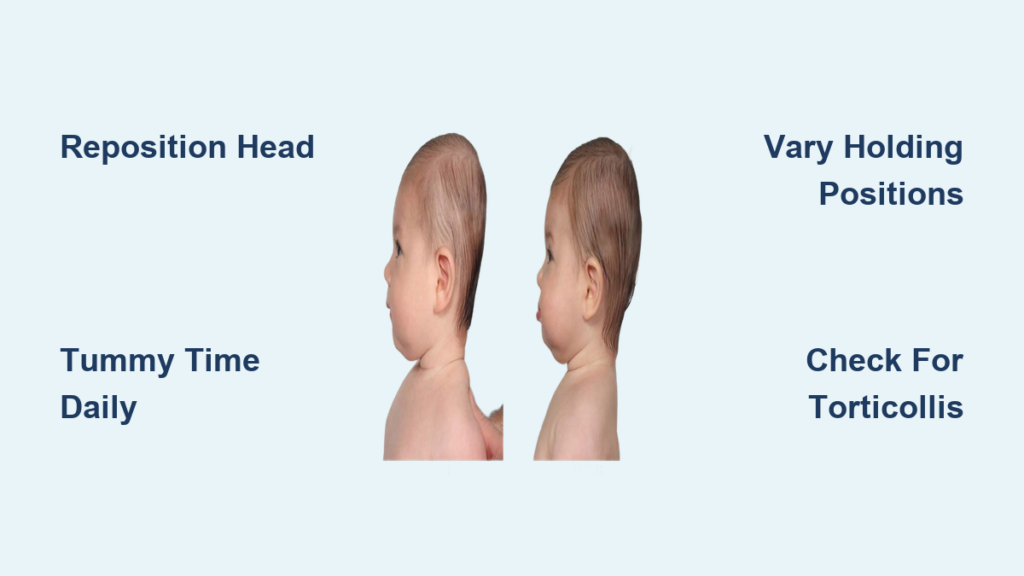
Noticing a flat spot on your newborn’s head can be alarming, but positional plagiocephaly, commonly known as flat head baby, is both common and preventable. Affecting up to 50% of infants, this condition occurs when constant pressure on one part of the soft skull causes flattening—often due to back sleeping, which is essential for reducing the risk of sudden infant death syndrome (SIDS). While it may look concerning, flat head syndrome does not affect brain development or long-term health. The good news? With early, consistent habits like repositioning, tummy time, and varied holding techniques, you can significantly reduce the risk.
This guide gives you doctor-backed, actionable steps to prevent flat head baby, recognize early signs, and respond effectively. You’ll learn how to alternate head positions during sleep, maximize tummy time, avoid risky gear, and address related issues like torticollis. Most importantly, you’ll see how to do all this without compromising safe sleep—because protecting your baby from SIDS always comes first. Even with perfect care, mild flattening can still happen, and that’s okay. Prevention isn’t about perfection—it’s about smart, simple daily choices.
Alternate Head Position in the Crib Daily
Changing your baby’s head position every time they sleep is one of the most effective ways to prevent flat spots. Since babies naturally turn toward light, sound, and movement, you can use their environment to encourage balanced head rotation and reduce pressure on one side.
Rotate Crib Orientation Each Day
Switch which end of the crib your baby’s head faces every day. For example, one day place their head near the wall and feet toward the door; the next day, reverse it. This subtle shift encourages them to turn their head in the opposite direction to look around. Even if your baby seems to prefer one side, consistency matters—rotating daily prevents prolonged pressure on the same spot and supports symmetrical skull development.
Position Baby to Face Room Activity
Always place the crib so your baby faces into the room, not the wall. Babies are drawn to movement and voices, so facing the doorway or main living area makes them more likely to turn their head away from a flattened side. You can also stand or sit across the room during wake time to draw their attention. This natural visual pull helps them rotate their head without force, reducing the risk of one-sided flattening.
Use a Mobile to Encourage Balanced Head Turning
Hang a high-contrast or softly moving mobile on the side of the crib that faces the room, and switch its position every few days. For instance, place it on the left side one week to encourage right-side turning, then move it to the right the next week. This not only supports visual development but also promotes even head movement. Avoid leaving it in one spot for too long, as babies may develop a habit of turning only one way.
Maximize Supervised Tummy Time
Tummy time is a powerful tool for preventing flat head syndrome. It shifts pressure off the back of the skull while building the neck, shoulder, and arm strength your baby needs for motor milestones.
Start Tummy Time in the First Few Weeks
Begin with just 1–2 minutes at a time, gradually increasing to 10–15 minutes, at least 3 times a day. Many newborns resist tummy time because it’s tiring, so keep sessions short and positive. Try lying on your back and placing your baby on your chest—this still counts and helps with bonding. Over time, they’ll build strength and tolerate longer periods on the floor.
Make Tummy Time Fun and Engaging
Use high-contrast mats, baby-safe mirrors, or colorful toys to keep your baby interested. Get down to their level and talk or sing—your face is one of their favorite things to look at. If your baby struggles to lift their head, place a rolled towel under their arms for support. The goal is to make tummy time enjoyable so they’ll stay engaged longer.
Limit Time in Car Seats and Swings
Infant carriers, bouncers, and swings keep your baby’s head in one position for long periods, increasing pressure on the skull. Avoid letting your baby sleep in these devices and limit use to under 30 minutes at a time. These products often press the back of the head into a hard surface, raising the risk of flattening. Instead, move your baby to a flat, firm surface when they’re ready to nap.
Change Holding and Carrying Positions Frequently
How you hold your baby during waking hours directly affects head shape. Varying positions throughout the day ensures no single area of the skull bears constant pressure.
Alternate Arms During Feeding and Cuddling
If you always hold your baby on the same side—especially during bottle feeding—they may develop a preference for turning their head one way. This can contribute to both flat spots and tight neck muscles (torticollis). Consciously switch sides, even if one feels more comfortable. This small habit encourages balanced neck movement and reduces asymmetrical pressure.
Use Different Carrying Styles Throughout the Day
Incorporate a variety of holds: cradle, football (clutch), upright, and side-lying. Baby carriers that keep your infant in an upright position also help reduce head pressure. For older babies, try hip carrying (when developmentally appropriate) to shift weight off the head entirely. The more variety you use, the better the protection against flat spots.
Avoid Unsafe Positioning Aids
Never use head-shaping pillows, foam positioners, or sleep nests. These products are not safe and can increase the risk of suffocation. The American Academy of Pediatrics warns against any sleep product that claims to prevent flat head syndrome. Instead, rely on active repositioning during waking hours—this is both safer and more effective.
Watch for Early Signs of Head Flattening
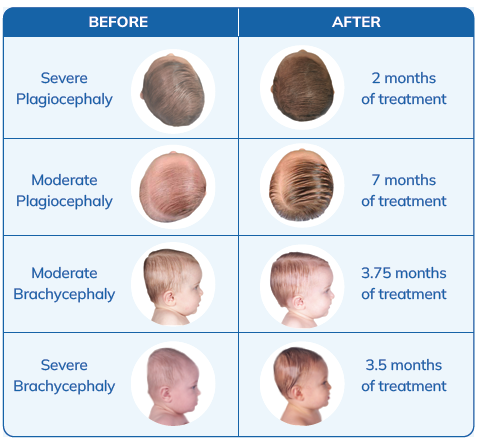
Catching flat head early makes prevention and correction much easier. Most parents notice changes between 6 and 8 weeks of age, when babies start holding their heads more steadily.
Check Head Shape from Above Weekly
Look at your baby’s head from above while they’re lying down or sitting. A normal head is roughly round or oval. If it looks like a parallelogram—flattened on one side with one ear pushed forward—it may be positional plagiocephaly. Take photos over time to track subtle changes, as day-to-day differences can be hard to spot.
Look for Facial Asymmetry
Signs of flattening include:
• One ear positioned farther forward than the other
• Forehead bulging on one side
• Uneven eye or jaw alignment
• Less hair on a specific spot due to friction
These often accompany head flattening and may indicate tight neck muscles. If you see these signs, don’t panic—early intervention is highly effective.
Monitor During Routine Care
Make it part of your routine to gently feel and look at your baby’s head during bath time or diaper changes. Use a soft touch to notice flat areas. If you detect a flat spot, start repositioning techniques immediately and consult your pediatrician if it doesn’t improve within 2–3 weeks.
Address Torticollis Early to Prevent Worsening
Some babies with flat head syndrome also have congenital muscular torticollis, a condition where neck muscles are tight, causing the head to tilt or turn to one side. It’s treatable but requires prompt action.
Recognize Signs of Tight Neck Muscles
Symptoms include:
• Baby consistently turns head to one side
• Head tilt (ear toward shoulder)
• Difficulty turning head fully in one direction
• A small lump in the neck muscle (sternocleidomastoid)
If you suspect torticollis, contact your pediatrician. They may refer you to a physical therapist for evaluation.
Perform Gentle Daily Stretches
A physical therapist will teach you safe, effective stretches to do several times a day. One common exercise:
1. Hold your baby securely on your lap
2. Gently tilt their head to the opposite side of the tight muscle
3. Turn their chin toward the affected side
Hold each stretch for 30 seconds, repeat 3–5 times. Consistency is crucial—most babies improve within weeks.
Combine Stretching With Repositioning
While doing stretches, continue alternating head positions and tummy time. This dual approach corrects both the muscle imbalance and the head shape. Most infants fully recover with early, consistent treatment.
Know When Helmet Therapy Might Be Needed
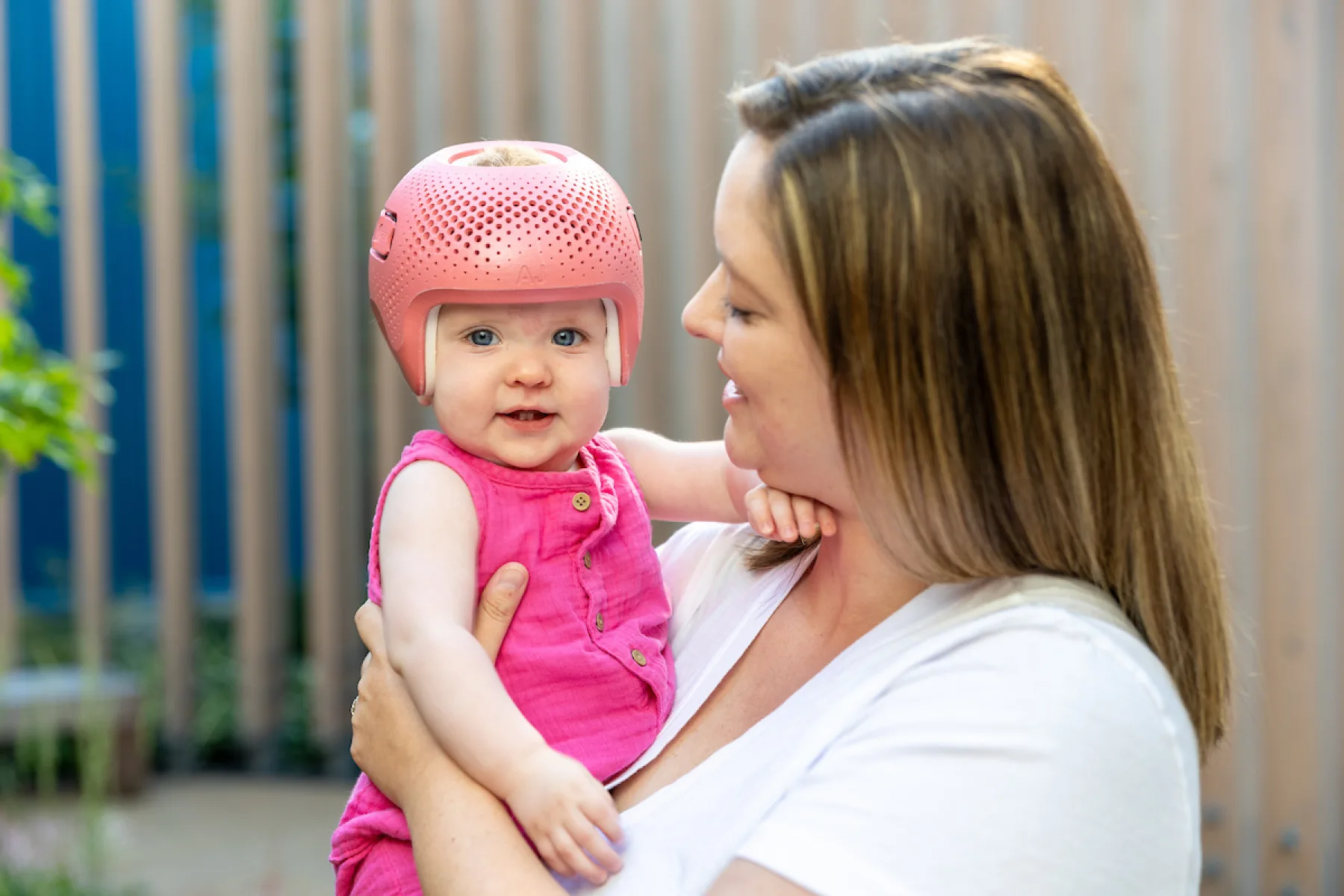
In mild to moderate cases, repositioning and tummy time are enough. But if flattening is severe or doesn’t improve by 5–6 months, your doctor may recommend helmet therapy (cranial orthosis).
How Helmets Guide Natural Skull Growth
A custom-fitted helmet has a hard outer shell and soft inner lining. It fits snugly on the round parts of the head and loosely on the flat areas, guiding growth into underdeveloped regions. Think of it like braces for the skull—it doesn’t push the head into shape but allows natural growth to correct asymmetry.
Best Timing and Wear Schedule
Helmets work best between 4 and 12 months, when the skull is growing rapidly. Babies typically wear them 23 hours a day for 3 to 6 months. They’re removed only for bathing and skin checks. Regular adjustments by an orthotist ensure proper fit and progress.
Understand the Limitations
Helmet therapy is not always necessary—most babies improve without it. It’s usually reserved for cases where repositioning fails or the flattening is significant. While effective, it can be costly and requires commitment. Discuss risks and benefits with your pediatrician before starting.
Never Compromise Safe Sleep for Head Shape
You might wonder: Can I prevent flat head without risking SIDS? Yes—but never sacrifice safe sleep for head shape.
Always Place Baby on Back to Sleep
This rule is non-negotiable. Back sleeping reduces SIDS risk by up to 50%. Even if your baby has a flat spot, never place them on their stomach or side to sleep. These positions increase suffocation risk and are unsafe.
Keep the Crib Bare and Safe
Use a firm, flat mattress with a fitted sheet only. No pillows, blankets, bumpers, or stuffed animals. These items can trap your baby’s head or cause overheating, both SIDS risk factors. A wearable blanket is safer than loose bedding.
Room-Share for First 6 Months
The safest place for your baby to sleep is in a crib or bassinet in your bedroom. Room-sharing allows close monitoring and makes nighttime feedings easier—without bed-sharing, which is dangerous.
Key Takeaways for Preventing Flat Head Baby
Most cases of flat head syndrome are mild, preventable, and do not affect brain development. The best prevention starts early—with consistent repositioning, daily tummy time, and varied holding positions. Begin these habits in the first few weeks, as they’re most effective before 4 months of age. Even with perfect care, some flattening may still occur, and that’s normal. The goal isn’t a perfectly round head but a healthy, developing baby.
If you notice asymmetry or neck stiffness, act early. Repositioning and physical therapy can make a big difference. And remember: you’re not to blame. Flat head often happens because you’re doing exactly what you should—keeping your baby safe on their back. Stay consistent, stay informed, and talk to your pediatrician if you have concerns. With the right steps, most babies grow into strong, symmetrical heads with no long-term effects.
Frequently Asked Questions About Flat Head Baby
Can flat head syndrome affect my baby’s brain development?
No. Positional plagiocephaly does not cause brain damage, learning delays, or health problems. The condition is cosmetic and does not impact cognitive or physical development.
Will my baby’s flat head go away on its own?
Most mild cases improve over time, especially after your baby starts sitting up and moving independently. With early intervention, improvement is faster. By age 2, many babies show no visible signs.
Does tummy time really help prevent flat head?
Yes. Tummy time shifts pressure off the back of the head and strengthens neck muscles. Aim for 10–15 minutes, at least 3 times a day, while your baby is awake and supervised.
Can I prevent flat head if my baby always turns one way?
Yes, but you may need extra effort. Alternate head position, use visual cues, and check for torticollis. If your baby consistently favors one side, consult your pediatrician for a physical therapy referral.
Is helmet therapy safe and necessary for all babies?
No. Most babies do not need a helmet. It’s typically reserved for severe cases that don’t improve with repositioning by 5–6 months. Helmets are safe when fitted by a certified orthotist but require commitment.
How early should I start preventing flat head?
Start in the first few weeks. Repositioning and tummy time are most effective before 4 months of age, when the skull is still soft and moldable. The earlier you begin, the better the results.





