
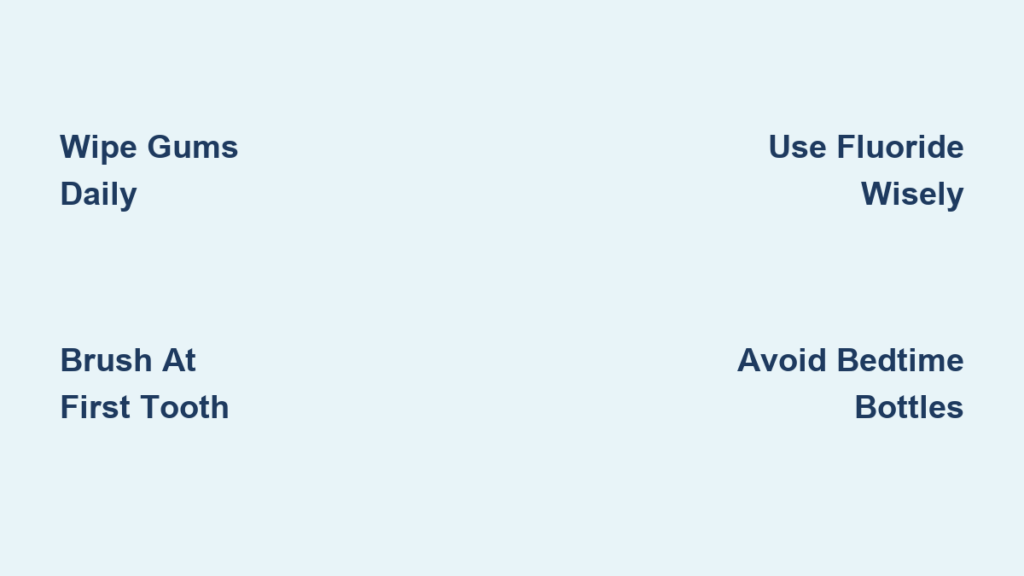
Cavities in babies are more common than most parents think — and completely preventable. Tooth decay is the most common chronic childhood disease in the U.S., affecting over half of children by age 6 to 8. The damage often starts early, sometimes as soon as the first tooth appears. But the good news? With the right habits from day one, you can protect your baby’s smile for life.
Preventing cavities isn’t just about avoiding candy — it starts with cleaning gums before teeth emerge, using the correct amount of fluoride, and stopping harmful feeding habits like bedtime bottles. Bacteria that cause decay can be passed from caregiver to child, and sugary liquids left in the mouth overnight fuel acid attacks that destroy delicate baby teeth. The key is consistency: daily care, early dental visits, and smart nutrition. In this guide, you’ll learn exactly how to prevent cavities in babies, from birth through toddlerhood.
Clean Your Baby’s Gums Before Teeth Emerge
Even without visible teeth, your baby’s mouth hosts bacteria that feed on sugars from milk or formula. Starting care early reduces the risk of early decay.
Wipe Gums Twice Daily with a Soft Cloth
Begin cleaning your baby’s gums in the morning after the first feeding and at bedtime using a clean, damp washcloth or gauze. Gently rub all gum surfaces to remove plaque and leftover sugars. This simple routine takes less than 30 seconds but sets the stage for healthy teeth.
Pro tip: Make it part of your daily ritual — consistency helps your baby accept oral care as normal.
Start Brushing as Soon as the First Tooth Appears
The moment a tooth breaks through the gums, it’s vulnerable to decay. Begin brushing immediately — don’t wait.
Use a Soft-Bristled Brush and Water Only
Switch from wiping to brushing with a soft, infant-sized toothbrush twice a day. Use only water at first. Brush in small circular motions along the gumline and all tooth surfaces.
Watch for warning signs: White spots near the gumline on front teeth are early indicators of enamel erosion and possible decay.
Ask Your Pediatrician About Fluoride Varnish
Request fluoride varnish application as soon as the first tooth erupts. This quick, painless treatment strengthens enamel and reduces cavities by 33% in baby teeth. It can be applied during routine checkups by your pediatrician — no dentist visit required.
Use the Right Amount of Fluoride Toothpaste by Age

Fluoride is proven to prevent tooth decay — but using too much can lead to staining or toxicity.
Use a Rice-Sized Smear for Babies Under 3
If your dentist approves, use a grain-of-rice-sized amount of fluoride toothpaste for children under age 3. This small dose protects teeth while minimizing the risk of fluorosis from swallowing.
Common mistake: Avoid skipping fluoride toothpaste out of fear — when used correctly, it’s safe and essential.
Switch to a Pea-Sized Amount at Age 3
At age 3, increase to a pea-sized amount of fluoride toothpaste. Teach your child to spit after brushing and supervise until age 6 to prevent swallowing.
Warning: Too much fluoride can be toxic. Always store toothpaste and supplements out of reach.
Stop Baby Bottle Tooth Decay Before It Starts
Also known as “early childhood caries,” this condition damages front teeth from prolonged exposure to sugary liquids during sleep.
Never Let Your Baby Sleep with a Bottle
Never put your baby to bed with a bottle of milk, formula, or juice. When liquid pools in the mouth overnight, bacteria produce acid that erodes enamel. Even breast milk contains sugars that contribute to decay.
Fix it now: If your baby needs a bottle to fall asleep, fill it with plain water only.
Clean Teeth After Night Feedings
If your baby nurses or takes a bottle at night, gently wipe their gums or brush with water afterward. Don’t skip oral hygiene just because it’s late.
Limit Juice and Avoid Sugary Drinks
Juice is a major hidden source of sugar — and it’s not necessary in a baby’s diet.
Avoid Juice Until Age 1
The American Academy of Pediatrics advises no juice before age 1. After that, limit to 4 ounces per day of 100% fruit juice only.
Why it’s risky: Juice lacks fiber, spikes blood sugar, and sticks to teeth — creating a breeding ground for decay.
Offer Water Between Meals
Choose water over sweetened drinks. Avoid fruit-flavored beverages that contain little real juice and lots of added sugar — always check labels.
Transition to an Open Cup by 6 Months
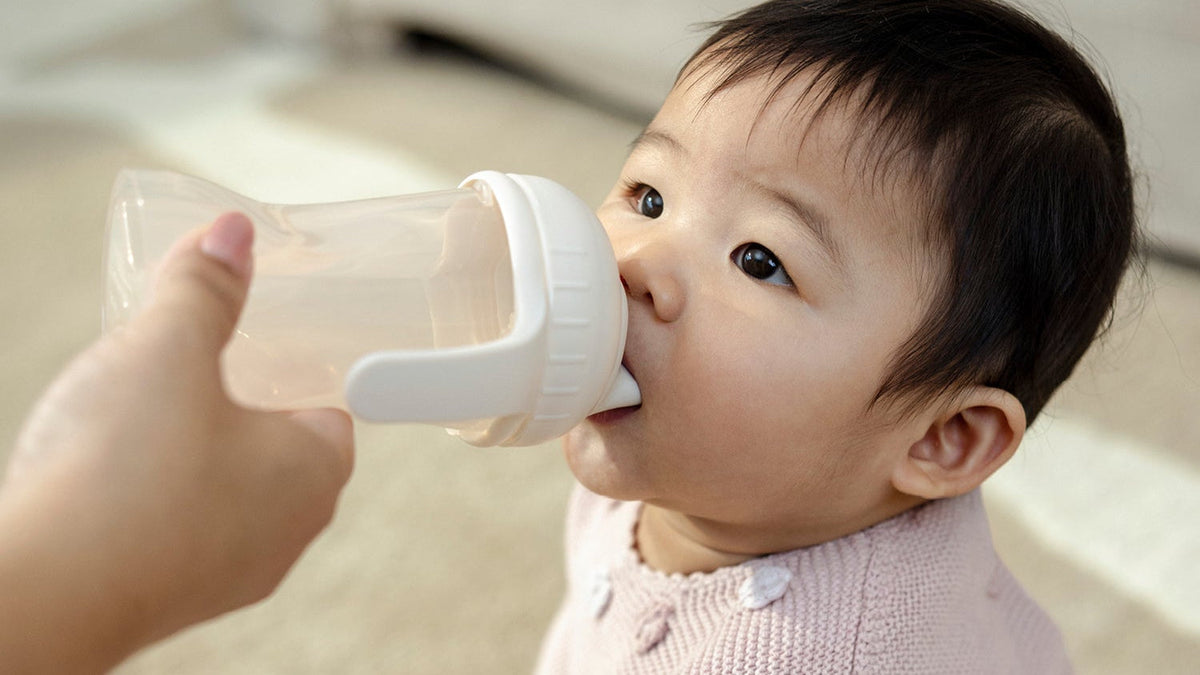
Help your baby move away from the bottle early to reduce cavity risk and support healthy oral development.
Begin Open Cup Training at 6 Months
Start introducing a soft-spouted cup or free-flow sippy cup around 6 months of age. Let your baby practice with an empty cup during the day to build motor skills.
Pro tip: Use a small, spill-proof cup to reduce mess and encourage independence.
Phase Out the Bottle by Age 1
Aim to stop bottle use by 12 months. Prolonged bottle feeding increases the risk of tooth decay and may affect jaw alignment.
Floss When Baby Teeth Touch
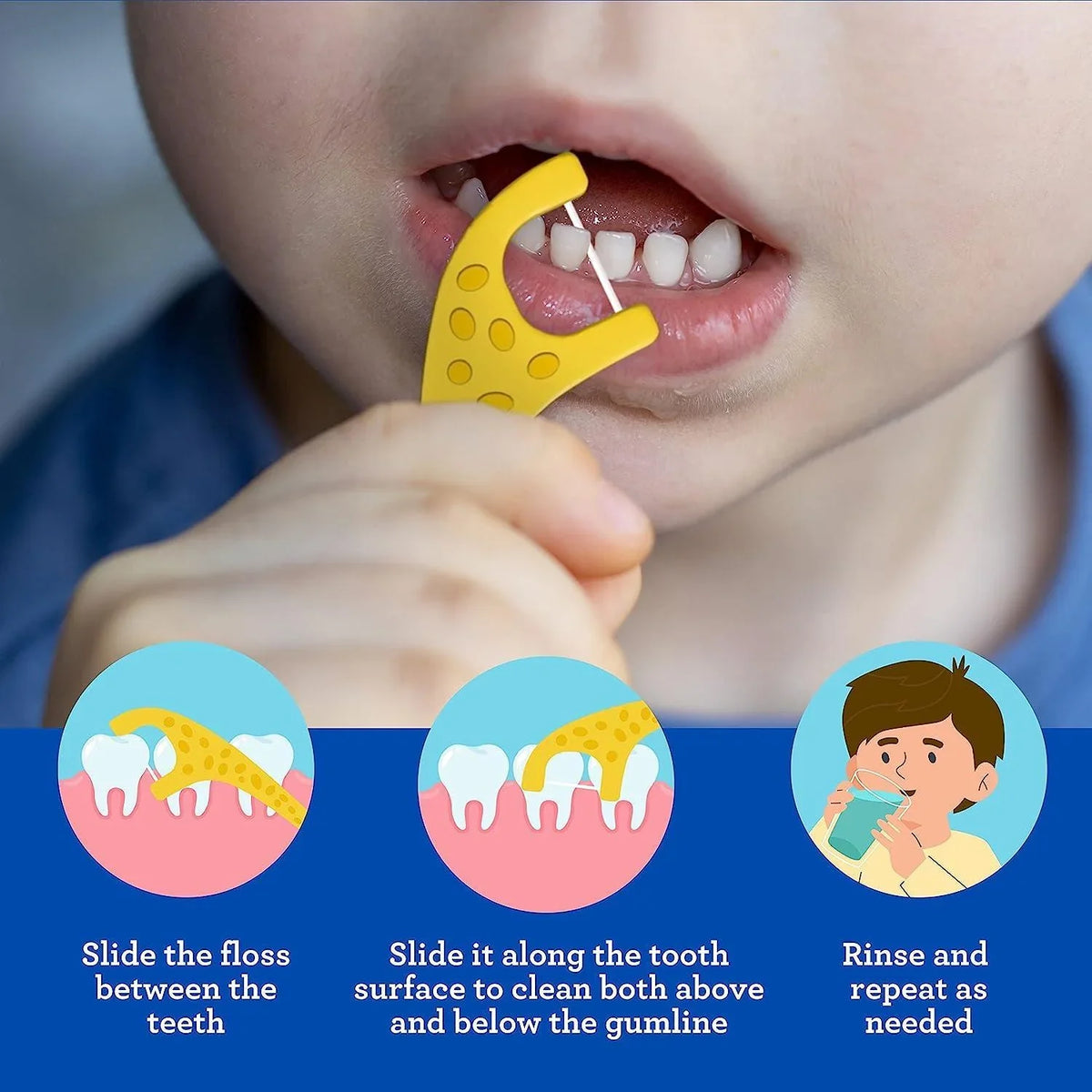
Brushing alone can’t clean between tightly spaced teeth — that’s where cavities often start.
Start Flossing as Soon as Teeth Touch
Begin flossing when two teeth touch each other. Use child-sized flossers for easier handling. Cavities between teeth are common in toddlers and often go unnoticed.
Visual cue: If you can’t slide a piece of paper between the teeth, it’s time to floss.
Schedule the First Dental Visit by Age 1
The first dental checkup should happen long before any problems arise.
See a Dentist by the First Birthday
Make your baby’s first dental visit by age 1. Early exams help detect decay, assess risk, and guide parents on proper care.
What to expect: The dentist will examine teeth, apply fluoride varnish if needed, and give personalized advice.
Bonus: Kids who visit the dentist early are less likely to need emergency treatment later.
Apply Dental Sealants on Permanent Molars
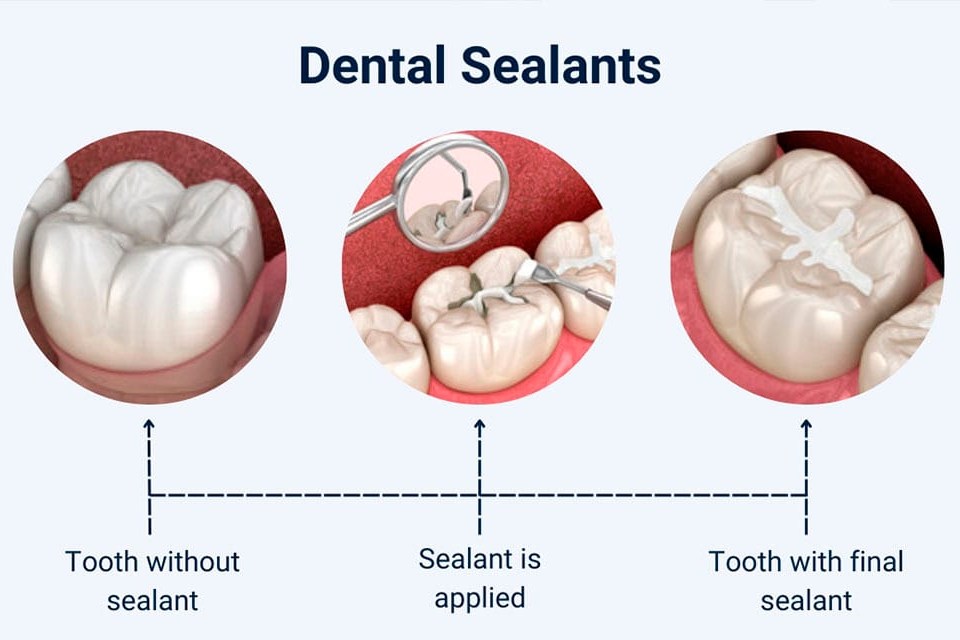
Sealants are a powerful defense for back teeth, where most cavities occur.
Protect Molars with Sealants Around Age 6
Ask your dentist about sealants for permanent molars, usually applied around age 6. These thin coatings cover chewing surfaces and prevent 80% of cavities in back teeth.
Long-lasting: Sealants can protect teeth for years with proper care and regular dental checkups.
Feed Tooth-Friendly Foods and Snacks
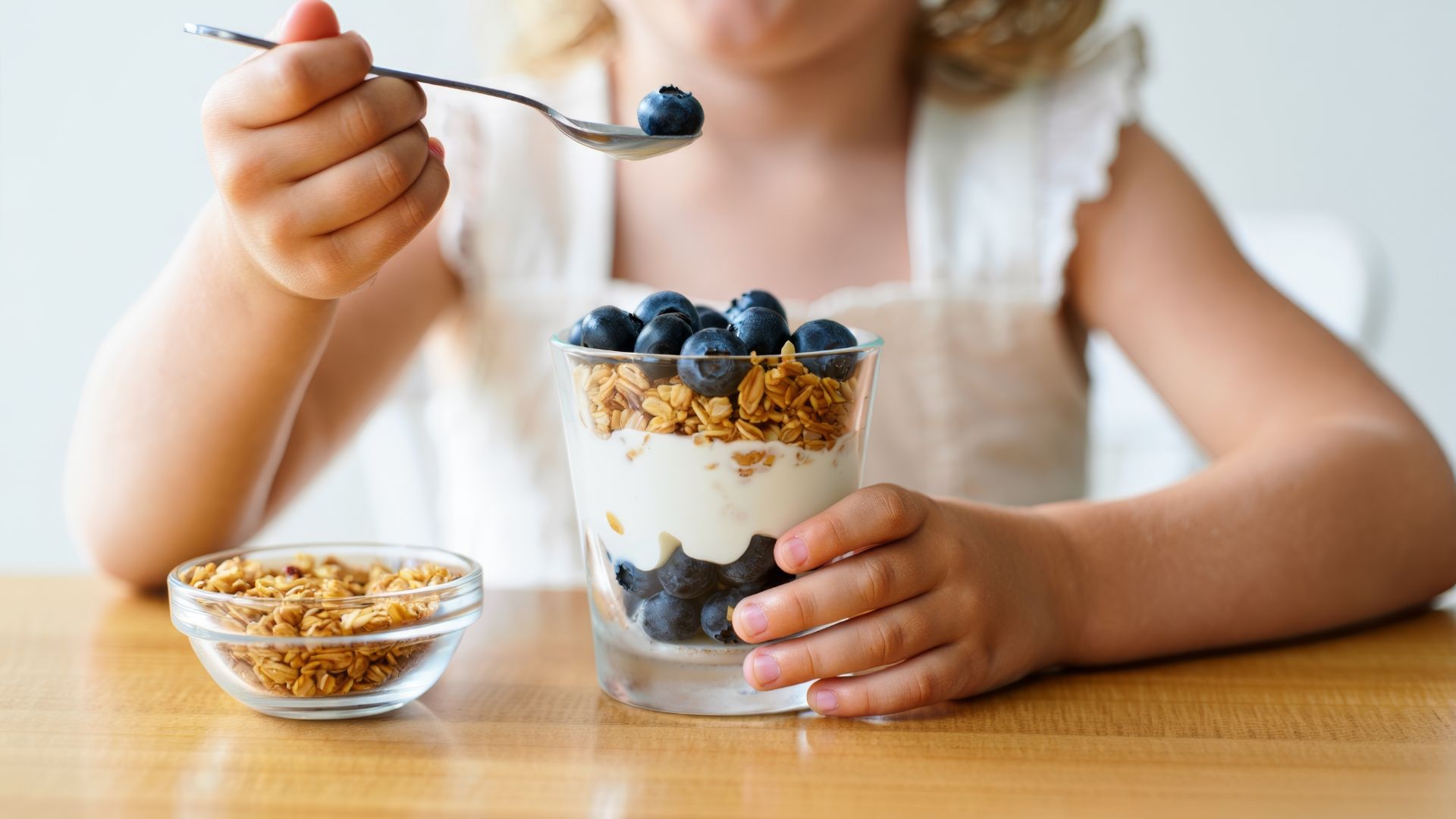
Diet plays a major role in cavity prevention — even for babies.
Choose Foods That Fight Decay
After meals, offer cheese, plain yogurt, or milk. These foods help neutralize acids, clear sugars, and strengthen enamel.
Best choices: Mozzarella, low-sugar dairy, and plain Greek yogurt are excellent post-meal options.
Avoid Sticky, Sugary Snacks
Skip raisins, gummies, and candies that cling to teeth. If your child eats sugary foods, rinse or brush afterward.
Rule of thumb: The stickier the food, the higher the cavity risk.
Prevent Passing Cavity-Causing Bacteria
You can accidentally transfer harmful bacteria to your baby through everyday actions.
Don’t Share Utensils or Clean Pacifiers with Your Mouth
Never use your mouth to clean a pacifier or share spoons. Saliva carries Streptococcus mutans, a major cause of tooth decay.
Better move: Rinse pacifiers with clean water instead.
Take Care of Your Own Oral Health
Healthy parents help raise healthy babies. Brush and floss daily, and see your dentist regularly. Lowering your own bacterial load reduces what you pass on.
Choose Fluoridated Tap Water Over Bottled
Community water fluoridation is one of the most effective ways to prevent cavities.
Let Your Child Drink Tap Water If It’s Fluoridated
If your local water contains fluoride, let your child drink tap water. It strengthens developing teeth and reduces cavities by up to 25%.
Check your water: Visit MyWaterFluoride.cdc.gov to see if your area has optimal fluoride levels.
Note: Most bottled water lacks sufficient fluoride — avoid making it the primary drink.
Frequently Asked Questions About Preventing Cavities in Babies
When should I start cleaning my baby’s mouth?
Begin cleaning your baby’s gums with a soft cloth right after birth, even before teeth appear. This removes bacteria and sugars that can lead to decay once teeth emerge.
Can babies get cavities on baby teeth?
Yes. Baby teeth are just as vulnerable to decay as adult teeth. Cavities in baby teeth can cause pain, infection, and affect the development of permanent teeth.
Is fluoride safe for babies?
Yes, when used correctly. Use a rice-sized smear of fluoride toothpaste for children under 3, and only if approved by your dentist. Fluoride varnish is safe and effective when applied by a professional.
How can I stop my baby from wanting a bottle at bedtime?
Gradually replace milk or formula with plain water in the bedtime bottle. Offer comfort through cuddling, reading, or a pacifier instead of feeding.
Do breastfed babies get cavities?
Yes. Breast milk contains natural sugars that can contribute to decay if teeth are not cleaned after nighttime feedings. Always wipe or brush teeth after nursing at night.
When should my child start flossing?
Start flossing as soon as two teeth touch. This usually happens between ages 2 and 3, but can vary. Use child-friendly flossers for easier handling.
Key Takeaways for Preventing Cavities in Babies
Cavities in babies are not inevitable — they’re preventable with consistent care. By wiping gums early, using fluoride wisely, avoiding bedtime bottles, and visiting the dentist by age 1, you can set your child up for a lifetime of healthy smiles.
Most important actions:
• Wipe gums before teeth appear
• Start brushing the moment the first tooth erupts
• Use the correct amount of fluoride toothpaste
• Avoid bedtime bottles with milk, formula, or juice
• See a dentist by age 1
Remember: Small daily habits make the biggest difference. Start today — your baby’s first tooth is counting on you.





