
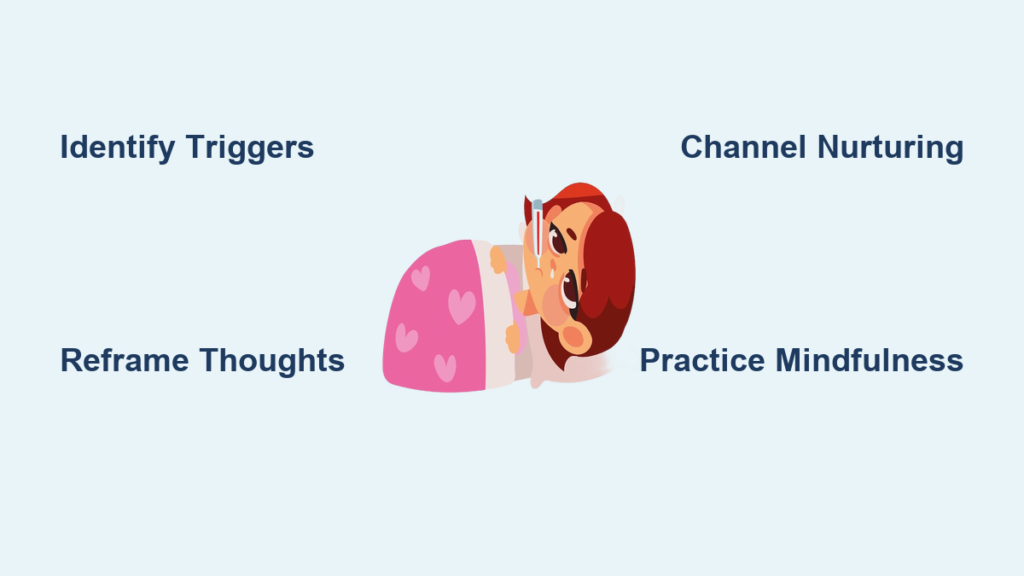
You’re scrolling through social media, and another baby photo pops up—this time, it’s your cousin’s newborn, wrapped in a soft blanket with tiny fingers curled into fists. Suddenly, your chest tightens. A wave of longing hits you like a freight train. You start imagining nursery colors, baby names, even the smell of a fresh diaper. If this feels familiar, you’ve probably experienced what many call “baby fever”—an intense, sometimes overwhelming desire to have a child.
Baby fever isn’t a medical condition, but it’s a real emotional and psychological phenomenon reported across cultures and genders. While often associated with women, research shows men experience it too—sometimes triggered by different cues, like seeing a father interact with his child. Whether it strikes out of nowhere or builds over time, baby fever can feel urgent, confusing, or even disruptive—especially if you’re not ready, unable, or unsure about becoming a parent. The good news? You don’t have to act on it. There are healthy, effective ways to manage and even reduce the intensity of baby fever.
In this guide, you’ll learn what causes baby fever, how to recognize its triggers, and practical strategies to calm the urge when it doesn’t align with your current life path. From mindfulness techniques to reframing your thoughts, this article offers actionable steps to help you regain emotional balance—without judgment or pressure.
Understand the Emotional Roots of Baby Fever
Before trying to manage baby fever, it helps to understand it’s not a sign of instability or desperation. It’s a natural, biologically and socially influenced desire that can surface at any time.
It’s Not a Medical Condition
Baby fever is not a diagnosable illness. You won’t find it in medical textbooks or psychiatric manuals. Instead, it’s a colloquial term for a deep, often sudden longing to hold, care for, or have a baby. Studies suggest it’s influenced by evolutionary psychology—humans are wired to reproduce, and certain cues can activate that drive.
This desire can be triggered by sights, sounds, or emotions—like hearing a baby laugh, holding a friend’s newborn, or feeling nostalgic during a family gathering. For some, it builds slowly. For others, it hits like a switch.
It Affects Everyone Differently
Baby fever doesn’t discriminate. While women report it more frequently—possibly due to societal expectations or hormonal fluctuations—men also experience it. In one study, nearly half of men surveyed said they’d felt a strong desire to have a child, often sparked by emotional connections rather than biological clocks.
The intensity varies widely. Some feel a mild curiosity: “Maybe I’ll want kids someday.” Others feel a physical ache, sleeplessness, or obsessive thoughts about parenting. Recognizing your personal experience is the first step toward managing it.
Identify What Triggers Your Baby Fever

Baby fever rarely appears out of nowhere. It’s usually sparked by specific internal or external cues. Identifying yours helps you anticipate and manage the feeling.
Social Media and Baby Imagery
One of the most common triggers today is social media. Platforms like Instagram, Facebook, and TikTok are flooded with curated baby content—first steps, milestone birthdays, sleepy newborn snuggles. While heartwarming, constant exposure can amplify your desire.
What to look for:
• Feeling emotional after scrolling
• Saving baby outfits or nursery ideas
• Comparing your life to others’ parenting journeys
Pro tip: Consider a temporary social media detox or unfollowing baby-heavy accounts. Curate your feed to reflect your current goals.
Life Transitions and Milestones
Major life changes—like turning 30, getting married, or seeing friends become parents—can spark baby fever. These moments often prompt reflection: “Am I on the right path? Should I be building a family?”
Common triggers include:
• Attending baby showers or baptisms
• Reaching a new decade in age
• Achieving career stability
Acknowledge these feelings without judgment. They don’t mean you must have a baby—they mean you’re processing your identity and future.
Hormonal and Emotional Cycles
For some, baby fever correlates with hormonal shifts—such as during ovulation, postpartum periods (even if not pregnant), or perimenopause. Emotions run higher, empathy increases, and nurturing instincts peak.
Men may notice similar patterns linked to stress levels, relationship status, or seasonal changes. Emotional loneliness, in particular, can mimic or intensify baby fever.
Reframe Your Thoughts to Reduce the Urge
Once you recognize the triggers, you can begin to shift your mindset. Baby fever often feels urgent, but it doesn’t have to dictate your choices.
Separate Desire from Decision
Feeling a strong urge to have a baby doesn’t mean you should act on it. Emotions are signals, not commands. Ask yourself:
• Is this a temporary feeling or a long-term goal?
• Am I reacting to pressure or my own values?
• What would my life look like in a year if I made a rushed decision?
Writing down your thoughts can create mental distance and clarity.
Explore the Root Cause
Sometimes, baby fever isn’t really about babies. It may reflect deeper needs:
• A desire for purpose or meaning
• Longing for unconditional love
• Fear of aging or mortality
• Need for emotional connection
Ask: If I couldn’t have a child, what else could fulfill this need? Volunteering, mentoring, pet ownership, or creative projects can provide similar emotional rewards.
Channel Your Nurturing Instincts Productively

Instead of suppressing baby fever, redirect the energy into meaningful, nurturing activities that align with your current life.
Spend Time with Children—On Your Terms
Volunteer at a daycare, babysit for friends, or help with youth programs. Hands-on experience can either affirm your desire or reveal the realities of parenting—sleepless nights, constant demands, and financial strain.
Benefit: You get the joy of connection without long-term commitment.
Focus on Creative Projects
The urge to nurture often overlaps with creativity. Consider:
• Starting a blog or YouTube channel
• Gardening or home improvement
• Writing a book or learning an instrument
These projects let you “grow” something meaningful, offering a sense of legacy and care.
Adopt a Pet
For many, pets fulfill the nurturing instinct. Dogs, cats, or even small animals require feeding, attention, and love—mirroring some aspects of parenting.
Note: Pets are long-term commitments. Only adopt if you’re ready for the responsibility.
Use Mindfulness to Regulate Baby Fever Emotions
When baby fever strikes, it can feel overwhelming. Simple mental and physical techniques can help you regain control.
Practice the 5-4-3-2-1 Grounding Technique
When the urge hits, pause. Practice this grounding method:
1. Name 5 things you see
2. 4 things you can touch
3. 3 things you hear
4. 2 things you smell
5. 1 thing you taste
This brings you back to the present moment and reduces emotional intensity.
Schedule Daily Reflection Time
If baby thoughts intrude constantly, set aside 10–15 minutes a day to reflect. Write freely about your feelings. When the urge pops up outside that time, gently say: I’ll think about this during my scheduled time.
This technique, borrowed from cognitive behavioral therapy, reduces obsessive thinking.
Strengthen Your Emotional Support System
Isolation amplifies baby fever. Talking about it—without shame—can ease the emotional load.
Talk to Trusted Friends or Partners
Choose someone non-judgmental. Say: “I’ve been feeling this strong pull toward having a baby, but I’m not sure it’s the right time. Can I talk it through with you?”
Often, just verbalizing the feeling reduces its power.
Consider Speaking with a Therapist
If baby fever causes anxiety, depression, or interferes with daily life, consider speaking with a therapist. They can help you explore underlying issues—like unresolved trauma, identity concerns, or relationship dynamics.
Note: Therapy isn’t just for crises. It’s a tool for clarity and growth.
Reconnect With Your Long-Term Life Goals
Baby fever often arises when we feel disconnected from our future. Reconnecting with your values can restore balance.
Define Your Ideal Future
Ask:
• What kind of life do I want in 5 or 10 years?
• Does parenting fit into that vision?
• What other dreams am I putting on hold?
Write down your ideal future—kids or no kids. Be honest. There’s no right answer.
Weigh the Pros and Cons Objectively
Make two lists:
Reasons to have a baby now
• Emotional readiness
• Stable relationship
• Financial security
Reasons to wait or not have one
• Career goals
• Desire for freedom
• Health or relationship concerns
Seeing it on paper removes emotion from the decision.
Know When to Reevaluate Your Feelings
Baby fever can be a signal worth listening to—but not immediately acting on. Give yourself permission to wait.
Wait 6–12 Months Before Deciding
If the desire persists over time, it may reflect a true life goal. But if it fades, it was likely situational.
Use the waiting period to:
• Save money
• Improve your relationship
• Work on personal growth
This builds readiness—whether for parenting or peace of mind.
Explore Future Parenting Options
If you’re unsure about biological children, learn about options like fertility preservation (egg or sperm freezing) or future adoption. Knowing you have a path forward can reduce urgency.
Frequently Asked Questions About Baby Fever
What exactly is baby fever?
Baby fever is a strong emotional desire to have or care for a baby. It’s not a medical condition but a psychological and biological response influenced by evolution, hormones, and social cues. It can affect anyone, regardless of gender or parental status.
Can men experience baby fever too?
Yes, men can and do experience baby fever. While often less discussed, studies show that many men feel a deep longing to become fathers, often triggered by emotional moments like seeing a father with his child or reaching personal milestones.
Why does baby fever feel so intense?
The intensity comes from a mix of biological instincts, emotional needs, and social influences. Hormonal shifts, loneliness, or life transitions can amplify the feeling, making it seem urgent—even if you’re not ready to become a parent.
Does having baby fever mean I should have a child?
Not necessarily. Feeling baby fever doesn’t mean you must act on it. It’s important to separate temporary emotions from long-term goals. Use the feeling as a prompt to reflect, not a command to decide.
How long does baby fever usually last?
There’s no set timeline. For some, it passes in days or weeks. For others, it lingers or returns periodically. If the desire remains strong after 6–12 months of reflection, it may indicate a genuine life goal worth exploring further.
Can mindfulness really help reduce baby fever?
Yes. Mindfulness techniques like grounding exercises and scheduled reflection help create mental space between emotion and action. By staying present, you reduce the power of obsessive thoughts and gain clarity about your true desires.
How to Move Forward Without Pressure
Baby fever is a normal, human experience—not a flaw or failure. Whether you choose to embrace it or let it pass, the key is awareness and compassion. By understanding your triggers, reframing your thoughts, and channeling your nurturing instincts productively, you can move through baby fever with clarity and confidence.
Your worth isn’t tied to parenthood. You can be whole—with or without a baby in your arms. Take the time you need, honor your feelings, and make choices that align with your authentic self.





