
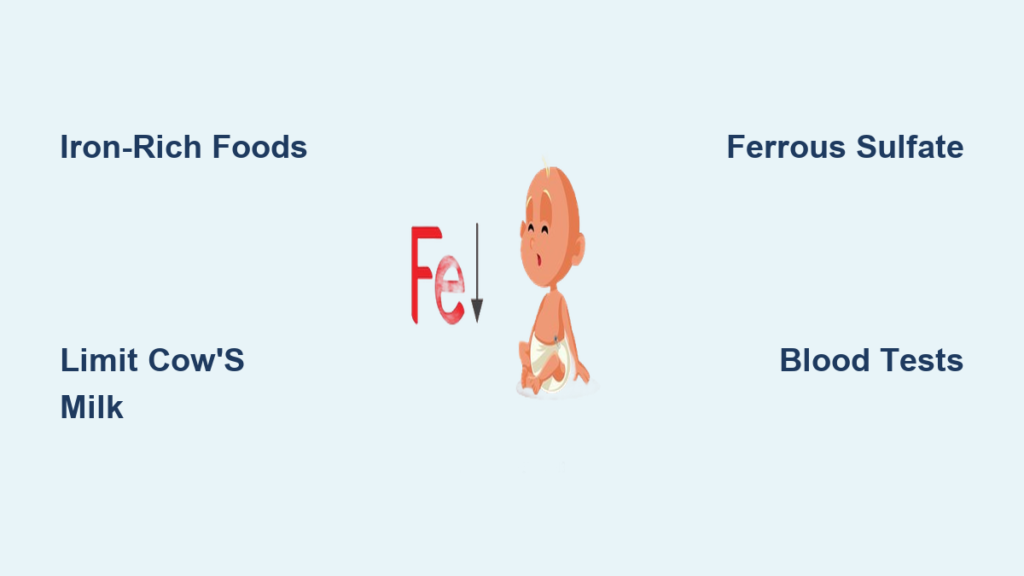
Anemia in babies affects up to 20% of infants by age one and is most often caused by iron deficiency. It occurs when the body lacks enough healthy red blood cells to carry oxygen, leading to fatigue, developmental delays, and learning issues if left untreated. While some forms—like physiologic anemia in newborns—resolve on their own, others require dietary changes, iron supplements, or medical interventions. The good news is that most cases, especially iron deficiency anemia, respond well to treatment when caught early. This guide covers how to identify causes, recognize symptoms, confirm diagnosis with blood tests, and implement effective treatments—from introducing iron-rich foods to managing severe cases with transfusions.
You’ll also learn proven prevention strategies, including proper feeding practices, vitamin K administration at birth, and routine screening at 12 months. With the right approach, you can help your baby recover fully and avoid long-term complications.
Identify the Root Cause of Your Baby’s Anemia
Treating anemia effectively starts with pinpointing the underlying cause. Different types require different approaches—some resolve naturally, while others need immediate medical care. Knowing what’s behind your baby’s low red blood cell count helps ensure the right treatment plan.
Iron Deficiency Causes Most Infant Anemia Cases
Iron deficiency anemia is the leading cause in babies aged 9 to 24 months. Rapid growth increases iron needs, and when intake doesn’t match demand, stores deplete. Key contributors include:
- Drinking cow’s milk before age 1: It’s low in iron and can cause minor gut bleeding.
- Delayed introduction of iron-rich solids: Not starting fortified cereals or meats at 6 months raises risk.
- Excessive milk intake (“milkoholism”): Toddlers drinking over 24 ounces daily crowd out iron-rich foods and impair absorption.
Infants need 11 mg of iron per day, while toddlers require 7 mg. Breast milk and iron-fortified formula meet these needs early on, but solid foods become critical after 6 months.
Newborns Face Unique Anemia Triggers
Newborns may develop anemia due to normal developmental changes or medical complications shortly after birth.
Physiologic Anemia Is Normal and Self-Limiting
Most babies experience a natural drop in red blood cell count during the first 2–3 months. This physiologic anemia happens because red blood cell production slows after birth while the baby grows rapidly. It typically resolves without treatment and does not require supplements or transfusions.
Prematurity Increases Risk of Anemia of Prematurity
Babies born before 37 weeks often develop anemia of prematurity, especially those under 32 weeks gestation. Their bone marrow produces fewer red blood cells, and frequent blood draws for monitoring worsen the deficit. These infants may need iron supplements, erythropoietin, or even transfusions in severe cases.
Blood Loss and Hemolysis Lead to Acute Anemia
Sudden or ongoing blood loss can cause significant anemia in newborns.
- Fetal-maternal transfusion: Fetal blood leaks into the mother’s circulation.
- Twin-to-twin transfusion syndrome: One identical twin loses blood to the other.
- Birth trauma: Liver or spleen rupture during delivery causes internal bleeding.
- Vitamin K deficiency: Without the routine injection at birth, newborns risk hemorrhagic disease and life-threatening bleeding.
Hemolysis—rapid destruction of red blood cells—also leads to anemia and jaundice. Common causes include:
– Rh or ABO incompatibility (hemolytic disease of the newborn)
– G6PD deficiency, often screened at birth
– Hereditary spherocytosis
– Infections like toxoplasmosis, rubella, or syphilis
Genetic and Chronic Conditions Require Specialized Care
Some babies inherit disorders that impair red blood cell production or function:
– Thalassemia and sickle cell anemia affect hemoglobin structure
– Diamond-Blackfan anemia disrupts bone marrow function
– Fanconi syndrome causes bone marrow failure
These conditions require long-term management by pediatric hematologists and may involve transfusions, medications, or even bone marrow transplants.
Recognize Early Signs of Anemia in Infants

Mild anemia often shows no symptoms, but as red blood cell levels drop, signs become noticeable—especially in iron deficiency or acute blood loss.
Watch for Behavioral Clues
Early indicators are often subtle and behavioral:
– Irritability or increased fussiness
– Reduced alertness
– Poor feeding or disinterest in meals
– Lethargy or sluggishness
Parents may notice their baby seems “off” or less active than usual. Toddlers might have shorter attention spans or appear unusually tired.
Check for Physical Symptoms
Visible signs include:
– Pale skin, especially in the face, lips, and nail beds
– Rapid heartbeat (tachycardia)
– Fast, shallow breathing
– Cold hands and feet
In hemolytic anemia, jaundice (yellow skin and eyes) appears due to high bilirubin from red blood cell breakdown.
Seek Emergency Care for Severe Symptoms
Newborns who lose blood rapidly during delivery may go into shock, showing:
– Extreme paleness
– Weak pulse
– Low blood pressure
– Difficulty breathing
This is a medical emergency requiring immediate transfusion and intensive care.
Confirm Diagnosis with Blood Testing
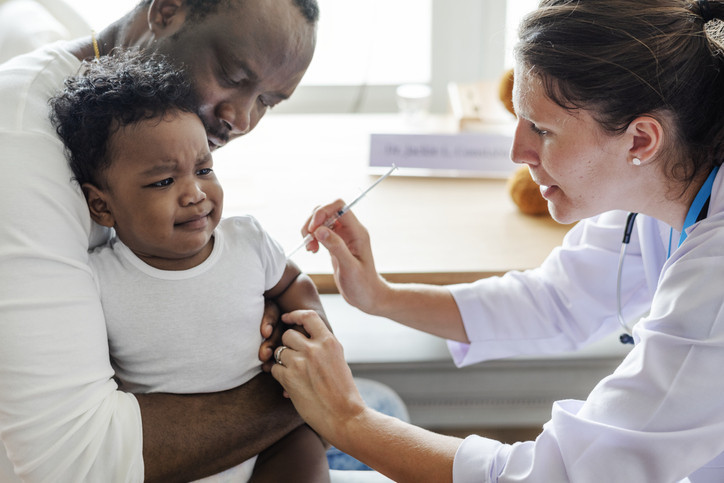
Anemia is diagnosed through blood tests, not symptoms alone. Early detection prevents complications and guides treatment.
Routine Screening at 12 Months Is Essential
All babies should be tested for anemia around their first birthday. High-risk infants—preterm, low birth weight, or with feeding issues—may be screened earlier.
Key Diagnostic Blood Tests
Complete Blood Count (CBC)
Measures:
– Hemoglobin level: Below 11 g/dL in infants 6–12 months suggests anemia
– Hematocrit: Percentage of red blood cells in blood
– Mean corpuscular volume (MCV): Small red cells (microcytic) point to iron deficiency
Iron Studies
To confirm iron deficiency:
– Serum ferritin: Low levels indicate depleted iron stores
– Iron saturation: Less than 16% supports diagnosis
– Total iron-binding capacity (TIBC): Often elevated in deficiency
Additional Tests Based on Suspicion
- Reticulocyte count: Low in decreased production; high in hemolysis or blood loss
- Peripheral smear: Checks red blood cell shape (e.g., spherocytes in hereditary spherocytosis)
- Hemoglobin electrophoresis: Diagnoses thalassemia or sickle cell
- Vitamin B12 and folate levels: Rule out other deficiencies
- Bilirubin: Elevated in hemolytic anemia
Prenatal ultrasounds may detect fetal anemia, and newborn screening tests in some states check for G6PD deficiency.
Treat Iron Deficiency With Diet and Supplements
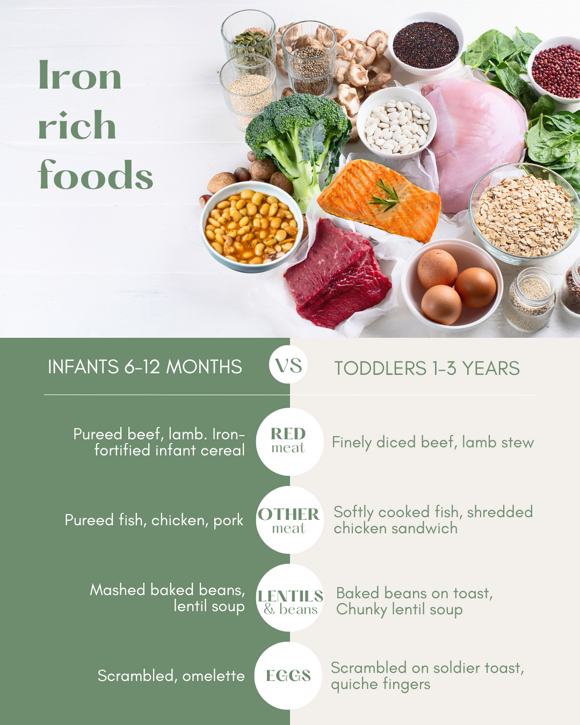
Iron deficiency anemia is treatable and often preventable with proper nutrition and supplementation.
Prioritize Iron-Rich Foods
Diet is the foundation of prevention and recovery.
Heme Iron (Best Absorbed)
Found in animal products:
– Red meat (beef, lamb)
– Poultry (chicken, turkey)
– Fish and eggs
Start introducing pureed meats at 6 months—even a few spoonfuls daily helps.
Non-Heme Iron (Plant-Based)
Include:
– Iron-fortified infant cereal (primary source for many babies)
– Beans and lentils
– Tofu
– Dark leafy greens (spinach, kale)
Pair with vitamin C-rich foods (e.g., oranges, strawberries, bell peppers) to boost absorption by up to 300%.
Limit Cow’s Milk Intake
- Under 12 months: Avoid cow’s milk entirely. Use breast milk or iron-fortified formula.
- Ages 12–24 months: Limit to 16–24 ounces per day to prevent “milkoholism.”
Excess milk fills the stomach, reducing appetite for iron-rich solids and impairing iron absorption.
Use Ferrous Sulfate as First-Line Supplement
When diet isn’t enough, supplements are essential.
Why Ferrous Sulfate Works Best
Despite its metallic taste, ferrous sulfate is the gold standard:
– Better absorbed than alternatives like iron polysaccharide
– Faster recovery of hemoglobin levels
– Once-daily dosing improves compliance
A landmark study showed ferrous sulfate corrected anemia more completely in toddlers, even with lower palatability.
Dosing Guidelines
- Infants (0–12 months): 1–2 mg/kg/day of elemental iron
- Toddlers (1–3 years): 7 mg/day (minimum), up to 15 mg if deficient
Always use liquid drops or syrup prescribed by a pediatrician.
Safety Warning: Iron Poisoning Risk
Iron supplements are toxic in overdose. Keep them locked away. As little as 200 mg can be fatal in toddlers.
Never give supplements without medical advice.
Manage Newborn Anemia Based on Cause
Treatment for newborns depends on severity and underlying cause. Many cases resolve without intervention.
Support Mild Anemia with Observation
Most preterm or full-term babies with mild anemia need no treatment. The body catches up with normal feeding and growth. Regular monitoring ensures improvement.
Transfuse for Severe Blood Loss
Newborns who lose large amounts of blood during delivery may need:
– IV fluids to stabilize circulation
– Red blood cell transfusion to restore oxygen-carrying capacity
This is common in placental abruption, twin-to-twin transfusion, or birth trauma.
Use Exchange Transfusion for Hemolytic Disease
In severe hemolytic anemia (e.g., Rh incompatibility):
– Exchange transfusion removes antibody-coated red blood cells and high bilirubin
– Fresh donor blood replaces lost cells
– Prevents kernicterus (brain damage from bilirubin)
This procedure is done in the NICU under close monitoring.
Treat Jaundice with Phototherapy
When hemolysis causes high bilirubin:
– “Bili lights” (blue spectrum) break down bilirubin in the skin
– Treatment lasts 1–3 days
– Baby wears eye protection and is fed frequently
Support Red Blood Cell Production
For premature infants:
– Erythropoietin (EPO) may be given to stimulate bone marrow
– Liquid iron supplements help rebuild stores
– Optimize nutrition with fortified breast milk or formula
Prevent Anemia Through Feeding Strategies
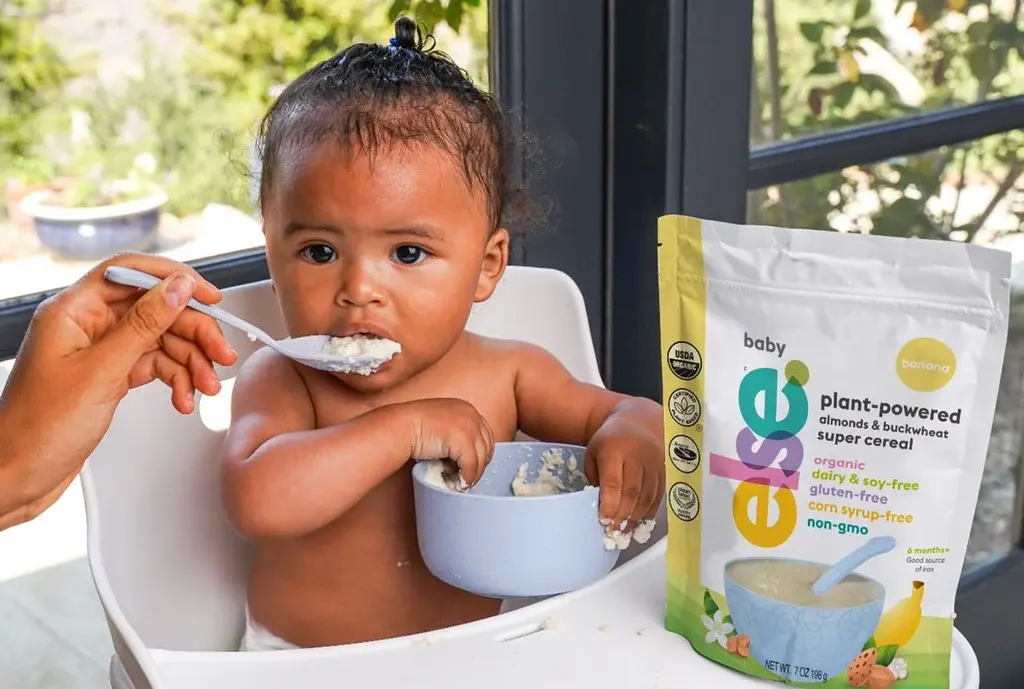
Prevention starts before symptoms appear. Smart feeding choices reduce risk significantly.
Breastfed Babies Need Iron After 6 Months
Breast milk is well-absorbed but low in iron.
– 0–6 months: Usually sufficient if baby was full-term
– 6–12 months: Introduce iron-rich foods and consider drops if advised
– Preterm infants: Often need iron supplements from 1 month onward
Talk to your pediatrician about supplementation.
Formula-Fed Infants Should Get Iron-Fortified Options
Standard formulas contain 12 mg/L of iron, meeting daily needs.
– Choose iron-fortified formula exclusively for first 12 months
– Avoid homemade or plant-based milks (e.g., almond, rice) as main nutrition
Start Solids at 6 Months with Iron Focus
First foods should include:
– Iron-fortified single-grain cereal (mixed with breast milk or formula)
– Pureed meats (beef, chicken)
– Mashed beans or lentils
Introduce one food at a time to monitor tolerance.
Give Vitamin K at Birth
All newborns receive a vitamin K injection to prevent hemorrhagic disease. Oral alternatives are less reliable and not recommended in the U.S.
Follow Up to Ensure Full Recovery
Treatment doesn’t end with starting iron. Follow-up ensures success and identifies hidden causes.
Recheck Blood Counts in 2 Months
Hemoglobin should rise within 2–4 weeks and normalize by 8 weeks. A repeat CBC confirms response.
If levels don’t improve:
– Reassess compliance with supplements
– Check for ongoing blood loss (e.g., cow’s milk colitis)
– Rule out malabsorption or chronic disease
Investigate Underlying Causes
Persistent anemia requires deeper evaluation:
– Stool test for occult blood to detect GI bleeding
– Celiac disease screening if malabsorption suspected
– Genetic testing for hemoglobinopathies
Monitor Development Long-Term
Untreated iron deficiency can affect brain development. Watch for:
– Delays in motor or language skills
– Attention problems
– Learning difficulties in preschool
Early correction minimizes long-term impact.
Frequently Asked Questions About Treating Anemia in Babies
What are the first signs of anemia in babies?
Early signs include pale skin, irritability, poor feeding, and lethargy. In hemolytic anemia, jaundice (yellow skin and eyes) may appear. Many babies with mild anemia show no symptoms, so routine screening at 12 months is crucial.
How do doctors test for anemia in infants?
Doctors use a complete blood count (CBC) to measure hemoglobin and hematocrit levels. If iron deficiency is suspected, they may order iron studies including ferritin, iron saturation, and TIBC. Additional tests like reticulocyte count or hemoglobin electrophoresis help identify specific causes.
Can breastfed babies get anemia?
Yes, especially after 6 months when iron stores decline. Breast milk is low in iron, so babies need iron-rich solids or supplements. Preterm or exclusively breastfed infants beyond 6 months are at higher risk and may need iron drops.
How long does it take for iron supplements to work in babies?
Hemoglobin levels typically rise within 2–4 weeks, and blood counts normalize by 8 weeks. Treatment usually continues for 2–3 months after correction to rebuild iron stores. Always follow your pediatrician’s guidance.
Does cow’s milk cause anemia in toddlers?
Yes. Cow’s milk is low in iron, interferes with iron absorption, and can cause minor gastrointestinal blood loss. Toddlers drinking over 24 ounces daily (“milkoholism”) are at high risk. Limit intake to 16–24 ounces and prioritize iron-rich foods.
Can anemia affect my baby’s development?
Yes. Untreated iron deficiency can lead to reduced alertness, shorter attention span, and learning difficulties. It may also increase lead absorption. Early diagnosis and treatment are essential to prevent long-term developmental issues.
Key Takeaways for Treating Anemia in Babies
Most cases of anemia in babies are treatable, especially when addressed early. Iron deficiency anemia, the most common form, responds well to dietary changes and ferrous sulfate supplements. Newborn anemia often resolves on its own, but severe cases from blood loss or hemolysis may require transfusions or exchange transfusions. Prevention is key—introduce iron-rich foods at 6 months, avoid cow’s milk before age 1, and limit intake afterward. Always follow up with blood tests to confirm recovery and rule out underlying conditions. Work closely with your pediatrician to ensure safe, effective treatment and protect your baby’s long-term health.





