
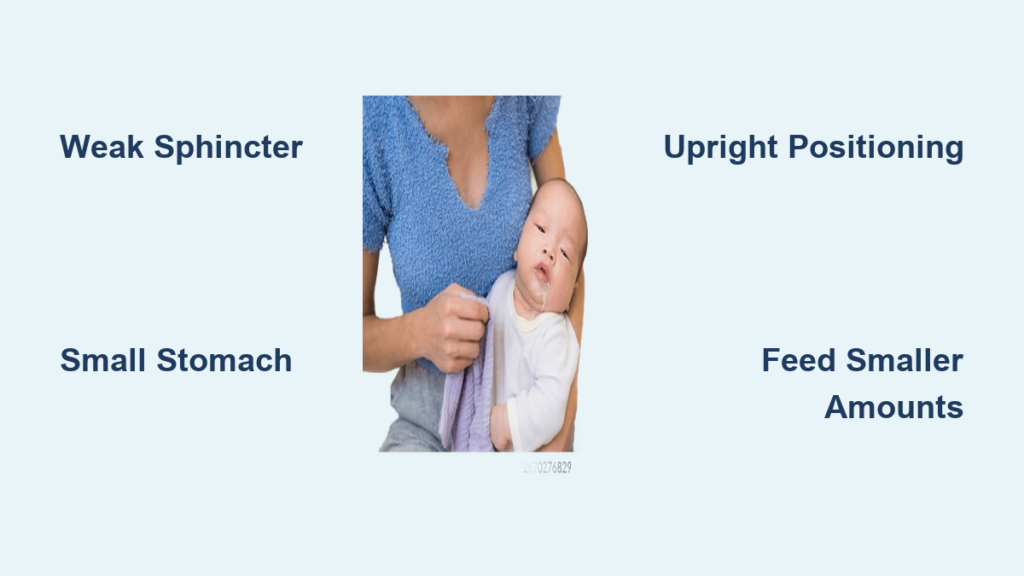
If you’re a new parent, you’ve likely found milk on your shoulder, your baby’s clothes, or even the ceiling—without warning. Spitting up is normal in about 50% of infants, and while it can be messy, it’s usually nothing to worry about. Most babies are “happy spitters”—they gain weight well, aren’t in pain, and outgrow the issue by their first birthday. This common condition, known as gastroesophageal reflux (GER), happens because your baby’s digestive system is still developing. As the muscles that keep food in the stomach mature, spitting up naturally decreases.
But why does it happen so often? Babies spit up due to a combination of an immature lower esophageal sphincter, a tiny stomach, and a liquid-only diet, all while spending most of their time lying flat. Overfeeding, swallowing air, or poor burping can make it worse. While occasional spit-up is normal, forceful vomiting, poor weight gain, or signs of pain may point to a more serious issue like GERD or pyloric stenosis. This guide explains the science behind infant reflux, how to reduce spit-up safely, and when to call your pediatrician—so you can care for your baby with confidence.
Why Babies’ Bodies Cause Frequent Spit-Up

Weak Lower Esophageal Sphincter in Infants
The main reason babies spit up so much is a weak lower esophageal sphincter (LES)—the valve between the esophagus and stomach. In adults, this muscle closes tightly after swallowing, but in newborns, it’s underdeveloped and often stays loose. This allows milk to flow back up easily, especially when lying down or after a full feeding. As your baby grows—typically by 6 to 12 months—this muscle strengthens and begins to function properly, reducing reflux episodes.
Small Stomach Size in Newborns
Babies have very small stomachs, especially in the first few weeks. A newborn’s stomach holds just 1–2 ounces at a time. Feeding even slightly more than this can overfill the stomach, increasing pressure and pushing milk back up. This is why overfeeding is the most common cause of spitting up. As your baby grows, stomach capacity increases, allowing for larger, less frequent feedings and fewer spit-up episodes.
Lying Down and Liquid Diet Increase Reflux
Since babies consume only liquids, milk flows back more easily than solid food would. Combine this with the fact that infants spend most of their time lying on their backs, and gravity isn’t helping keep milk down. This horizontal position, while essential for safe sleep, contributes to frequent spitting up. As babies begin to sit up around 6–7 months, gravity starts to work in their favor, and reflux typically improves.
Spitting Up vs. Vomiting: How to Tell the Difference

Passive Dribble vs. Forceful Projectile Vomiting
Spitting up is usually a passive dribble or small burp of milk, often during or just after feeding. It doesn’t distress the baby. Vomiting, on the other hand, is forceful, repeated, and may happen hours after feeding. Babies often cry, arch their backs, or look uncomfortable. If your baby vomits forcefully—especially in the first few months—contact your doctor immediately, as it could signal pyloric stenosis or another serious condition.
When Vomiting Is a Medical Emergency
Projectile vomiting starting between 2 weeks and 2 months of age is a red flag for pyloric stenosis, where the muscle at the stomach’s exit thickens and blocks food. This requires urgent treatment. Other warning signs include blood or green bile in vomit, poor weight gain, dehydration, or lethargy. If spitting up suddenly becomes frequent, forceful vomiting, seek medical care right away.
How Spitting Up Changes With Age
0–3 Months: Most Frequent Spit-Up
Spitting up often begins in the first few weeks and peaks between 3 and 6 months. During this time, your baby’s digestive system is still maturing. Most infants spit up after feedings, especially if overfed or jostled too soon after eating. As long as your baby is gaining weight and seems content, this is normal.
6–7 Months: Reflux Starts to Improve
Once babies learn to sit up independently, gravity helps keep food in the stomach. Their esophageal muscles also become more coordinated, reducing reflux. You may notice spitting up decreases significantly around this age. Introducing solids (around 6 months) can also help thicken stomach contents and reduce spit-up.
12 Months: Most Babies Outgrow It
By 12 months of age, the vast majority of babies have outgrown spitting up. Their digestive systems are more mature, they eat solid foods, and they spend more time upright. If your baby is still spitting up frequently after age 1, consult your pediatrician to rule out GERD or other issues.
Feeding Strategies to Reduce Spit-Up
Smaller, More Frequent Feedings
Overfilling the stomach is the top cause of spitting up. Try reducing the amount per feeding by 1 ounce (30 mL) if bottle-feeding. For breastfed babies, nurse on one side per feeding to avoid overfeeding, especially if you have a strong letdown or oversupply. This helps control milk flow and reduces reflux.
Slow Down Feedings to Prevent Air Swallowing
Fast feeding increases air swallowing, which fills the stomach and pushes milk back up. Use paced bottle feeding—hold the bottle horizontally so milk flows slowly. For breastfeeding, let your baby pause and burp naturally. Avoid rushing feedings; a calm, slow pace reduces spit-up.
Wait for Stomach to Empty Between Feedings
A baby’s stomach takes about 2–2.5 hours to empty. Feeding too soon adds more milk to a full stomach, increasing pressure and reflux. Wait at least 2 hours for breastmilk and 2.5 hours for formula between feedings. This allows time for digestion and reduces spit-up risk.
Burping and Positioning After Feeding

Burp at Natural Pauses, Not Mid-Feed
Burping helps release trapped air, but don’t interrupt feeding to burp. Pause when your baby naturally stops—look for signs like pulling away or pausing sucking. Burp for less than a minute; if no burp comes, it’s okay. Some babies don’t need to burp every time. Over-burping can actually trigger spit-up.
Keep Baby Upright for 15–30 Minutes Post-Feed
Hold your baby in an upright position for 15–30 minutes after feeding. Use a front carrier, sling, or your arms—gravity helps keep milk down. Avoid placing your baby in a car seat or infant seat right after eating, as the reclined angle can increase pressure on the stomach.
Feed at a 30–45 Degree Angle
During feeding, keep your baby’s head higher than their stomach. Cradle them at a 30–45 degree angle. This simple adjustment can reduce reflux during and after meals.
Pacifiers, Bottles, and Air Swallowing Risks
Reduce Pacifier Use After Feeding
Frequent pacifier sucking can cause babies to swallow excess air, which fills the stomach and pushes milk back up. If your baby is a big spitter, try reducing pacifier time, especially right after feeding.
Check Bottle Nipple Flow Rate
A nipple hole that’s too small forces your baby to suck harder, pulling in more air. Test the flow: when the bottle is upside down, formula should drip 1 drop per second. If it’s slower, the hole may be clogged. Clean the nipple or gently enlarge the hole. A flow that’s too fast can cause choking—find a balanced, age-appropriate nipple.
Thickening Feeds: Does It Work?
Try Rice Cereal Only With Doctor’s Advice
For babies who spit up large amounts, your pediatrician may suggest thickening formula with rice cereal. Start with 1 teaspoon of rice cereal per ounce of formula. The thicker mixture is harder to regurgitate. However, this should only be done under medical guidance, as it can increase choking risk or affect nutrient balance.
Avoid Thickening Breastmilk Without Guidance
Thickening breastmilk is not recommended without medical advice. Some babies do better with commercially thickened formulas designed for reflux. Always consult your doctor before changing feeding practices.
Food Sensitivities That May Worsen Spit-Up
Cow’s Milk and Soy in Breastmilk or Formula
Some babies spit up more due to food protein intolerance, especially to cow’s milk or soy. These proteins can pass through breastmilk or be present in formula, irritating the digestive tract. Signs include frequent spit-up, loose stools, irritability, or poor weight gain.
Eliminate Dairy and Soy From Your Diet
If you’re breastfeeding and suspect a food sensitivity, try eliminating dairy and soy from your diet for 2–4 weeks. Work with your pediatrician or a lactation consultant to ensure you’re still getting proper nutrition. Many babies improve within days of dietary changes.
Consider Hypoallergenic Formula
For formula-fed babies with persistent spit-up and allergy signs, your doctor may recommend a hypoallergenic formula—such as extensively hydrolyzed or amino acid-based formulas. These break down proteins so they’re less likely to cause irritation. Don’t switch formulas without medical advice.
GERD: When Reflux Becomes a Problem
Signs Your Baby Has GERD, Not Normal Reflux
While most babies have harmless reflux, GERD affects less than 1% and causes real complications. Symptoms include:
• Frequent choking or gagging on spit-up
• Crying or arching back during or after feeds (signs of heartburn)
• Poor weight gain or failure to thrive
• Feeding refusal
• Chronic cough, wheezing, or respiratory infections
If your baby shows these signs, they may need evaluation for GERD.
Don’t Confuse GERD With Colic
Colic—frequent crying in an otherwise healthy baby—affects 15% of infants and is not caused by reflux. Studies show acid-blocking medications don’t help colic and can have side effects. Most “fussy” babies are not in pain from reflux. True GERD involves feeding difficulties and growth issues, not just crying.
Medications for Reflux: Proceed With Caution
Acid Blockers Don’t Stop Spit-Up
Drugs like H2 blockers (e.g., ranitidine) or proton pump inhibitors (e.g., omeprazole) reduce stomach acid but do not stop spit-up. They only help if your baby has heartburn or esophageal irritation. These medications are not first-line treatments and should only be used for diagnosed GERD under a doctor’s supervision.
Risks of Long-Term Reflux Medication
Acid-suppressing drugs can increase the risk of infections, nutrient deficiencies, and gut imbalances. They’re meant for short-term use in severe cases. Never give your baby reflux medication without a prescription.
Safe Sleep and Reflux: Avoid Dangerous Myths
Never Prop Up the Crib or Use Wedges
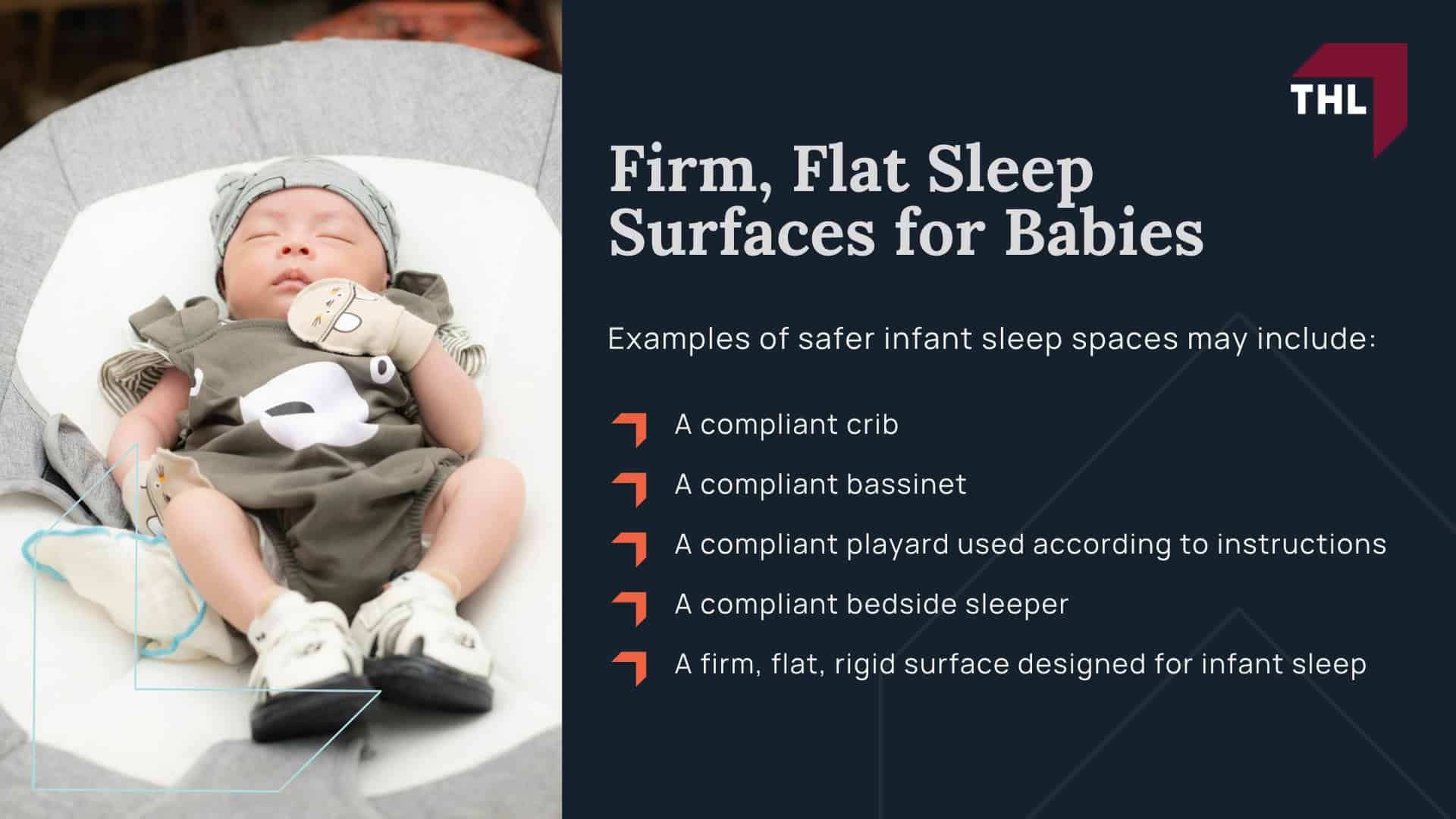
Some parents try propping up the baby’s crib or using wedges to reduce spit-up. This is unsafe and increases SIDS risk. The American Academy of Pediatrics recommends flat, firm sleep surfaces with babies on their backs. Elevation doesn’t prevent reflux and can lead to dangerous sliding or rolling.
Best Sleep Position for Babies With Reflux
The safest and most effective sleep position is on the back on a flat surface. Even babies with reflux should sleep this way. If you’re concerned, talk to your doctor about other safe strategies, like dietary changes or feeding adjustments.
When to Call the Pediatrician
Seek Emergency Care Immediately
Call your doctor or go to the ER if your baby:
• Spits up blood or green bile
• Chokes and turns blue or goes limp
• Has projectile vomiting, especially under 2 months old
• Looks lethargic, dehydrated, or very sick
These could signal serious conditions like pyloric stenosis, intestinal blockage, or severe GERD.
Contact Your Doctor Within 24 Hours
Call your pediatrician if:
• Your baby chokes frequently on milk
• Has poor weight gain
• Is fussy, arching, or refusing feeds
• Spitting up worsens or doesn’t improve with care tips
Schedule a Routine Check-Up
If your baby is still spitting up after 12 months, or you have ongoing concerns, bring it up at your next well-child visit. Most babies outgrow reflux, but your doctor can assess growth and rule out underlying issues.
Frequently Asked Questions About Baby Spit-Up
Why does my baby spit up even after burping?
Even with burping, babies can still spit up because their lower esophageal sphincter is immature and their stomachs are small. Burping helps with air, but it doesn’t stop the physical reflux of milk. As long as your baby is gaining weight and seems happy, this is normal.
Is it normal for my baby to spit up hours after feeding?
Spitting up shortly after feeding is typical. If it happens hours later, it could be due to overfeeding, lying flat, or a food sensitivity. However, vomiting hours after feeding—especially if forceful—should be evaluated by a doctor.
Can breastfed babies have reflux?
Yes, breastfed babies can and do spit up. Reflux is caused by anatomy and digestion, not the type of milk. However, some breastfed babies may spit up more if they’re sensitive to proteins from dairy or soy in the mother’s diet.
Does spitting up mean my baby is hungry?
No, spitting up doesn’t mean your baby is hungry. Most “happy spitters” gain weight well and feed normally. Unless your baby shows signs of discomfort or poor growth, spitting up is not a sign of hunger or underfeeding.
Can I prevent spitting up completely?
You can’t always prevent spitting up, but you can reduce it with smaller feedings, upright positioning, paced feeding, and burping. Since reflux is part of normal infant development, most babies will outgrow it by age one.
Will my baby outgrow spitting up?
Yes, most babies outgrow spitting up by 12 months. As their digestive system matures, they sit up more, eat solids, and spend more time upright—reducing reflux naturally. If spitting up continues past age one, talk to your pediatrician.
Key Takeaways for Parents Managing Baby Reflux
Spitting up is normal for about half of all babies and is usually harmless. It’s caused by an immature digestive system and typically resolves by the first birthday. You can reduce episodes with smaller feedings, upright positioning, and paced feeding. Avoid unsafe practices like crib elevation. If your baby is growing well, feeding happily, and not in pain, reflux is likely nothing to worry about. But if you notice forceful vomiting, poor weight gain, or signs of discomfort, contact your pediatrician. With time, care, and a few clean-up tricks, your baby will outgrow it—just like those tiny newborn onesies.





