
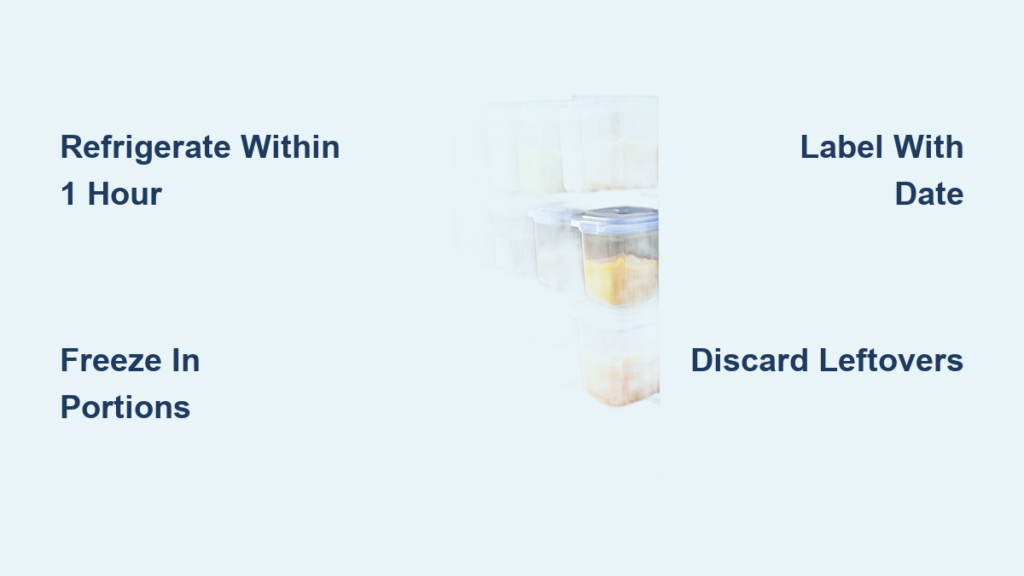
You’ve just spent time preparing homemade baby food—steaming vegetables, pureeing fruits, or cooking up a batch of chicken and rice. Now what? Knowing how to store baby food properly is essential to keep it safe, fresh, and nutritious for your little one. Improper storage can lead to bacterial growth, nutrient loss, and even foodborne illness in infants, whose immune systems are still developing. Whether you’re making food from scratch or using store-bought options, proper storage techniques make all the difference.
This guide covers everything you need to know about storing baby food—how long it lasts, the best containers to use, freezing tips, thawing methods, and how to avoid common mistakes. You’ll learn how to safely store baby food in the fridge and freezer, recognize spoilage signs, and maximize freshness without sacrificing nutrition. With these practical steps, you can prepare meals ahead of time, reduce waste, and ensure your baby gets safe, healthy food every time.
Refrigerator Storage for Fresh Baby Food

Keeping baby food cold quickly after preparation slows bacterial growth and preserves nutrients. Both homemade and opened commercial baby food require prompt refrigeration to stay safe.
How Long Baby Food Lasts in the Fridge
Homemade baby food stays fresh in the refrigerator for up to 48 hours. While some sources claim up to 72 hours, sticking to two days reduces the risk of contamination. Opened store-bought jars or pouches last 1–2 days, depending on the ingredients. Fruit and vegetable purees may last 2 days, while meat, poultry, or dairy-based blends should be used within 24 hours.
Always label containers with the preparation date. Never leave baby food at room temperature for more than one hour, especially after your baby has eaten from the dish—saliva introduces bacteria that multiply quickly.
Best Containers for Refrigerated Baby Food
Use airtight, BPA-free containers made for baby food storage. Small glass jars or reusable silicone pouches are ideal. Avoid reusing commercial baby food jars unless they are labeled as reusable and have been sterilized.
Fill containers only ¾ full to allow for expansion if you later freeze them. Shallow dishes cool faster and more evenly, reducing the chance of bacteria forming during cooling. Store containers in the back of the fridge where temperatures are most stable.
Freezing Baby Food for Future Meals

Freezing is the best method for preserving homemade baby food beyond two days. When done correctly, frozen purees retain flavor, texture, and nutrients for weeks.
Portioning Purees for Easy Feeding
Divide baby food into single-serving portions before freezing. This prevents waste and speeds up thawing. Use silicone ice cube trays with lids to freeze 1–2 oz portions. After 4–6 hours, transfer the cubes to labeled, freezer-safe bags or containers.
Silicone trays make it easy to pop out cubes without cracking. For variety, freeze different foods in separate compartments—like apple, sweet potato, or chicken—so you can mix and match later.
How Long Frozen Baby Food Stays Safe
Frozen baby food remains safe and nutritious for up to 3 months. After that, quality declines—texture softens and nutrients degrade. Meat and poultry purees should be used within 1–2 months due to faster fat breakdown.
Keep your freezer at 0°F (-18°C) or lower. Organize frozen food with older batches in front (first in, first out). Never refreeze thawed baby food.
Safe Thawing and Reheating Methods
Improper thawing can encourage bacterial growth. Always use safe techniques to preserve food quality and protect your baby’s health.
Safe Ways to Thaw Frozen Baby Food
Choose one of these three safe thawing methods:
– Refrigerator thawing: Place cubes in a covered dish and let thaw overnight (8–12 hours).
– Cold water bath: Seal cubes in a waterproof bag and submerge in cold water, changing the water every 30 minutes (1–2 hours).
– Warm water bath: For immediate use, place sealed container in warm (not boiling) water for 10–15 minutes.
Never thaw baby food at room temperature or in the microwave without proper stirring.
How to Reheat Baby Food Safely
If serving warm, heat thawed food until it reaches 165°F (74°C) to kill bacteria. Stir thoroughly and test the temperature on your wrist before feeding.
Use either:
– Stovetop: Heat gently in a small pot, stirring often.
– Microwave: Use a microwave-safe dish, cover loosely, and stir every 15 seconds to eliminate hot spots.
Discard any food left after feeding—do not save leftovers.
Preventing Bacterial Contamination
Infants have developing immune systems, making them more vulnerable to foodborne illness. Prevent contamination from the start.
Avoid Feeding from the Storage Container
Never let your baby eat directly from a jar or pouch. Spoon only the amount needed into a clean bowl. If your baby doesn’t finish, discard the rest. Saliva introduces bacteria that can grow even when refrigerated.
Always use a clean spoon when serving, especially when reheating.
Clean and Sterilize Storage Tools
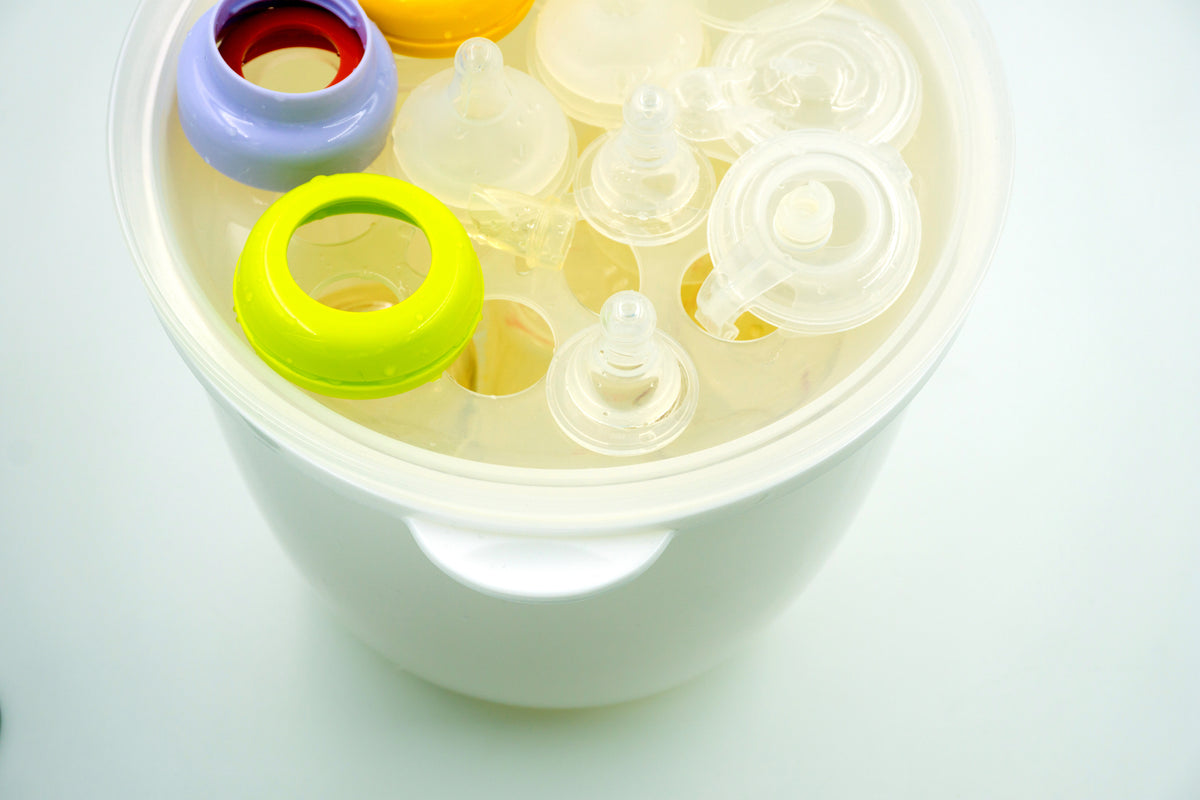
Wash all containers, trays, lids, and spoons in hot, soapy water after each use. For extra safety, sterilize by boiling for 5 minutes or using a dishwasher with a sanitize cycle.
Replace cracked, scratched, or cloudy containers—they can trap bacteria.
How to Tell When Baby Food Has Spoiled

Even with proper storage, baby food can go bad. Always inspect before serving.
Visual and Smell Signs of Spoilage
Look for:
– Sour, fermented, or rancid odor
– Dark spots, mold, or unusual discoloration
– Bubbling, fizzing, or gas buildup
– Swollen pouches or jar lids
If you notice any of these, throw the food away immediately—do not taste or serve.
Texture Changes That Signal Spoilage
Spoiled puree may feel slimy or grainy. Some separation is normal in fruit purees, but it should blend back smoothly when stirred. If it doesn’t, the food is likely spoiled.
Storing Opened and Unopened Store-Bought Baby Food
Commercial baby food is convenient, but it still needs correct handling after opening.
How Long Opened Jars and Pouches Last
Refrigerate and use within:
– Fruits and vegetables: 2 days
– Meat and poultry blends: 1 day
– Dairy-containing mixes: 24 hours
Reseal tightly and store in the back of the fridge. Never leave open baby food at room temperature for more than one hour during feeding.
Storing Unopened Shelf-Stable Baby Food
Keep unopened jars and pouches in a cool, dry pantry. Check expiration dates before use. Do not use if:
– Packaging is dented, bulging, or leaking
– The seal is broken
– The expiration date has passed
Once opened, treat as perishable—even if it was shelf-stable.
Batch Cooking and Freezing Tips
Preparing baby food in batches saves time and ensures healthy meals are always ready.
Step-by-Step Guide to Batch Cooking
- Choose fresh ingredients: Wash all produce, meats, and grains thoroughly.
- Cook until soft: Steam, boil, or bake until easy to mash.
- Puree to desired texture: Add water, breast milk, or formula as needed.
- Cool quickly: Spread puree in a shallow dish and place in an ice bath.
- Portion and store: Use trays or containers for fridge or freezer.
Label each container with food type and date.
Best Foods to Freeze for Baby
Some foods freeze better than others:
– Best: Sweet potato, carrots, peas, apples, pears, chicken, turkey, lentils
– Good: Pumpkin, squash, beef, oats
– Poor: Citrus fruits, raw potatoes, lettuce, cucumbers (become mushy)
Never add salt, sugar, or honey to baby food before freezing.
Common Baby Food Storage Mistakes
Small errors can compromise safety. Avoid these frequent pitfalls.
Using Unsafe or Inappropriate Containers
Avoid thin plastic bags, non-freezer-safe containers, or metal lids that can rust. Use only freezer-safe, BPA-free, food-grade materials. Never use regular sandwich bags—they can leak and don’t prevent freezer burn.
Refreezing Thawed Baby Food
Once thawed, do not refreeze baby food. This increases bacterial risk and damages texture and nutrients. Only thaw what you plan to use.
Ignoring Fridge and Freezer Temperatures
Keep your refrigerator at or below 40°F (4°C) and your freezer at 0°F (-18°C). Use a thermometer to monitor. Avoid overpacking the fridge, which blocks airflow and reduces cooling efficiency.
Frequently Asked Questions About Storing Baby Food
How long can homemade baby food stay in the fridge?
Homemade baby food can be stored in the refrigerator for up to 48 hours. Always label with the date and keep it in the back of the fridge for consistent temperature.
Can I freeze baby food in regular ice cube trays?
Yes, but use trays with tight-fitting lids and made of food-grade silicone or plastic. Avoid metal trays. Silicone trays are best—they’re flexible and easy to clean.
Is it safe to reheat baby food more than once?
No. Reheat baby food only once. Repeated heating increases the risk of bacterial growth and nutrient loss. Always discard leftovers after a meal.
Can I add breast milk or formula before freezing baby food?
It’s best to add breast milk or formula only when serving. Freezing mixtures with liquids can change texture and increase spoilage risk. Store plain purees and mix fresh at feeding time.
How do I prevent freezer burn on baby food?
Prevent freezer burn by using airtight, freezer-safe containers or bags. Remove excess air before sealing and label with dates. Use within 3 months for best quality.
Can I store baby food in the door of the fridge?
No. The fridge door experiences temperature fluctuations every time it opens. Store baby food in the main compartment, especially the back, where it’s coldest and most stable.
Key Takeaways for How to Store Baby Food Safely
Proper storage keeps baby food safe, nutritious, and ready when you need it. Refrigerate homemade food for up to 48 hours and freeze in portioned cubes for up to 3 months. Always use airtight, BPA-free containers and label with dates. Thaw safely in the fridge or warm water—never at room temperature. Avoid contamination by never feeding from the storage container and discarding leftovers after meals.
Start with small batches, use the right tools, and follow temperature guidelines. With these steps, you’ll reduce waste, save time, and give your baby the healthiest start. Begin organizing your storage system today to make feeding easier and safer tomorrow.





