
You’re juggling diapers, feedings, and sleepless nights—preparing fresh baby food every day might feel overwhelming. That’s where freezing baby food comes in. By making large batches and freezing them in portions, you save time, reduce waste, and still deliver nutritious meals to your little one. The good news? It’s simple, safe, and effective when done right. This guide walks you through the best practices for how to freeze baby food properly—from preparation to thawing—so you can keep meals healthy, hygienic, and ready on demand.
Freezing baby food isn’t just about convenience; it’s about preserving nutrients and minimizing exposure to harmful bacteria. With the right techniques, your homemade purées can stay fresh and safe for up to two months. Whether you’re using vegetables, meat, or grains, we’ll show you how to freeze each type correctly, avoid common mistakes, and serve thawed meals safely. Let’s dive in.
Prepare Baby Food for Freezing
Cook in Batches for Efficiency
Making baby food in bulk saves time and energy. Start by selecting fresh, high-quality vegetables like carrots, courgettes, or parsnips. Steam or boil them until soft, then blend into a smooth purée. Avoid adding salt, sugar, or strong spices. Once blended, portion the purée immediately for freezing. Cooking in batches means fewer daily prep sessions and more consistency in texture and flavor.
Freeze Meat and Veggies Separately
For balanced meals, combine meat with vegetables later. Freeze meat and vegetable purées separately to maintain freshness and control portion sizes. Cook lean meats thoroughly, blend with a bit of water or broth for smoothness, then freeze in individual portions. This method prevents overcooking when reheating and reduces the risk of bacterial growth from mixed ingredients sitting at room temperature.
Skip High-Nitrate Vegetables
Avoid freezing purées made from spinach, beetroot, or fennel due to their naturally high nitrate levels. When these foods are cooked and then stored warm or reheated improperly, nitrates can convert to nitrites—harmful compounds that affect oxygen transport in babies’ blood. If you do use these veggies, serve them fresh and never reheat or refreeze. Stick to safer options like sweet potatoes, peas, or green beans for freezing.
Use the Right Freezing Containers
Choose Sterile, Airtight Storage
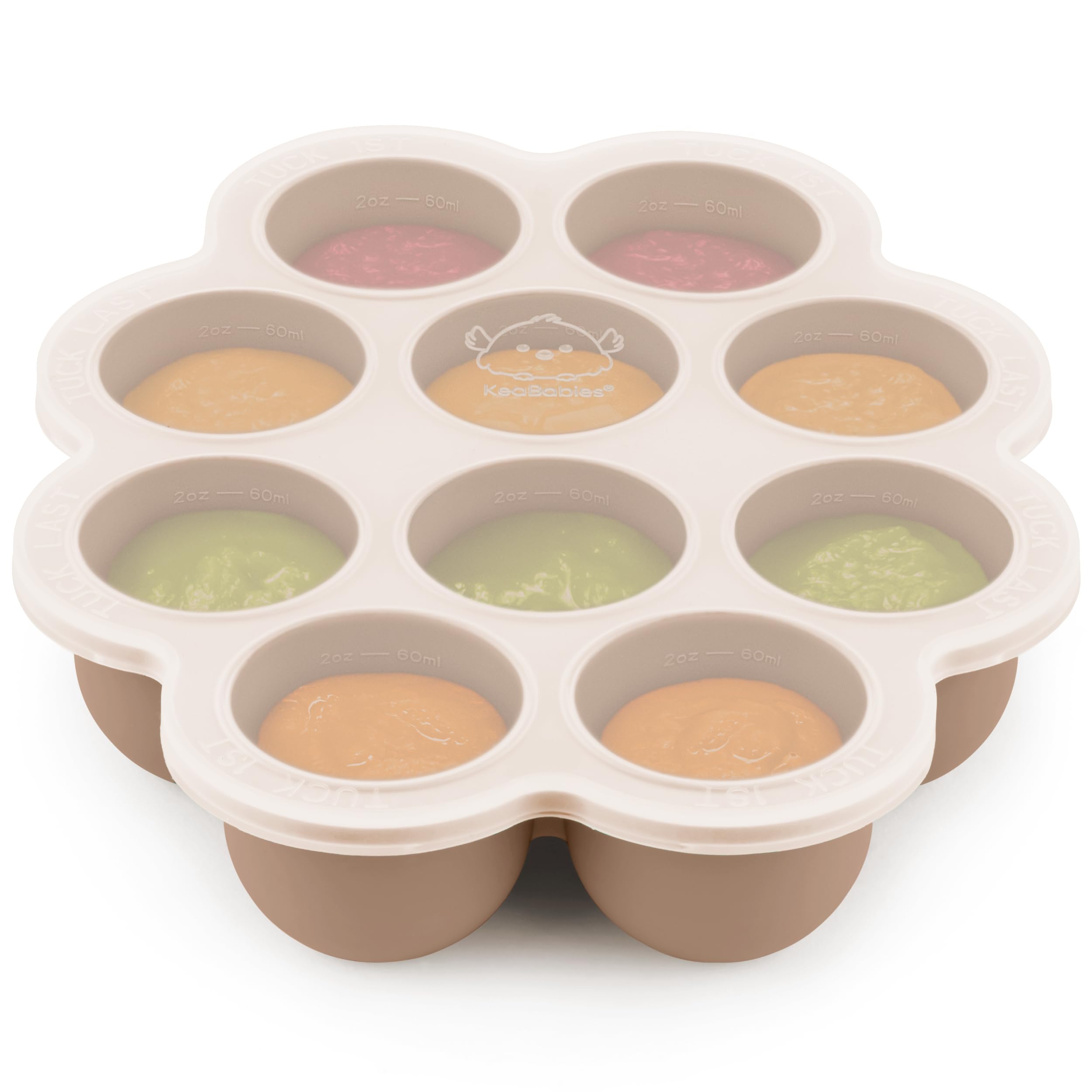
Hygiene is critical. Before filling, sterilize containers by boiling, steaming, or using a dishwasher with a sanitize cycle. Use only airtight, freezer-safe containers labeled with a snowflake symbol. Glass jars, BPA-free plastic trays, or silicone pouches work well. Airtight seals prevent freezer burn and contamination, keeping nutrients intact and flavors fresh.
Label Every Container Clearly
Always label each container with the contents and date. Use waterproof labels or permanent markers. This helps you track freshness and avoid using expired food. Since baby food can be stored for up to two months, clear labeling ensures you use older portions first (first in, first out).
Portion for One Meal
Freeze baby food in single-serving sizes—typically 2 to 4 ounces. Ice cube trays are ideal for vegetable or meat purées. Once frozen, transfer cubes to a labeled freezer bag. Portioning ahead means you only thaw what your baby will eat, reducing waste and avoiding repeated temperature changes that encourage bacteria.
Best Practices for Freezing
Cool Before Freezing
Never put hot purée directly into the freezer. Let it cool quickly by placing the bowl in an ice bath, then refrigerate for 30 minutes before freezing. This prevents raising the freezer’s internal temperature and stops condensation, which can lead to ice crystals and texture changes.
Freeze Immediately After Prep
Freeze baby food as soon as it’s cooled. The longer food sits at room temperature, the more time bacteria have to grow. Quick freezing locks in nutrients and maintains texture. If using frozen vegetables as a base, cook and freeze the final purée immediately—don’t let it sit out.
Avoid Freezing Milk-Based Mixtures
Do not freeze grain and milk porridges or fruit-milk blends. Dairy-based foods can separate and develop an unpleasant texture after thawing. They’re also more prone to bacterial growth during thawing. Make these fresh daily instead. Stick to freezing vegetable, fruit, and meat purées only.
Thaw Baby Food Safely
Thaw Overnight in the Fridge
The safest method: move a portion from freezer to fridge the night before. A 4-ounce serving typically thaws within 8–12 hours. Slow, cold thawing preserves texture and prevents bacterial growth. Never leave baby food to thaw on the counter at room temperature.
Warm Gently After Thawing
Once thawed, warm the purée using one of these methods:
• Water bath: Place the container in warm water until heated through
• Baby food warmer: Follow device instructions for even heating
• Microwave (with caution): Use low power, stir well, and check for hot spots
Always stir thoroughly and test the temperature on your wrist before feeding.
Never Refreeze Thawed Food
Once thawed, do not refreeze baby food. This increases the risk of bacterial contamination. Serve within 24 hours of thawing and discard any leftovers after a meal. Safety first—your baby’s immune system is still developing.
Add Fresh Ingredients After Thawing
Mix in Oil and Potatoes Later
Add rapeseed or olive oil after reheating. Fats can go rancid or separate during freezing, affecting taste and nutrition. Similarly, potatoes change texture when frozen—they can become watery or grainy. For best results, mix in fresh potato purée or cooked grains after thawing the main purée.
Boost Nutrition at Serving Time
Enhance thawed meals with fresh touches: a drizzle of oil for healthy fats, a spoon of yogurt for probiotics, or a pinch of iron-fortified cereal. This ensures your baby gets optimal nutrition and varied textures, supporting both growth and palate development.
Storage Timeline and Safety
Keep Frozen Food Up to 2 Months
Most homemade baby food stays safe and nutritious for up to 8 weeks in a standard freezer (0°F or -18°C). After that, quality declines—flavor dulls, and texture changes. Always use the oldest portions first. Write dates clearly to track freshness.
Check for Signs of Spoilage
Before serving, inspect thawed food for:
• Off smells
• Discoloration
• Mold or unusual texture
If in doubt, throw it out. Babies are more vulnerable to foodborne illness, so err on the side of caution.
Common Mistakes to Avoid
❌ Refreezing Thawed Purée
This is a major safety risk. Bacteria multiply rapidly during thawing. Refreezing doesn’t kill them—it just pauses growth. Always serve thawed food once and discard the rest.
❌ Using Non-Food-Safe Containers
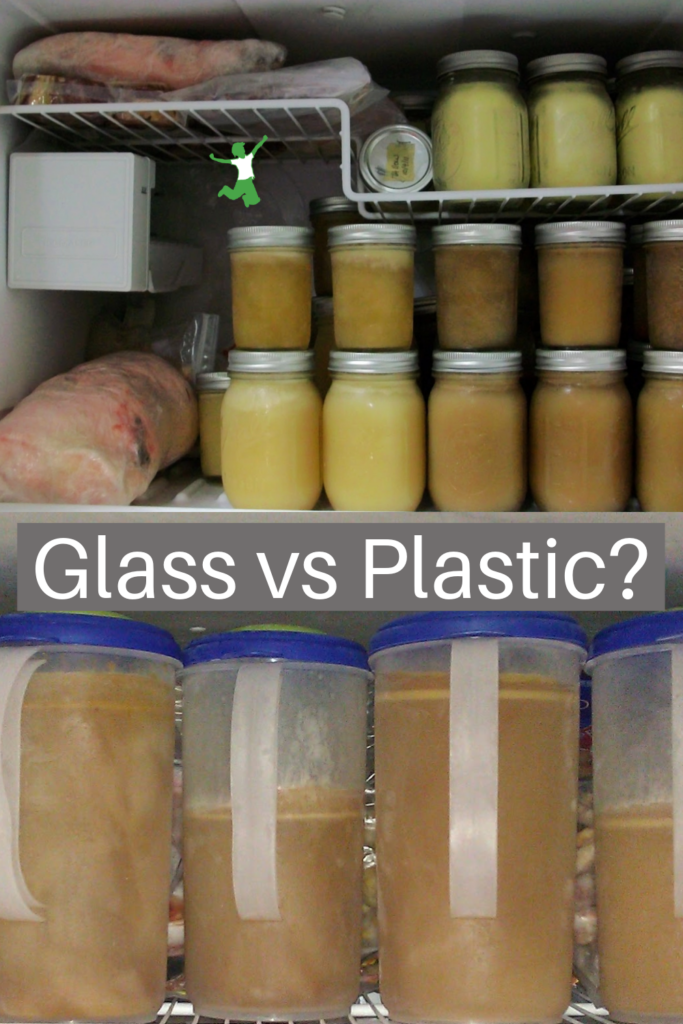
Avoid thin plastic or containers not labeled freezer-safe. They can crack or leach chemicals. Glass jars should be wide-mouth and filled only to ¾ full to allow for expansion.
❌ Adding Salt, Sugar, or Honey
Never add salt (hard on baby kidneys), sugar (bad for teeth), or honey (risk of botulism) to baby food. Keep flavors natural and ingredients simple.
Tips for Busy Parents

Use Silicone Trays for Easy Portions
Silicone ice cube trays are flexible and easy to pop out. They’re perfect for freezing veggie or meat cubes. Once frozen, transfer to labeled bags and stack neatly in the freezer.
Combine Flavors Later
Freeze single-ingredient purées (carrot, pea, apple) separately. This helps identify allergies and lets you mix flavors later—like carrot-apple or pea-potato—without over-prepping.
Prep on Low-Energy Days
Choose a calm day to cook and freeze several meals at once. Spend 1–2 hours prepping, and you’ll have weeks of meals ready. Enlist help if needed—this is self-care for you and nutrition for your baby.
Frequently Asked Questions About Freezing Baby Food
Can I freeze baby food with spinach or beetroot?
No. Avoid freezing purées made from high-nitrate vegetables like spinach, beetroot, or fennel. These can form harmful nitrites when reheated or stored improperly. Serve them fresh and only once.
How long can I keep homemade baby food in the freezer?
Homemade baby food can be safely stored in the freezer for up to 8 weeks at 0°F (-18°C). Always label with the date and use older portions first.
Is it safe to thaw baby food on the counter?
No. Never thaw baby food at room temperature. Always thaw it in the refrigerator overnight to prevent bacterial growth.
Can I refreeze baby food after it’s been thawed?
No. Once baby food is thawed, it should not be refrozen. This increases the risk of bacterial contamination. Serve within 24 hours and discard any leftovers.
What’s the best way to reheat frozen baby food?
Use a water bath, baby food warmer, or microwave on low power. Stir thoroughly and test the temperature on your wrist to avoid hot spots.
Should I add oil or milk before or after freezing?
Always add oils like rapeseed or olive oil, and dairy products, after thawing. These ingredients can separate or degrade in texture when frozen.
Key Takeaways for Safely Freezing Baby Food
Freezing baby food is a smart, safe way to provide nutritious meals without daily stress. By following hygienic prep, proper storage, and safe thawing practices, you protect your baby’s health and make feeding time easier. Stick to low-nitrate veggies, avoid refreezing, and add oils and potatoes after thawing for best results. With a little planning, you can enjoy the benefits of homemade food—freshness, control, and love—on even the busiest days.





