
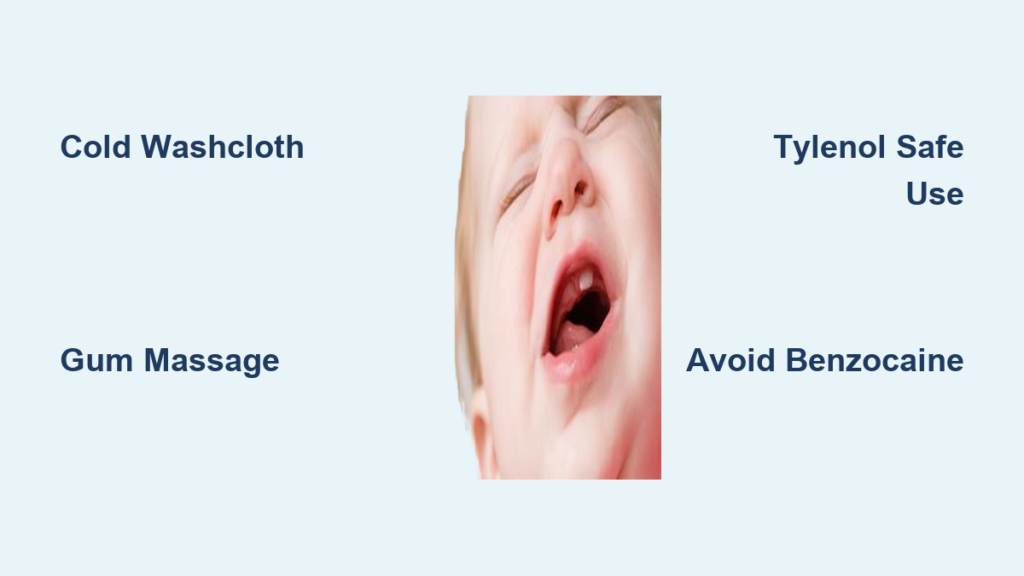
Your baby is drooling nonstop, gnawing on their hands, and waking up crying every hour. You suspect teething—but how do you ease their pain safely? Teething discomfort is a normal phase, but it can be tough on both baby and parents. The good news is that pediatricians recommend several effective, evidence-based ways to soothe sore gums and help your little one feel better—without resorting to risky remedies.
Most babies start teething between 4 and 7 months, though some begin earlier or later. As teeth push through tender gums, they may become fussy, lose appetite, or have trouble sleeping. While the process can last up to three years, the worst discomfort usually happens with the first teeth and molars. This guide gives you safe, pediatrician-approved strategies to relieve teething pain—from cold washcloths to gentle gum massages and proper medication use. You’ll also learn which symptoms mean it’s time to call the doctor, because not every cry is just about teeth.
Know When Teething Starts and What to Expect
Understanding your baby’s teething timeline helps you respond early and reduce discomfort.
First Tooth Emergence: What’s Normal?
Most babies get their first tooth between 4 and 7 months, but it’s perfectly normal for some to start as early as 3 months or not until after 12 months. The lower front teeth (central incisors) typically come in first, followed by the top front teeth. By age 3, your child will have all 20 primary teeth. If your baby is late, don’t worry—teething timing is largely genetic.
Teething Stages and Which Teeth Hurt Most
Teeth erupt in a predictable order, with some causing more pain than others:
- 6–8 months: Lower central incisors (first teeth, mild discomfort)
- 8–12 months: Upper central incisors (can cause sleep disruption)
- 9–16 months: Lateral incisors (moderate irritability)
- 12–18 months: First molars (larger teeth, more intense pain)
- 16–22 months: Canines (less painful than molars)
- 22–33 months: Second molars (often the most uncomfortable due to size)
How Long Teething Symptoms Last
Discomfort usually begins 3–5 days before a tooth appears and fades within a few days after. While each episode is short, the entire teething process spans years, with calm periods between flare-ups. Molars tend to cause longer, more intense symptoms because of their broad shape and position.
Recognize True Teething Symptoms vs. Illness
Not every fussy moment means a tooth is coming. Know the real signs—and when to suspect something else.
Common Signs Your Baby Is Teething
- Excessive drooling: Can lead to chin or neck rashes
- Swollen, tender gums: Look for hard lumps where teeth are emerging
- Chewing on hands or toys: Pressure relieves gum pain
- Irritability and crying: Especially during feeding or bedtime
- Sleep disturbances: Pain flares up when lying down
- Mild appetite changes: Some refuse food; others want to chew more
Symptoms That Aren’t Caused by Teething
Teething does not cause high fever or diarrhea. If your baby has:
- Fever over 101°F (38.3°C)
- Diarrhea or vomiting
- Rash beyond the face
- Refusing all fluids
…they may be sick. These are not normal teething symptoms. Contact your pediatrician for evaluation.
Use Cold Therapy to Numb Sore Gums
Cold helps reduce inflammation and numbs pain—just keep it safe and not too hard.
Chill Teething Rings in the Fridge (Not Freezer)
Refrigerate BPA-free teething rings for a cool, soothing chew. Never freeze them—frozen items are too hard and can damage delicate gums or emerging teeth. Choose solid silicone or rubber rings over liquid-filled ones, which can burst.
Try a Cold Damp Washcloth for Chewing
Wet a clean cotton washcloth, wring it out, and chill it in the fridge. Let your baby chew on it. The cool, textured fabric provides pressure and numbing relief. Replace it if it warms up, and wash after each use.
Offer a Cold Spoon for Targeted Relief
Cool a clean baby spoon in the fridge and gently press it against sore gums. The metal conducts cold well and gives focused relief. Ideal for babies who resist teething toys.
Serve Chilled Foods for Babies Eating Solids
If your baby eats solids, offer:
• Chilled applesauce
• Cold yogurt
• Refrigerated pureed vegetables
• Chilled cucumber or carrot sticks (under close supervision to prevent choking)
Avoid frozen foods—they’re too hard. Stick to cool, soft textures.
Massage Gums Gently to Reduce Discomfort
Physical pressure can help counteract the pain of erupting teeth.
Rub Gums with a Clean Finger
Wash your hands thoroughly, then use your fingertip to apply gentle pressure on swollen gums. Use small circular motions where the tooth is coming in. Many babies find this instantly calming.
Use a Soft Silicone Finger Brush
These brushes clean emerging teeth and massage gums at the same time. They’re ideal if your baby resists fingers but likes something to chew on.
Choose Safe and Effective Teething Toys

The right chew toy can make a big difference in comfort and safety.
Pick Soft, BPA-Free Teethers
Look for teething toys made from soft silicone or rubber. Avoid hard plastic or wooden teethers unless designed for infants. Always check for recalls and ensure no small parts can break off.
Offer a Variety of Textures
Babies respond to different textures. Rotate:
• Bumpy rings
• Ribbed toys
• Soft animal-shaped teethers
Having options lets your baby choose what feels best.
Avoid Dangerous Teething Aids
Do not use:
• Amber teething necklaces (choking hazard, no proven benefit)
• Liquid-filled teethers (can burst and leak)
• Teething biscuits (high in sugar, choking risk)
• Pacifiers with liquid inserts (can leak or burst)
The American Academy of Pediatrics advises against all of these.
Use Pain Relief Medications Safely and Wisely

Sometimes home remedies aren’t enough—medication can help, but use it correctly.
Give Acetaminophen with Pediatrician Approval
Infants’ Tylenol (acetaminophen) can relieve pain and reduce mild fever. It’s safe for babies of all ages with doctor approval. Always:
• Check the dose by weight, not age
• Use the included dropper for accuracy
• Avoid combination cold/fever products
Never give medication just to help your baby sleep—use it only when discomfort is severe.
Use Ibuprofen for Babies Over 6 Months
If your baby is 6 months or older, ibuprofen (like Advil or Motrin) can help with pain and inflammation. Always consult your doctor first and follow dosing instructions carefully.
Never Use Benzocaine Teething Gels
Teething gels with benzocaine are not safe for children under 2. They can cause methemoglobinemia, a life-threatening condition that reduces oxygen in the blood. The FDA and AAP strongly advise against them.
Comfort Your Baby with Touch and Distraction
Sometimes the best relief is love, attention, and a calm environment.
Hold and Cuddle Your Baby More
Holding your baby close reduces stress and pain perception. Skin-to-skin contact, rocking, and soft talking can soothe even the fussiest infant.
Try Gentle Rocking or Swinging
Rhythmic motion calms the nervous system. Use a rocking chair, baby swing, or stroller walk to distract from discomfort. White noise or lullabies can enhance the effect.
Distract with Favorite Toys or Games
A familiar toy or simple game (like peek-a-boo) can shift focus away from pain. Keep a few teething-safe toys nearby for quick distraction.
Give a Warm (Not Hot) Bath
A warm bath relaxes muscles and calms an overstimulated baby. Add gentle massage or soft songs to extend the soothing effect.
Keep Gums and Skin Clean to Prevent Irritation
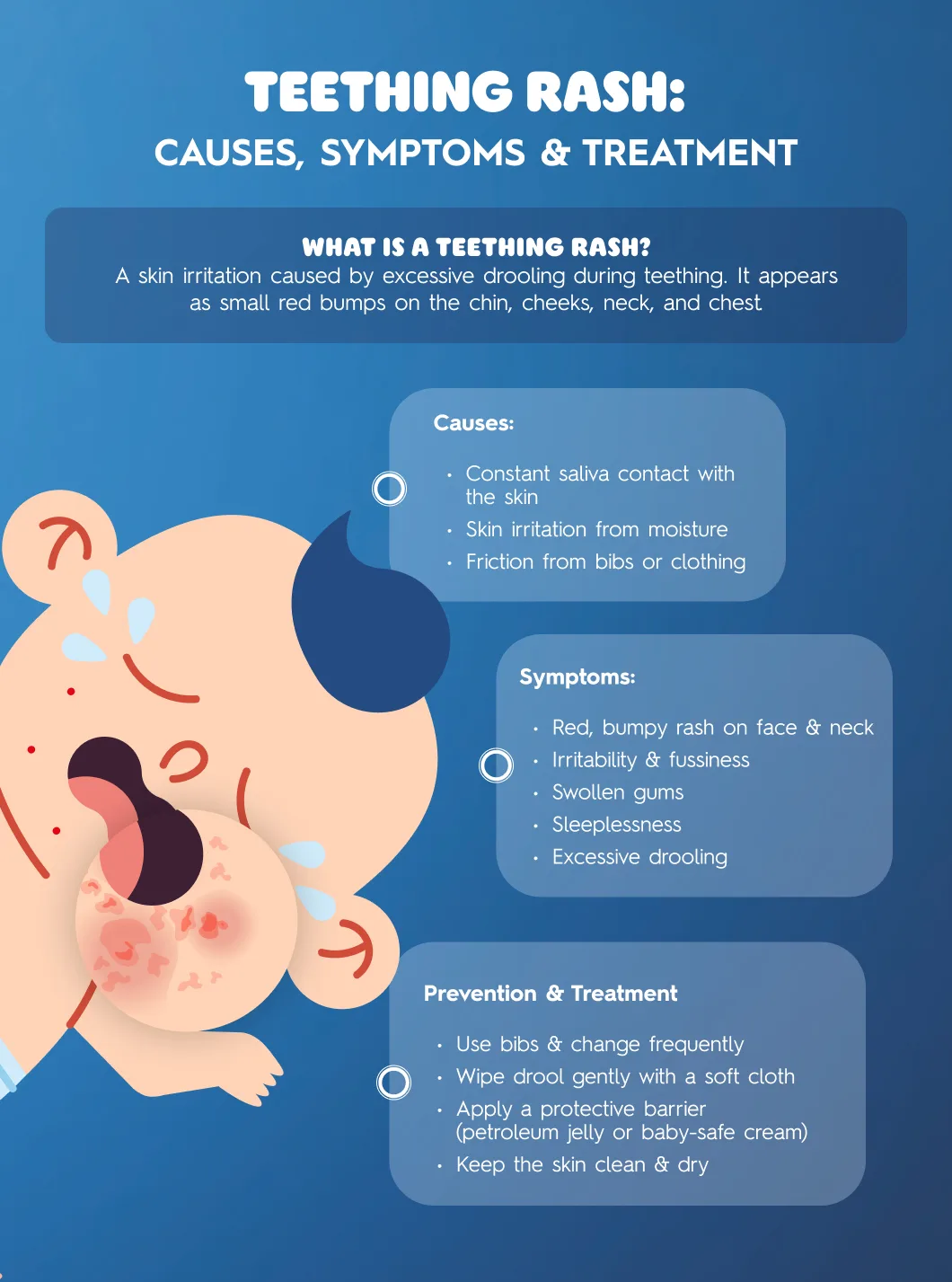
Good hygiene prevents secondary issues like drool rash and gum infections.
Wipe Gums After Feedings
After each feeding, gently wipe your baby’s gums with a clean, damp cloth. This removes bacteria and keeps the area clean.
Brush Teeth as Soon as They Appear
Once teeth emerge, use a soft-bristled infant toothbrush and a grain-of-rice-sized smear of fluoride toothpaste. Brush gently twice a day, especially before bedtime.
Prevent and Treat Drool Rash
Constant drooling can cause red, chafed skin. To protect delicate skin:
• Gently pat (don’t rub) the area dry
• Apply a barrier ointment like petroleum jelly
• Change bibs frequently
Avoid scented lotions or wipes that can irritate.
Avoid Dangerous Teething Remedies

Some popular “cures” are risky—even if they’re widely sold.
Never Rub Alcohol on Gums
Some traditional remedies suggest whiskey or vodka on the gums. This is dangerous and ineffective. Even small amounts of alcohol can harm a baby’s developing brain.
Don’t Freeze Teething Items
Frozen teethers or washcloths are too hard and can injure gums or teeth. Stick to refrigerated, not frozen, items.
Skip Homeopathic Teething Tablets
Products like homeopathic teething tablets have been linked to seizures and breathing problems due to inconsistent belladonna content. The FDA warns against their use.
Never Tie Teethers Around the Neck
Teething necklaces or clips should never be worn unsupervised. They pose a serious choking and strangulation risk.
When to Call the Pediatrician About Teething
Most teething discomfort is manageable at home—but know when to seek help.
Seek Medical Advice If:
• Fever is over 101°F (38.3°C)
• Diarrhea or vomiting occurs
• Your baby is not drinking fluids
• Symptoms last more than a few days without improvement
• You’re unsure if it’s teething or illness
Teething may slightly lower immunity, but it doesn’t cause serious illness.
Talk to Your Doctor Before Giving Medication
Always consult your pediatrician before giving acetaminophen or ibuprofen, especially for babies under 6 months. They can confirm it’s safe and help you choose the right dose.
Prepare for Long-Term Teething Comfort
Teething isn’t a one-time event—it’s a process. Stay ready with these tips.
Track Tooth Eruption Patterns
Keep a simple log of when teeth come in. You’ll notice patterns—like increased fussiness every few months—and can prepare in advance with cold toys or extra comfort.
Get Ready for Molar Emergence
The first and second molars are the largest and often the most painful. Have your soothing tools ready—chilled foods, pain relief (if approved), and extra patience.
Maintain a Daily Oral Hygiene Routine
Start cleaning gums early and transition to brushing as teeth appear. Good habits now prevent cavities later, especially if your baby nurses at night.
Keep a Teething Kit Handy
Pack a small bag with:
• Refrigerated teething ring
• Clean damp washcloth
• Infant pain reliever (if prescribed)
• Extra bibs and moisturizer
Keep one in your diaper bag, car, and nursery for quick access.
Frequently Asked Questions About Teething Pain Relief
Can I give my baby Tylenol for teething?
Yes, infants’ acetaminophen (Tylenol) can be used to relieve teething pain with pediatrician approval. Always dose by weight, use the correct dropper, and avoid giving it just to help your baby sleep.
What natural remedies help with teething pain?
Safe natural options include cold teething rings, chilled washcloths, gentle gum massage, and extra cuddles. Avoid amber necklaces, homeopathic tablets, and alcohol-based remedies.
How can I help my baby sleep better while teething?
Try a cool washcloth, gentle gum massage, or white noise. If pain is severe, ask your doctor about using acetaminophen at bedtime. Keep the room calm and routine consistent.
Are amber teething necklaces safe?
No. The American Academy of Pediatrics warns against amber necklaces due to choking and strangulation risks. There is no scientific evidence they relieve pain.
When do babies stop teething?
Most children have all 20 primary teeth by age 3. The most intense discomfort usually ends after the second molars come in (around 2–3 years).
Can teething cause a fever?
Teething may cause a low-grade fever around 100.4°F (38°C). A fever over 101°F (38.3°C) is not normal and could indicate illness. Contact your pediatrician.
Key Takeaways for Soothing Teething Pain in Babies
Teething is temporary, but your comfort strategies make a lasting difference. By using safe, pediatrician-approved methods—like cold therapy, gum massage, and proper pain relief—you can help your baby through this milestone with less stress. Avoid risky remedies like benzocaine gels, amber necklaces, or frozen teethers. Track eruption patterns, especially for molars, and keep a teething kit ready. If your baby has a high fever, diarrhea, or won’t drink fluids, call your doctor. With patience and care, you’ll get through this—and soon be smiling at your baby’s first toothy grin.





