
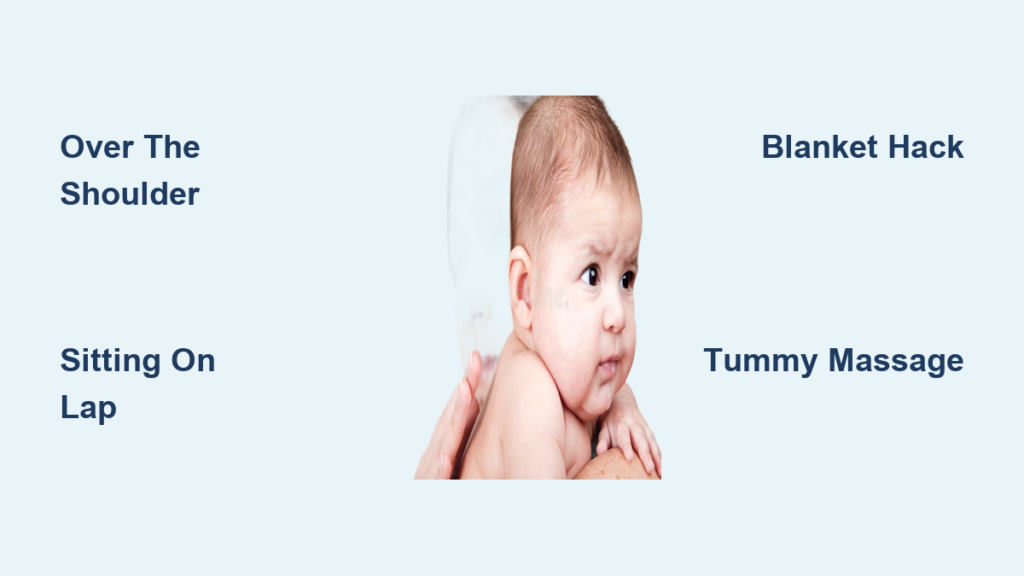
If your baby is fussy, crying, or arching their back after feeding, they’ve likely swallowed air during the meal. Knowing how to make a baby burp can ease that discomfort fast and prevent spit-up or gas buildup. Most babies release trapped air within 30–60 seconds using the right method. Whether you’re breastfeeding or bottle-feeding, this guide gives you the top-tested techniques, signs to watch for, and smart tips—like the blanket hack that’s helped parents worldwide—so you can respond quickly and confidently.
You’ll learn when to burp, which positions work best at different ages, and what to do if your baby still seems gassy. Plus, you’ll discover how this simple act strengthens bonding and becomes a calming part of your daily routine—all without special tools or training.
Signs Your Baby Needs to Burp

Crying and Arching Back
When your baby cries shortly after feeding or arches their back, it’s often a sign of trapped gas. This motion helps relieve pressure in the abdomen. Pair this with clenched fists or squirming, and it’s time to pause and try burping.
Pulling Away During Feeding
If your baby pulls away mid-feed, fusses, or seems distracted, they may need a break to release air. This is especially common in bottle-fed infants, who tend to swallow more air than breastfed babies. Pause every few minutes to burp if this happens.
Drawing Legs to Tummy
Tucking legs into the belly is a natural gas-relief move. It applies gentle pressure to the abdomen, helping push air through. If you see this, try a burping technique before resuming feeding or settling for sleep.
Best Times to Burp Your Baby
After Each Breast (Breastfeeding)
Burp your baby after switching breasts. Even though breastfed babies swallow less air, a quick burp break can prevent post-feeding fussiness. If your baby is calm and shows no discomfort, it’s okay to skip.
Midway and After Bottle Feeding
For bottle-fed babies, burp halfway through the bottle and again after finishing. This reduces the total volume of trapped air and lowers the chance of spit-up. Use a slow-flow nipple to minimize air intake.
When No Burp Is Needed
Not every feeding requires a burp. Some babies pass gas naturally through their digestive tract. If your baby seems content, is sleeping peacefully, or shows no signs of discomfort, don’t force it. Trust your instincts.
Top 4 Burping Techniques That Work
Over the Shoulder Method
This is the most popular and effective position for newborns and older infants alike.
How to do it:
1. Hold your baby upright against your chest, with their head resting on your shoulder.
2. Support their bottom with one hand and keep their head slightly elevated.
3. Use your other hand to gently pat or rub between the shoulder blades.
4. Use a cupped hand for softer impact—never slap.
Pro tip: Try standing or walking gently. The motion can help shift trapped air. Keep a burp cloth over your shoulder—spit-up is common and harmless.
Time to success: Most babies burp within 30–60 seconds.
Sitting on Lap (Upright Position)
Ideal for smaller babies or when you’re on the go.
How to do it:
1. Sit your baby upright on your lap, facing away or to the side.
2. Use one hand to support their chest and chin, keeping the airway open.
3. With your other hand, gently pat or rub the back.
Alternative (Tummy-Down):
– Lay the baby face-down across your lap, head slightly higher than chest.
– Support their jaw with your thumb and forefinger like a cradle.
– Apply light upward pressure to keep the spine aligned.
Why it works: Gravity helps move air upward, and the pressure on the abdomen can trigger a burp.
Safety note: Always support the head and neck—never let it drop.
Lying Across Your Lap
A gentle alternative when the baby is drowsy or sensitive.
How to do it:
1. Sit on a chair or floor with a burp cloth on your lap.
2. Lay the baby face-down across your thighs, head slightly elevated.
3. Use one hand to stabilize the upper body.
4. Gently rub or pat the back with the other hand.
Best for: Babies who dislike being held upright or are prone to spit-up.
Warning: Keep a cloth ready—this position increases spit-up likelihood due to abdominal pressure.
The Blanket Hack (Dad’s Secret Move)
A game-changer for babies who resist traditional burping.
How to do it:
1. Roll a soft receiving blanket (muslin or cotton) into a firm cylinder.
2. Hold your baby upright—on your shoulder or lap.
3. Place the rolled blanket just below their shoulder blades.
4. Gently press and rock their back against the roll in circular motions.
Why it works: The consistent pressure mimics natural muscle contractions, helping trapped air rise. The soft texture soothes sensitive skin.
Parent-tested: “My husband used this trick—our baby burped in seconds after refusing all other methods.” – Sarah, mom of 6-month-old
Bonus: Pair with quiet humming or shushing sounds to calm a fussy baby.
What to Do If Baby Still Has Gas
Try Tummy Massage
Lay your baby on their back and use gentle, clockwise circles around the belly button. This mimics natural digestion and helps move gas along.
Technique:
– Start near the lower right abdomen.
– Move up, across, and down the left side (following colon path).
– Use warm hands and light pressure.
Tip: Do this during diaper changes or before bedtime.
Bicycle Legs Motion
This simple move helps relieve lower gas and bloating.
How to do it:
1. Lay baby on their back.
2. Gently hold their ankles.
3. Move legs in a slow, bicycling motion—knees toward chest, then extending.
Benefits: Compresses the abdomen, encouraging gas release. Often leads to a burp or a passed wind.
When to use: After failed burping attempts or during evening fussiness.
Handling Spit-Up During Burping
Stay Calm and Prepared
Spit-up is normal—especially in the first few months. It’s not vomiting and rarely a cause for concern.
What to do:
• Wipe the baby’s mouth gently with a soft cloth
• Change clothes if needed
• Resume feeding or proceed to the next activity
Prevention:
• Always use a burp cloth
• Keep the baby upright for 10–15 minutes after feeding
• Avoid vigorous movement right after meals
Common Mistakes to Avoid

Patting Too Hard
Never slap or thump the baby’s back. Use firm but gentle pats with a cupped hand. Think “tambourine,” not “drum solo.”
Forcing a Burp
If your baby doesn’t burp after 1–2 minutes, stop. Forcing it can cause stress. Many babies pass gas naturally—through their belly or by passing wind.
Ignoring Feeding Habits
Bottle-fed babies are more prone to gas. Use:
• Anti-colic bottles with vent systems
• Slow-flow nipples to reduce air intake
• Proper latch (for breastfeeding) to minimize air swallowing
When to See a Doctor
Persistent Gas and Fussiness
If your baby:
• Cries for hours daily
• Has trouble gaining weight
• Frequently vomits (not just spit-up)
• Shows signs of reflux (arching, choking, refusing feeds)
…talk to a pediatrician. These could indicate reflux, lactose intolerance, or other conditions.
No Relief After Multiple Techniques
If tummy massage, bicycle legs, and all burping methods fail consistently, seek professional advice. There may be an underlying digestive issue.
Burping by Age: What Changes?
Newborn to 3 Months
Burp after every feed. Babies this age swallow the most air and have underdeveloped digestive systems. Use all techniques and keep sessions short.
4 to 6 Months
Burping becomes less frequent. Many babies outgrow the need, especially as they sit up and move more. Burp only if they show signs of discomfort.
7+ Months
Most babies no longer need burping. By this age, they eat solid foods, swallow less air, and have mature digestion. Occasional burping may still help after large bottles or fast feeds.
Bonding Through Burping
Burping isn’t just functional—it’s emotional. The close contact, rhythmic patting, and quiet moments create a calming ritual. Many babies fall asleep during or after burping, comforted by the warmth and touch.
Pro tip: Use this time to:
• Whisper soothing words
• Sing a soft lullaby
• Make eye contact (if baby is upright)
Over time, this becomes a predictable, reassuring part of the feeding routine—for both of you.
Equipment You Actually Need

Burp Cloths (Essential)
Keep several on hand. They protect your clothes and make cleanup easy. Use soft, absorbent materials like cotton or muslin.
Receiving Blankets (Multi-Purpose)
Perfect for the blanket hack, tummy time, or swaddling. Choose breathable, washable fabrics.
What You Don’t Need
• Special burping pillows (most are unnecessary)
• Electronic gadgets (no proven benefit)
• Expensive tools (your hands and a cloth are enough)
Frequently Asked Questions About How to Make a Baby Burp
Is it normal if my baby doesn’t burp?
Yes. It’s completely normal if your baby doesn’t burp after feeding. Many babies release gas naturally through their digestive system or by passing wind. If your baby seems content and shows no discomfort, there’s no need to worry.
How long should I try to burp my baby?
Try burping for about 30–60 seconds. If your baby doesn’t burp but seems relaxed, stop and move on. Forcing it can cause stress. Most babies will pass gas on their own if they don’t burp.
Do breastfed babies need to be burped?
Yes, but less often than bottle-fed babies. Breastfed infants typically swallow less air. Burp after switching breasts if your baby seems fussy or stops feeding. If they’re calm, you can skip it.
What if my baby spits up during burping?
Spit-up is common and usually harmless. Wipe their mouth gently, change clothes if needed, and continue with feeding or bedtime. Keep a burp cloth handy to make cleanup easier.
Can I burp a sleeping baby?
Yes, but gently. Try the over-the-shoulder or lying-across-lap method with light patting. If the baby stirs or seems uncomfortable, stop. Some babies burp in their sleep without help.
When do babies stop needing to be burped?
Most babies need less burping by 4–6 months. By 7 months, many no longer need it, especially as they sit up, eat solids, and swallow less air. Stop when your baby shows no signs of gas discomfort.
Key Takeaways for Making a Baby Burp Successfully
Knowing how to make a baby burp reduces fussiness, supports digestion, and turns feeding into a calmer experience. The over-the-shoulder method works for most, but the blanket hack can help when others fail. Burp breastfed babies after each side and bottle-fed babies halfway and after feeding.
Not every baby needs to burp—trust your instincts. If your baby is content, let it go. Use tummy massage or bicycle legs if gas persists. And remember: this quiet time is more than functional. It’s a chance to bond, soothe, and build trust.
Try different techniques, stay patient, and make burping part of your rhythm. With practice, it becomes second nature—and one less worry in your parenting journey.





