
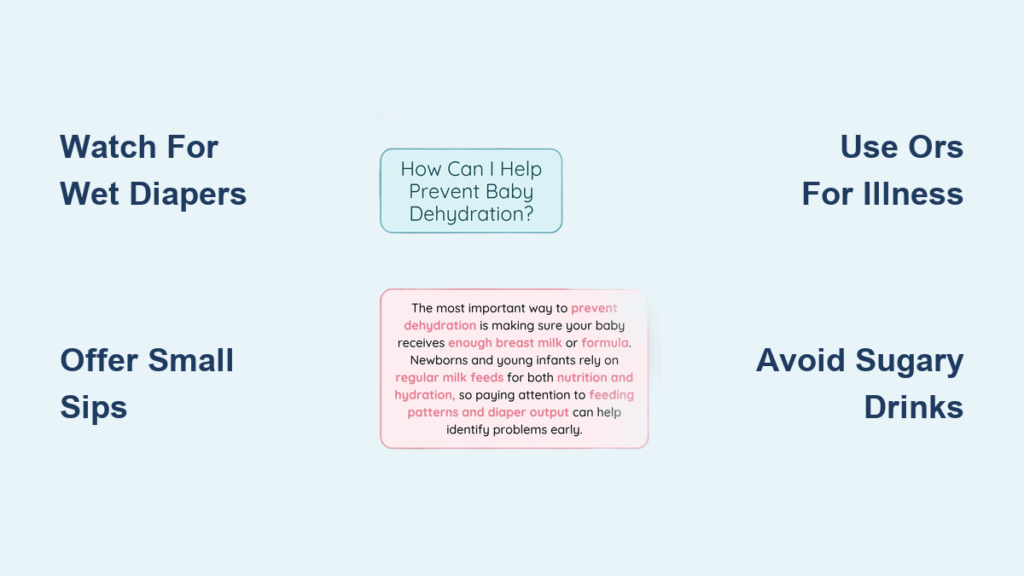
Dehydration in babies is a serious but preventable condition. When a baby loses more fluids than they take in—especially during illness, hot weather, or feeding difficulties—their body can’t function properly. Infants are far more vulnerable to dehydration than adults because they have smaller bodies, higher water turnover, and can’t communicate thirst or get fluids on their own. Even mild dehydration can escalate quickly, leading to hospitalization if not caught early.
The good news? Most cases of baby dehydration can be prevented with simple, proactive steps. Whether your baby is fighting a stomach bug, teething, or simply growing through hot summer months, knowing how to maintain proper hydration is essential. This guide will show you exactly how to prevent dehydration in babies, from recognizing early warning signs to choosing the right fluids and adjusting care based on age and illness. You’ll learn what to do before symptoms appear, how to respond at the first sign of trouble, and when to seek urgent medical help.
Spot Early Signs of Dehydration in Infants
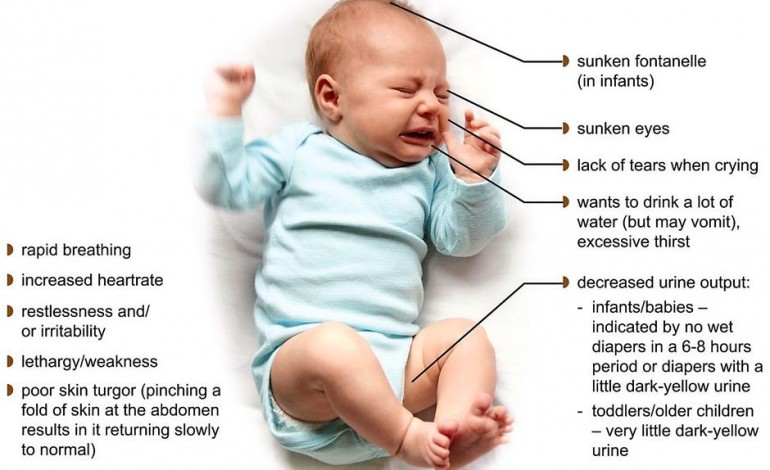
Catching dehydration early can prevent hospital visits. Babies can’t tell you they’re thirsty, so you must watch for physical and behavioral changes that signal fluid loss.
Watch for Subtle Warning Signs
Even mild dehydration shows early clues. If your baby seems unusually fussy or is urinating less—fewer than six wet diapers in 24 hours—it could be the first sign. A dry mouth, lips, or tongue is another red flag. While occasional crankiness is normal, increased irritability or lethargy during illness may mean your baby is losing fluids.
Don’t wait for obvious symptoms. If your baby has vomiting, diarrhea, fever, or a sore throat, start offering extra fluids right away—even if no dehydration signs are visible yet.
Know the Red Flags of Moderate Dehydration
As fluid loss increases, symptoms become more severe. Your baby may become less active, unusually sleepy, or hard to wake. Cool hands and feet, along with darker urine or no wet diaper for over six hours, indicate moderate dehydration.
Sunken eyes or a sunken soft spot (fontanelle) on the head are serious warning signs. These mean your baby needs immediate medical attention. At this stage, home care alone is not enough.
Keep Fluids Flowing During Illness
Illness is the top cause of dehydration in babies. Viruses like gastroenteritis cause vomiting and diarrhea, while respiratory infections can make swallowing painful. Staying ahead of fluid loss is key.
Offer Small, Frequent Sips of Fluid
When sick, a baby’s stomach may reject large feeds. Instead of full bottles or long nursing sessions, give 1–2 mL of fluid every few minutes using a medicine syringe. Aim for 5 mL every five minutes while your baby is awake.
This method reduces vomiting risk and ensures steady hydration. Continue breastfeeding or formula feeding—but in smaller, more frequent amounts.
Use Oral Rehydration Solutions (ORS) for Vomiting or Diarrhea
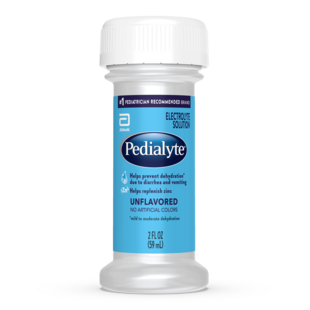
For babies over six months with vomiting or diarrhea, oral rehydration solutions (ORS) are the best choice. ORS contains the right balance of salts and sugars to help the body absorb fluids quickly. You can find ORS in liquid form or as icy poles at pharmacies and supermarkets.
If your baby resists the taste, mix a small amount with breastmilk or water. Avoid sports drinks, lemonade, or juice—high sugar levels can worsen diarrhea and delay recovery.
Adjust Hydration by Baby’s Age
Hydration needs change as your baby grows. What works for a newborn won’t work for a one-year-old. Tailoring your approach by age improves prevention.
Newborns (0–6 Months): Stick to Breastmilk or Formula
Babies under six months get all the fluids they need from breastmilk or formula. Do not give water—it can interfere with nutrient absorption and cause water intoxication, a dangerous condition.
If your newborn shows any dehydration signs—fewer wet diapers, dry mouth, or lethargy—seek medical help immediately. Their condition can worsen within hours.
Older Infants (6–12 Months): Add Water and ORS
Once your baby starts solids, offer small sips of water—especially in hot weather or when ill. Around 2–4 ounces (60–120 mL) per day is safe, but increase if they’re sick.
If vomiting or diarrhea occurs, switch to ORS for 12–24 hours. Continue breastmilk or formula, but use ORS to replace lost electrolytes.
Prevent Dehydration in Hot Weather
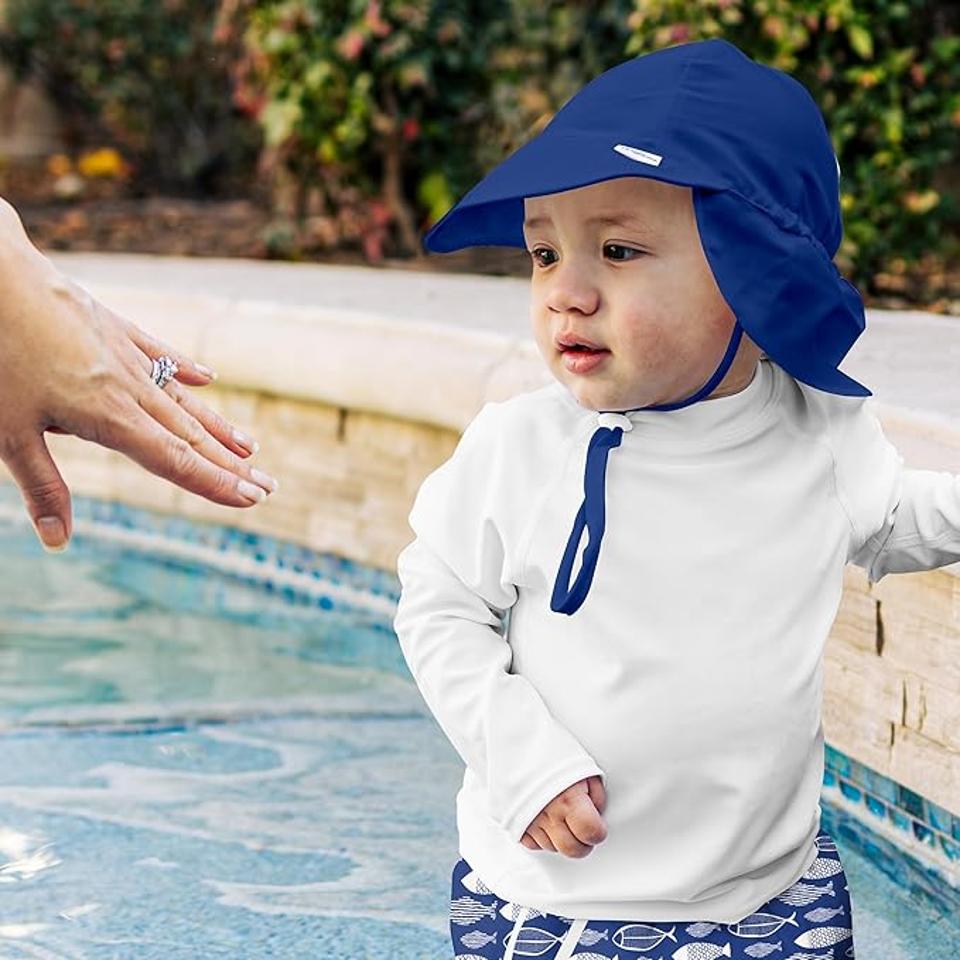
Heat increases fluid loss through sweating. Babies can’t regulate body temperature well, making them prone to overheating and dehydration—even indoors.
Keep Babies Cool and Hydrated in Summer
On hot days or when the UV index is 3 or higher, dress your baby in lightweight, breathable clothing and a wide-brimmed hat. Use SPF 50+ sunscreen on exposed skin if they’re over six months.
Offer extra breastfeeds or formula. For babies over six months, give small sips of water between feeds. Never leave a baby in a parked car—even for a minute.
Watch for Heat-Related Dehydration Symptoms
If your baby is fussy, flushed, or breathing rapidly in heat, move them to a cool place and offer fluids. If they stop sweating, feel cold and clammy, or become drowsy, seek emergency help. These could be signs of severe dehydration or heatstroke.
Help Babies Drink When Illness Causes Pain

Some illnesses make drinking painful. Hand, foot and mouth disease, tonsillitis, or mouth sores can cause babies to refuse fluids. Preventing dehydration means making drinking easier.
Soothe Mouth Pain Before Feeding
If your baby has a sore throat or mouth ulcers, give infant paracetamol (acetaminophen) before feeding. This reduces pain and makes swallowing easier.
Offer cool or semi-frozen fluids—chilled breastmilk, cold ORS icy poles, or frozen yogurt. These numb the mouth slightly and are often easier to tolerate.
Try Different Feeding Tools for Painful Sores
Use a sippy cup, straw, or medicine syringe to help your baby drink without pain. Let them control the pace. Some babies nurse more comfortably than bottle-feed when in pain.
Avoid citrus, salty, or spicy foods that can irritate sores. Stick to bland, soft foods like mashed bananas or applesauce if they’re eating solids.
Avoid Drinks That Worsen Dehydration
Not all fluids help. Some can actually make dehydration worse—especially in sick babies.
Skip Sugary Juices and Sports Drinks
Lemonade, ginger ale, fruit juice, and sports drinks are high in sugar. These can pull water into the intestines, worsening diarrhea and slowing rehydration.
While better than no fluid, they should never be the main choice. Stick to water, breastmilk, formula, or ORS.
Never Give Caffeinated or Carbonated Drinks
These are unsafe for babies. Caffeine can cause jitteriness and increase fluid loss. Carbonation may lead to bloating and discomfort. Keep these drinks completely out of reach.
Know When to Seek Medical Help
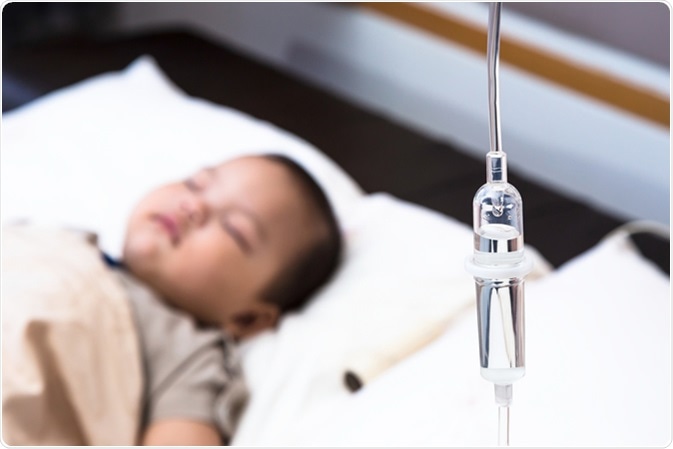
Prevention includes knowing when home care isn’t enough. Some babies need medical support to rehydrate safely.
Go to Emergency Care for Severe Symptoms
Call 000 or go to the nearest hospital if your baby has:
• Cold, mottled (blotchy) skin
• Sunken eyes or fontanelle
• Lethargy or difficulty waking
• Blueish or grey skin tone
• Trouble breathing
These are signs of severe dehydration, which can be life-threatening without IV fluids or nasogastric rehydration.
See a Doctor If:
• Your baby is under six months and shows any dehydration signs
• They have a chronic condition like heart or kidney disease
• They’re on medications like diuretics
• Symptoms don’t improve after 24 hours of home care
• They can’t keep any fluids down for several hours
Early medical care can prevent hospitalization.
Build Daily Hydration Habits to Prevent Dehydration
Prevention isn’t just for sick days. Building healthy routines every day reduces risk.
Follow Age-Appropriate Daily Fluid Guidelines
• 0–6 months: 0.7L/day from breastmilk or formula (no water)
• 7–12 months: 0.8L/day from milk, food, and small water amounts
• 1–3 years: ~1L/day (4 cups) from all fluids
Encourage regular drinking, especially before, during, and after play or outdoor time.
Create a Hydration-Friendly Environment
Keep a bottle or sippy cup handy. Offer breastfeeds on demand. On hot days, increase feeding frequency. Use visual cues—like a chart or timer—to remind yourself to offer fluids, especially if your baby is busy or distracted.
Key Takeaways for Preventing Baby Dehydration
Preventing dehydration in babies comes down to vigilance, preparation, and quick action. By recognizing early signs, offering the right fluids in the right way, and adjusting care for age and illness, you can protect your baby from a dangerous but avoidable condition. Stay proactive—especially during sickness and hot weather—and always trust your instincts. If something feels off, seek medical advice early. With the right habits, your baby can stay hydrated, comfortable, and thriving.
Frequently Asked Questions About Preventing Dehydration in Babies
What are the first signs of dehydration in babies?
Early signs include fewer than six wet diapers in 24 hours, dry mouth or lips, increased fussiness, and less energy than usual. If your baby is sick and drinking less, start offering extra fluids right away.
Can I give my baby water to prevent dehydration?
Babies under six months should not drink water—it can interfere with nutrient absorption and cause water intoxication. For babies over six months, small sips of water are safe, especially in hot weather or when ill.
What is the best fluid to prevent dehydration in sick babies?
For babies over six months with vomiting or diarrhea, oral rehydration solution (ORS) is the best choice. For younger babies, continue breastmilk or formula in small, frequent amounts.
How much fluid should a baby drink when sick?
Aim for 5 mL every five minutes while awake. Use a medicine syringe if needed. For older infants, offer up to half a cup (100 mL) per hour. The goal is to replace lost fluids without overwhelming the stomach.
Can teething cause dehydration?
Teething itself doesn’t cause dehydration, but if your baby refuses fluids due to sore gums, they may become dehydrated. Offer cool fluids or a chilled teething ring to soothe discomfort and encourage drinking.
When should I take my baby to the doctor for dehydration?
Take your baby to a doctor if they’re under six months and show any dehydration signs, can’t keep fluids down, or don’t improve within 24 hours. Seek emergency care for sunken eyes, lethargy, or trouble breathing.





