
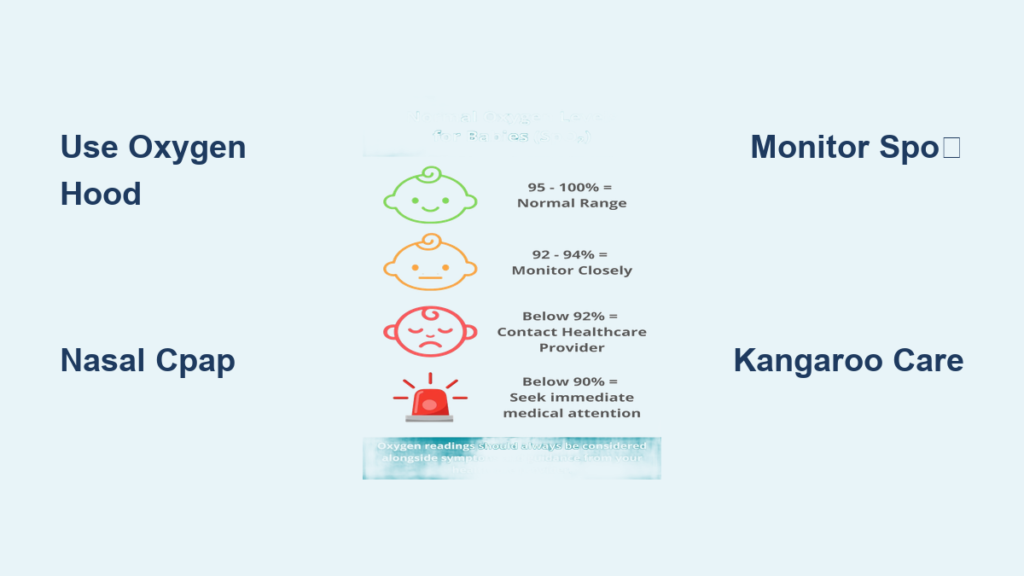
Low oxygen levels in babies—especially newborns and premature infants—can lead to serious health complications. When a baby’s blood oxygen saturation (SpO₂) drops below safe levels, it can impair organ development, reduce energy production, and even cause long-term damage to the brain or eyes. Fortunately, medical science offers effective ways to increase and stabilize baby oxygen levels using targeted oxygen delivery methods, precise monitoring, and clinical interventions. Whether your baby is in the NICU or receiving care at home, understanding how to safely boost oxygen levels is crucial.
This guide explains the most effective, evidence-based strategies for increasing baby oxygen levels, including oxygen therapy options, target saturation ranges, and emergency response steps. You’ll learn how healthcare providers manage oxygen delivery, what parents should watch for, and when to seek help. From nasal cannulas to ventilators, and from pulse oximetry to positioning techniques, this article covers everything you need to know to support your baby’s respiratory health.
Choose the Right Oxygen Delivery Method for Your Baby’s Needs
The method used to increase baby oxygen levels depends on the infant’s ability to breathe independently, gestational age, and underlying condition. Healthcare providers select the least invasive effective option to minimize risks while ensuring adequate oxygenation.
Use an Oxygen Hood for Stable Newborns Needing Mild Support
An oxygen hood delivers warm, humidified oxygen through a clear plastic dome placed over the baby’s head. It’s ideal for babies who are breathing on their own but need slightly more oxygen than room air provides.
- Best for: Term or near-term infants with mild respiratory distress
- Oxygen concentration: Adjustable from 21% to 100%
- Requires: Continuous SpO₂ monitoring
- Key benefit: Non-invasive and allows full access to the body for care
Pro tip: Heated and humidified oxygen prevents airway drying and helps maintain the baby’s body temperature.
Apply Nasal Cannula for Babies Requiring Moderate Oxygen Support
A nasal cannula uses soft prongs inserted into the nostrils to deliver oxygen. It’s commonly used in preterm and term infants recovering from respiratory illness or managing chronic lung disease.
- Flow rates: Typically 0.1 to 2 liters per minute
- Suitable for: Babies who can breathe independently but need supplemental oxygen
- Limitation: Some oxygen escapes around the prongs, reducing effective delivery
Watch for:
– Nasal dryness or cracking
– Nosebleeds or mucus blockages
– Skin irritation from prolonged use
Using humidified oxygen reduces irritation, especially at higher flow rates.
Try Nasal CPAP for Premature Babies With Breathing Challenges
Nasal Continuous Positive Airway Pressure (CPAP) delivers oxygen under gentle pressure through nasal prongs. This pressure keeps the lungs’ air sacs open, improving oxygen exchange.
- Helps prevent: Alveolar collapse (atelectasis), apnea of prematurity
- Used for: Respiratory distress syndrome (RDS), bronchopulmonary dysplasia (BPD)
- Requirement: The baby must be able to initiate breaths
Critical considerations:
– Ensure proper fit to avoid nasal trauma
– Monitor for skin breakdown
– Use heated humidification to protect delicate tissues
CPAP is especially effective in preterm infants with surfactant-deficient lungs.
Use Mechanical Ventilation When Independent Breathing Is Not Possible
When a baby cannot maintain breathing, a mechanical ventilator takes over. An endotracheal tube delivers oxygen directly into the trachea, providing full respiratory support.
- Provides: Controlled oxygen levels, breathing rate, and pressure
- Indicated for: Severe RDS, meconium aspiration, sepsis, congenital diaphragmatic hernia
- Allows: Precise FiO₂ and tidal volume adjustments
Risks include:
– Lung injury from high pressure
– Ventilator-associated infections
– Need for sedation and ICU-level care
Despite risks, mechanical ventilation is often life-saving in critical cases.
Monitor Baby Oxygen Levels Accurately With Pulse Oximetry
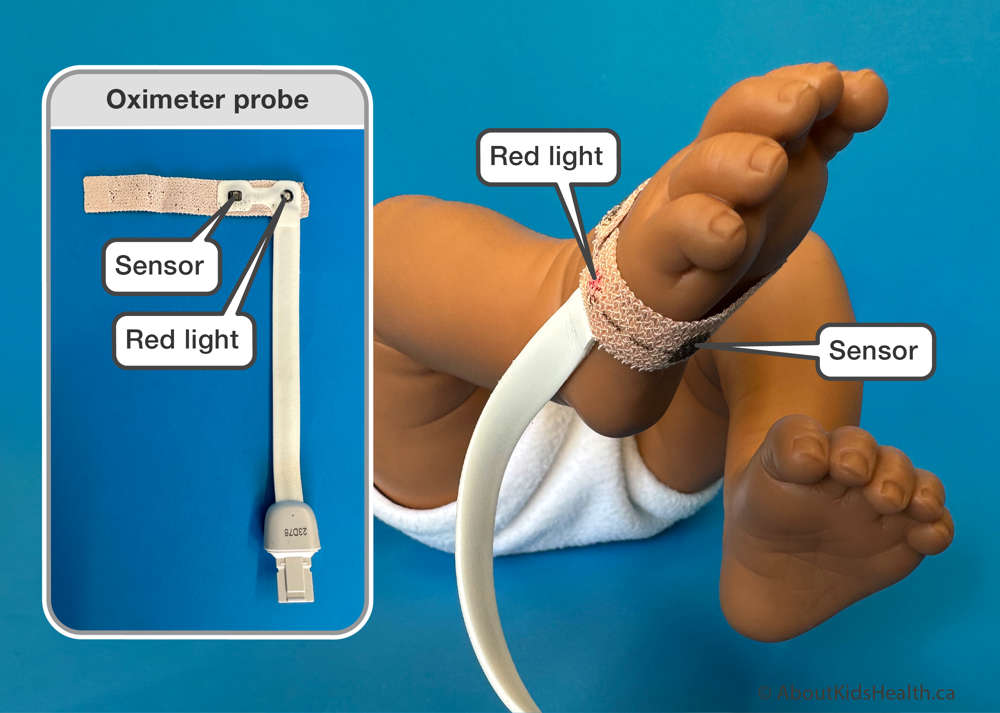
You can’t safely increase oxygen levels without accurate, continuous monitoring. Pulse oximetry measures SpO₂ in real time and is essential for guiding therapy and preventing complications.
Maintain Safe SpO₂ Target Ranges Based on Diagnosis
The goal is not maximum oxygen—but the right amount for the baby’s condition.
- Standard target: 91–95% for most preterm and term infants
- Bronchiolitis: ≥90%
- Cyanotic heart disease: 75–85% (to prevent pulmonary overcirculation)
- PPHN: May require ≥95% to reduce pulmonary vasoconstriction
Why targets matter:
– Below 90%: Risk of hypoxia and organ damage
– Above 96%: Risk of hyperoxia, lung injury, and retinopathy of prematurity (ROP)
All deviations must be medically ordered and documented.
Prevent Pulse Oximeter Probe Burns in Delicate Skin
Preterm babies are at high risk for skin injury from pulse oximeter probes.
Prevention strategies:
– Rotate probe site every 2 hours
– Check skin under the probe frequently
– Use neonatal-specific settings (<3kg or <3 months)
– Never leave probes in place for extended periods
Warning: Readings between 85–89% are less accurate—a 89% reading may reflect true saturation below 80%.
Compare Pre-Ductal and Post-Ductal Oxygen Levels
Measuring SpO₂ in the right hand (pre-ductal) and foot (post-ductal) helps detect abnormal blood flow.
- Normal difference: <10%
- Significant difference (>10%): Suggests cardiac shunt or PPHN
- Alarms should trigger immediate clinical review
This comparison is critical in cyanotic or unstable neonates.
Respond Immediately to Baby Oxygen Desaturation Episodes
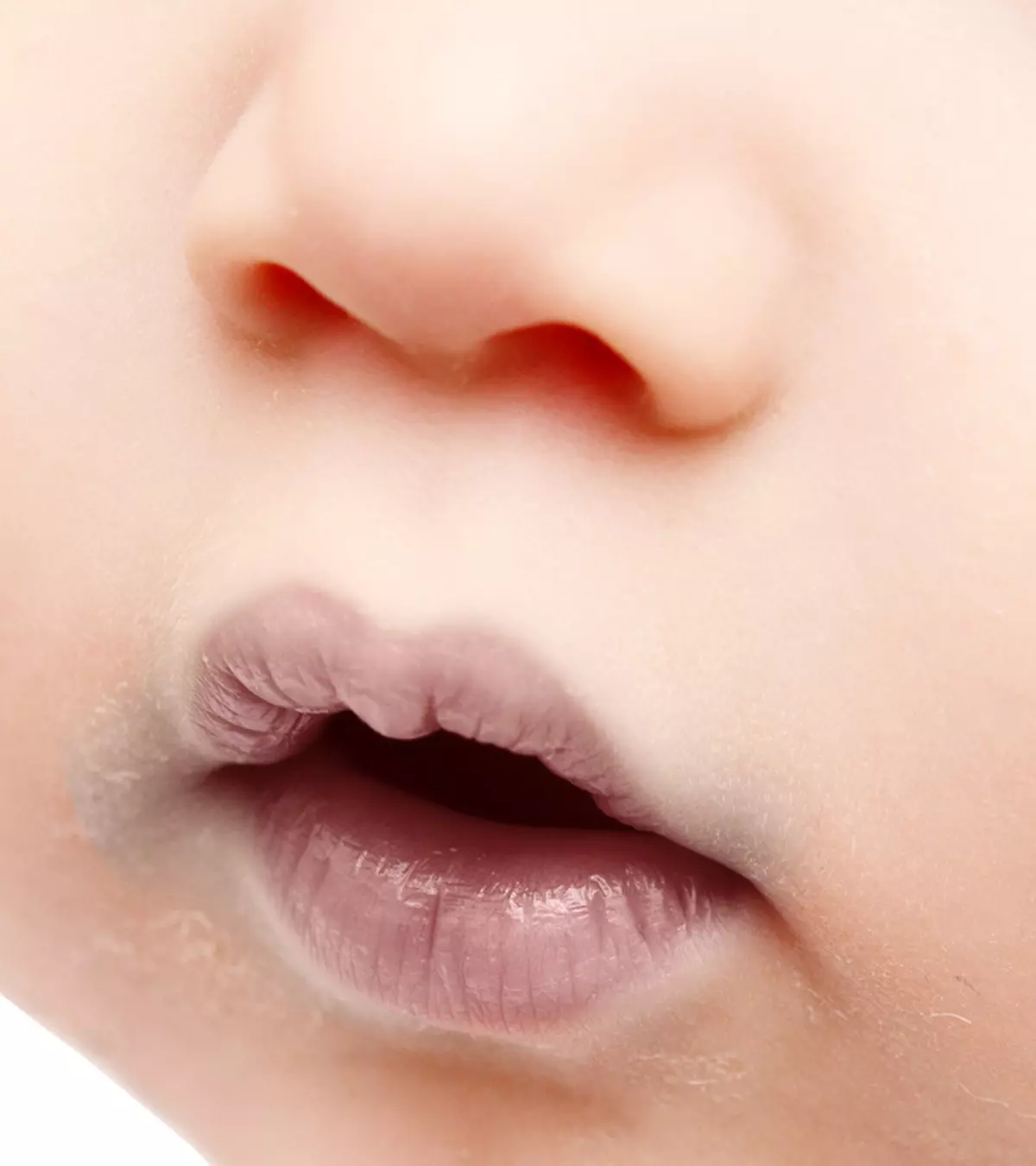
Even healthy preterm babies experience brief oxygen drops. But persistent or severe desaturations require fast action to prevent harm.
Recognize When a Desaturation Requires Emergency Response
Most desaturations last less than 30 seconds and resolve on their own. However, prolonged or severe drops are emergencies.
Red flags:
– SpO₂ <85% lasting over 30 seconds
– Bradycardia (low heart rate)
– Blue or pale skin
– Lethargy or unresponsiveness
Action step: Follow DRSABC protocol:
– Danger – Ensure safety
– Response – Check responsiveness
– Send for help – Call medical team
– Airway – Open with head tilt and chin lift
– Breathing – Assess and assist if needed
– CPR – Begin if no breathing or pulse
Document Every Desaturation Event Thoroughly
All episodes must be recorded for clinical review and pattern recognition.
Include in documentation:
– Lowest SpO₂ and heart rate
– Whether apnea occurred
– Baby’s position and activity
– Interventions performed (e.g., stimulation, suctioning)
This data guides treatment adjustments and helps prevent future events.
Adjust Oxygen Levels Based on Trends, Not Single Readings
Oxygen therapy should be titrated gradually based on sustained trends.
- Increase FiO₂ slowly if saturations are consistently low
- Decrease if SpO₂ is frequently above 96%
- Any increase >10% FiO₂ requires medical review
Never make large adjustments without clinical assessment.
Customize Oxygen Therapy for Special Medical Conditions
Standard oxygen targets don’t apply to all babies. Certain conditions require individualized management to avoid worsening the condition.
Manage Oxygen in Babies With Cyanotic Heart Disease
Infants with duct-dependent or mixed circulation often need lower oxygen levels.
- Target: 75–85%
- Why? High oxygen can cause:
- Pulmonary overcirculation
- Reduced systemic blood flow
- Worsening cyanosis
Important: These babies may look blue, but giving too much oxygen can be dangerous. Targets must be set by cardiology and clearly documented.
Optimize Oxygen in Persistent Pulmonary Hypertension (PPHN)
PPHN causes severe hypoxia due to right-to-left shunting in the lungs.
- Goal: Prevent hypoxia to reduce pulmonary vasoconstriction
- Target: Often ≥95%, sometimes with inhaled nitric oxide
- Monitoring: Pre- and post-ductal SpO₂ comparison is essential
Risk factors: Meconium aspiration, sepsis, asphyxia, RDS, CDH
Early recognition and oxygen optimization are key to preventing deterioration.
Support Babies With Bronchopulmonary Dysplasia (BPD)
BPD, or chronic lung disease, affects preterm infants after prolonged oxygen or ventilator use.
- Often need long-term oxygen at home
- Target SpO₂: 91–95%
- Focus: Use the lowest effective FiO₂ to prevent further lung damage
Prevention tip: Minimize oxygen exposure while maintaining safe saturation.
Prevent Complications From Oxygen Therapy
While oxygen is life-saving, both too little and too much can cause harm. Careful management reduces long-term risks.
Prevent Retinopathy of Prematurity (ROP)
ROP is a leading cause of blindness in preterm infants and is strongly linked to excessive oxygen exposure.
- Most common in babies <30 weeks or <1,500g
- Prevention: Strict adherence to 91–95% SpO₂ targets
- Requires: Regular eye exams by ophthalmology
Key fact: Hyperoxia in the first weeks of life significantly increases ROP risk.
Avoid Lung Damage From High Oxygen Concentrations
Prolonged high oxygen exposure causes inflammation and oxidative stress in developing lungs.
- Seen in: Preterm infants on long-term oxygen or ventilators
- Outcome: Can contribute to BPD
Always use the lowest effective oxygen level to meet saturation goals.
Reduce Risk of Necrotizing Enterocolitis (NEC)
While not directly caused by oxygen, bowel ischemia from hypoxia increases NEC risk.
- Hypoxia reduces gut perfusion
- Stable SpO₂ helps protect multiple organs
Maintaining consistent oxygenation supports overall organ health.
Improve Oxygenation With Non-Oxygen Support Strategies

Sometimes, better oxygen levels come from optimizing the baby’s overall condition—not just increasing oxygen.
Position the Baby to Enhance Breathing Efficiency
Proper positioning improves lung expansion and gas exchange.
- Semi-upright or prone positioning (with monitoring) can improve ventilation
- Avoid neck flexion that blocks the airway
- Use positioning aids in incubators as needed
Always follow NICU protocols—some positions are unsafe for certain conditions.
Use Skin-to-Skin Care (Kangaroo Care) to Stabilize Oxygen Levels
Kangaroo care helps regulate breathing, heart rate, and oxygen saturation.
- Benefits:
- Reduces apnea and desaturations
- Improves temperature control
- Enhances bonding and comfort
- Safe for many babies on low-flow oxygen or CPAP
Pro tip: Coordinate with staff to ensure monitoring continues during skin-to-skin.
Control Pain and Discomfort to Reduce Oxygen Demand
Pain increases stress and oxygen consumption, triggering desaturations.
- Assess pain using tools like the N-PASS scale
- Provide prescribed analgesia (e.g., sucrose, morphine)
- Minimize painful procedures when possible
A calm baby breathes more steadily and uses less oxygen.
Know When to Seek Emergency Help for Low Oxygen
Parents play a vital role in recognizing warning signs, especially at home.
Watch for Danger Signs in Babies on Home Oxygen
If your baby is on home oxygen, monitor for:
– Persistent bluish skin (lips, face, hands)
– Rapid or labored breathing (grunting, flaring, retractions)
– Frequent desaturations on the monitor
– Lethargy or poor feeding
Action: Contact your provider immediately or go to the ER.
Follow Home Oxygen Safety Guidelines
When using oxygen at home:
– Keep away from flames or heat
– Use only prescribed equipment
– Check batteries and backup systems daily
– Attend all follow-up appointments
Never adjust oxygen flow without medical advice.
Frequently Asked Questions About Increasing Baby Oxygen Levels
What is a safe oxygen level for a newborn?
A safe SpO₂ range for most newborns is 91–95%. For babies with bronchiolitis, ≥90% is acceptable. Those with cyanotic heart disease may need lower targets (75–85%) to avoid complications. Always follow the medical team’s prescribed range.
How do doctors increase oxygen levels in babies?
Doctors use methods like oxygen hoods, nasal cannulas, CPAP, or mechanical ventilation. The choice depends on the baby’s ability to breathe and underlying condition. Oxygen is carefully titrated and monitored to stay within safe limits.
Can too much oxygen hurt a baby?
Yes. Excessive oxygen (hyperoxia) can cause retinopathy of prematurity (ROP), lung damage, and worsen certain heart conditions. That’s why oxygen is treated as a medication—with precise dosing and monitoring.
What should I do if my baby’s oxygen monitor alarms?
First, check your baby’s color, breathing, and responsiveness. If they appear blue, pale, or unresponsive, call for help and begin emergency steps (DRSABC). For brief alarms, stimulation may help. Always report frequent alarms to your healthcare provider.
How long do babies need oxygen therapy?
It depends on the condition. Premature infants with RDS may need oxygen for days to weeks. Babies with BPD may require it for months. Most babies wean off oxygen as their lungs mature, under medical supervision.
Can skin-to-skin care improve baby oxygen levels?
Yes. Kangaroo care stabilizes heart rate, breathing, and SpO₂. It reduces apnea and desaturations, especially in preterm infants. It’s safe for many babies on low-level oxygen support when monitored.
Key Takeaways for Managing Baby Oxygen Levels
Maintaining safe baby oxygen levels requires a balance—too little causes hypoxia and organ damage; too much risks lung injury, blindness, and heart complications. The safest approach combines precise oxygen delivery (via hood, cannula, CPAP, or ventilator), continuous SpO₂ monitoring, and individualized targets based on diagnosis. For conditions like PPHN, cyanotic heart disease, or BPD, oxygen goals differ and must be medically supervised.
Parents play a vital role by watching for warning signs, practicing safe home care, and communicating with the medical team. With proper management, most babies stabilize and gradually wean off oxygen as their lungs and heart mature.
Remember: Oxygen is medicine—use it wisely, monitor it closely, and always follow clinical guidance.





