
Babies love their soft, cozy blankets—but those frequent snuggles come with spills, drool, and messes. Knowing how to clean baby blanket properly is essential to keep it safe, fresh, and gentle on delicate skin. Whether it’s a store-bought fleece, handmade knitted heirloom, or merino wool keepsake, each fabric type needs a specific care method. This guide walks you through every step—from checking labels and identifying materials to stain removal, washing, drying, and storage—so you never risk shrinking, fading, or damaging your baby’s favorite comfort item.
No guesswork, no stress. Just clear, expert-backed steps to keep baby blankets soft, clean, and long-lasting.
Check the Care Label Before Washing
Always start with the care label—it’s your most reliable guide for safe cleaning.
Why the Care Label Is Your First Step
- Tells you if the blanket is machine washable, hand wash only, or dry clean recommended
- Specifies water temperature, drying method, and detergent restrictions
- Helps prevent shrinkage, pilling, or fiber damage
- If the label is missing, assume it’s delicate—opt for hand washing in cool water with mild soap
What to Do When There’s No Label
- Identify fabric by touch and appearance (see next section)
- Test a hidden corner with water and mild soap to check colorfastness
- When in doubt, hand wash—especially for knitted, wool, or embroidered blankets
Identify the Blanket’s Fabric Type
The cleaning method depends entirely on the material. Here’s how to tell what you’re working with.
Cotton vs. Wool vs. Synthetic: Key Differences
- Cotton: Soft, breathable, usually machine washable. Avoid hot water to prevent shrinking.
- Wool (including Merino): Naturally stain- and odor-resistant. Must be hand washed in cool water.
- Fleece/Polyester: Durable and quick-drying. Machine wash on gentle—avoid high heat.
- Acrylic/Blends: Common in knitted blankets. Sensitive to heat—wash cold or lukewarm.
- Handmade/Knitted: Often cotton-acrylic or wool blends. Hand washing is safest.
Quick Fabric Identification Tips
- Touch and stretch: Wool feels springy and warm; cotton is soft and absorbent; fleece is plush and static-prone
- Check for tags or packaging: If it’s a gift, the yarn band may still be attached
- Look for texture: Garter stitch knits are durable; loose weaves need extra care
Pre-Treat Stains the Right Way
Spot cleaning extends time between full washes and protects fabric integrity.
Safe Stain Removal Steps
- Blot (don’t rub) fresh spills with a clean, damp cloth
- Apply a small amount of mild, fragrance-free detergent (like All Free & Clear)
- Gently dab the area with a soft cloth or sponge
- Rinse with cool water using a spray bottle or damp towel
- Air dry flat before full washing
Handling Tough or Dingy Stains
- Old or set-in stains: Soak in hot water with OxiClean before washing
- Yellowed fleece: Use a vinegar and baking soda wash cycle
- Merino wool: Rarely needs stain treatment—natural oils repel messes
Never use bleach or fabric softener—they damage fibers and irritate baby’s skin.
Choose a Baby-Safe Detergent
The wrong detergent can cause rashes or ruin softness.
Best Detergents for Baby Blankets
- All Free & Clear: Hypoallergenic, no dyes or fragrances
- Eucalan or Soak: Wool-safe, no-rinse formulas for hand washing
- Seventh Generation Free & Clear: Plant-based, gentle on sensitive skin
What to Avoid
- Bleach: Weakens fibers and causes discoloration
- Fabric softeners: Coat fibers, reduce absorbency, and irritate skin
- Woolite: Contains additives that can damage wool and acrylic blends
Machine Wash Cotton and Fleece Blankets
Cotton and fleece can usually go in the washer—if done correctly.
Step-by-Step Machine Wash
- Turn blanket inside out to protect texture
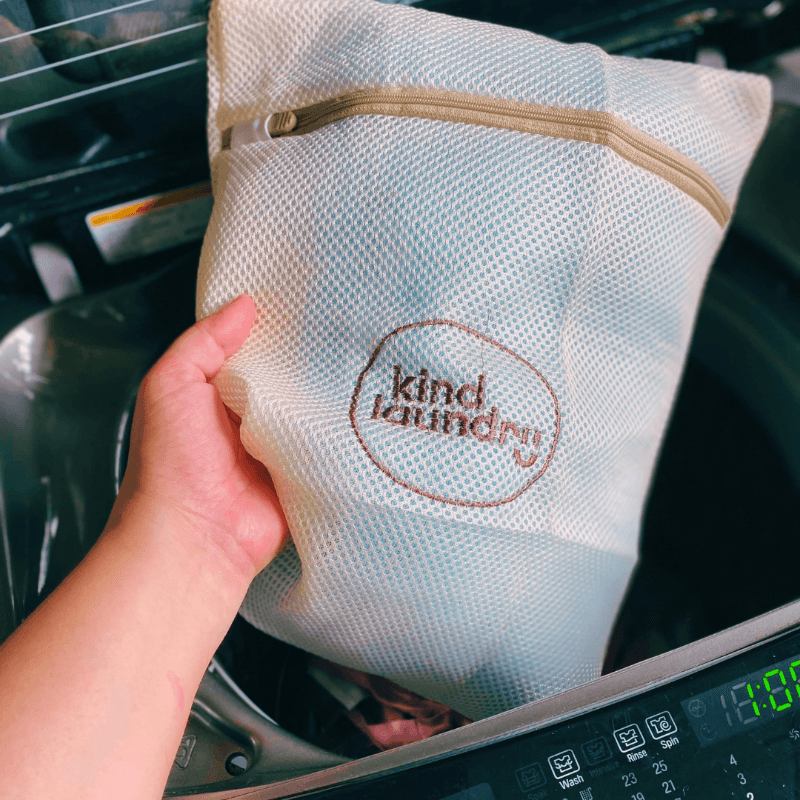
- Place in a large mesh laundry bag (24” x 24”) or zippered pillowcase
- Use cold or lukewarm water setting
- Select gentle or delicate cycle
- Set high water level for full agitation
- Add mild baby detergent—no softener
- Wash with similar colors (especially reds and pinks—color bleed is common)
When to Use a Laundry Bag
- Knitted blankets
- Fleece with loose fibers
- Items with embroidery or pom-poms
- Prevents tangling and reduces agitation stress
Hand Wash Wool and Delicate Knits
Wool, merino, and handmade knits require hand washing to last.
How to Hand Wash a Baby Blanket
- Fill sink with cool or lukewarm water
- Add a spoonful of mild baby soap or wool-safe detergent
- Submerge blanket fully—press down gently to saturate
- Soak 5–10 minutes (longer for soiled areas)
- Swish gently—don’t scrub or twist
- Drain and rinse with clean cool water until no suds remain
- Press out water—never wring
- Roll in a dry towel like a burrito; squeeze to remove moisture
- Lay flat to dry on a rack or clean towel
Pro Tip: Merino wool dries fast—often in 2–4 hours—thanks to natural wicking.
Dry Without Shrinking or Stretching
Improper drying ruins shape, texture, and fit.
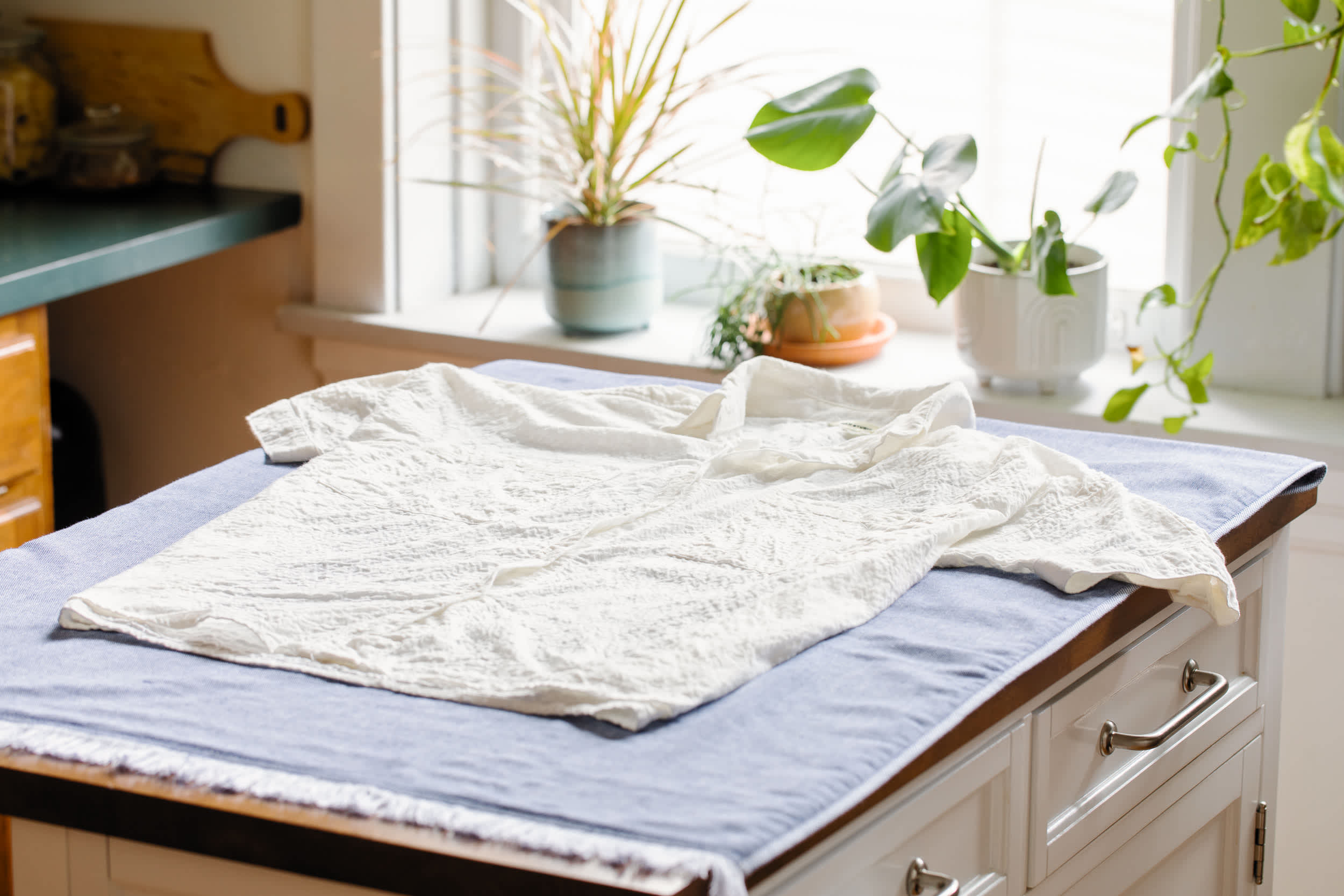
Air Dry Flat (Best Method)
- Lay on a clean, dry towel or mesh drying rack
- Reshape while damp—smooth edges and corners
- Keep out of direct sunlight (fades colors, weakens fibers)
- Flip halfway through for even drying
- Never hang knits or wool—gravity stretches them out of shape
Tumble Dry on Low (If Label Allows)
- Use only 5–10 minutes on low heat to fluff fibers
- Remove while still slightly damp and finish air drying
- High heat causes shrinkage, especially in acrylic and cotton blends
Protect Embroidery, Pom-Poms, and Knit Edges
Special features need extra care to avoid damage.
Washing Embroidered Blankets
- Turn inside out before washing
- Use a mesh bag or pillowcase
- Avoid high agitation and hot water
- Hand wash if threads look loose
Caring for Knitted or Crocheted Edges
- Don’t pull on loose loops—gently push them back with a crochet hook
- Never cut snags—they can unravel
- Hand washing prevents edge distortion
Deep Clean Dingy or Heavily Soiled Blankets
Regular washing doesn’t always remove grime buildup—especially in plush fleece.
OxiClean Soak Method
- Fill tub with hot water
- Add one large scoop of OxiClean
- Soak blanket 1–2 hours
- Wash in machine with All Free & Clear
- Air dry in sun—natural UV light brightens fabric
Vinegar + Baking Soda Cycle
- First wash: Hot water + 1 cup white vinegar
- Second wash: Hot water + 1 cup baking soda
- No detergent needed in either cycle
- Sun dry for fresher results
Note: Do not mix vinegar and baking soda in the same cycle—they neutralize each other.
Store Clean Blankets to Prevent Damage
How you store a blanket affects its lifespan and freshness.
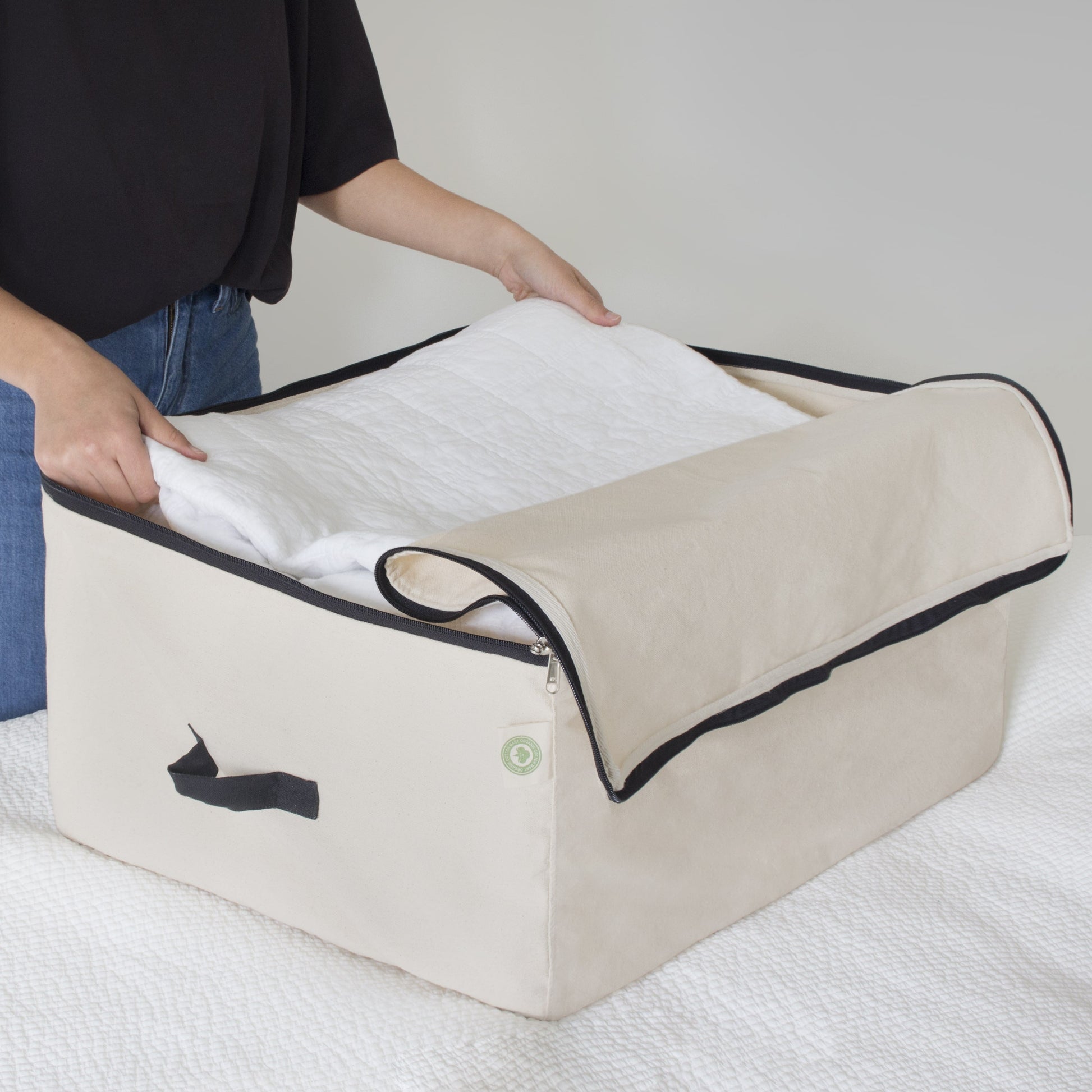
Best Storage Practices
- Fold neatly—never hang long-term
- Use breathable cotton storage bags (not plastic)
- Keep in a cool, dry place away from sunlight
- Add cedar blocks (not mothballs) to deter pests
- For wool: Store folded in a dry drawer or shelf
Avoid plastic bins—they trap moisture and encourage mildew.
Wash Only When Necessary
Overwashing wears out fibers and fades colors.
How Often to Wash Baby Blankets
- Daily-use blanket: Every 1–2 weeks
- Spill or drool: Spot clean first
- Merino wool: Every few months (naturally odor-resistant)
- Heirloom or decorative: Only when visibly soiled
Signs It’s Time to Wash
- Visible stains or spills
- Milk or food residue
- Lingering odor after airing out
- After being used outside or by multiple children
Avoid Common Washing Mistakes
These errors can ruin softness, shape, and safety.
Top 5 Mistakes to Avoid
- Wringing out wet blankets: Stretches and damages fibers
- Using hot water on acrylic or wool: Causes shrinkage and felting
- Skipping the laundry bag: Increases wear on delicate knits
- Hanging to dry: Stretches knits and warps wool
- Ignoring color bleed: Reds and pinks can stain whites—wash separately
Expert Note: “Don’t worry about unraveling—the yarn won’t come undone from normal washing.” — lizzy23
Care for Specific Blanket Types
Tailor your method to the material for best results.
Merino Wool Blankets
- Hand wash in cool water with mild soap
- Rinse thoroughly, press out water, lay flat
- Dries in 2–4 hours due to natural wicking
- Wash only when needed—resists stains and odors
Cotton-Acrylic Knits
- Hand wash in lukewarm water
- Use Eucalan or Soak—avoid Woolite
- Lay flat to dry—never hang
- Avoid hot water to protect acrylic fibers
Thick Plush or Fleece
- Machine wash on gentle with cold water
- Use OxiClean soak for dingy appearance
- Sun dry to restore fluff and brightness
- Avoid fabric softener—it clogs fibers
Personalized or Handmade Blankets
- Often made from pre-washed combed cotton
- Hand wash to preserve embroidery or name details
- Include care instructions when gifting (attach yarn label)
Follow a Complete Care Routine
Use this checklist to keep every wash safe and effective.
Pre-Wash Checklist
- [ ] Check care label
- [ ] Identify fabric type
- [ ] Inspect for stains or damage
- [ ] Pre-treat stains if needed
- [ ] Choose correct detergent
Wash & Dry Checklist
- [ ] Use cold or lukewarm water
- [ ] Select gentle cycle or hand wash
- [ ] Use mesh bag for protection
- [ ] Wash with similar colors
- [ ] Air dry flat or tumble dry low
- [ ] Reshape while damp
Storage & Maintenance
- [ ] Fold—don’t hang
- [ ] Store in breathable bag
- [ ] Keep away from sun and moisture
- [ ] Spot clean between washes
- [ ] Handle snags gently—don’t cut
Frequently Asked Questions About Cleaning Baby Blankets
Can I machine wash a handmade baby blanket?
Yes, if it’s cotton or acrylic and the label allows. Use a mesh laundry bag, cold water, and gentle cycle. For wool or delicate knits, hand washing is safer.
How do I wash a merino wool baby blanket?
Hand wash in cool water with mild soap. Gently press out water, roll in a towel to remove moisture, then lay flat to dry. Wash only when necessary—merino resists odors and stains.
Why did my baby blanket shrink in the wash?
Shrinkage happens when hot water or high heat is used—especially on wool, cotton, or acrylic blends. Always use cold or lukewarm water and air dry flat.
Can I use fabric softener on baby blankets?
No. Fabric softener coats fibers, reduces absorbency, and can irritate sensitive skin. Use wool-safe detergents like Eucalan instead.
How do I remove color bleed from a baby blanket?
Wash red or pink blankets separately. If bleeding occurs, soak in cold water with vinegar. For future washes, use color-catcher sheets and wash similar colors together.
Is it safe to sun dry a baby blanket?
Yes—sun drying naturally brightens and deodorizes fabric. Just avoid prolonged exposure, which can fade colors and weaken fibers. Flip halfway through for even drying.
Key Takeaways for Keeping Baby Blankets Clean and Safe
Cleaning a baby blanket doesn’t have to be stressful. Match your method to the fabric—machine wash cotton and fleece, hand wash wool and knits, and always use gentle, fragrance-free detergents. Avoid hot water, fabric softeners, and hanging to dry. Spot clean when possible, deep clean when needed, and store properly to extend its life.
With the right care, a well-loved baby blanket can stay soft, safe, and snuggly for years—becoming a cherished keepsake instead of a laundry casualty.





