
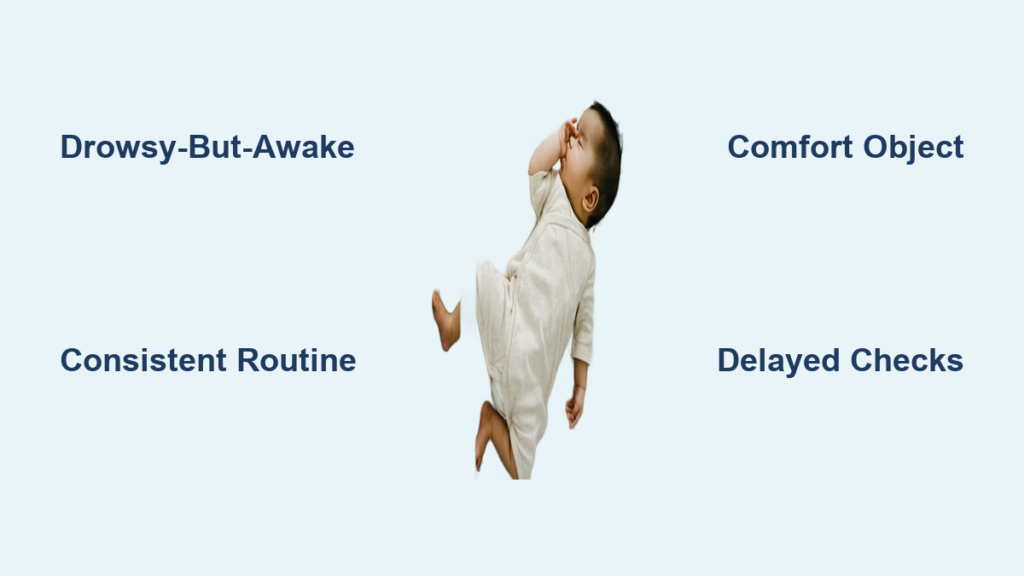
If you’re wondering how do babies self soothe, you’re not alone. Most newborns rely entirely on caregivers to fall asleep, but over time, they can learn to calm themselves and return to sleep independently. The journey begins around 4 to 6 months, when babies start developing the physical and emotional capacity to self-soothe. This skill doesn’t appear overnight—it’s built through consistent routines, a calming environment, and opportunities to practice falling asleep on their own.
Understanding how do babies self soothe empowers parents to support healthy sleep habits without frustration or confusion. In this guide, you’ll learn the signs your baby is starting to self-soothe, proven techniques to encourage the skill, and how to navigate common challenges like night wakings and sleep regressions. With realistic expectations and gentle strategies, you can help your baby—and yourself—get more restful sleep.
Signs Your Baby Is Learning to Self-Soothe
Calms Down After Brief Crying
One of the earliest signs of self-soothing is when your baby wakes, makes soft noises or fusses for a short time, then settles back to sleep without intervention. Instead of escalating into full crying, they may coo, sigh, or shift positions. This shows they’re beginning to regulate their emotions and transition between sleep cycles independently.
Skips Night Feeds and Settles Alone
After 6 months, many babies no longer need nighttime calories but continue waking out of habit. When your baby starts skipping feeds and returns to sleep without feeding, it’s a strong sign they’re relying on internal comfort rather than external help. This shift often coincides with improved sleep continuity.
Uses Natural Soothing Behaviors
Watch for repetitive actions like thumb-sucking, hand-rubbing, face-patting, or snuggling into a blanket. These self-directed behaviors indicate your baby is developing tools to manage discomfort. Some infants stroke their ears or grasp a parent’s clothing—early forms of self-regulation that evolve into independent soothing.
Build a Predictable Bedtime Routine
Start With a Warm Bath
A lukewarm bath 20–30 minutes before bed helps signal sleep is coming. The slight drop in body temperature afterward mimics natural circadian rhythms, making your baby drowsy. Keep the experience calm—no splashing or energetic play—and dim the lights to reinforce relaxation.
Add Gentle Massage or Lullabies
After bathing, give your baby a light massage using safe baby lotion. Focus on slow, rhythmic strokes on arms, legs, and back. Pair this with soft music or a familiar lullaby. Repeating the same song or story nightly builds a strong mental link between these cues and sleep.
Stick to the Same Sequence Every Night
Whether it’s bath → massage → pajamas → book → lullaby → crib, follow the same order consistently. Even during travel or busy days, try to maintain the flow. Predictability helps your baby anticipate what comes next, reducing anxiety and preparing their mind for sleep.
Create a Sleep-Friendly Environment
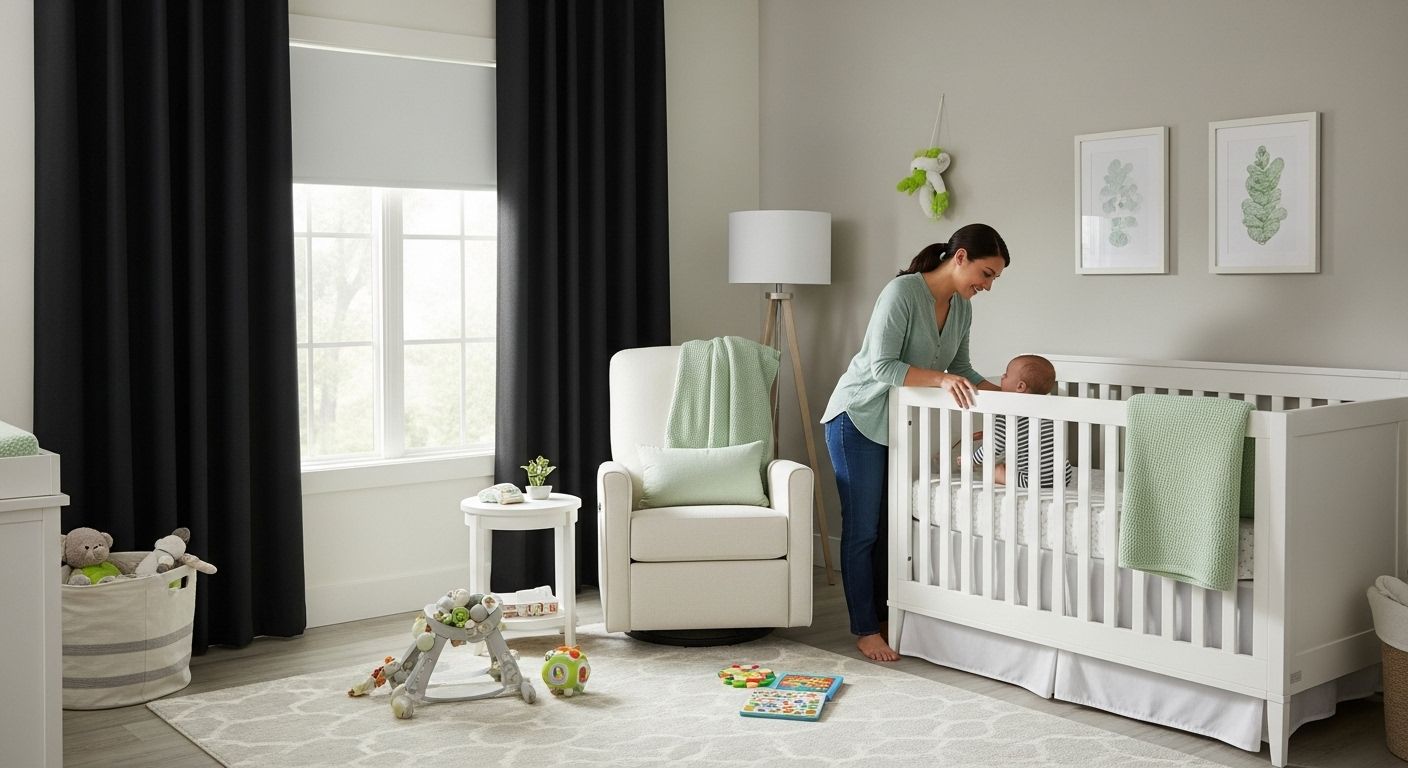
Keep the Room Dark and Quiet
Light suppresses melatonin, the hormone that regulates sleep. Use blackout curtains to block early morning sun or streetlights. During night wakings, avoid turning on bright lights—use a dim nightlight if needed. A calm, dark space supports deeper, more restful sleep.
Use White Noise Strategically
White noise machines or apps can mask disruptive sounds like barking dogs or creaking floors. Place the device away from the crib and set it to a low, steady volume (under 50 decibels). Choose non-musical sounds like rain, fan noise, or static—melodies can be stimulating and delay sleep.
Remove Stimulating Objects
Toys, mobiles, and decorative crib bumpers may seem comforting but can distract your baby when trying to fall asleep. The crib should be minimal and safe: just a fitted sheet and, after 6 months, a small lovey. This helps your baby associate the crib with sleep, not play.
Practice the Drowsy-But-Awake Method

Time the Routine to Early Sleep Cues
Begin the bedtime routine when your baby shows early signs of tiredness—yawning, rubbing eyes, or staring blankly. Don’t wait until they’re overtired, as this increases cortisol and makes self-soothing harder. Start 30–45 minutes before your target bedtime.
Place Baby in Crib While Still Awake
After completing the routine, lay your baby down while drowsy but not fully asleep. They should be calm, blinking slowly, but still aware. This gives them the chance to practice falling asleep without rocking, feeding, or being held—a critical step in learning how do babies self soothe.
Allow Time to Settle Before Intervening
When you put your baby down, step back and wait. It’s normal for them to fuss or cry briefly. Give them 2–5 minutes to settle on their own before offering comfort. Many babies will quiet down and drift off if given the space to try.
Introduce a Comfort Object at 6 Months

Choose a Safe Lovey or Blanket
Around 6 months, when the risk of SIDS significantly decreases, you can introduce a small comfort item. Opt for a washable, breathable lovey or lightweight blanket. Avoid items with buttons, ribbons, or loose fabric that could pose a choking hazard.
Use It Consistently in the Routine
Incorporate the lovey into bedtime rituals. Let your baby hold it during lullabies or storytime. You can even sleep with it for a night so it carries your scent, increasing familiarity and emotional security.
Watch for Attachment Signs
Some babies immediately hug or pat their lovey; others take weeks to show interest. Don’t force it. If your baby begins bringing it to their face or holding it during sleep, it’s becoming a self-soothing tool.
Respond With Calm, Delayed Checks
Wait Before Responding to Night Wakings
When your baby stirs at night, pause for 2–3 minutes before going in. Many babies make noise during light sleep but can settle themselves if not fully awakened by intervention. Waiting gives them a chance to self-soothe.
Use the Check-and-Console Method
If crying continues:
1. Enter quietly after 3–5 minutes
2. Offer a soft pat or whisper, “You’re okay, it’s sleep time”
3. Leave within 30 seconds, even if they’re still crying
4. Gradually increase wait times between checks (5, then 7, then 10 minutes)
This provides reassurance without creating dependency on physical pickup.
Avoid Feeding Unless Medically Necessary
After 6 months, most babies don’t need night feeds for nutrition. If your pediatrician confirms healthy growth, consider phasing out nighttime feedings during sleep training. Offer comfort instead—your voice or touch—so your baby learns to rely on internal soothing.
Handle Common Challenges Calmly
Frequent Night Wakings: Adjust Sleep Timing
Waking every 90 minutes often means your baby is overtired or undertired. Track naps and bedtime to find the sweet spot. Most 6-month-olds need 11–12 hours of nighttime sleep and 2–3 hours of daytime naps. Adjusting timing can dramatically improve self-soothing success.
Resists the Crib: Build Positive Associations
If your baby cries when laid down, let them play in the crib while awake. Place safe toys nearby or read a book while they lie there. This builds positive feelings about the space. Start with short naps—success with 30 minutes builds confidence for longer stretches.
Sleep Regression at 4–6 Months
This common phase occurs as babies hit milestones like rolling, babbling, or sitting. Their brains are active, disrupting sleep. Stick to your routine and avoid reverting to rocking or feeding. Most regressions last 2–6 weeks and pass with consistency.
Know the Developmental Timeline
0–3 Months: No Self-Soothing Expected
Newborns need constant care. Their sleep cycles are short, and they require frequent feeding. Your role is to respond quickly and build trust. This secure foundation actually supports future self-soothing.
4–6 Months: The Ideal Window to Begin
Babies become more predictable, can go longer between feeds, and their sleep cycles mature. This is the prime time to start gentle sleep training and encourage self-soothing using consistent routines and the drowsy-but-awake method.
6–12 Months: Skills Strengthen With Practice
With consistency, most babies improve significantly. They may wake but roll over, suck their thumb, or hug their lovey and fall back asleep. Teething or illness can cause setbacks—be patient and return to routine once resolved.
Avoid Common Mistakes
Inconsistent Responses Confuse Babies
One night you let them cry, the next you rock them to sleep. This sends mixed signals. Pick one approach and stick with it for at least 2–3 weeks. Babies thrive on predictability.
Overstimulation Before Bed Disrupts Sleep
Energetic play, loud noises, or screen time in the hour before bed increase alertness. Switch to quiet, calming activities after dinner. No screens for parents or babies—blue light delays melatonin.
Misreading Sleep Cues Leads to Poor Timing
Waiting too long causes overtiredness; starting too early means your baby isn’t sleepy. Learn your baby’s unique signs—yawning, staring, or fussiness—and track patterns to find the ideal bedtime window.
Key Takeaways for Helping Babies Self-Soothe
Learning how do babies self soothe is a gradual process rooted in routine, environment, and developmental readiness. The most effective strategies include a consistent bedtime routine, a calm sleep space, and opportunities to practice falling asleep independently. Starting around 4 to 6 months, most babies can begin building this skill with gentle, patient support.
Progress takes time—expect 2–6 weeks of consistent effort before seeing real change. Celebrate small wins, like fewer night wakings or longer naps. Remember, every baby is different. Temperament, routine, and environment all play a role. Trust your instincts and adjust as needed. You’re not abandoning your baby—you’re giving them the tools to feel safe and confident, even when alone.
Frequently Asked Questions About How Do Babies Self-Soothe
When do babies start to self-soothe?
Most babies begin developing self-soothing skills between 4 to 6 months. Before this age, they rely on caregivers for sleep. Around 6 months, with consistent routines and a calm environment, many infants start calming themselves and returning to sleep independently.
Can newborns self-soothe?
No, newborns cannot self-soothe. In the first 3 months, babies need frequent feeding, comfort, and help to fall asleep. Their sleep cycles are short and irregular. Self-soothing begins to develop later, once their nervous system matures and sleep patterns stabilize.
What is the drowsy-but-awake method?
The drowsy-but-awake method involves placing your baby in the crib when they are sleepy but still awake. This allows them to practice falling asleep without rocking or feeding. It’s a core technique for teaching self-soothing and is most effective starting at 4–6 months.
How can I help my baby learn to self-soothe?
Establish a consistent bedtime routine, create a calm sleep environment, introduce a lovey at 6 months, and practice the drowsy-but-awake method. Respond to night wakings with delayed, calm checks instead of immediate pickup or feeding. Consistency and patience are key.
Why does my baby cry when I put them down?
Babies may cry when laid down due to separation anxiety, overtiredness, or lack of practice falling asleep independently. Building positive crib associations during awake time and using consistent routines can help reduce this distress over time.
Is it okay to let my baby cry it out?
Every family must decide what feels right. Some parents use modified methods like check-and-console instead of full cry-it-out. The goal is to teach self-soothing while maintaining emotional security. Always ensure your baby is healthy, fed, and safe before allowing any crying period.





