
Green beans are a nutrient-dense first food ideal for babies starting solids at around 6 months. Rich in vitamin C, vitamin K, fiber, and vitamin A, they support healthy digestion, immunity, and eye development. But knowing how to prepare green beans for baby safely—by age, texture, and cooking method—is essential to prevent choking and ensure easy digestion. Whether you’re making a silky puree or offering soft finger food, this guide covers every step: from selecting fresh or frozen beans to cooking, cutting, and serving them at each stage of weaning.
You’ll learn how to cook green beans using a steamer, pot, or Instant Pot, adjust textures for 6-month-olds to toddlers, and boost flavor without salt or sugar. We’ll also cover safe storage, choking hazard prevention, and simple recipes like the Three-Green Puree that babies love. With practical tips for batch prep and self-feeding, you can confidently serve nutritious, homemade green beans at every developmental stage.
Choose the Best Green Beans for Baby
Fresh vs. Frozen: What’s Safe and Nutritious?
Both fresh and frozen green beans are excellent choices for baby food. Fresh beans should be bright green, firm, and free of spots or blemishes. Rinse them well before use. Frozen green beans are just as nutritious and often more convenient—no washing or trimming needed—and can go straight into the steamer or Instant Pot without thawing.
Pro Tip: Always check the label on frozen beans. Choose plain varieties with no added salt, sauces, or seasonings, which aren’t suitable for babies under 12 months.
Why Raw Green Beans Are Unsafe for Babies
Never serve raw green beans to babies. They are too tough to chew and pose a serious choking risk. Babies lack the molars and jaw strength to break down raw vegetables safely. Always cook green beans until soft enough to mash between your fingers before serving.
Prep Green Beans Safely Before Cooking

Wash, Trim, and Cut for Even Cooking
Proper prep ensures safe, easy-to-digest baby food.
Steps:
1. Rinse fresh green beans under cool running water.
2. Trim both ends using a knife or by snapping them off.
3. Cut into 1-inch pieces before cooking to help them soften evenly.
Remove Fibrous Strings to Prevent Gagging
Some green beans have a tough string along the seam that can be hard for babies to digest.
How to remove:
– Hold one end and gently pull down to strip the string.
– If it doesn’t come off easily, use a vegetable peeler or knife.
Why it matters: These strings can cause gagging or digestive discomfort, especially in younger babies.
Cook Green Beans to the Right Texture
Steaming: Best Method for Nutrient Retention
Steaming preserves vitamins better than boiling and prevents over-dilution.
Steps:
1. Place trimmed, cut beans in a steamer basket.
2. Add 1 inch of water to a pot and bring to a boil.
3. Steam for 6–8 minutes until fork-tender.
4. Test by squishing a piece—should mash easily.
Equipment: A basic pot with a steamer rack is all you need.
Boiling: Simple and Effective
Boiling works well but may leach some nutrients into the water.
Steps:
1. Submerge beans in boiling water.
2. Cook for 8–10 minutes until very soft.
3. Drain and reserve a little cooking water for blending purees.
Instant Pot: Fast and Perfect for Batch Cooking
Ideal for making multiple servings at once.
Steps:
1. Add 2 cups trimmed green beans and 1 cup water to the Instant Pot.
2. Pressure cook on high for 5 minutes.
3. Do a quick release.
4. Blend with steaming water, breast milk, or formula until smooth.
Bonus: Use frozen green beans directly—no thawing required.
Adjust Texture Based on Baby’s Age

6–9 Months: Smooth, Easy-to-Swallow Puree
At this stage, babies are learning to swallow solids. A smooth puree reduces choking risk.
How to make green bean puree:
1. Steam or boil until very soft.
2. Transfer to a blender or Baby Bullet.
3. Add a splash of steaming water, breast milk, or formula.
4. Blend until silky smooth.
5. Strain if needed to remove fibrous bits.
Serving Tip: Mix with sweet peas or avocado to improve flavor and creaminess.
9–12 Months: Soft Finger Food for Self-Feeding
Babies begin exploring textures and hand-eye coordination.
Prep method:
1. Cook beans until soft.
2. Cool slightly.
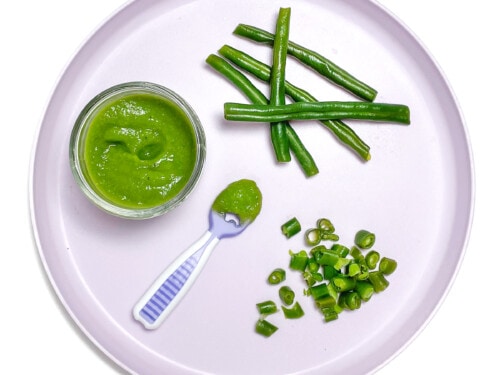
3. Slice lengthwise into halves or quarters.
4. Cut into 1cm (½ inch) pieces.
Why lengthwise? Crosswise cuts create round shapes that can block airways. Lengthwise cuts reduce choking risk.
Optional: Mash with a fork and add a small pat of butter or lemon juice for flavor.
12–18 Months: Bite-Sized Pieces with More Texture
Toddlers need chewable foods to develop oral motor skills.
Prep method:
1. Slightly reduce cooking time—beans should be tender but not mushy.
2. Cut into 1-inch bite-sized pieces after slicing lengthwise.
3. Offer with a fork to encourage independent eating.
Meal Ideas:
– Green Bean Monsters: Mix with mashed potato and shape into fun faces.
– Green Bean and Chicken Noodles: Combine with soft-cooked pasta and shredded chicken.
Boost Flavor and Nutrition Naturally
Best Foods to Mix with Green Beans
Green beans have a mild, slightly grassy taste. Pair them with naturally sweet or creamy foods to make them more appealing.
Top pairings:
– Sweet peas: Add sweetness and smooth texture
– Avocado: Boosts creaminess and healthy fats
– Sweet potato or apple: Balance flavor and add nutrients
– Edamame: Adds plant-based protein
– Butter or olive oil: Helps absorb fat-soluble vitamins A and K
Three-Green Puree Recipe (6+ Months)
Ingredients:
– 1 cup green beans (trimmed, chopped)
– 1 cup sweet peas
– 1 cup shelled edamame
– 2–3 tbsp warm steaming water
Instructions:
1. Steam all veggies together for 5 minutes until tender.
2. Transfer to blender.
3. Add steaming water and blend until smooth.
4. Serve or store.
Why it works: Combines fiber, protein, and natural sweetness—ideal for picky eaters.
Meal Prep Hack: Double the batch. Freeze in ice cube trays. Adults can enjoy leftovers as a salad with lemon and salt.
Prevent Choking Hazards with Proper Cutting
Always Cut Green Beans Lengthwise
Cylindrical foods like green beans are high-risk if cut improperly.
Safety rule:
– Never serve whole or round-cut beans.
– Always slice lengthwise first, then chop into age-appropriate pieces.
Test for Softness Before Serving
Even cooked beans can be too firm.
Check using:
– Squish test: Should mash easily between fingers.
– Taste test: Chew a piece—should be soft with no crunch.
Warning: Undercooked beans increase gagging and choking risk.
Store Green Beans Safely for Later Use

Refrigerate for Short-Term Storage
- Purees: Keep in airtight containers for up to 3 days.
- Cooked beans (finger food): Store for 2–3 days in a sealed container.
Freeze for Long-Term Convenience
Perfect for weekly meal prep.
Steps:
1. Puree cooked green beans.
2. Pour into silicone ice cube trays (≈1 oz per cube).
3. Freeze for 4–6 hours.
4. Transfer cubes to a labeled freezer bag.
5. Use within 1–2 months for best quality.
Thawing options:
– Overnight in the fridge
– Warm in a bowl of hot water
– Heat gently on the stove (stir and test temperature)
Safety Note: Do not refreeze thawed puree.
Support Your Baby’s Feeding Development
Encourage Self-Feeding (9–18 Months)
Help your baby build fine motor and chewing skills.
Tips:
– Offer soft, grippable pieces like halved green beans.
– Use a suction bowl to prevent spills.
– Introduce a fork—older babies enjoy spearing soft veggies.
Skill Boost: Larger pieces promote pincer grasp and hand-eye coordination.
Watch for Readiness Signs Before Offering Finger Food
Ensure your baby can:
– Sit upright without support
– Bring food to mouth
– Chew or gum effectively
– Show interest in grabbing food
Frequently Asked Questions About Preparing Green Beans for Baby
Can I Use Frozen Green Beans for Baby Food?
Yes—frozen green beans are safe and nutritious. Use them directly in the steamer or Instant Pot without thawing. Just confirm they’re plain with no added salt or seasonings.
How Can I Make Green Beans More Appealing to My Baby?
Mix with sweet foods like carrots, apples, or sweet potatoes. Add a small amount of butter or avocado for creaminess. Blend with peas or edamame for a naturally sweet, vibrant puree.
Why Is My Baby Rejecting Green Beans?
Green beans have a slightly bitter, vegetal taste. Try mixing with sweeter foods, offering in different textures, or reintroducing 10–15 times—babies often need repeated exposure to accept new flavors.
Can I Add Seasoning to Green Bean Puree?
For babies under 12 months:
– Avoid salt and sugar
– Use mild boosters: a pinch of garlic powder, lemon juice, or butter
After 12 months, small amounts of herbs like parsley or dill are safe.
Key Takeaways for Safely Preparing Green Beans for Baby
• Always cook green beans—never serve raw.
• Cut lengthwise to reduce choking risk at every age.
• Adjust texture by age: smooth puree (6–9 months), soft finger food (9–12 months), bite-sized pieces (12–18 months).
• Boost flavor naturally with sweet peas, avocado, or a touch of butter.
• Batch prep and freeze in ice cube trays for quick, healthy meals.
With the right prep, green beans become a safe, nutritious, and developmentally supportive food at every stage of weaning. By following these age-specific steps, you’ll help your baby build healthy eating habits—one soft, colorful bite at a time.





