
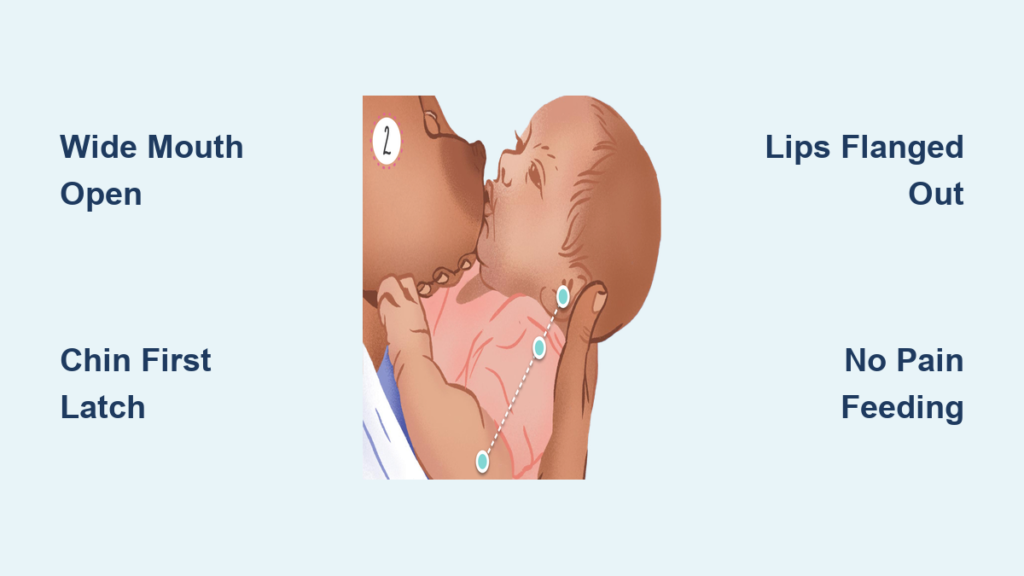
Getting your baby to latch properly is the foundation of successful breastfeeding. If you’re struggling with how to latch baby, know that you’re not alone—many new parents face challenges in the early days. A correct latch helps your baby transfer milk effectively and prevents sore, cracked nipples. Without it, feeding can become painful and frustrating. The good news? With the right positioning, timing, and technique, you can achieve a deep, comfortable latch every time.
In this guide, you’ll learn how to trigger a wide mouth opening, guide your baby correctly to the breast, recognize the signs of a proper latch, and fix common problems. You’ll also discover which feeding positions work best and when to seek expert help. Whether you’re a first-time parent or refining your technique, these evidence-based steps will help you master how to latch baby confidently and comfortably.
Position for a Successful Latch
Proper alignment sets the stage for an effective latch. Poor positioning leads to shallow latches and discomfort.
Support Your Baby’s Head and Body
Hold your baby close with their head, neck, and spine in a straight line. Use your forearm to support their upper back and shoulders, and your hand to cradle the base of their head. This gives you control to guide them chin-first to the breast. Avoid holding only the back of the head—this limits movement and can cause misalignment.
Tilt Head Back Slightly
Gently tilt your baby’s head back so their nose is level with your nipple. This small backward angle—about 15 to 30 degrees—opens their airway and encourages a wide mouth opening. Think of it as helping your baby look up at you before latching. Never tuck their chin to their chest; this restricts jaw movement and leads to a shallow latch.
Trigger a Wide Mouth Opening

A deep latch starts with a wide-open mouth. Timing is everything—wait for the right moment.
Tickle Lips to Start
Brush your baby’s upper lip gently with your nipple. This stimulates the lip reflex, prompting them to open wide like they’re yawning. You can also stroke their cheek or lower lip to trigger the rooting reflex. Wait for that big, open mouth—don’t rush the latch.
Wait for the Big Open
Look for a wide, oval-shaped gape, not a small pucker. When your baby opens wide, their tongue drops down and forward, ready to scoop in breast tissue. This is your cue to move in. If they close too soon, break contact and try again. Patience here prevents pain later.
Guide Baby to the Breast
The split second your baby opens wide is when you act—chin first, then latch.
Aim Nipple Above Top Lip
Position your nipple just above your baby’s top lip, pointing slightly upward. This encourages them to lead with their chin and take in more areola from below. Keep your fingers behind the areola to support your breast without blocking access.
Lead with Chin, Not Nose
Bring your baby to your breast so their chin touches first. As they open, they’ll scoop in breast tissue with a downward motion. Their nose may lightly graze your breast, but it shouldn’t be pressed flat. If breathing seems difficult, break the latch and reposition with a greater head tilt.
Ensure Lower Lip Clears the Base
Make sure your baby’s lower lip is well below the base of your nipple before latching. This ensures they take in more tissue from the underside of the breast, which is key for a deep, pain-free latch. If the lower lip is too close to the nipple, the latch will likely be shallow and uncomfortable.
Check for Proper Mouth and Tongue Position

Once latched, observe your baby’s mouth and tongue to confirm a good seal.
Lips Flanged Outward
Your baby’s lips should be turned outward, especially the lower lip, like a fish. This creates a tight seal that prevents air from entering and reduces friction on your nipple. If lips are tucked in, gently roll them out with your fingertip after latching.
Tongue Under the Nipple
Your baby’s tongue should be extended and cupped under your nipple and areola. It moves in a wave-like motion to compress milk sinuses beneath the skin. If you see only the tip of your nipple disappearing, your baby may be tongue-tied or latching too shallowly.
More Areola Above Than Below
In a proper latch, more of the areola is visible above your baby’s top lip than below the bottom lip. This confirms they’ve taken in more tissue from the lower part of the breast, which allows for effective sucking and minimizes pain.
Recognize a Good Latch
Knowing what works—and what doesn’t—helps you feed with confidence.
Comfortable, Pain-Free Feeding
A good latch feels like a gentle tugging, not pinching or sharp pain. Some initial discomfort may last 10–30 seconds as the latch settles, but it should ease. If pain continues, break the latch and try again. Pain is not normal and usually means the latch needs adjustment.
Rhythmic Sucking and Swallowing
Watch for a steady pattern: two or three sucks followed by a pause. This indicates effective milk transfer. You may hear soft swallowing sounds or see rhythmic jaw movement down to the earlobe. Long, deep sucks mean your baby is getting milk, not just pacifying.
Chin Pressed, Nose Clear
Your baby’s chin should be firmly pressed into your breast, while their nose remains slightly off the skin to allow breathing. Flaring nostrils are normal. If your baby pulls off frequently or seems congested, reposition with more head tilt or try a different hold.
Fix Common Latch Problems
Even with the right steps, issues arise. Here’s how to solve them quickly.
Shallow Latch: Nipple-Only Sucking
If your baby is only sucking the nipple tip, it hurts and doesn’t transfer milk well. Break the latch by slipping a clean finger into the corner of their mouth to break suction. Reposition, tickle the lips again, and wait for a wide gape before trying once more.
Lip Tucked In
Tucked lips break the seal and cause friction. After latching, use your finger to gently roll the lower lip outward. Do the same for the upper lip if needed. Flanged lips ensure a better seal and reduce the risk of soreness.
Baby Can’t Breathe
If your baby’s nose is pressed into your breast, they may pull off or fuss. Try the football hold or side-lying position for better nose clearance. Larger-breasted parents may need extra breast support to create space for breathing.
Latch Hurts Beyond 30 Seconds
Persistent pain means the latch is incorrect. Break it and start over. Check for anatomical issues like tongue tie, flat nipples, or poor positioning. If pain continues across multiple feeds, seek help early.
Use Different Feeding Positions
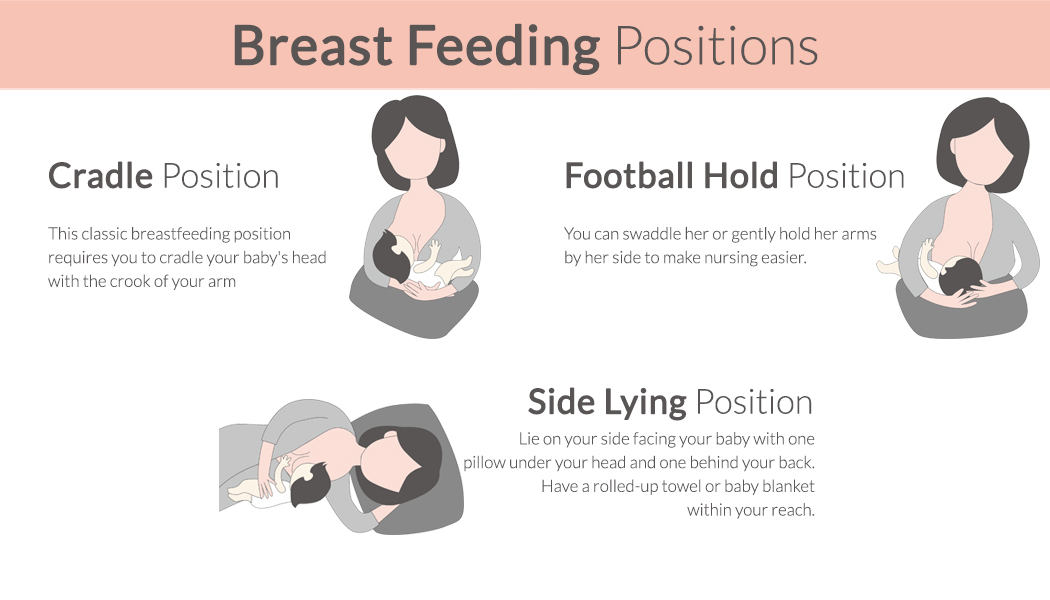
Changing positions can make latching easier and more comfortable.
Cradle Hold
Rest your baby across your lap, head in the crook of your arm. Use your other hand to support your breast. Best for full-term babies with good head control.
Cross-Cradle Hold
Hold your baby with the opposite arm (left arm for right breast). This gives you precise control over head alignment, making it ideal for newborns or babies struggling to latch.
Football Hold
Tuck your baby under your arm like a football, legs behind you. Great for C-section recovery or larger breasts. Offers clear visibility and better control during latching.
Side-Lying Position
Lie on your side facing your baby, bodies aligned chest to chest. Perfect for night feeds or postpartum healing. Ensure your baby’s nose is level with your nipple to encourage proper head tilt.
Frequently Asked Questions About How to Latch Baby
How do I get my baby to open their mouth wide for latching?
Brush your baby’s upper lip with your nipple or stroke their cheek to trigger the rooting reflex. Wait for a wide, yawn-like mouth opening before bringing them to the breast. Avoid forcing the latch if their mouth is small.
What does a good latch feel like?
A proper latch feels like gentle pulling or tugging, not pinching or pain. Initial discomfort may last 10–30 seconds but should subside. If it hurts beyond that, break the latch and try again with better positioning.
Why does my baby keep slipping off the breast?
A poor seal—often due to tucked lips or shallow latch—causes slipping. Ensure your baby’s lower lip is flanged outward and they’ve taken in enough areola. Reposition and re-latch if needed.
How can I tell if my baby is getting enough milk?
Signs include 6–8 wet diapers and 3–4 bowel movements per day (after day 4), consistent weight gain, and audible swallowing during feeds. If you’re concerned, consult a lactation specialist.
Should I feel pain when my baby latches?
No, pain is not normal. Some brief discomfort may occur as the latch settles, but sharp, ongoing pain means the latch is incorrect. Break the suction with a finger and re-latch using proper technique.
Can a tongue tie affect my baby’s latch?
Yes. Tongue tie restricts tongue movement, making it hard for your baby to extend their tongue over the lower gum and create a proper seal. If you suspect a tongue tie, consult a lactation consultant or pediatrician.
Key Takeaways for Mastering How to Latch Baby
Learning how to latch baby takes practice, patience, and the right technique. Start with proper positioning—chest to chest, head slightly tilted—and trigger a wide mouth by tickling the lips. Guide your baby chin-first to the breast, ensuring the lower lip clears the nipple base. Look for flanged lips, a deep mouthful of breast tissue, and more areola visible above than below.
A good latch should be comfortable, with rhythmic sucking and swallowing. If it hurts, break the latch and try again. Use different feeding positions to improve access and comfort. And remember—help is available. Reach out to a lactation consultant or WIC breastfeeding staff if you’re struggling. With consistent practice and support, you and your baby will build a strong, pain-free breastfeeding relationship.





