

Introducing solid foods to your baby is a special milestone, and strawberry puree is a delicious, nutrient-rich choice to start with. Packed with vitamin C, antioxidants, and natural sweetness, strawberries support immune health and help your baby absorb iron from other foods. The best part? Making homemade strawberry puree is fast, easy, and requires just one main ingredient—fresh strawberries. No added sugar, no preservatives, and no store-bought jars needed.
This guide walks you through everything you need to know to safely prepare strawberry puree for babies 6 months and older. You’ll learn how to choose the best berries, blend to the perfect smooth texture, serve safely, and store for future meals. We’ll also cover allergy precautions, cooking vs. no-cook methods, and creative ways to mix it into meals—all based on expert-backed, pediatrician-approved practices.
Start at 6 Months Safely
Introduce Single-Ingredient First
Begin offering strawberry puree only after your baby turns 6 months old and shows signs of readiness—like sitting up with support, showing interest in food, and no longer pushing food out with their tongue. Always start with a single-ingredient puree so you can easily spot any allergic reaction.
Offer just 1–2 teaspoons at first, ideally in the morning, so you can monitor for any rashes, vomiting, diarrhea, or swelling throughout the day. Wait 3–5 days before introducing another new food. This “wait window” helps you track which food might be causing a reaction.
Check for Birch Pollen Allergy Risk
Strawberries may trigger oral allergy syndrome in babies with a known sensitivity to birch pollen. If your baby has eczema, a family history of seasonal allergies, or reacts to other fruits, talk to your pediatrician before serving. Watch closely for mild itching, redness, or swelling around the mouth after feeding.
Choose the Best Strawberries
Pick Fresh, Ripe Berries Only
Always use fresh, ripe strawberries—never canned, jarred, or preserved. These often contain added sugars or syrups that are unsafe for babies. Choose berries that are:
- Deep red from tip to stem
- Firm but not hard
- Sweet-smelling
- Free of mold, bruises, or soft spots
Wash each strawberry thoroughly under cool running water. Even organic strawberries can carry dirt or residues, so gently scrub them with a soft brush if needed.
Avoid Added Sugars Completely
Never sweeten baby food. Strawberries are naturally sweet enough for your baby’s developing palate. Adding honey (unsafe under age 1) or table sugar increases the risk of tooth decay and unhealthy eating habits. Keep your puree 100% fruit-only.
Prepare with or Without Cooking
Use the No-Cook Blender Method
For babies 8 months and older with no digestive issues, the no-cook method preserves more vitamin C and antioxidants.
Steps:
1. Wash and dry 2–3 ripe strawberries
2. Remove all stems and leaves
3. Slice into quarters
4. Add to blender with 1–2 tbsp breast milk, formula, or water
5. Blend until completely smooth
6. Strain through a fine mesh sieve (optional, for seed-free texture)
This method takes under 10 minutes and yields a bright, fresh puree ideal for mixing into yogurt or oatmeal.
Try the Cooked Method for Easier Digestion
For first-time eaters or babies with sensitive tummies, lightly cooking strawberries makes them gentler on digestion.
Steps:
1. Wash and stem strawberries
2. Steam or boil for 3–5 minutes until soft
3. Drain and cool slightly
4. Blend with 2–3 tbsp liquid until smooth
5. Strain if needed for a silkier texture
6. Cool to room temperature before serving
Cooking breaks down fibers and may reduce potential allergens—ideal for babies just starting solids.
Achieve the Right Texture
Ensure Smooth, Lump-Free Puree
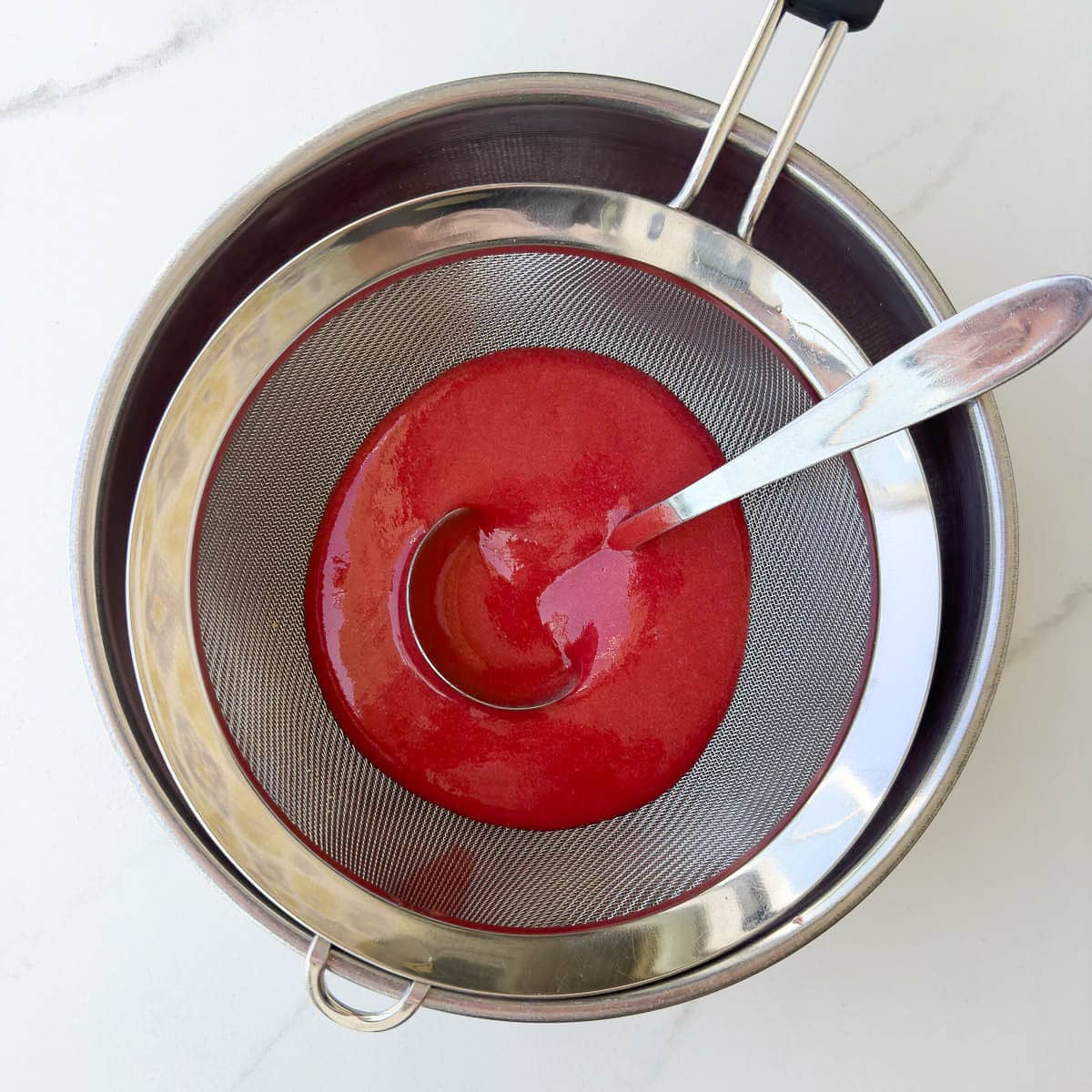
For babies under 12 months, texture is critical. Always serve strawberry puree completely smooth to prevent choking. After blending, rub a small amount between your fingers to check for lumps or fibrous bits.
If seeds or strands remain, strain through a fine mesh sieve. Push the puree through with a spoon or spatula. This step is especially helpful for younger babies or those with sensitive digestion.
Adjust Consistency as Needed
Start with a thinner puree (using breast milk or formula) for early feeders. As your baby gets used to solids, gradually thicken it by reducing added liquid. By 8–9 months, you can offer a denser texture that encourages chewing practice.
Serve and Mix Creatively
Offer as a Standalone Food
Serve strawberry puree on its own to introduce new flavors. Offer it at room temperature—never hot or cold. Test a small amount on your wrist to ensure it’s not too cold from the fridge.
Begin with 1–2 tsp and increase based on appetite. Most babies enjoy the naturally sweet taste, making strawberries an easy win for hesitant eaters.
Mix with Other Baby Foods
Once your baby tolerates strawberries alone, try combining them:
• Swirl into plain, unsweetened yogurt
• Stir into oatmeal or rice porridge
• Blend with mashed banana for creaminess
• Layer with avocado puree for healthy fats
These combinations add variety and boost nutrition without added sugar.
Store for Future Use
Refrigerate for Up to 48 Hours
Transfer leftover puree to an airtight container and refrigerate immediately. Use within 48 hours to ensure freshness and safety. Label the container with the date.
Always scoop out only what you need—don’t double-dip to avoid contaminating the batch.
Freeze in Portions for Months
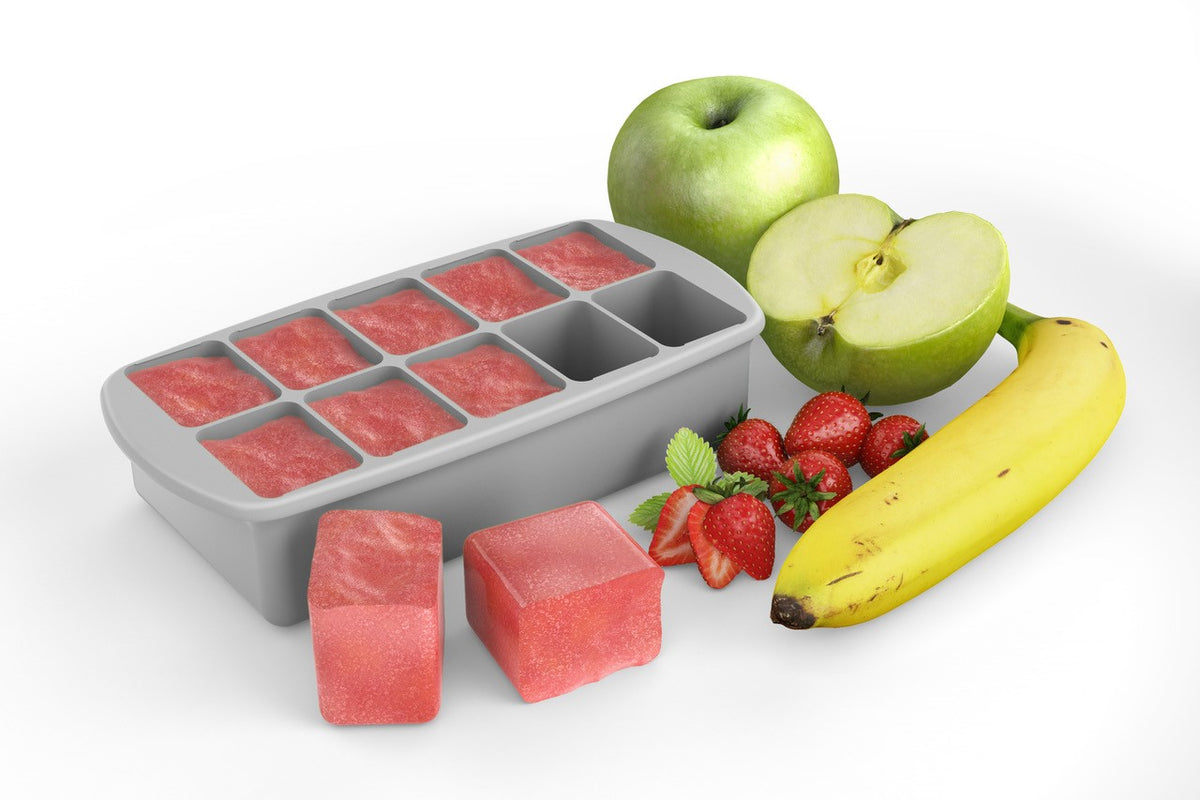
Freezing is the best way to save time. Pour puree into ice cube trays and freeze until solid (about 4–6 hours). Then transfer cubes to a labeled freezer bag.
Each cube = ~1 oz (2–3 tbsp)—perfect for single servings. Frozen puree lasts up to 3 months.
To thaw:
• Place a cube in the fridge overnight
• Or warm gently in a bowl of hot water (never microwave unless stirring well and testing temperature)
Prevent Choking and Allergies
Never Serve Whole or Chunky Pieces
Whole strawberries are a choking hazard for babies under 12 months. Even halved or quartered berries can be dangerous due to their shape and firmness.
Only serve fully pureed strawberries until your baby is ready for soft finger foods (usually around 9–12 months). At that stage, you can offer mashed strawberries—not whole.
Watch for Allergic Reactions
Though strawberries aren’t among the top 9 allergens, they can still cause reactions. Monitor for:
• Red rash around the mouth
• Hives or eczema flare-ups
• Vomiting or diarrhea
• Swelling of lips, face, or tongue
• Difficulty breathing (seek emergency care immediately)
If any reaction occurs, stop feeding and contact your pediatrician.
Follow Expert Preparation Tips
Wash, Stem, and Slice Before Blending
Always remove stems and leaves completely—they don’t blend well and can harbor bacteria. Slicing strawberries before blending helps the motor run smoothly and ensures even pureeing.
Use a high-speed blender or food processor for the smoothest results. A hand mixer or immersion blender may leave chunks.
Add Liquid Gradually
Start with 1 tablespoon of liquid (breast milk, formula, or water) and add more as needed. The goal is a pourable but not watery consistency. Too much liquid dilutes flavor and nutrition.
Make Small or Large Batches
Adjust Quantity to Baby’s Needs
For a small batch: Use 2–3 strawberries + 1–2 tbsp liquid. Ideal for first tries or single servings.
For a larger batch: Use 300g (about 2 cups) of strawberries. Yields approximately 3 servings. Freeze extras in cubes for future meals.
Always label frozen puree with the date and contents. Rotate older batches to the front for use first.
Know the Health Benefits
Support Immune and Iron Health
Strawberries are rich in vitamin C, which boosts your baby’s immune system and helps the body absorb iron from plant-based foods. This is especially important as babies’ iron stores begin to decline around 6 months.
The natural antioxidants in strawberries also support healthy cell development and overall growth.
Encourage Healthy Eating Habits
Serving homemade, unsweetened fruit teaches babies to love natural flavors. Starting early with real food sets the stage for a lifetime of healthy eating—without dependence on processed or sugary options.
Avoid Common Mistakes
Don’t Use Canned or Jarred Fruit
Canned strawberries often contain added sugars, syrups, or preservatives—not safe for babies. Even “no sugar added” versions may have high natural sugar concentration. Stick to fresh only.
Never Add Honey or Sugar
Honey can cause infant botulism in babies under 1 year and should never be given. Sugar increases the risk of cavities and unhealthy weight gain. Trust the fruit’s natural sweetness.
Don’t Skip the Straining Step for Young Babies
While older babies can handle some texture, babies under 8 months benefit from seed-free puree. Straining removes tiny seeds and fibrous strands that can be hard to digest.
Frequently Asked Questions About Strawberry Puree for Baby
Can I give raw strawberries to my 6-month-old?
Yes, you can serve raw strawberries as a smooth puree after 6 months. Just wash, stem, and blend them with a little liquid until completely smooth. Strain if needed for a seed-free texture.
Do I need to cook strawberries for baby puree?
Cooking is optional. For easier digestion, especially for first-time eaters, lightly steaming or boiling strawberries for 3–5 minutes can help. Older babies can enjoy raw blended puree to preserve more nutrients.
How long does homemade strawberry puree last?
Fresh puree lasts up to 48 hours in the fridge and up to 3 months in the freezer. Always store in airtight containers or ice cube trays and label with the date.
Can strawberries cause allergies in babies?
Strawberries aren’t a top allergen but can cause mild reactions like rashes or oral itching, especially in babies with birch pollen sensitivity. Introduce slowly and watch for any signs of reaction.
Is it safe to freeze strawberry puree for baby?
Yes, freezing is safe and convenient. Pour puree into ice cube trays, freeze, then transfer to labeled bags. Each cube is a single serving. Thaw in the fridge or warm gently in hot water.
Can I mix strawberry puree with formula or breast milk?
Yes, mixing with breast milk or formula helps create a familiar taste and smooth texture. It’s a great way to ease your baby into new flavors while maintaining nutrition.
Key Takeaways for Making Strawberry Puree for Baby

Making strawberry puree for baby is simple, safe, and highly nutritious when done correctly. Start at 6 months with a smooth, single-ingredient puree made from fresh, ripe strawberries—no added sugar or honey. Choose between no-cook or lightly cooked methods based on your baby’s age and digestion needs.
Always serve puree smooth and at room temperature, and watch closely for any allergic reactions. Store leftovers in the fridge for up to 48 hours or freeze in portion-sized cubes for up to 3 months. By introducing real, wholesome foods early, you’re building a foundation for healthy eating that lasts a lifetime. Start small, stay consistent, and enjoy this sweet step in your baby’s food journey.





